FTC Disclosure: This post contains affiliate links. As an Amazon Associate, PlantWise earns from qualifying purchases.
If you're gardening in Zone 8 and struggling with persistent groundhog damage, planting groundhog resistant plants is a smart way to protect your landscape. Groundhogs, also called woodchucks, are notorious for nibbling on young plants and vegetables, but certain species are less appealing to these critters. The 8 best groundhog resistant plants for Zone 8 not only withstand groundhog browsing but also thrive in the warm, humid Southern climate, helping you maintain a beautiful and resilient garden.
Why Choose Groundhog Resistant Plants in Zone 8?
Zone 8 climates experience mild winters and hot, humid summers, creating ideal conditions for a wide array of plants and wildlife—including groundhogs. These animals are opportunistic feeders and can quickly decimate a garden if plants are palatable to them.
Groundhog resistant plants typically have qualities such as strong scents, fuzzy or tough leaves, or bitter sap that deter these animals. By incorporating these plants into your garden, you reduce the risk of damage while still enjoying a vibrant and diverse landscape.
🌱 Get Personalized Plant Picks
Answer a few quick questions and we’ll match plants to your exact yard conditions.
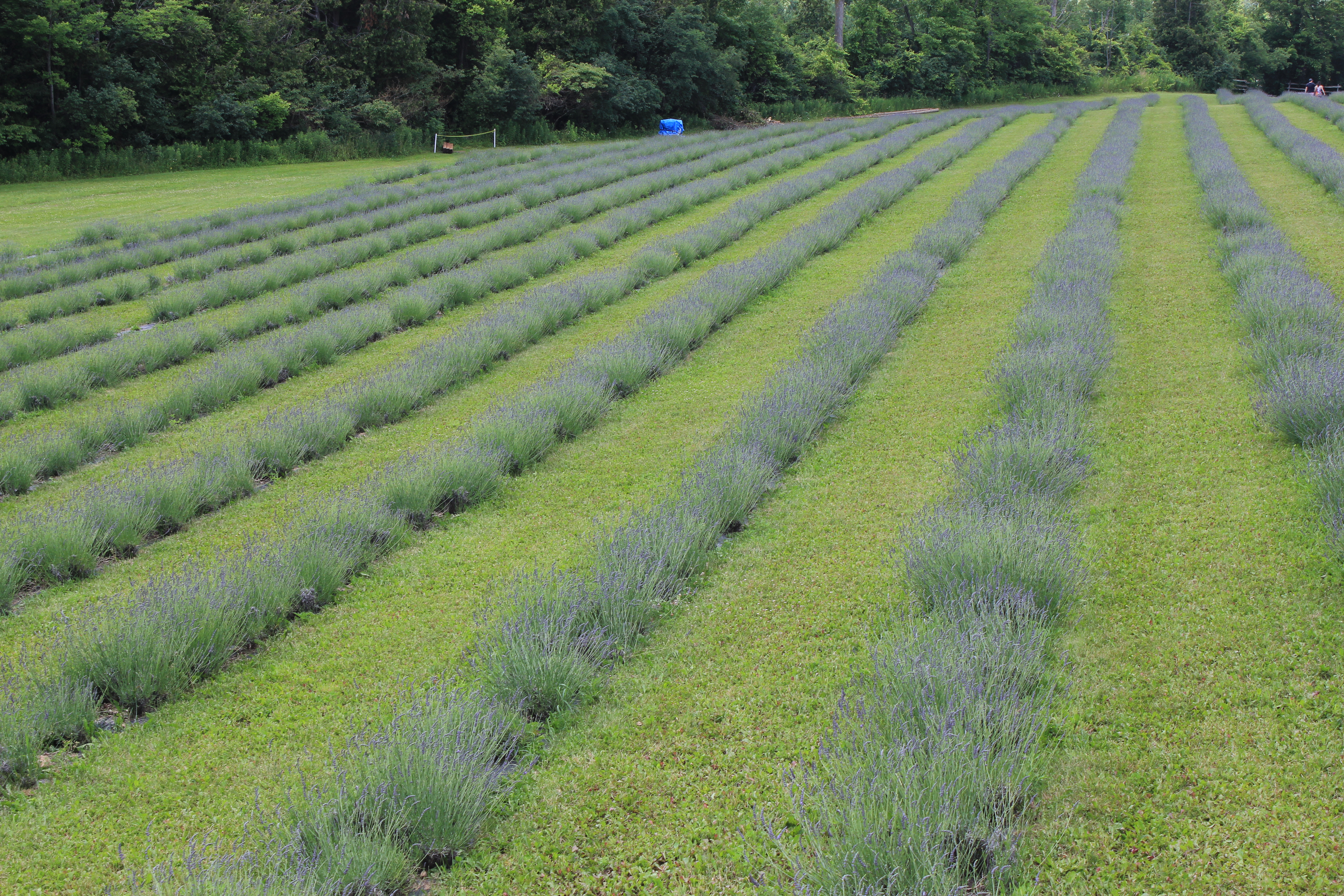
Find My Plants →1. Lavender (Lavandula angustifolia)
Lavender is a fragrant herb well-suited to Zone 8’s climate. Its aromatic oils make it unappealing to groundhogs, deer, and rabbits alike. Lavender thrives in full sun and well-drained soil, and its silvery-green foliage adds texture to any garden bed.
Lavender’s drought tolerance also makes it an excellent choice for Southern gardens that may face dry spells. Prune regularly to encourage bushy growth and more blooms.
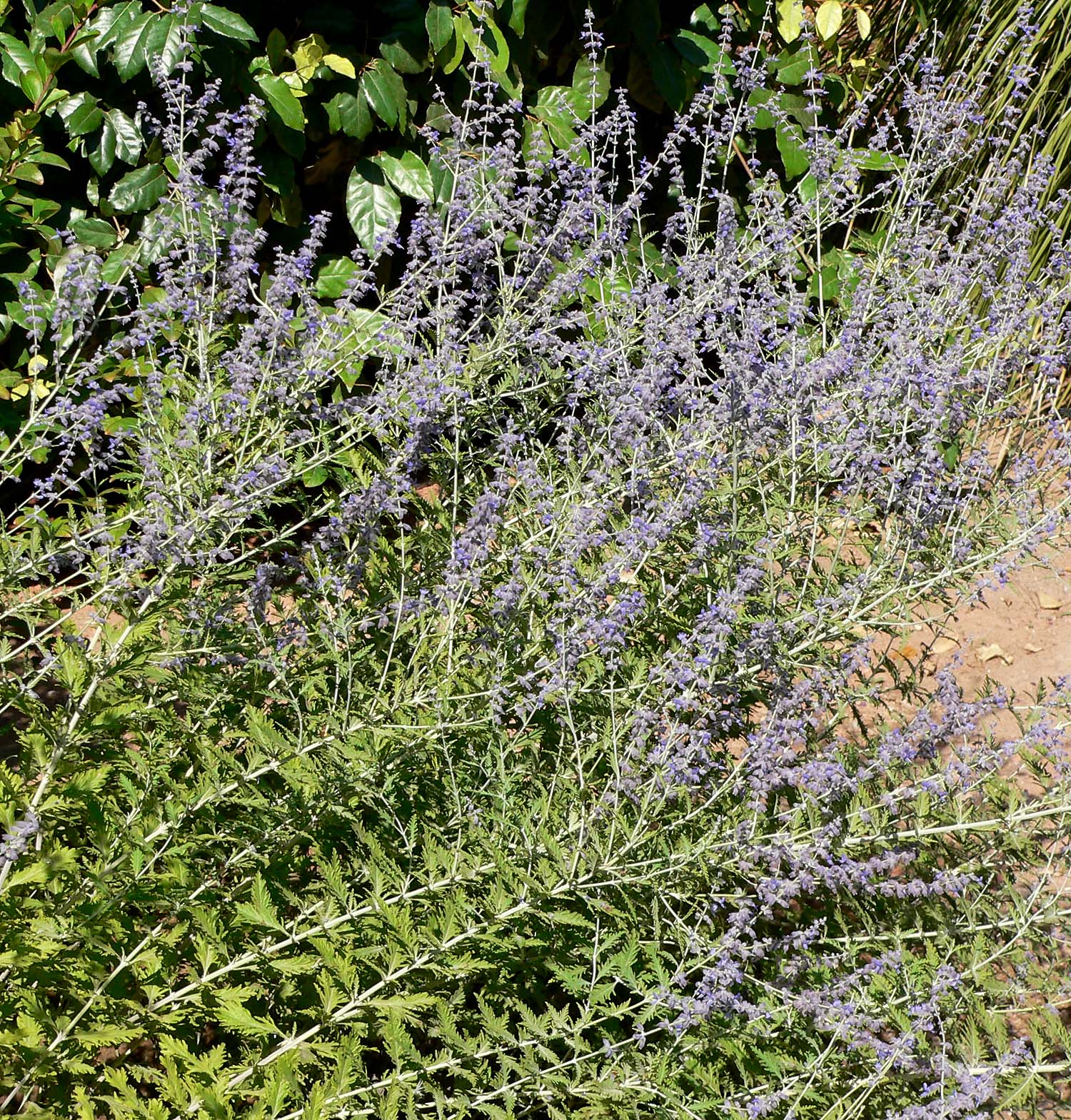
2. Russian Sage (Perovskia atriplicifolia)
Russian Sage is another aromatic, hardy perennial that tolerates heat and humidity well. With its silvery stems and small purple flowers, it adds color and interest while resisting browsing by groundhogs.
This plant prefers full sun and well-drained soil, and once established, it requires minimal watering. Its strong scent and coarse foliage make it unappealing to most wildlife.
3. Ornamental Grasses (Miscanthus sinensis)
Ornamental grasses like Miscanthus sinensis are tough, fibrous, and usually left alone by groundhogs. They add movement and height to gardens and can tolerate a range of soil types, including moist or well-drained.
These grasses flourish in full to partial sun and can be a great structural element in borders or naturalized areas. Their seed heads can also provide food for birds without attracting groundhogs.
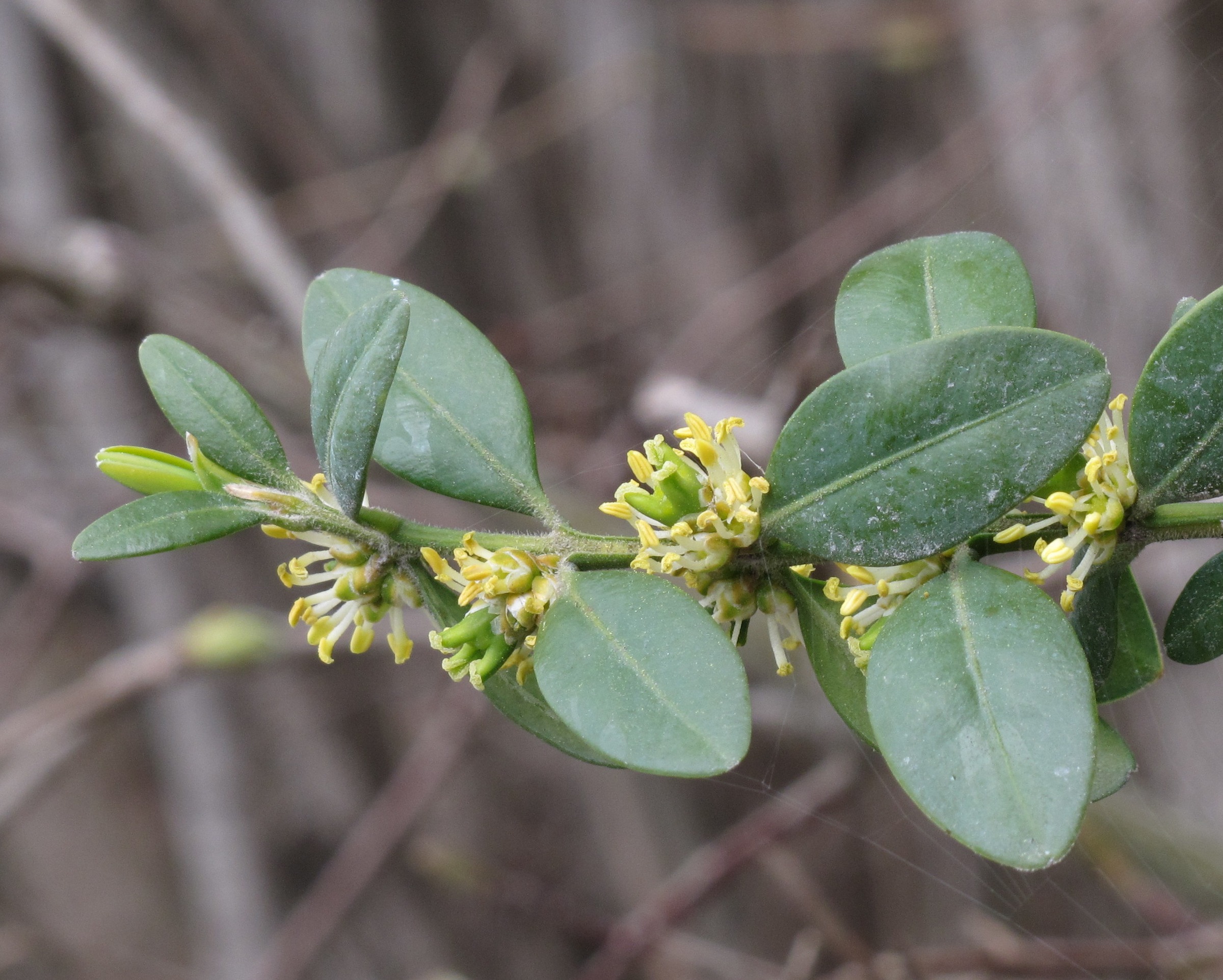
4. Boxwood (Buxus sempervirens)
Boxwood shrubs are evergreen and dense, with leathery leaves that groundhogs tend to avoid. They are highly adaptable, thriving in full sun to partial shade, and can handle the humidity of Zone 8.
Boxwoods are excellent for formal hedges or foundation plantings, providing year-round structure and color. Regular pruning helps maintain shape and encourages dense growth.
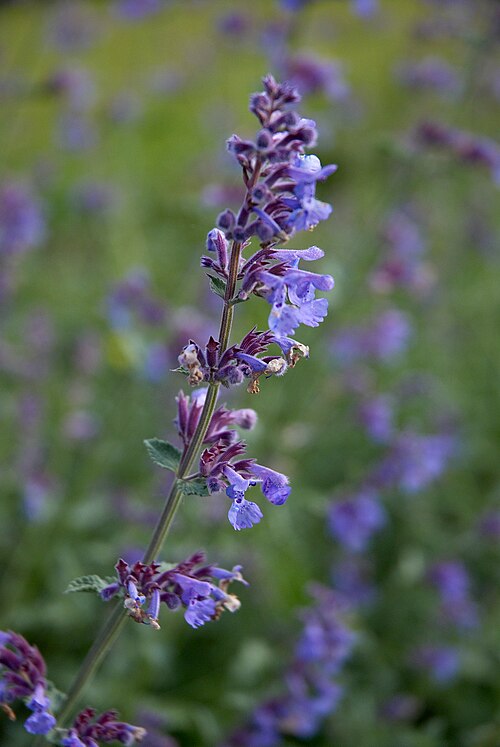
5. Catmint (Nepeta faassenii)
Catmint is a low-maintenance perennial with fragrant foliage and attractive blue-purple flowers. Its aromatic oils deter groundhogs, rabbits, and deer, making it a good companion plant.
It prefers full sun and well-drained soil and is drought tolerant once established. Catmint attracts pollinators but generally escapes groundhog damage.
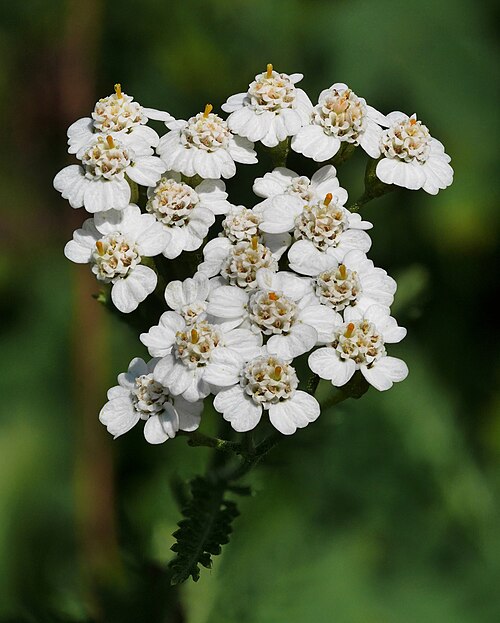
6. Yarrow (Achillea millefolium)
Yarrow’s fern-like foliage and flat-topped flower clusters make it a garden favorite. It is drought tolerant, thrives in full sun, and is generally ignored by groundhogs due to its bitter taste.
Yarrow can also improve soil quality by attracting beneficial insects and repelling some pests. It spreads easily, so planting in contained areas or using barriers can prevent unwanted spreading.
7. Rosemary (Rosmarinus officinalis)
Rosemary is an aromatic evergreen herb that thrives in Zone 8’s warm climate. Its needle-like leaves and strong scent discourage groundhogs from taking a nibble.
This drought-tolerant herb prefers full sun and well-drained soil. Besides its ornamental value, rosemary is also useful in cooking and can be pruned into attractive shapes.
Rosmarinus Officinalis
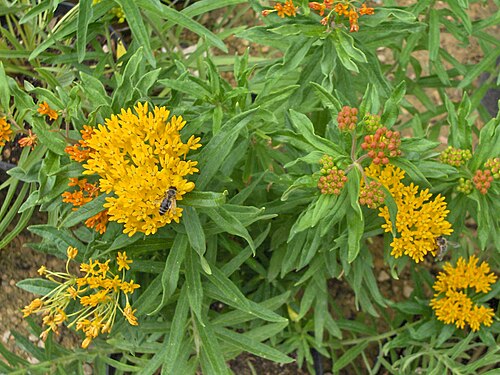
8. Butterfly Weed (Asclepias tuberosa)
Butterfly Weed is a native perennial with bright orange flowers that attract butterflies and pollinators but are generally avoided by groundhogs. It thrives in full sun and well-drained soils, tolerating drought conditions once established.
This plant can add vibrant color to your garden while helping support local ecosystems.
Tips to Enhance Groundhog Resistance in Your Garden
- Use physical barriers: Wire fencing or underground mesh can prevent groundhogs from accessing plants.
- Plant in groups: Mass plantings of resistant species may deter groundhogs more effectively.
- Maintain garden cleanliness: Remove fallen fruit and keep compost covered to avoid attracting groundhogs.
- Complement with repellents: Commercial repellents or homemade sprays with garlic or hot pepper can add an extra layer of protection.
Wildlife Resistance Disclaimer
While the plants listed are generally less appealing to groundhogs, no plant is completely groundhog-proof. Individual feeding habits and local wildlife pressures vary, so results may differ in your garden.
Pet Safety Reminder
If you have pets, always verify that plants in your garden are safe. Many common garden plants are not listed as toxic to pets but can still cause mild irritation if ingested. For questions or emergencies, contact the ASPCA Animal Poison Control Center at 888-426-4435.
Conclusion
Choosing groundhog resistant plants for Zone 8 gardens is a practical strategy to minimize pest damage while enjoying a thriving landscape. Plants like lavender, Russian sage, and catmint combine beauty, resilience, and pest resistance tailored to Southern heat and humidity. By combining these plants with sound gardening practices and physical barriers, you can create a garden that groundhogs are less likely to invade.
Want to find the perfect plants for your exact location and garden conditions? Use our Plant Finder wizard at /wizard to discover plants suited to your Zone 8 garden and wildlife challenges. Happy gardening!