FTC Disclosure: This post contains affiliate links. As an Amazon Associate we earn from qualifying purchases.
If you want to keep deer out of your garden but don’t want to install a fence, you can use natural strategies like careful plant selection, strategic placement, and companion planting to deter deer effectively. Deer dislike certain plants with strong scents, textures, or tastes, and by mixing these into your garden, you create an environment less appealing to them. This approach not only protects your garden but also preserves its natural beauty and openness without the expense or visual obstruction of fencing.
Understanding Deer Behavior in Gardens
Deer are browsers, which means they prefer tender shrubs, young shoots, and leaves. They are also creatures of habit, often frequenting the same paths and feeding spots. Understanding what attracts deer helps you design a garden that’s less inviting. Deer tend to avoid plants with strong odors, fuzzy or spiny textures, and bitter or toxic tastes. By incorporating such plants and combining them with thoughtful garden design, you can reduce deer damage without resorting to physical barriers.
🌱 Get Personalized Plant Picks
Answer a few quick questions and we’ll match plants to your exact yard conditions.
Find My Plants →Choose Deer-Resistant Plants to Deter Browsing
One effective way to deer-proof your garden without a fence is to select plants deer typically avoid. These plants often have aromatic foliage, tough textures, or compounds that deer find unpalatable. While no plant is completely deer-proof, choosing a variety of these species makes your garden less attractive.
Aromatic Herbs and Shrubs
Herbs like lavender, rosemary, and sage produce strong scents that deer dislike. Similarly, some shrubs have pungent foliage that deters deer.
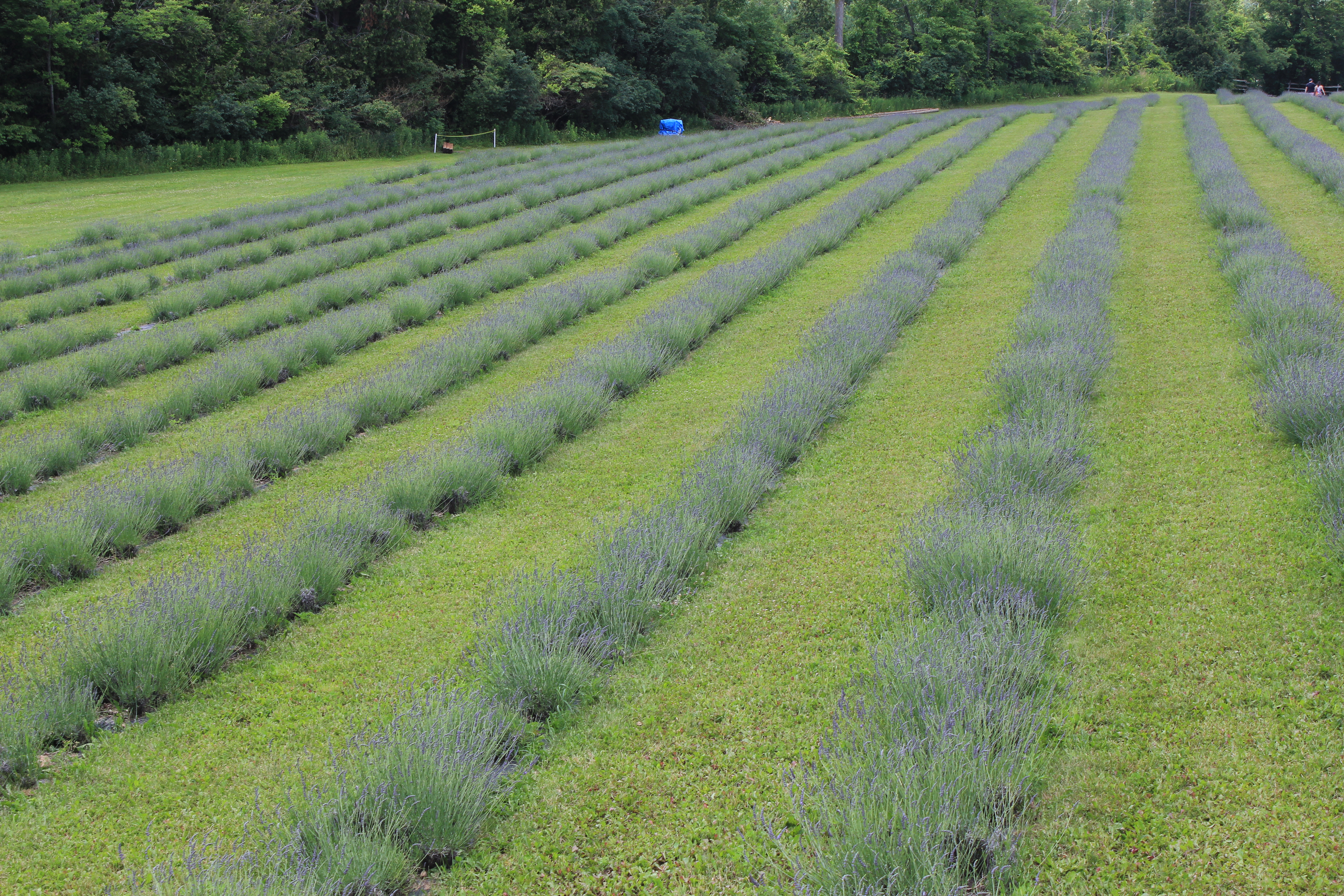
- Lavender (English Lavender) emits a fragrant aroma and has tough, woolly leaves.
- Rosmarinus Officinalis (Rosemary) is a woody shrub with needle-like leaves and a strong scent.
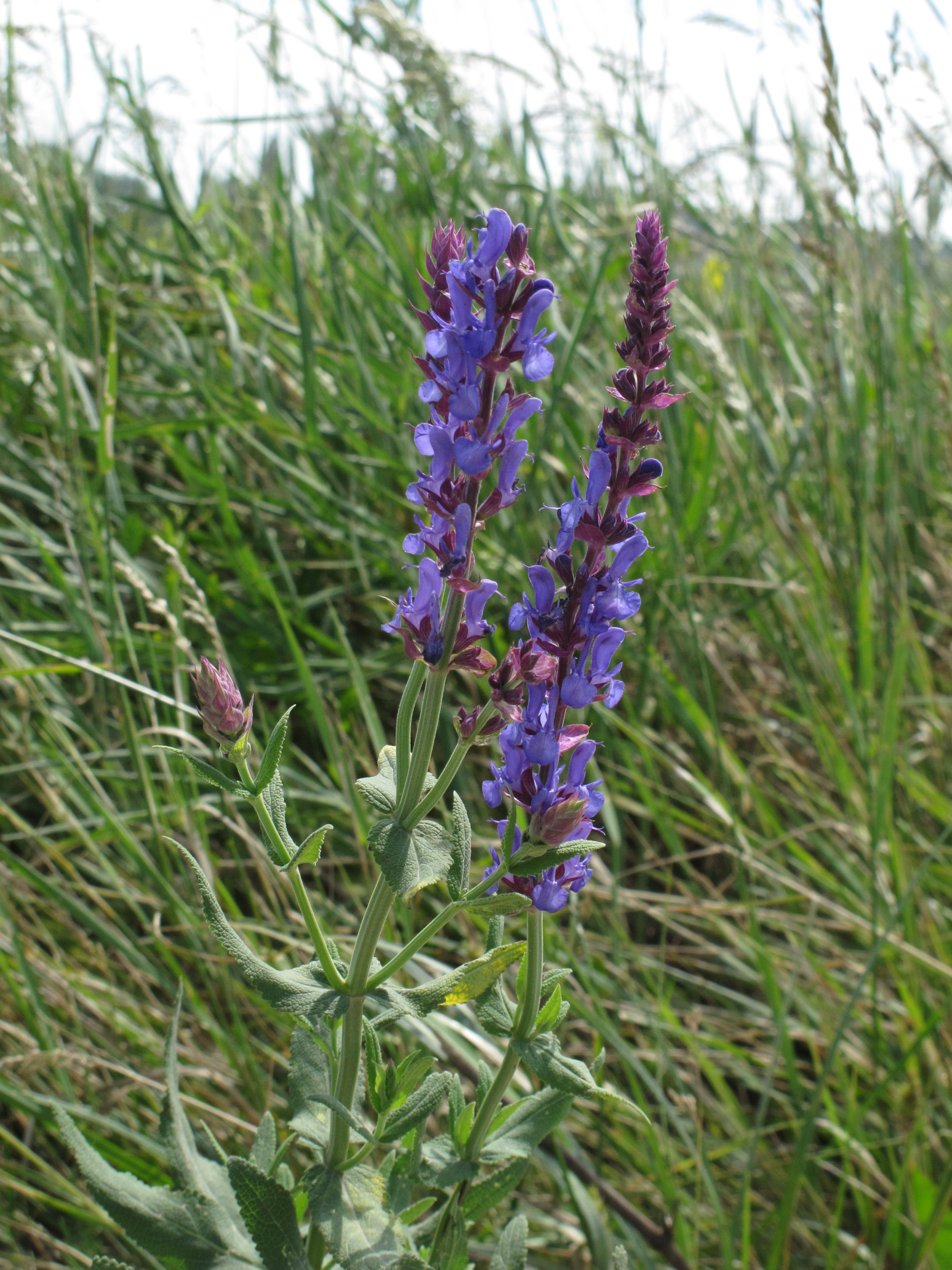
- Salvia (Common Sage) produces fragrant leaves that deer tend to avoid.
Plants with Fuzzy or Spiny Textures
Deer dislike textures that are unpleasant to their sensitive noses and mouths.
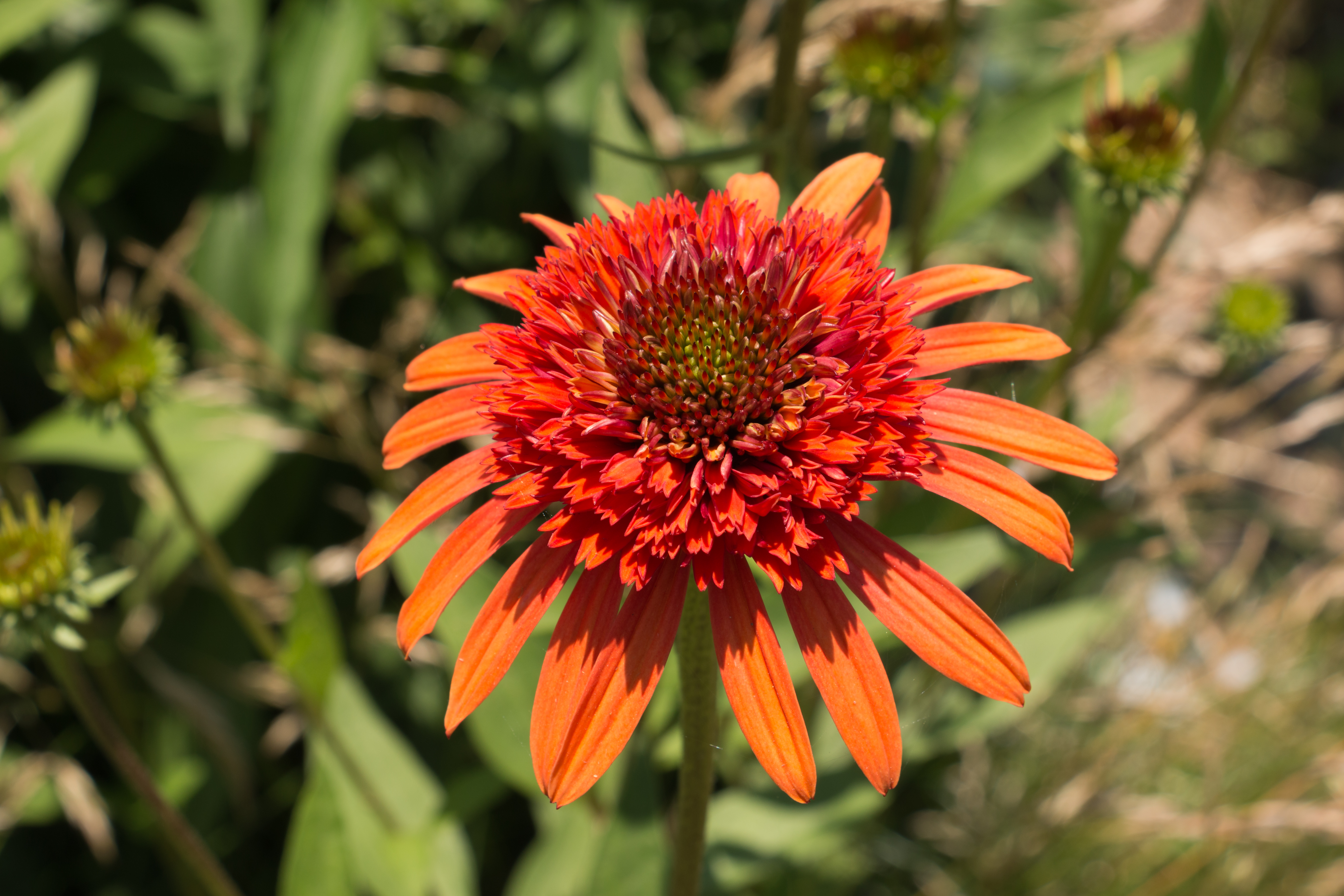
- Coneflower (Purple Coneflower) has rough, hairy leaves and tough stems.
- Lavender (Spanish Lavender) features fuzzy leaves and aromatic flowers.
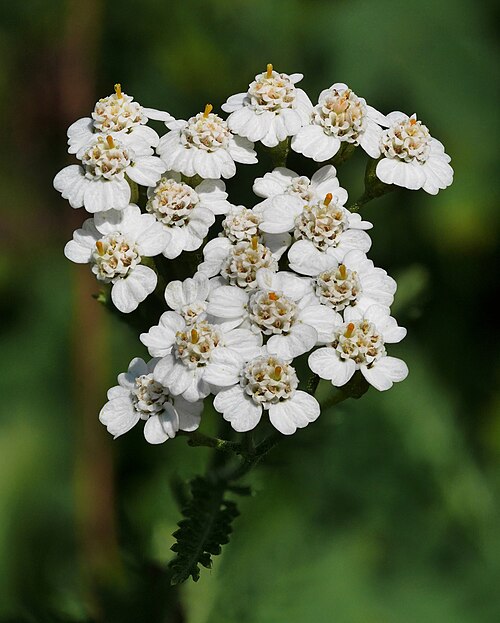
- Yarrow (Yarrow) has finely divided, feathery foliage that deer avoid.
Plants with Bitter or Toxic Compounds
While you should never rely solely on toxic plants to protect your garden, some species are known to be less palatable to deer.
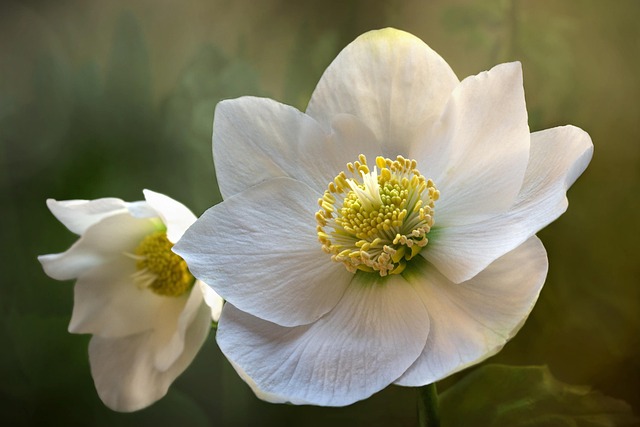
- Hellebore (Christmas Rose) contains compounds that deter deer.
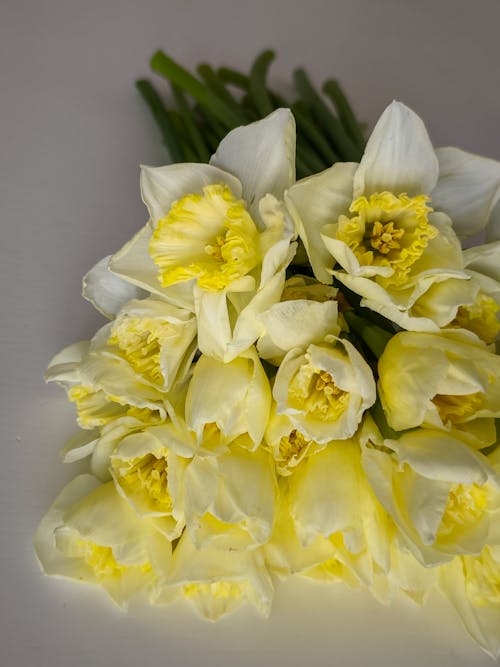
- Daffodil (Daffodil) bulbs and leaves are toxic to deer and other animals.
Note: Toxic plants can be harmful to pets and children. Always research and use caution when planting these.
Use Companion Planting and Plant Placement
Strategic placement of deer-resistant plants can create natural barriers or “buffers” around more vulnerable plants like vegetables and tender flowers.
Create a Deer-Repellent Border
Plant a perimeter of strongly scented or spiny plants around your garden beds. This can discourage deer from entering your planting area.
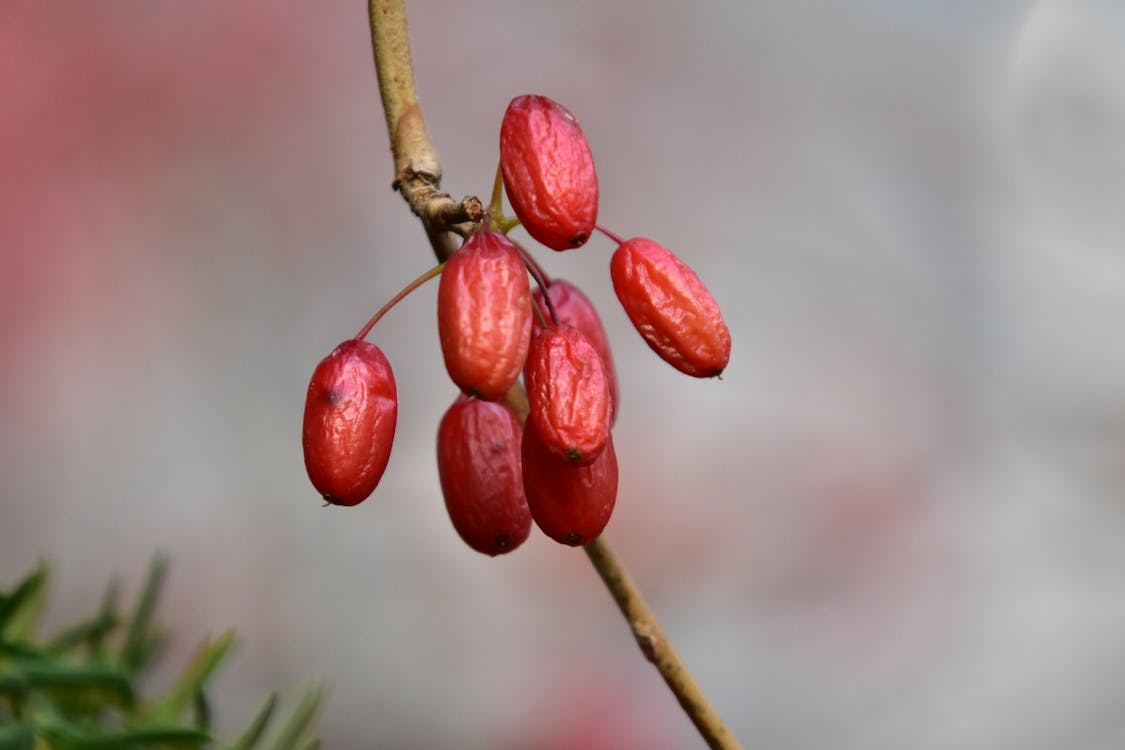
For example, plant a mix of lavender, rosemary, and yarrow along garden edges. The combined scent and texture make it less inviting. You can also add thorny shrubs like barberry or hawthorn for physical deterrence.
Interplant Deer-Resistant Plants Within Vulnerable Beds
Mix deer-resistant plants among your more susceptible plants. This “masking” effect confuses deer and reduces their willingness to feed.
For instance, in a vegetable garden, intersperse herbs like sage or thyme with lettuce and tomatoes. The scent and texture help deter deer from nibbling on the tender crops.
Use Height and Visual Barriers
Plant taller deer-resistant plants strategically to block deer’s line of sight. Deer avoid unfamiliar or obstructed areas, so creating visual barriers can keep them at bay.
For example, use tall lavender or ornamental grasses like switchgrass around garden beds to break sight lines.
Additional Natural Deer Deterrents
Beyond plants, there are other non-fence strategies you can combine with plant selection for better results.
Mulch with Deer-Repellent Materials
Some gardeners use mulch made from pungent materials like cedar or pine needles, which add scent that deer dislike.
Use Motion or Noise Deterrents
While not entirely natural, devices that create noise or sudden movement can scare deer away temporarily. Combine these with plant-based deterrents for best effect.
Avoid Attracting Deer
Remove fallen fruit or bird feeders that may attract deer to your yard. Keeping your garden area less attractive overall reduces deer traffic.
Important Notes on Wildlife Resistance
No method or plant is 100% deer-proof. Deer feeding habits vary by region, season, and local deer population pressure. Some deer may still browse plants considered resistant, especially in winter or during food shortages. Multiple strategies used together increase your chances of success.
Pet Safety Considerations
Many plants that deter deer are not listed as toxic to pets by the ASPCA, but some are. Always check if a plant is listed as toxic or not listed as toxic before planting, especially if your pets have access to the garden. If you suspect your pet has ingested a potentially harmful plant, contact the ASPCA Animal Poison Control Center hotline at 888-426-4435 immediately.
Summary: How to Deer Proof Garden No Fence
- Select plants deer dislike, such as aromatic herbs, fuzzy or spiny foliage, and plants with bitter compounds.
- Use companion planting and strategic placement to create natural deer-repellent borders and mask vulnerable plants.
- Incorporate multiple strategies, including mulch choices and visual barriers, to reduce deer damage.
- Remember that no plant or method is entirely deer-proof; combining approaches works best.
- Always consider pet safety and wildlife resistance disclaimers when choosing plants.
Try incorporating these natural techniques into your garden to protect your plants without the need for fencing.
Explore more plants that can help deter deer and learn about their care using our Plant Finder wizard at /wizard.
Lavender
Rosmarinus Officinalis
Salvia
Coneflower
Yarrow
Wildlife resistance disclaimer: No plant or method guarantees complete deer resistance; effectiveness varies by location and deer pressure.
Related: Protecting young trees from buck rub during the fall rut