How to Fix Dog Urine Spots in Your Lawn: Complete Guide
Dog urine spots are a common and frustrating problem for many pet owners, turning lush green lawns into a patchwork of brown and yellow. The good news is that you can fix these unsightly spots and take steps to prevent them from recurring. Repairing dog urine spots involves diluting the affected area, reseeding or patching with new sod, and improving soil health. Prevention focuses on managing your dog's urination habits, adjusting their diet, and choosing more urine-resistant grass varieties.
🌱 Get Personalized Plant Picks
Answer a few quick questions and we’ll match plants to your exact yard conditions.
Find My Plants →Why Do Dog Urine Spots Appear on Your Lawn?
The primary culprit behind those tell-tale yellow or brown patches is nitrogen. While nitrogen is a vital nutrient for plant growth, concentrated amounts, like those found in dog urine, can act like an overdose of fertilizer, burning the grass. Dog urine also contains salts, which can contribute to dehydration of the grass roots.
Female dogs and larger breeds often cause more noticeable damage because they tend to empty their bladders in one spot, delivering a higher concentration of nitrogen and salts. Male dogs, who often mark territory in smaller, more frequent bursts, may cause less concentrated damage. The type of grass also plays a role; some varieties are more sensitive to urine than others.
How Do You Repair Existing Dog Urine Spots?
Repairing dog urine spots requires a multi-step approach to heal the damaged areas and encourage new growth.
1. Dilute and Flush Immediately
If you catch your dog urinating, or notice a fresh spot, the quickest way to mitigate damage is to immediately douse the area with water. This dilutes the concentrated nitrogen and salts, preventing them from burning the grass. Use a watering can or hose to thoroughly soak the spot and a surrounding area twice its size.
2. Remove Dead Grass
For existing brown spots, start by removing the dead grass. Use a rake or a hand trowel to gently loosen and clear away the dead blades and thatch. This exposes the soil underneath, preparing it for new growth.
3. Amend the Soil
Dog urine can alter the soil's pH and deplete beneficial microbes. Before reseeding, it's a good idea to amend the soil.
- Gypsum: Some gardeners find gypsum helpful in breaking down salts in the soil. Spread a thin layer over the affected area.
- Compost: Work in a small amount of organic compost to enrich the soil, improve drainage, and introduce beneficial microorganisms.
- Lime (if pH is low): A soil test can determine if your soil's pH has been significantly altered. If it's too acidic, a small application of lime can help balance it.
4. Reseed or Patch
Once the soil is prepped, you have a few options for re-establishing grass:
- Reseeding: This is the most common and cost-effective method. Choose a grass seed that matches your existing lawn type for a seamless look. Lightly scratch the soil surface, spread the grass seed according to package directions, and cover with a thin layer of topsoil or peat moss. Keep the area consistently moist until the new grass germinates and establishes.
- Sod Patching: For faster results, cut out a piece of fresh sod that matches the size and shape of your urine spot. Prepare the soil as above, then lay the sod patch, ensuring good contact with the soil underneath. Water thoroughly.
- Hydroseeding (for larger areas): If you have many spots or a significant portion of your lawn is affected, hydroseeding might be an option, though it's typically more involved and often requires professional equipment.
What Are Effective Strategies for Preventing Dog Urine Spots?
Prevention is key to maintaining a healthy, uniform lawn.
1. Hydrate Your Dog
A well-hydrated dog's urine is naturally more diluted, meaning less concentrated nitrogen and salts. Ensure your dog always has access to fresh water, especially during hot weather or after exercise.
2. Create a Designated "Potty Area"
Train your dog to urinate in a specific, less visible part of the yard. This could be an area with mulch, gravel, or even a patch of tough, urine-resistant groundcover. Reward them heavily when they use this spot. This is often the most effective long-term solution.
3. Dilute After Urination
Get into the habit of immediately watering down any spots where your dog urinates. Keep a watering can or a hose with a spray nozzle handy near the door for quick action.
4. Consider Dog-Friendly Grass Varieties
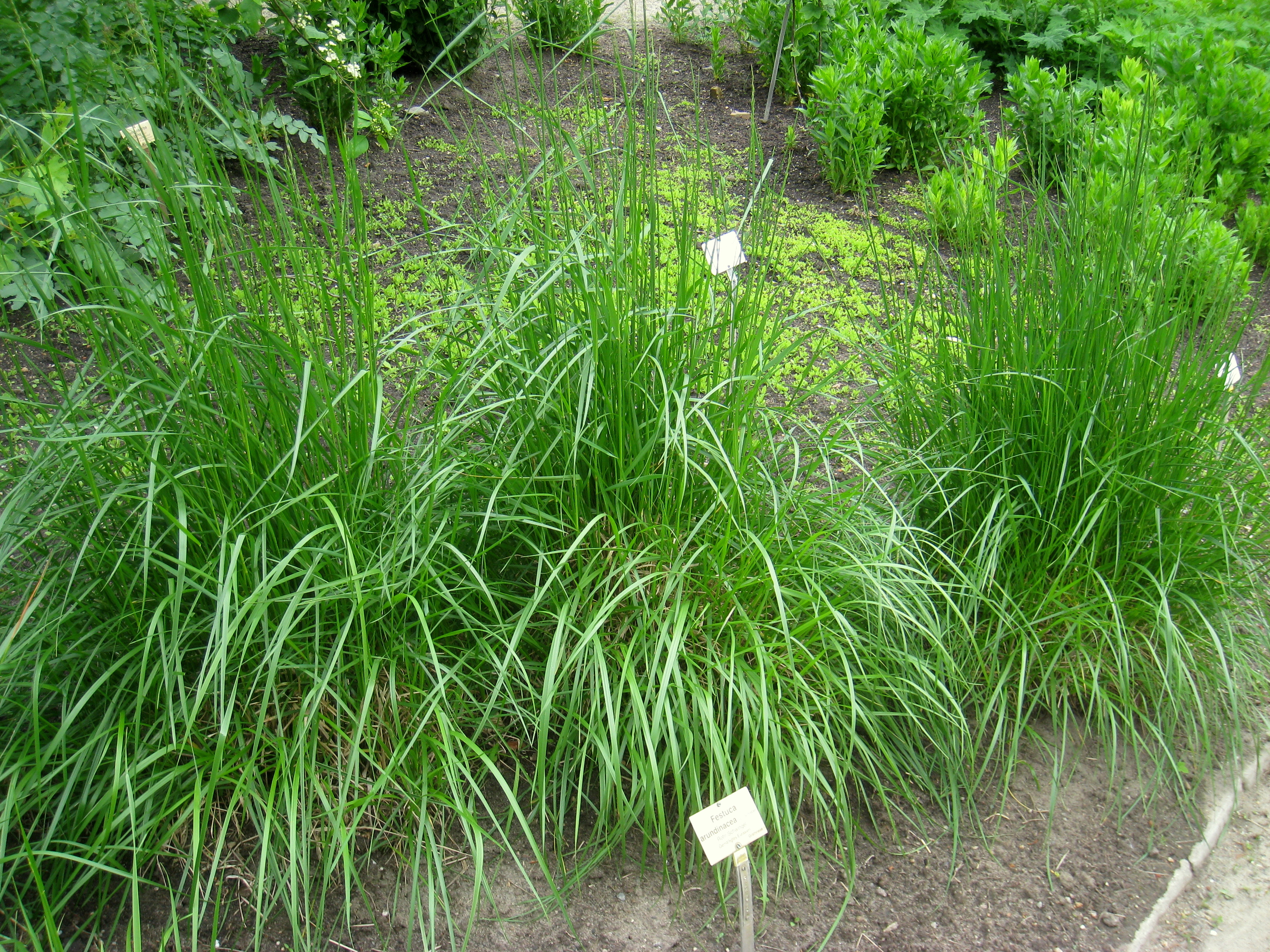
Some grass types are more tolerant of dog urine than others. Fescues (especially tall fescue) and ryegrass tend to be more resistant than Kentucky bluegrass or fine fescues. If you're planning a new lawn or overseeding, consider these options.
5. Dietary Adjustments (with Vet Consultation)
Some dog foods or supplements claim to reduce urine burn. However, altering your dog's diet should always be discussed with your veterinarian to ensure it's safe and appropriate for your pet's health. Adding supplements that alter urine pH or dilute urine can sometimes have unintended health consequences.
6. Install Physical Barriers or Markers
For persistent offenders, you might use small fences or decorative markers to guide your dog away from prime lawn areas.
Quick Reference: Fixing & Preventing Dog Urine Spots
| Problem/Goal | Action | Frequency/Timing |
|---|---|---|
| Fresh Urine Spot | Immediately douse with water (2-3 times the spot's size). | Immediately after urination. |
| Existing Brown Spot | Rake out dead grass, amend soil with compost/gypsum, reseed or patch with sod. | As soon as spots appear, ideally in spring/fall. |
| Prevention | Hydrate dog, create designated potty area, dilute after urination, choose urine-resistant grass. | Ongoing, daily habits. |
| Dietary Changes | Consult veterinarian before adding supplements or changing food. | Only with vet approval. |
Is Dog Urine Toxic to Pets or Other Plants?
Dog urine itself is not generally considered toxic to pets, as it's a natural bodily waste product. However, the high nitrogen and salt content can "burn" or damage plants, including grass, as discussed. It's not a poison in the traditional sense, but rather an overdose of certain compounds.
As a general rule, if you suspect your pet has ingested a toxic plant, call the ASPCA Animal Poison Control Center immediately at (888) 426-4435. While dog urine isn't a "toxic plant," it's always best to be cautious if your pet exhibits unusual symptoms.
What Are the Best Grass Types for Dog Owners?
Choosing the right grass can make a significant difference in how your lawn stands up to dog urine. No grass is completely "dog-proof," but some are more resilient.
- Tall Fescue: This is often considered one of the best choices for dog owners. It has deep roots, good drought tolerance, and is relatively resistant to urine burn. It also holds up well to foot traffic.
- Perennial Ryegrass: Known for its quick germination and establishment, perennial ryegrass can be a good option for overseeding or mixing with other grasses. It has decent urine tolerance.
- Zoysiagrass: A warm-season grass, Zoysia forms a dense, tough turf that can withstand heavy use and has good resistance to urine. It goes dormant in winter, turning brown.
- Bermudagrass: Another warm-season option, Bermuda is extremely durable and recovers quickly from damage, including urine spots. Like Zoysia, it goes dormant in cooler months.
Grasses like Kentucky Bluegrass and fine fescues (creeping red fescue, chewings fescue) tend to be more sensitive to dog urine and may show damage more readily.
By understanding why dog urine spots occur and implementing these repair and prevention strategies, you can enjoy a beautiful, green lawn that coexists happily with your beloved canine companion. It takes a little effort and consistency, but a healthy lawn is well worth it!
Ready to find the perfect plants for your yard? Try the PlantWise Plant Finder →