How to Overseed Your Lawn in Fall: Step-by-Step Guide
Overseeding your lawn in the fall is the single best way to thicken a thin, patchy, or tired-looking cool-season lawn. By spreading new grass seed over your existing turf, you fill in bare spots, improve density, and introduce new, resilient grass varieties, all without the need to tear up your entire lawn. The ideal time for this crucial lawn care task is typically late summer to early fall, when soil temperatures are still warm enough for germination, but air temperatures are cooler, and there's less competition from weeds. This guide will walk you through the process step-by-step to ensure a lush, healthy lawn next spring.
🌱 Get Personalized Plant Picks
Answer a few quick questions and we’ll match plants to your exact yard conditions.
Find My Plants →Why is Fall the Best Time to Overseed Cool-Season Grasses?
Fall offers the perfect trifecta of conditions for cool-season grass seed germination and establishment. Firstly, the soil is still warm from the summer, which is crucial for seed germination. Secondly, the air temperatures are cooler, reducing stress on new seedlings and minimizing the need for constant watering compared to summer seeding. Thirdly, fall brings more consistent rainfall and fewer aggressive weeds, which are typically winding down their life cycle, giving your new grass a head start without intense competition. Overseeding in fall allows the new grass to establish a robust root system before the stress of winter and the heat of the following summer.
How Do I Prepare My Lawn for Overseeding?
Proper preparation is key to successful overseeding. Don't just throw seeds on your lawn and expect miracles!
- Mow Short: About a week before you plan to overseed, mow your lawn shorter than usual, ideally to 1.5 to 2 inches. This exposes the soil to the new seeds and allows more light to reach them. Bag the clippings to remove any debris that might hinder seed-to-soil contact.
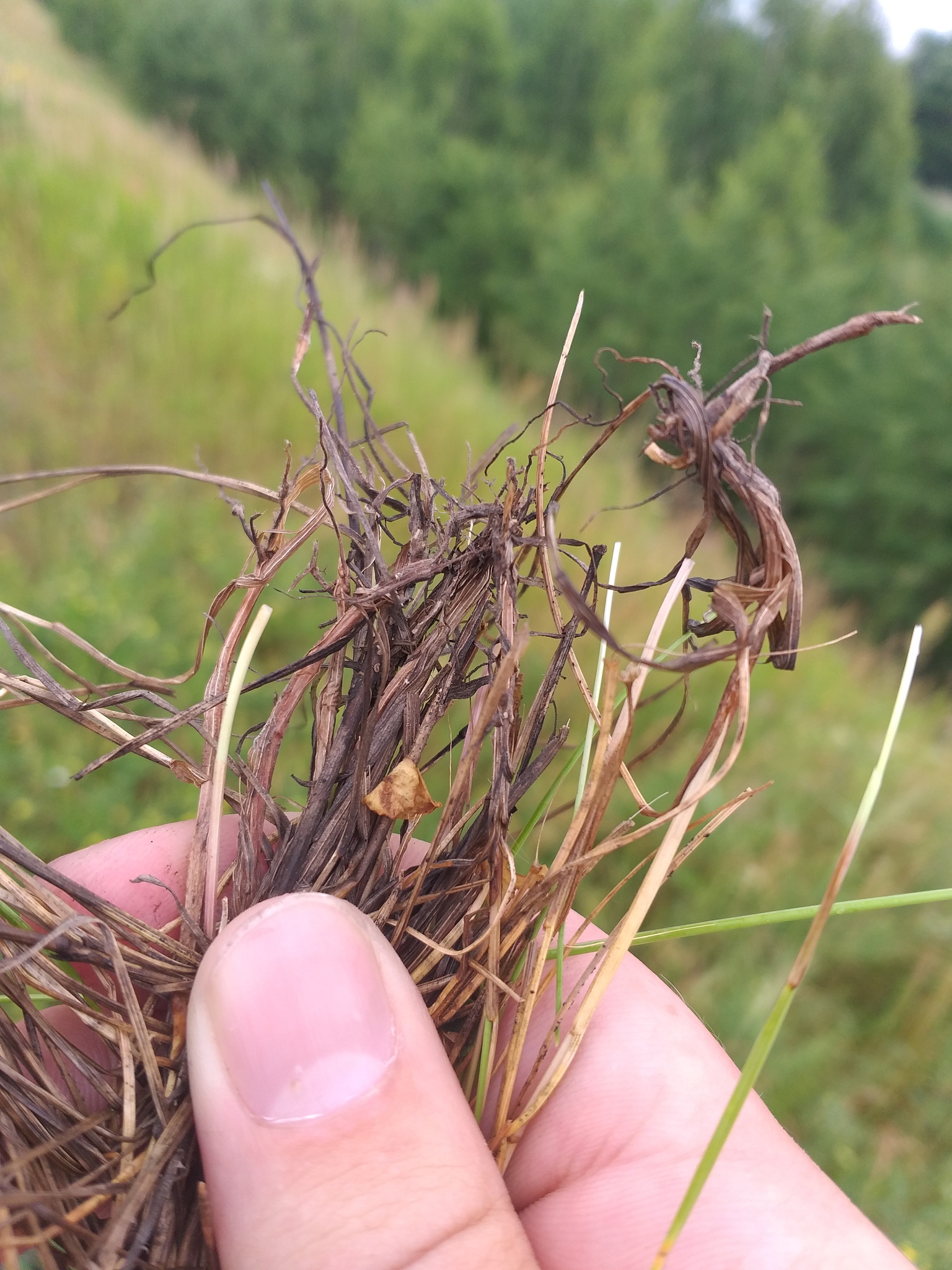
- Dethatch (If Necessary): Thatch is a layer of dead and living organic matter between the grass blades and the soil surface. A thick layer (more than 1/2 inch) can prevent water, nutrients, and new seeds from reaching the soil. Use a dethatching rake or a power dethatcher to remove excess thatch.
- Aerate (Highly Recommended): Aeration involves creating small holes in the soil, which helps alleviate compaction and allows air, water, and nutrients to penetrate deeper. This is especially beneficial before overseeding as it provides excellent pockets for seeds to settle into and germinate. You can rent a core aerator or hire a professional.
- Clear Debris: Rake up any remaining leaves, sticks, or other debris that could smother new seedlings.
- Address Weeds: While fall is less weed-prone, deal with any existing broadleaf weeds before overseeding. Avoid using pre-emergent herbicides for at least 6-8 weeks before and after overseeding, as they will prevent grass seeds from germinating. Spot-treat or hand-pull weeds.
- Soil Test (Optional but Recommended): A soil test will tell you your soil's pH and nutrient levels, allowing you to apply the correct amendments. Ideal pH for most cool-season grasses is between 6.0 and 7.0.
What Type of Grass Seed Should I Use, and How Do I Apply It?
Choosing the right grass seed is crucial for a successful overseeding project.
Select the Right Seed:
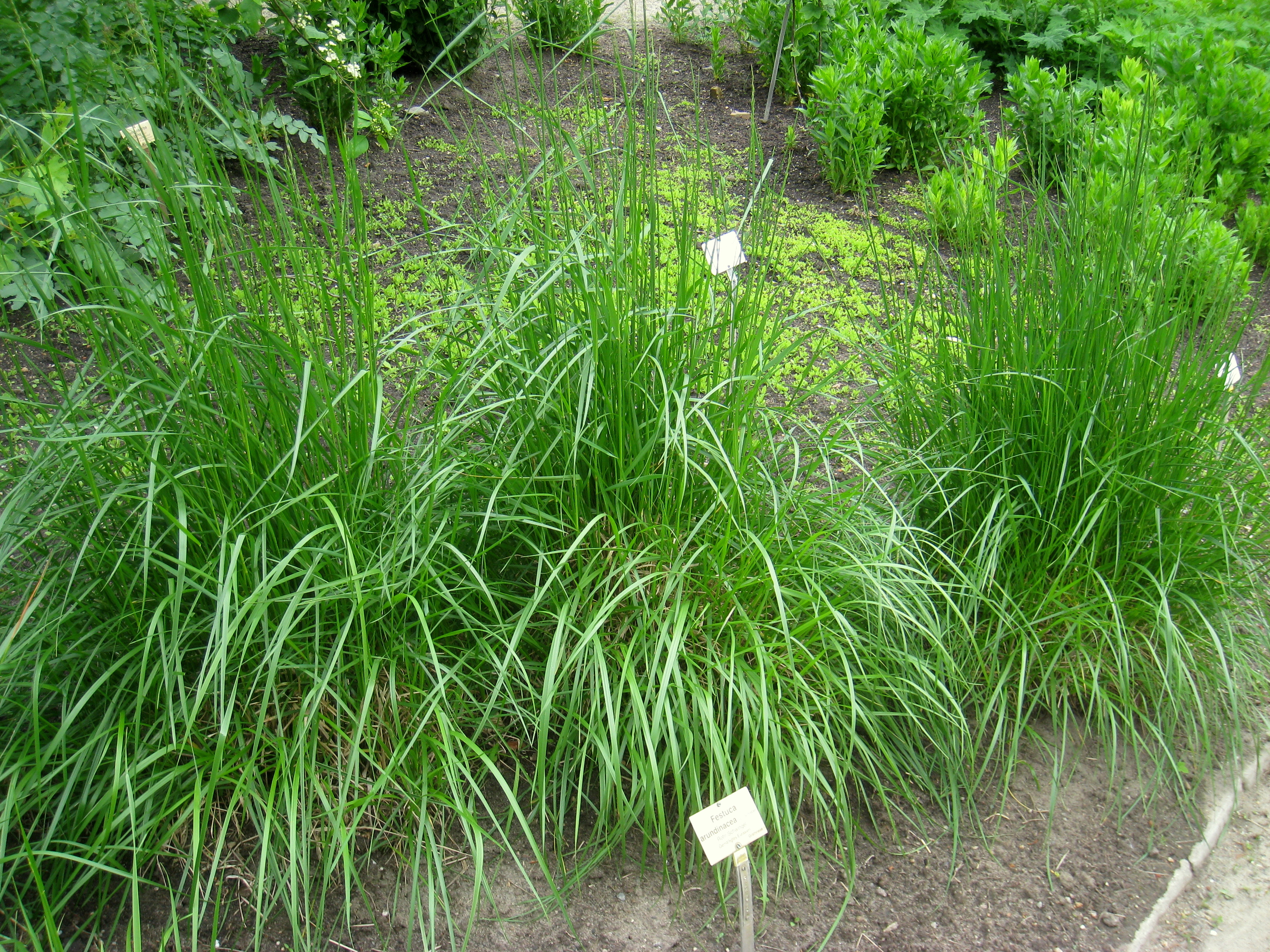
- Cool-Season Grasses: For most northern climates, you'll be working with cool-season grasses like Kentucky Bluegrass, Perennial Ryegrass, Fine Fescue, or Tall Fescue.
- Match Your Existing Lawn: Ideally, choose a seed blend that matches your existing lawn type for a uniform look.
- Consider Conditions: If you have shady areas, look for blends with more fescue. For high-traffic areas, perennial ryegrass or Kentucky bluegrass can be good choices.
- Quality Matters: Invest in high-quality, certified seed with a low percentage of "other crop" or "weed seed" listed on the label.
Calculate Seed Rate: Check the seed bag for the recommended overseeding rate (it's usually lower than the rate for establishing a new lawn). Typically, this is around 2-3 pounds per 1,000 square feet.
Apply the Seed:
- Spreader: Use a broadcast spreader or a drop spreader for even distribution. For smaller areas, you can hand-spread, but it's harder to get an even application.
- Cross-Hatch Pattern: To ensure even coverage, apply half the seed in one direction (e.g., north to south) and the other half in a perpendicular direction (east to west).
- Bare Spots: For particularly bare or thin areas, you can apply a slightly higher rate of seed or gently rake the seed into the top 1/4 inch of soil to ensure good seed-to-soil contact.
- Top-Dressing (Optional): After seeding, you can apply a thin layer (1/8 to 1/4 inch) of compost or peat moss over the seeded areas. This helps retain moisture and protects the seeds.
How Do I Care for My Newly Overseeded Lawn?
The first few weeks after overseeding are critical for germination and establishment.
- Watering is Key: This is the most important step. New seeds need consistent moisture to germinate.
- Initial Watering: Immediately after seeding, water thoroughly but gently to moisten the top 1-2 inches of soil without washing away the seeds.
- Frequent, Light Watering: For the first 2-3 weeks (or until seeds germinate), water lightly 2-3 times a day, just enough to keep the top 1/2 inch of soil consistently moist. Avoid heavy watering that can cause runoff or displace seeds.
- Deeper Watering: Once the seedlings are 1-2 inches tall, you can gradually transition to less frequent but deeper watering, encouraging roots to grow downward. Aim for about 1 inch of water per week, including rainfall.
- Fertilize: Apply a "starter" fertilizer specifically designed for new lawns. These fertilizers typically have a higher phosphorus content to promote root development. Apply according to package directions.
- Avoid Traffic: Stay off the newly seeded areas as much as possible for the first 3-4 weeks to allow the seedlings to establish without being crushed.
- First Mow: Wait until the new grass is at least 3-4 inches tall before its first mow. Set your mower to a high setting (at least 2.5-3 inches) and ensure the blades are sharp. Only remove the top one-third of the grass blade.
- Weed Control: Continue to avoid pre-emergent herbicides for at least 6-8 weeks after germination. If weeds become an issue, hand-pull them.
- Patience: Grass seed takes time to germinate and grow. Don't be discouraged if you don't see immediate results.
Quick Reference: Overseeding Checklist
| Step | Action | Timing |
|---|---|---|
| 1. Prep Lawn | Mow short (1.5-2"), dethatch, aerate, clear debris, address weeds. | 1 week before seeding |
| 2. Select Seed | Choose high-quality cool-season grass seed matching your lawn/conditions. | Before prep |
| 3. Apply Seed | Use a spreader, cross-hatch pattern, apply at recommended rate. | Late summer to early fall |
| 4. Water | Keep top 1/2" of soil consistently moist (2-3x/day) for 2-3 weeks. | Immediately after seeding & ongoing |
| 5. Fertilize | Apply starter fertilizer. | Immediately after seeding |
| 6. Avoid Traffic | Stay off new grass for 3-4 weeks. | Post-seeding |
| 7. First Mow | When grass is 3-4" tall, mow high (2.5-3"+). | Approx. 3-4 weeks post-germination |
By following these steps, you'll be well on your way to a thicker, healthier, and more vibrant lawn that will be the envy of your neighborhood come spring. Overseeding is an investment in your lawn's long-term health and beauty!
Ready to find the perfect plants for your yard? Try the PlantWise Plant Finder →