How to Overseed Your Lawn in Spring: Step-by-Step Guide
Overseeding your lawn in spring is a fantastic way to thicken up thin areas, improve turf density, and introduce new, more resilient grass varieties, ultimately leading to a healthier, more vibrant lawn. While fall is often considered the prime time for overseeding, spring can also be effective, especially if you missed the fall window or need to repair winter damage. The key to success lies in proper timing, preparation, and consistent aftercare to ensure good seed-to-soil contact and germination. This guide will walk you through each step to achieve a lush, green lawn this season.
🌱 Get Personalized Plant Picks
Answer a few quick questions and we’ll match plants to your exact yard conditions.
Find My Plants →Why Overseed Your Lawn in Spring?
Even well-maintained lawns can develop thin spots over time due to foot traffic, pet activity, disease, or insect damage. Overseeding replenishes these areas, preventing weeds from taking root and improving the overall appearance and health of your turf. Spring overseeding is particularly beneficial for:
- Repairing Winter Damage: Cold temperatures, snow mold, and ice can leave lawns looking sparse.
- Thickening Thin Areas: Boost the density of your existing lawn.
- Introducing New Grass Varieties: Improve disease resistance, drought tolerance, or shade adaptability.
- Missed Fall Window: If autumn overseeding wasn't possible, spring offers a second chance.
While spring overseeding can be successful, it does come with a few challenges, primarily competing with emerging weeds and the onset of summer heat. However, with the right approach, you can overcome these hurdles.
When is the Best Time to Overseed in Spring?
Timing is crucial for successful spring overseeding. You want to sow grass seed when soil temperatures are consistently between 50-65°F (10-18°C), which typically means air temperatures are in the 60s during the day. This usually falls between mid-March and late April in most temperate climates, but it can vary based on your specific region and local weather patterns.
- Cool-Season Grasses: For fescue, ryegrass, and Kentucky bluegrass, aim for early spring when the soil is warming but before summer's intense heat and weed pressure become too strong. This allows the new seedlings to establish before the stress of summer.
- Warm-Season Grasses: For Bermuda, Zoysia, and St. Augustine, late spring to early summer is more appropriate, as these grasses thrive in warmer temperatures. However, this guide focuses primarily on cool-season grasses, which are more commonly overseeded in spring.
Quick Reference: Ideal Spring Overseeding Conditions
| Factor | Ideal Conditions |
|---|---|
| Soil Temperature | 50-65°F (10-18°C) |
| Air Temperature | Daytime 60s°F (15-20°C) |
| Timing | Mid-March to late April (varies by region) |
| Weather | Mild, consistent moisture, avoid extreme heat or cold |
How Do I Prepare My Lawn for Overseeding?
Proper preparation is key to ensuring good seed-to-soil contact, which is essential for germination. Don't skip these steps!
Mow Your Lawn Low: Cut your grass shorter than usual, ideally to 1.5-2 inches. This exposes the soil to more sunlight and allows the new seedlings to get established without competition from taller existing grass. Bag the clippings to prevent them from smothering the new seeds.
Dethatch (If Necessary): If you have a thick layer of thatch (more than half an inch of dead organic material between the grass blades and soil surface), it can prevent water and nutrients from reaching the soil and inhibit seed germination. Use a dethatcher or a rake to remove excess thatch.
Aerate (Highly Recommended): Aeration creates small holes in the soil, relieving compaction and allowing air, water, and nutrients to penetrate deeper. This is incredibly beneficial for new grass seeds, giving them a better environment to root. You can rent a core aerator or hire a professional. If aerating, do it before spreading seed.
Clear Debris: Rake up any leaves, sticks, or other debris that could impede seed-to-soil contact.
Address Weeds (Carefully): This is where spring overseeding gets tricky. Most pre-emergent herbicides, which prevent weed seeds from germinating, will also prevent your new grass seeds from germinating.
- Option 1 (Best): Avoid pre-emergents in areas you plan to overseed for at least 6-8 weeks prior. Hand-pull any existing weeds.
- Option 2 (Compromise): If crabgrass is a major issue, you can apply a "starter fertilizer with weed control" specifically designed for new grass, but read labels very carefully to ensure it won't harm new seedlings. This is often a gamble.
- Option 3 (Post-Emergent): Deal with weeds after your new grass is established (at least 2-3 mowings).
Soil Test (Optional but Recommended): A soil test will tell you about your soil's pH and nutrient levels. Adjusting these before seeding can significantly improve results. Amend as recommended by the test results.
Which Grass Seed Should I Use for Spring Overseeding?
Choosing the right grass seed is vital for a successful lawn. Consider your climate, sun exposure, and desired lawn characteristics.
Cool-Season Grasses (Northern Climates):
- Kentucky Bluegrass: Dense, beautiful, but needs full sun and more water.
- Perennial Ryegrass: Quick to germinate, good for high-traffic areas, often mixed with bluegrass.
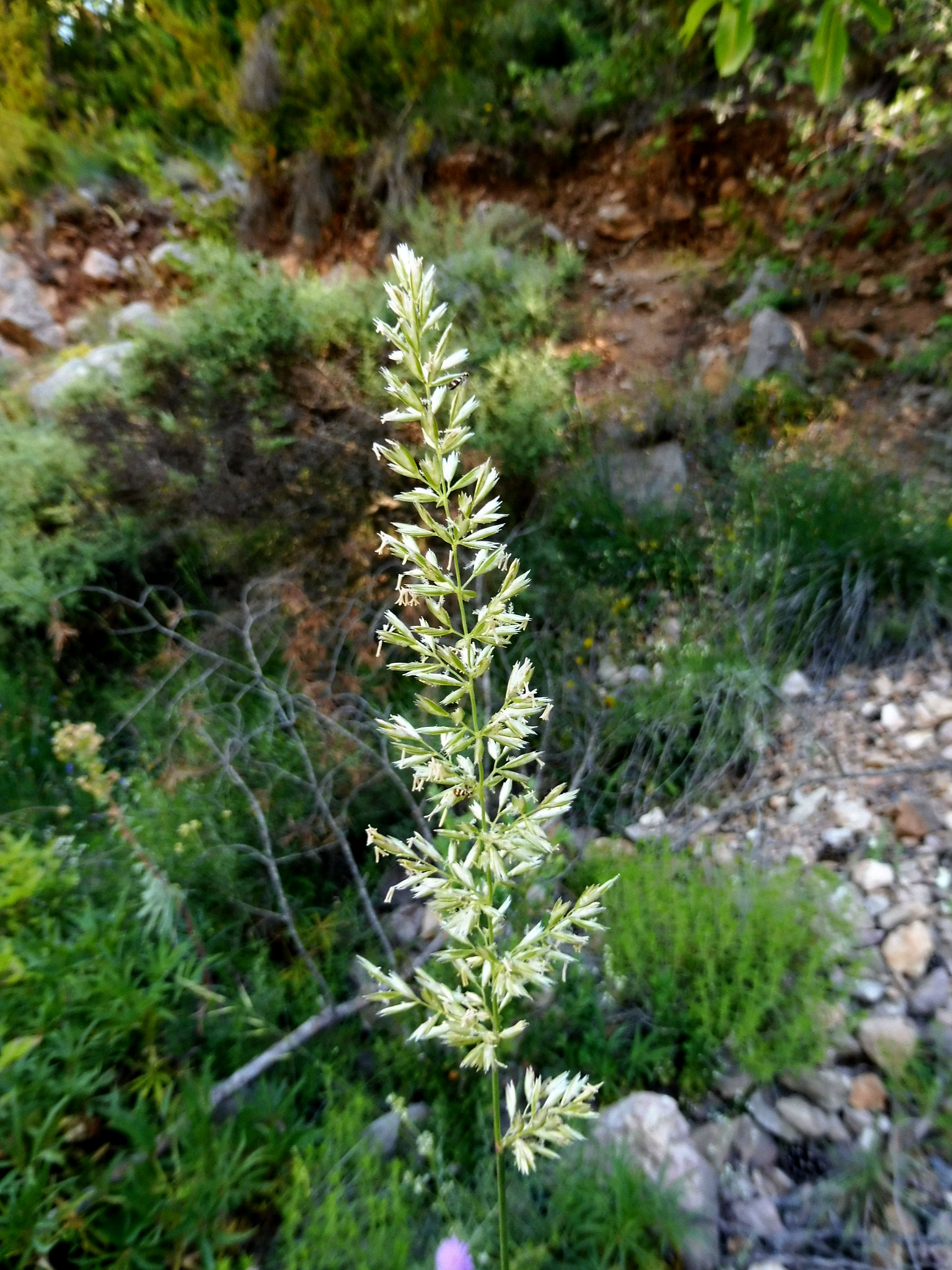
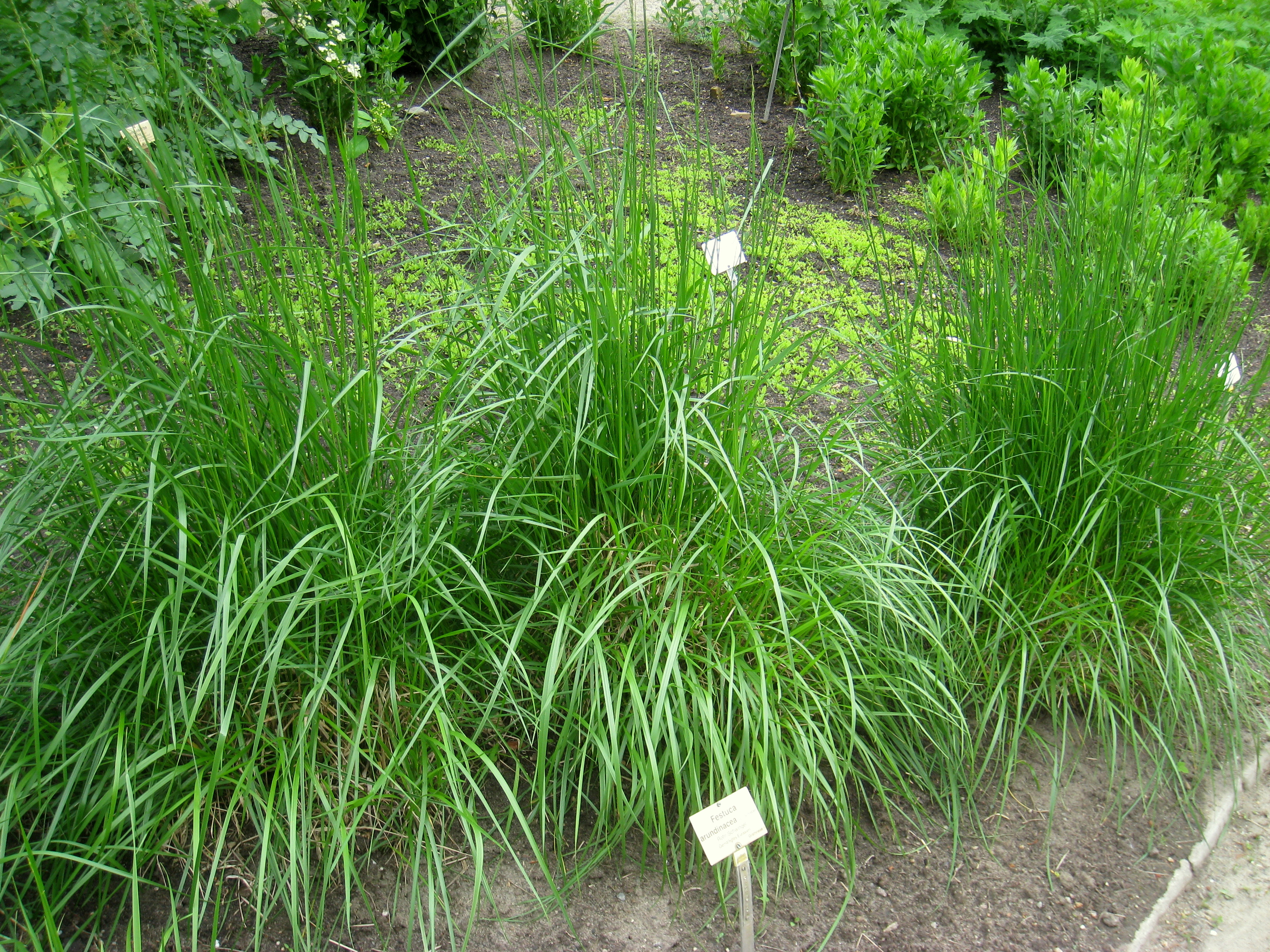
- Tall Fescue: Drought-tolerant, heat-tolerant, good in sun or light shade.
- Fine Fescue: Best for shady areas, low maintenance.
- Blends: Often, a mix of these varieties (e.g., a "sun and shade" mix) will provide the best overall performance and resilience.
Warm-Season Grasses (Southern Climates):
- Bermudagrass: Very heat and drought tolerant, needs full sun.
- Zoysiagrass: Dense, low-maintenance, good drought tolerance.
- Centipedegrass: Low-maintenance, needs less fertilizer, not as cold tolerant.
- St. Augustinegrass: Coarse texture, good in heat and some shade, often planted as sod.
Pro Tip: Look for high-quality seed with a low percentage of "other crop" and "weed seed" on the label. Consider disease-resistant varieties.
How Do I Apply the Grass Seed and Starter Fertilizer?
Once your lawn is prepped and you've chosen your seed, it's time to sow!
Apply Starter Fertilizer: Use a starter fertilizer specifically formulated for new lawns. These are high in phosphorus, which promotes root development. Apply according to package directions before or at the same time as you spread the seed.
Spread the Seed:
- Hand Spreader: Good for small areas or patching.
- Broadcast Spreader: Ideal for medium to large lawns, provides even coverage.
- Drop Spreader: Most precise, good for avoiding garden beds, but can leave lines if not operated carefully.
Follow the seeding rate recommended on your grass seed package. It's often helpful to divide the seed in half and apply it in two passes, one perpendicular to the other, to ensure even coverage.
Lightly Rake or Roll: After spreading, lightly rake the seeded areas to ensure good seed-to-soil contact. You want about 10-20% of the seed to remain visible. For larger areas, you can use a lawn roller (lightly weighted) to press the seeds into the soil.
Topdressing (Optional but Beneficial): For best results, especially in bare spots, apply a thin layer (1/8 to 1/4 inch) of compost or peat moss over the newly seeded areas. This helps retain moisture, protects the seeds from birds, and provides nutrients.
What is the Best Watering Schedule for New Grass Seed?
Watering is the most critical factor for successful germination. New grass seed needs consistent moisture to sprout and establish.
Initial Watering: Immediately after seeding, water thoroughly but gently. You want the top inch of soil to be moist, but avoid creating puddles or washing away seeds.
Consistent Moisture: For the first 2-3 weeks (until seeds germinate and seedlings are about 1 inch tall), keep the top 1/2 inch of soil consistently moist. This often means watering 2-3 times a day for 5-10 minutes each time, depending on temperature and sun. The goal is to prevent the seeds from drying out.
Deepening Roots: Once the seedlings are established and growing, gradually reduce the frequency of watering but increase the duration. This encourages deeper root growth. Aim for once a day, then every other day, then 2-3 times a week, providing about 1 inch of water per week.
Avoid Overwatering: While moisture is essential, too much water can lead to fungal diseases. The soil should be moist, not soggy.
Important Considerations:
- Mowing: Wait until the new grass is at least 3-4 inches tall before its first mow. Ensure your mower blades are sharp. Raise your mower deck to its highest setting.
- Weed Control: Avoid applying broadleaf weed killers until your new grass has been mowed at least 2-3 times, or consult the product label for specific instructions.
- Traffic: Keep foot traffic, pets, and lawn equipment off the newly seeded areas as much as possible for the first 4-6 weeks.
- Fertilizing: After the initial starter fertilizer, wait about 6-8 weeks before applying a general lawn fertilizer.
By following these steps, you can successfully overseed your lawn in spring and enjoy a thicker, healthier, and more resilient turf as the season progresses.
Ready to find the perfect plants for your yard? Try the PlantWise Plant Finder →