How to Stop Deer From Eating Your Garden (Without a Fence)
Deer can be beautiful to behold, but their insatiable appetites can quickly turn a lush garden into a barren wasteland. If you're looking to protect your plants without resorting to an unsightly or expensive fence, there are several effective strategies you can employ. The most successful approach often involves a combination of deer-resistant plant selection, strategic use of repellents, physical barriers, and smart garden design. While no plant is truly deer-proof, and no single method guarantees 100% success, integrating these techniques can significantly reduce deer damage and help you reclaim your garden.
Deer are creatures of habit and opportunity. They are most likely to browse plants that are easily accessible and palatable. By making your garden less appealing and more challenging for them, you can encourage them to seek their meals elsewhere. Let's explore the best ways to deter these hungry visitors.
🌱 Get Personalized Plant Picks
Answer a few quick questions and we’ll match plants to your exact yard conditions.
Find My Plants →What Makes a Plant "Deer-Resistant," and How Do I Choose Them?
Deer-resistant plants are those that deer tend to avoid due to their taste, texture, or scent. While a hungry deer might nibble on almost anything, certain characteristics make plants less appealing. Generally, deer dislike plants that are:
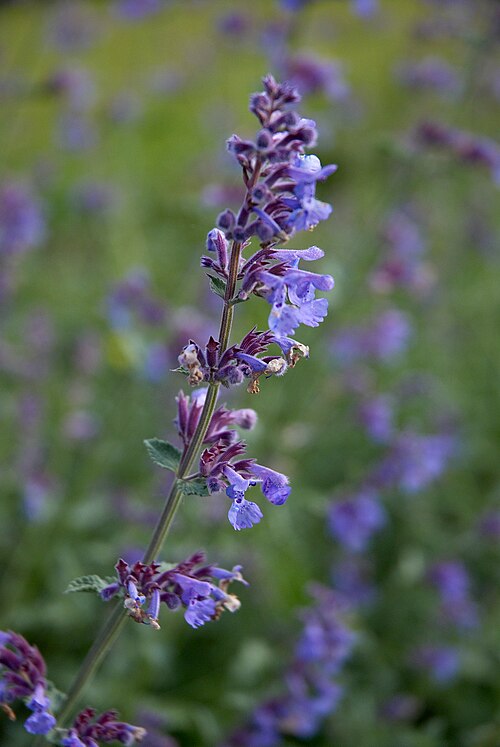
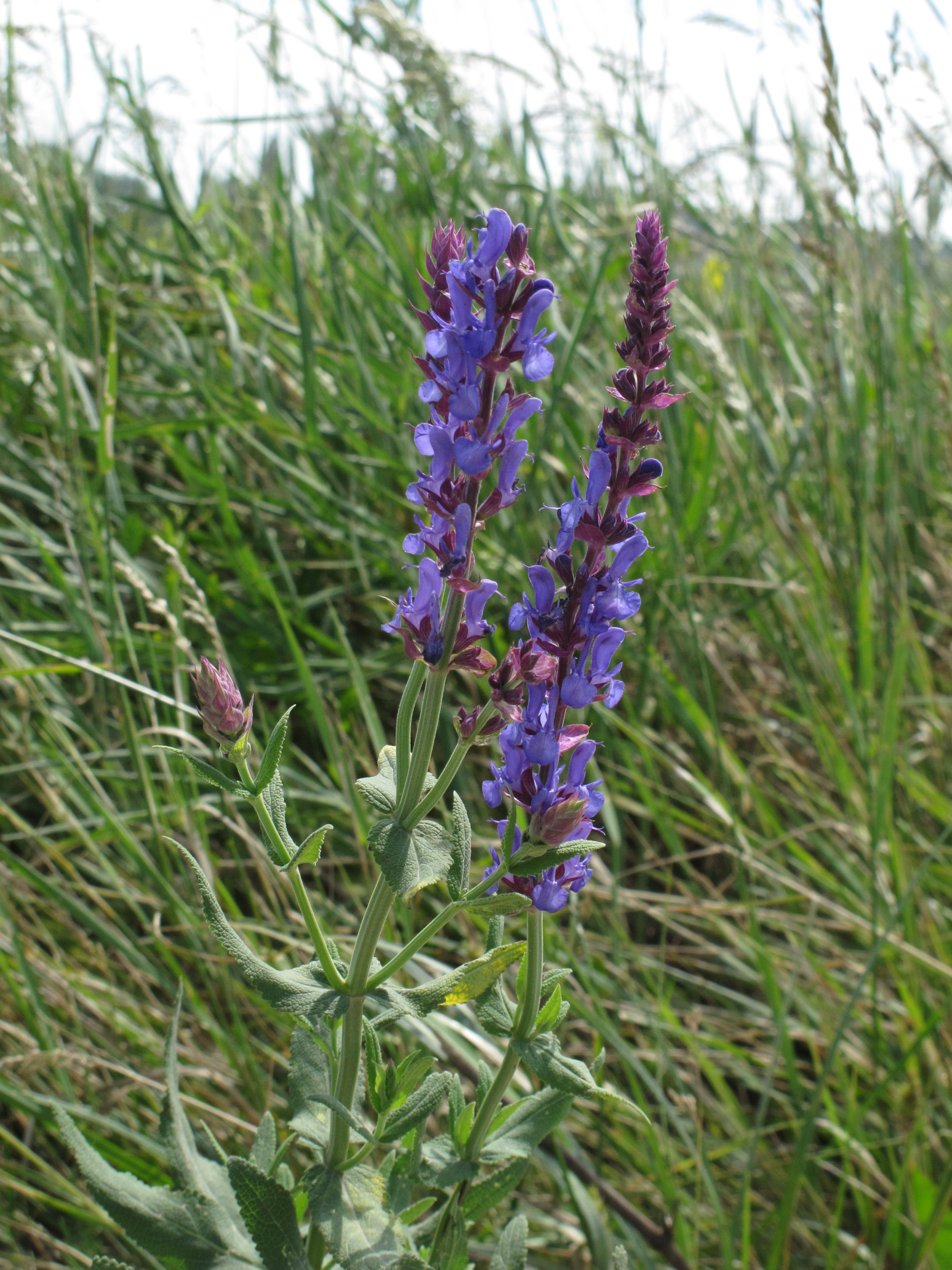
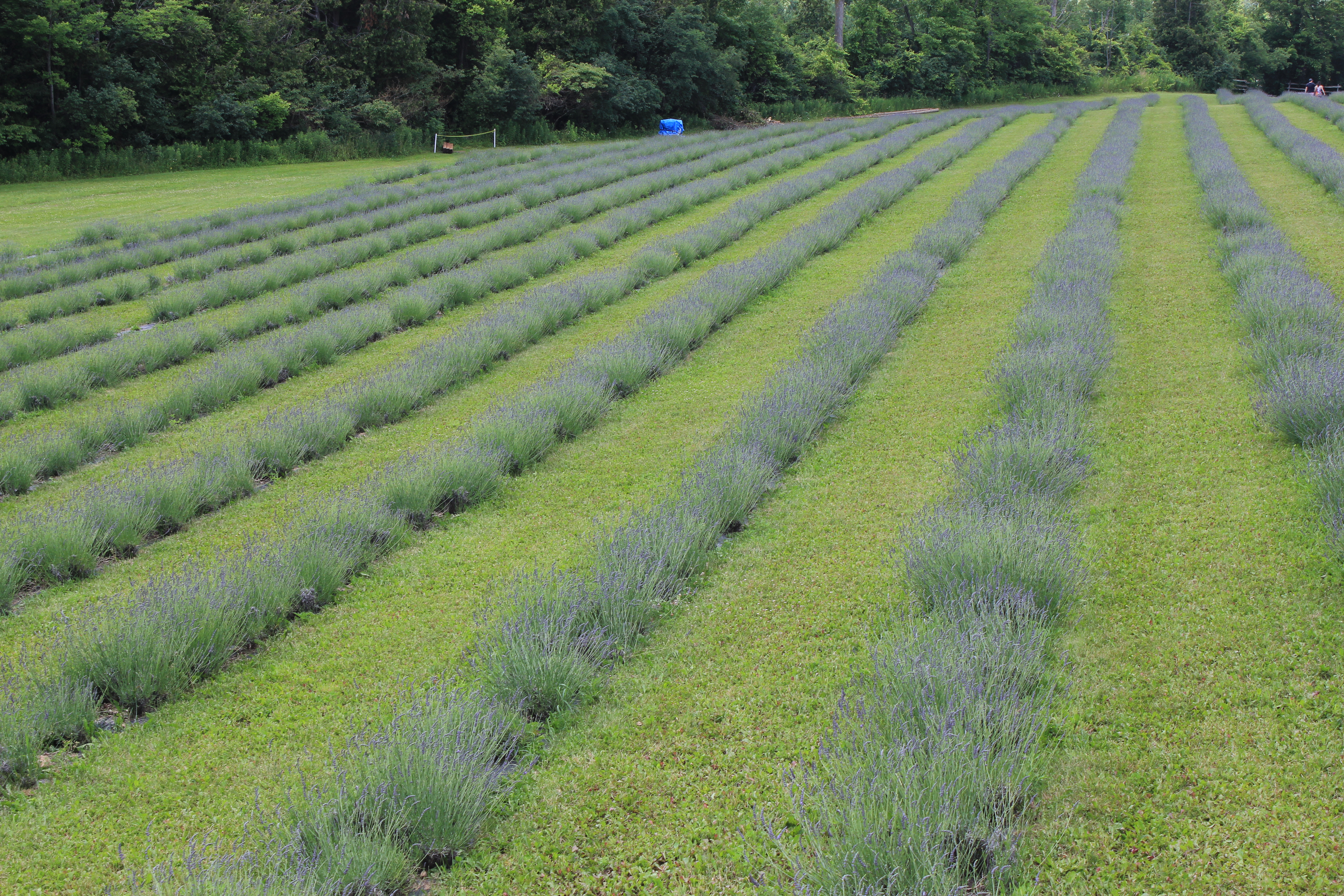
- Aromatic: Strong-smelling herbs like lavender, rosemary, and mint, or flowers with pungent scents, often deter deer.
- Fuzzy or Thorny: Plants with hairy, prickly, or thorny leaves and stems are unpleasant for deer to chew. Think lamb's ear or roses (though they might still browse the tender new growth).
- Toxic: Many plants that are toxic to deer (and often to humans or pets) are naturally avoided. However, it's crucial to research toxicity for pets and children before planting.
- Tough or Leathery: Plants with tough, leathery leaves are simply harder for deer to digest.
When planning your garden, prioritize these types of plants, especially around the perimeter or as a buffer for more vulnerable species. Remember, young, tender growth on any plant is often more susceptible to deer browsing than mature foliage.
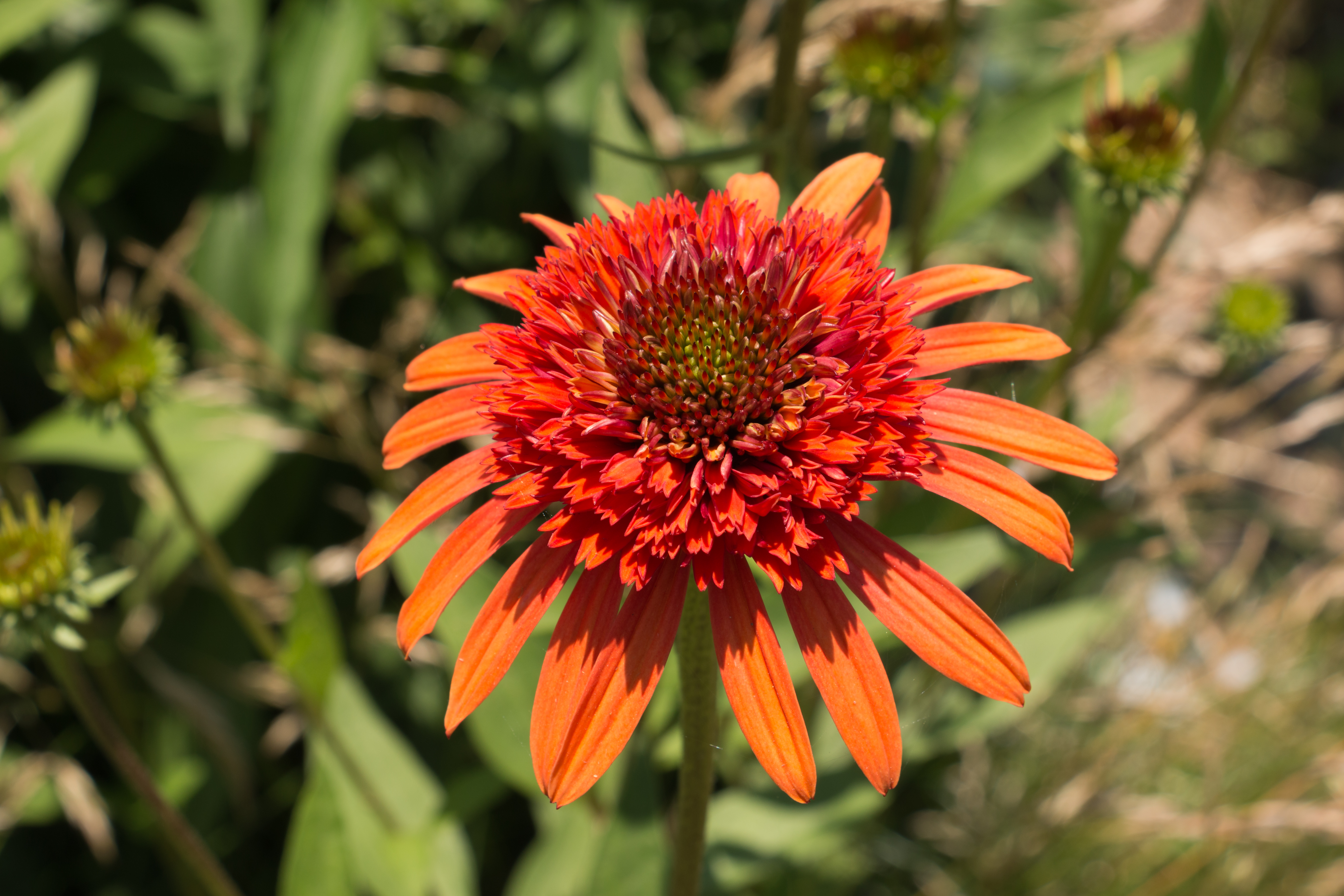
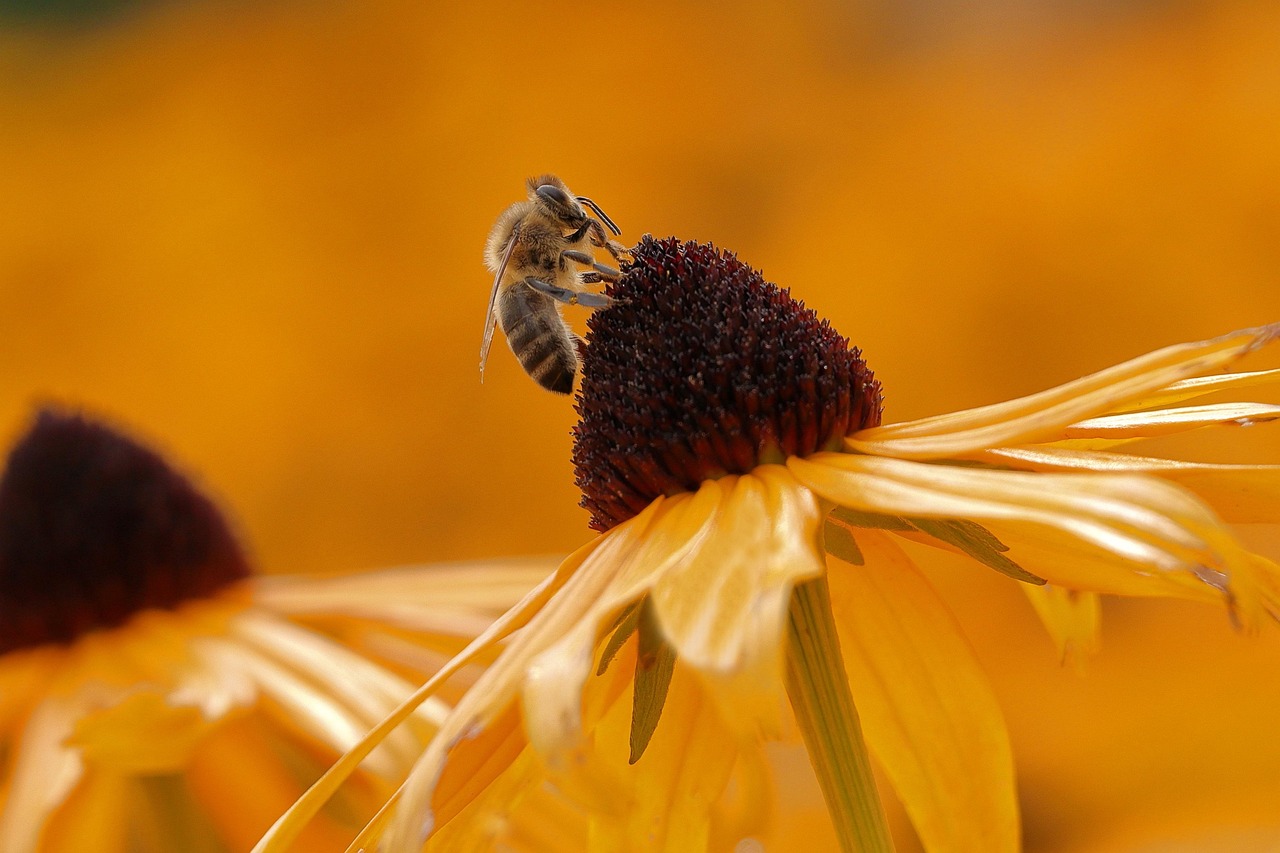
Here are some popular and beautiful deer-resistant options to consider:
How Effective Are Deer Repellents, and Which Ones Should I Use?
Deer repellents can be a highly effective tool in your deer deterrence arsenal, but their success depends on consistent application and understanding their limitations. Repellents work in one of two ways: by making the plants taste bad (contact repellents) or by emitting an odor that signals danger or unpleasantness to deer (area repellents).
Types of Repellents:
- Taste Repellents: These are applied directly to the plants and make them unpalatable. Common ingredients include putrescent egg solids, hot pepper (capsaicin), or denatonium benzoate (a bittering agent). They are generally very effective but need to be reapplied after rain or new growth.
- Odor Repellents: These work by creating a scent that deer find offensive or alarming. Ingredients often include predator urine, blood meal, or strong essential oils. They can be good for creating a perimeter but might not deter a determined deer from a specific plant.
Tips for Using Repellents:
- Rotate Repellents: Deer can become accustomed to a particular scent or taste over time. Switching between different types of repellents every few weeks can maintain their effectiveness.
- Apply Consistently: Follow product instructions carefully. Most repellents need reapplication every 2-4 weeks, or more frequently after heavy rain or when new growth emerges.
- Apply Before Damage Occurs: It's easier to prevent deer from developing a taste for your plants than to break an established feeding habit. Start applying repellents early in the season.
- Target Vulnerable Plants: Focus your repellent efforts on plants that deer particularly enjoy or those that are most expensive or difficult to replace.
Homemade Repellents: Many gardeners swear by homemade concoctions like rotten egg and water mixtures, soap flakes, or even human hair. While these can offer some temporary deterrence, their effectiveness is often less reliable and shorter-lived than commercial products.
Can Physical Barriers and Garden Design Really Help Without a Fence?
Absolutely! While a full fence might be out of the question, smaller, strategic physical barriers and thoughtful garden design can make a big difference.
Individual Plant Protection:
- Netting or Cages: For young trees, shrubs, or particularly prized plants, individual netting or wire cages can provide excellent protection. Ensure the netting is taut and secured to the ground so deer can't push it aside.
- Tree Guards: Protect young tree trunks from antler rubbing (especially in fall) with plastic tree guards or wire mesh.
Strategic Planting and Design:
- Plant in Layers: Place highly desirable plants closer to your house or within a dense planting of deer-resistant species. Create "buffer zones" of plants deer dislike around the perimeter of your garden beds.
- Raised Beds: While not deer-proof, raised beds can sometimes make access slightly more difficult for deer, especially if they are tall enough.
- Dense Plantings: Deer prefer open areas where they can easily move and spot predators. Dense, mixed plantings can make them feel less secure and harder to navigate.
- Pathways and Obstacles: Incorporate gravel paths, low walls, or even large decorative boulders around your garden. These can create noise or obstacles that deer find inconvenient, making them less likely to enter.
- Motion-Activated Sprinklers: These devices detect movement and spray a burst of water, startling deer and encouraging them to leave. They are particularly effective for smaller areas or specific problem spots.
Quick Reference: Deer Deterrence Strategies
| Strategy | Description | Best For | Considerations |
|---|---|---|---|
| Deer-Resistant Plants | Choosing plants deer naturally avoid due to taste, texture, or scent. | Long-term, sustainable deterrence. | No plant is truly "deer-proof"; young growth is always vulnerable. Research plant characteristics carefully. |
| Repellents (Taste) | Applied directly to plants, making them unpalatable. (e.g., putrescent egg, capsaicin) | Protecting specific, highly desirable plants. | Reapply after rain/new growth. Rotate products to prevent habituation. |
| Repellents (Odor) | Emit scents deer find offensive or alarming. (e.g., predator urine, blood meal) | Creating a perimeter or deterring deer from an area. | Less effective on very hungry deer. Reapply regularly. |
| Individual Barriers | Netting, cages, or tree guards around specific plants. | Protecting young trees, shrubs, or high-value plants. | Can be unsightly if not integrated well. Requires maintenance. |
| Motion-Activated Sprinklers | Detects movement and sprays water, startling deer. | Small areas, specific entry points, or deterring nocturnal visits. | Can be triggered by pets or wind. Water usage. |
| Garden Design | Layered planting, dense beds, buffer zones of deer-resistant plants, obstacles. | Long-term, aesthetic integration of deterrence. | Requires planning and potentially re-arranging existing beds. |
| Disturbances | Leaving a radio playing, wind chimes, or other unexpected noises (less reliable). | Temporary deterrence for specific events (e.g., new planting). | Deer can quickly habituate to constant noise. |
What Other Tips Can Help Keep Deer Away From My Yard?
Beyond the main strategies, a few other practices can contribute to a deer-free garden:
- Remove Attractants: Fallen fruit, birdseed, and pet food can all attract deer. Keep your yard clean and store pet food indoors.
- Consider Companion Planting: While not a guaranteed solution, some gardeners believe planting strong-smelling herbs like garlic, chives, or mint near vulnerable plants can offer some protection.
- Be Vigilant: Regularly inspect your garden for signs of deer damage. The sooner you notice a problem, the sooner you can address it and prevent further browsing.
- Understand Deer Behavior: Deer are most active at dawn and dusk. If you're seeing damage, consider what might be attracting them during these times. They also tend to follow established trails, so look for signs of their paths into your yard.
- Don't Over-Fertilize: Lush, tender new growth produced by excessive fertilization is particularly appealing to deer. Fertilize judiciously.
Stopping deer from eating your garden without a fence requires a multi-pronged, adaptive approach. By combining deer-resistant plant choices, consistent use of repellents, strategic physical barriers, and smart garden design, you can significantly reduce damage and enjoy your garden as intended. Remember, persistence is key, and what works for one gardener might need adjustment for another, depending on local deer pressure and habits.
Ready to find the perfect plants for your yard? Try the PlantWise Plant Finder →