FTC Disclosure: This post contains affiliate links. As an Amazon Associate, PlantWise may earn from qualifying purchases.
If you're gardening in USDA hardiness Zone 5 and want to attract hummingbirds, selecting cold-hardy, nectar-rich plants is key. The 7 best hummingbird plants for Zone 5 provide vibrant blooms from early spring through late fall, offering essential food sources during migration and breeding seasons. These plants thrive in cooler climates while supplying abundant nectar, making your garden a hummingbird hotspot.
Why Choose Hummingbird Plants for Zone 5?
Zone 5 experiences cold winters with minimum temperatures ranging from -20°F to -10°F (-29°C to -23°C). Not all flowering plants survive such conditions, so choosing species that are cold-hardy ensures your garden will bloom reliably year after year. Additionally, hummingbirds require a continuous nectar supply from early spring to late autumn. Planting a mix of early, mid, and late-season bloomers guarantees these tiny pollinators find nourishment during their long migrations.
🌱 Get Personalized Plant Picks
Answer a few quick questions and we’ll match plants to your exact yard conditions.
Find My Plants →Top 7 Hummingbird Plants for Zone 5
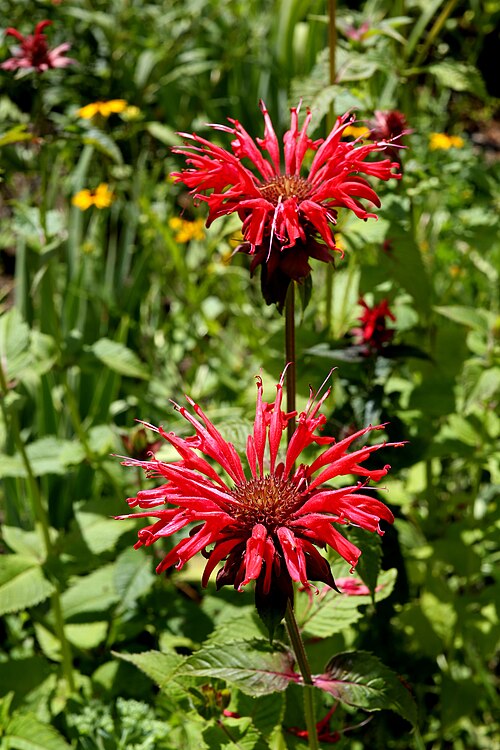
1. Bee Balm (Monarda didyma)
Bee Balm is a classic hummingbird magnet with its tubular red, pink, or purple flowers that burst into bloom in mid-summer. This perennial thrives in Zone 5, tolerating cold winters while attracting hummingbirds, bees, and butterflies. Its fragrant foliage also deters deer and rabbits, making it a resilient garden choice.
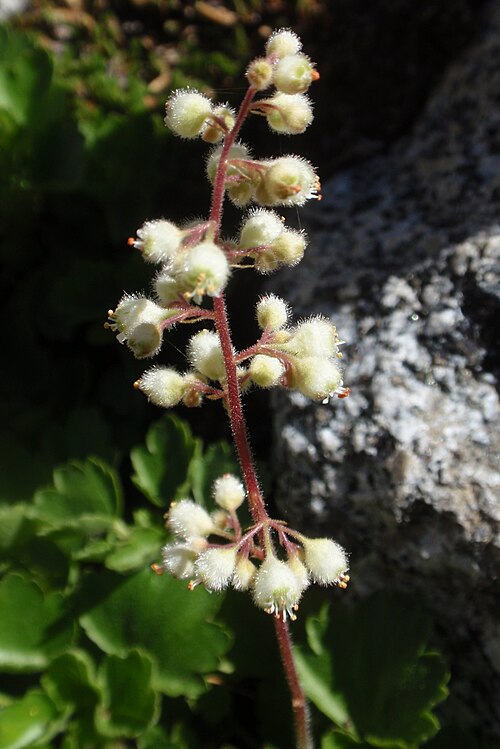
2. Coral Bells (Heuchera americana)
Coral Bells produce delicate spikes of bell-shaped flowers in shades of coral, pink, or white from late spring through summer. Native to North America, this perennial grows well in Zone 5 and prefers partial shade, making it ideal for woodland or shaded garden spots. The nectar-rich blooms draw hummingbirds while the foliage adds attractive texture.
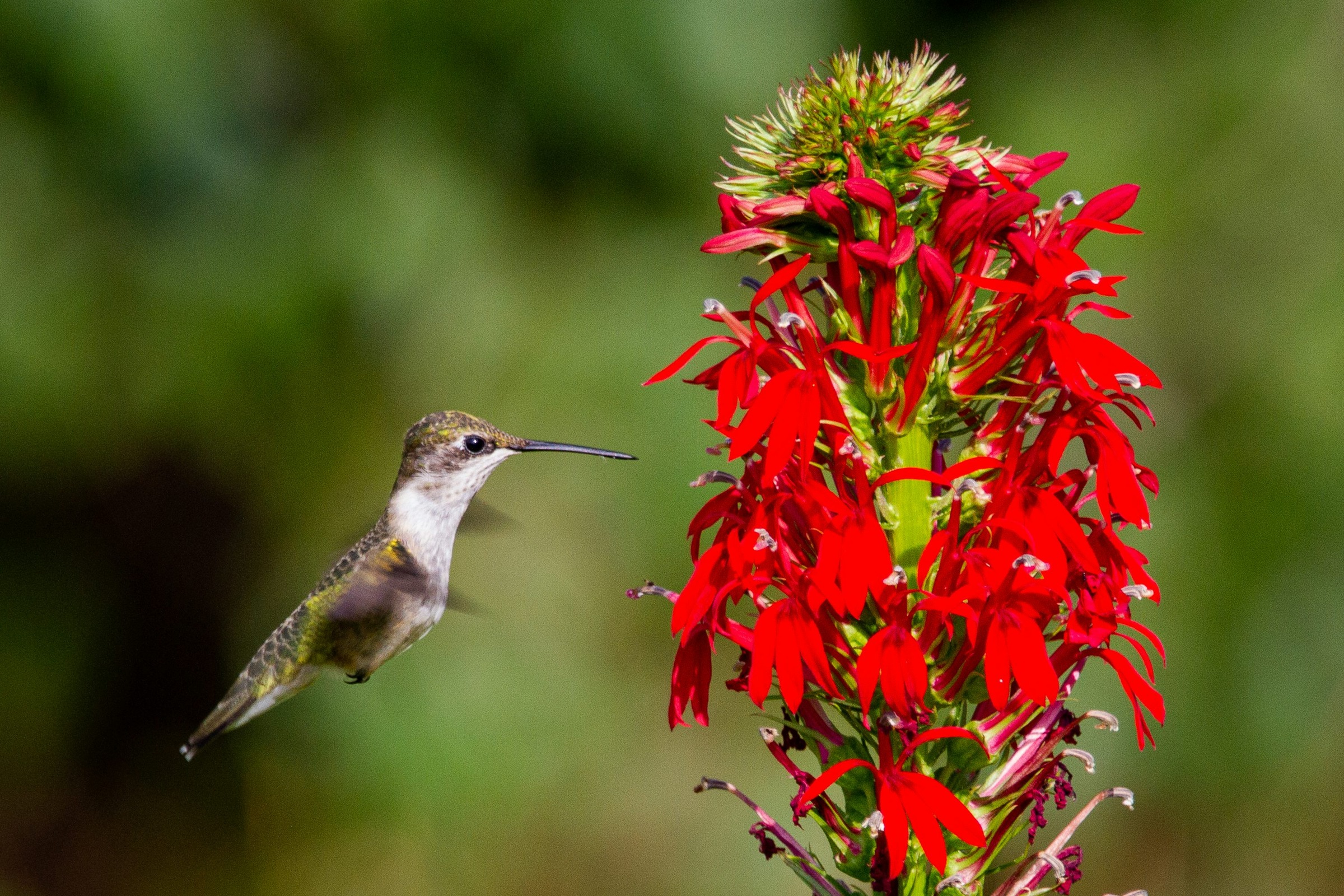
3. Cardinal Flower (Lobelia cardinalis)
Known for its intense red flowers, Cardinal Flower is a hummingbird favorite. It blooms in late summer to early fall, providing a crucial nectar source when many other plants are fading. This native perennial thrives in moist soils and can tolerate partial sun to full sun, making it perfect for rain gardens or near water features.
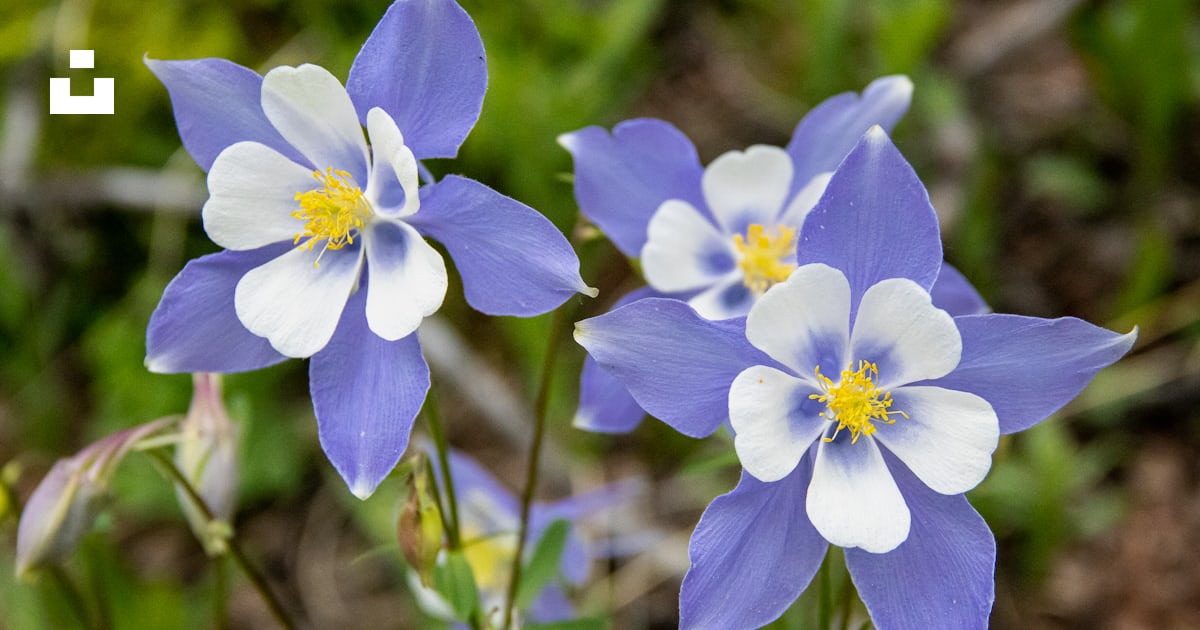
4. Columbine (Aquilegia canadensis)
Columbine’s unique, bell-shaped flowers with long spurs come in vibrant red and yellow hues. Blooming in late spring, Columbine is hardy in Zone 5 and prefers well-drained soils with partial shade. This plant attracts early-season hummingbirds and adds a whimsical touch to the garden.
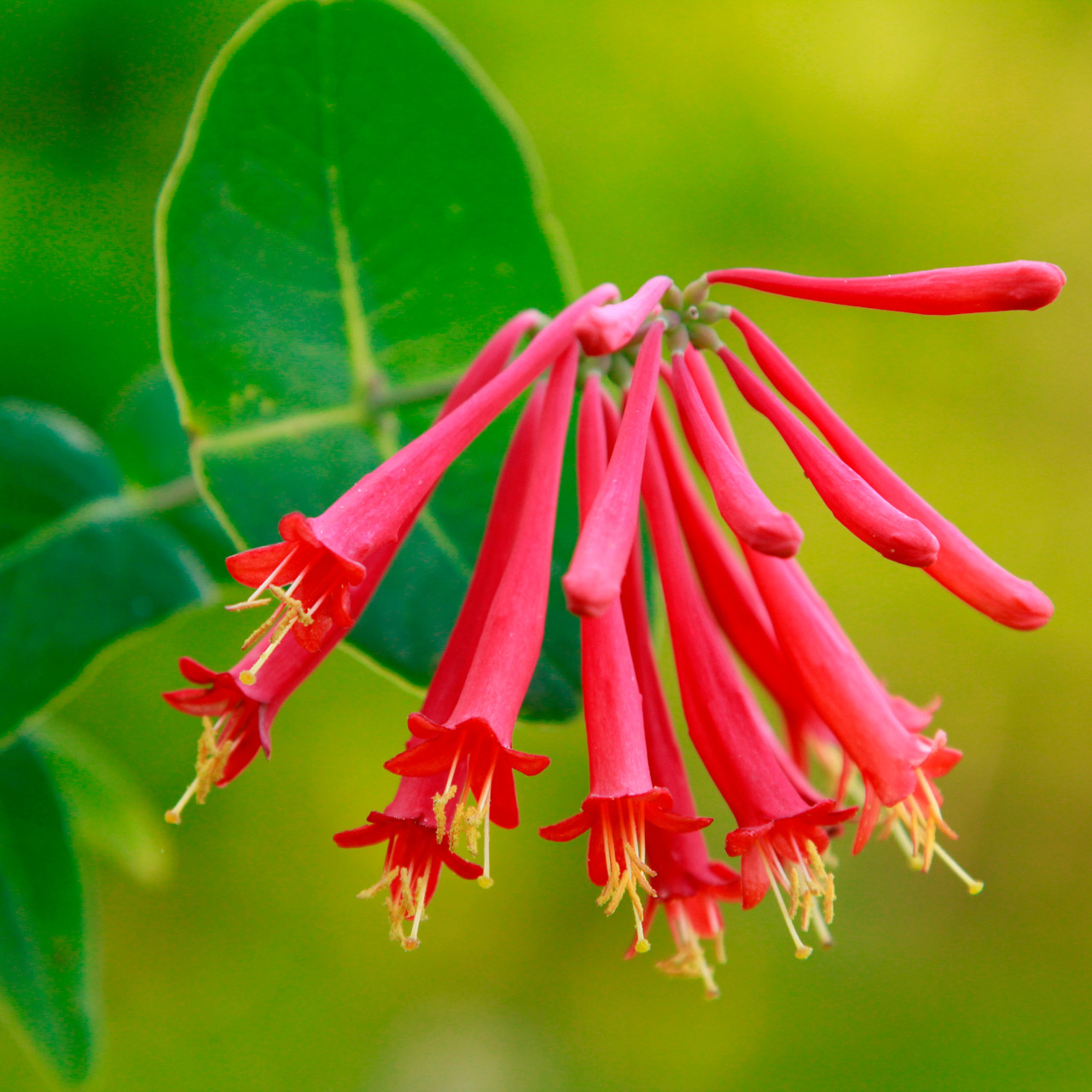
5. Trumpet Honeysuckle (Lonicera sempervirens)
This deciduous vine produces clusters of trumpet-shaped red or orange flowers from late spring through summer. It is cold-hardy to Zone 5 and is a superb choice for vertical spaces like trellises or fences. The nectar-rich blooms are irresistible to hummingbirds, and it’s less invasive than its cousin, Japanese honeysuckle.
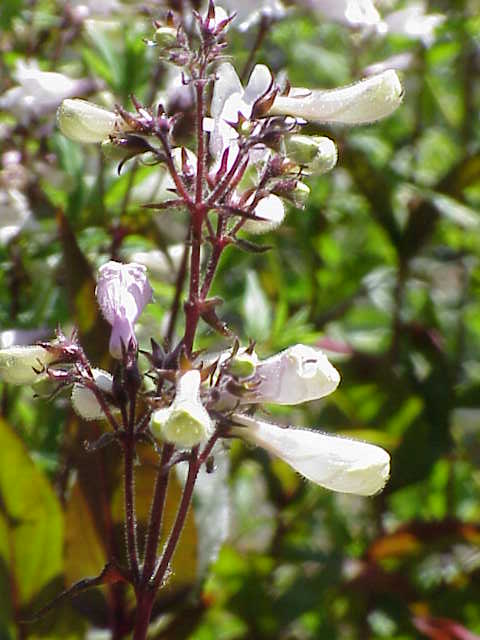
6. Penstemon (Penstemon digitalis)
Also called Beard-tongue, Penstemon digitalis features tubular white to pink flowers from late spring to early summer. This native perennial tolerates cold winters and dry soils, making it an excellent choice for Zone 5 gardens. It draws hummingbirds and other pollinators while adding a graceful vertical element.
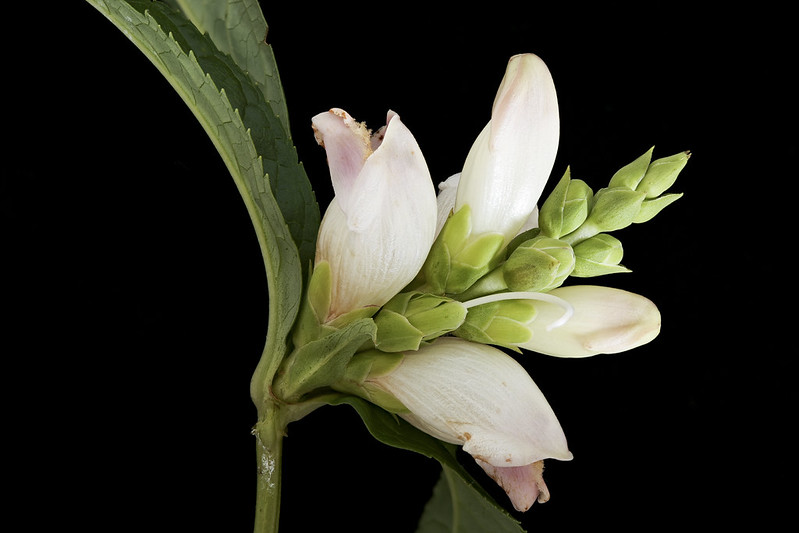
7. Turtlehead (Chelone glabra)
Turtlehead is a late-summer bloomer with unique, turtle-shell shaped flowers in pink or white. It prefers moist soils and partial shade and thrives in Zone 5. This perennial rounds out your hummingbird garden by providing nectar when many other plants have finished blooming.
Tips for Creating a Thriving Hummingbird Garden in Zone 5
- Plant a succession of bloom times: Combine early, mid, and late-season plants to ensure hummingbirds have nectar throughout their active months.
- Choose native plants: Native species like Cardinal Flower and Columbine are adapted to local climate and soil, providing optimal nutrition and habitat.
- Provide water: A shallow birdbath or dripper attracts hummingbirds and helps them stay hydrated.
- Avoid pesticides: These chemicals harm pollinators and reduce nectar availability.
- Add perches and shelter: Small shrubs or trees nearby offer hummingbirds places to rest and hide from predators.
Pet Safety and Wildlife Resistance Notes
While many hummingbird plants are generally not listed as toxic to pets, it’s important to note that no plant is entirely "safe" or "non-toxic." If your pets ingest any garden plants and show symptoms such as vomiting, drooling, or lethargy, contact the ASPCA Animal Poison Control Center at 888-426-4435 immediately. Additionally, while these plants attract hummingbirds, they may not fully deter deer, rabbits, or groundhogs, which can damage your garden.
Conclusion
Planting the right cold-hardy hummingbird plants in Zone 5 can transform your garden into a vibrant haven for these mesmerizing pollinators. The seven plants highlighted here provide nectar from early spring through fall, ensuring hummingbirds have abundant resources throughout their migration and breeding seasons. By integrating these species and following gardening best practices, you’ll enjoy increased pollinator activity and a more ecologically balanced yard.
Ready to find the best hummingbird plants for your specific garden conditions? Try the PlantWise Plant Finder wizard at /wizard to get personalized plant recommendations tailored to your zone, soil, and sun exposure.