FTC Disclosure: This post contains affiliate links. If you make a purchase through these links, we may earn a small commission at no extra cost to you.
If you garden in USDA Zone 6 and want to attract hummingbirds, choosing the right plants is key. The 7 best hummingbird plants for Zone 6 provide abundant nectar throughout the growing season, supporting ruby-throated hummingbirds during their spring migration and fall departure. These plants thrive in Zone 6’s climate, bloom at different times to extend nectar availability, and feature tubular flowers that hummingbirds love. Incorporating these species will create a vibrant, hummingbird-friendly garden that delights both you and these tiny pollinators.
Why Choose Hummingbird Plants for Zone 6?
Zone 6 experiences cold winters with minimum temperatures ranging from -10°F to 0°F (-23°C to -18°C), so plants must be hardy to survive frost and snow. Hummingbirds rely on nectar-rich flowers as an energy source during migration and breeding seasons. By selecting plants adapted to Zone 6, you ensure they survive and bloom reliably each year, providing a steady nectar supply.
Additionally, Zone 6’s spring and fall seasons can be brief, so planting a succession of blooms helps hummingbirds fuel up as they come and go. Tubular red, orange, and pink flowers are especially attractive to ruby-throated hummingbirds, the species most commonly found in Zone 6.
🌱 Get Personalized Plant Picks
Answer a few quick questions and we’ll match plants to your exact yard conditions.
Find My Plants →Top 7 Hummingbird Plants for Zone 6
Here are seven tried-and-true plants that thrive in Zone 6 and attract hummingbirds with their nectar-rich flowers.
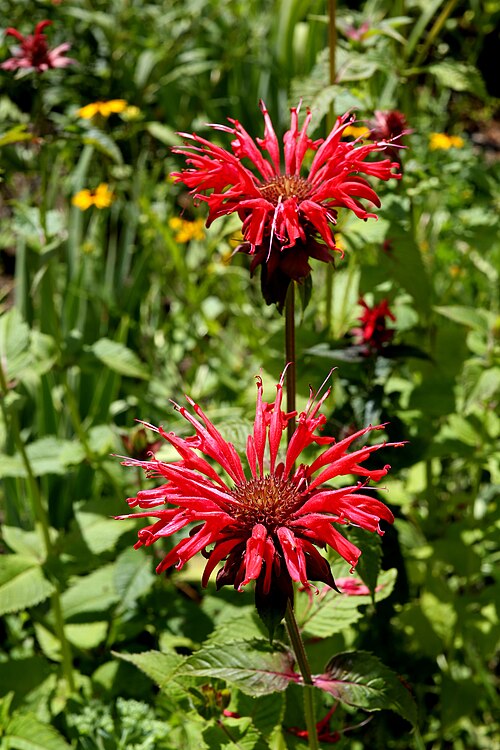
1. Bee Balm (Monarda didyma)
Bee balm is a native perennial that produces vibrant red, pink, or purple tubular flowers in midsummer. Its nectar is a magnet for hummingbirds and butterflies alike. Bee balm grows well in full sun to part shade and prefers moist, well-drained soil. It’s also deer resistant and adds a splash of color to any garden bed.
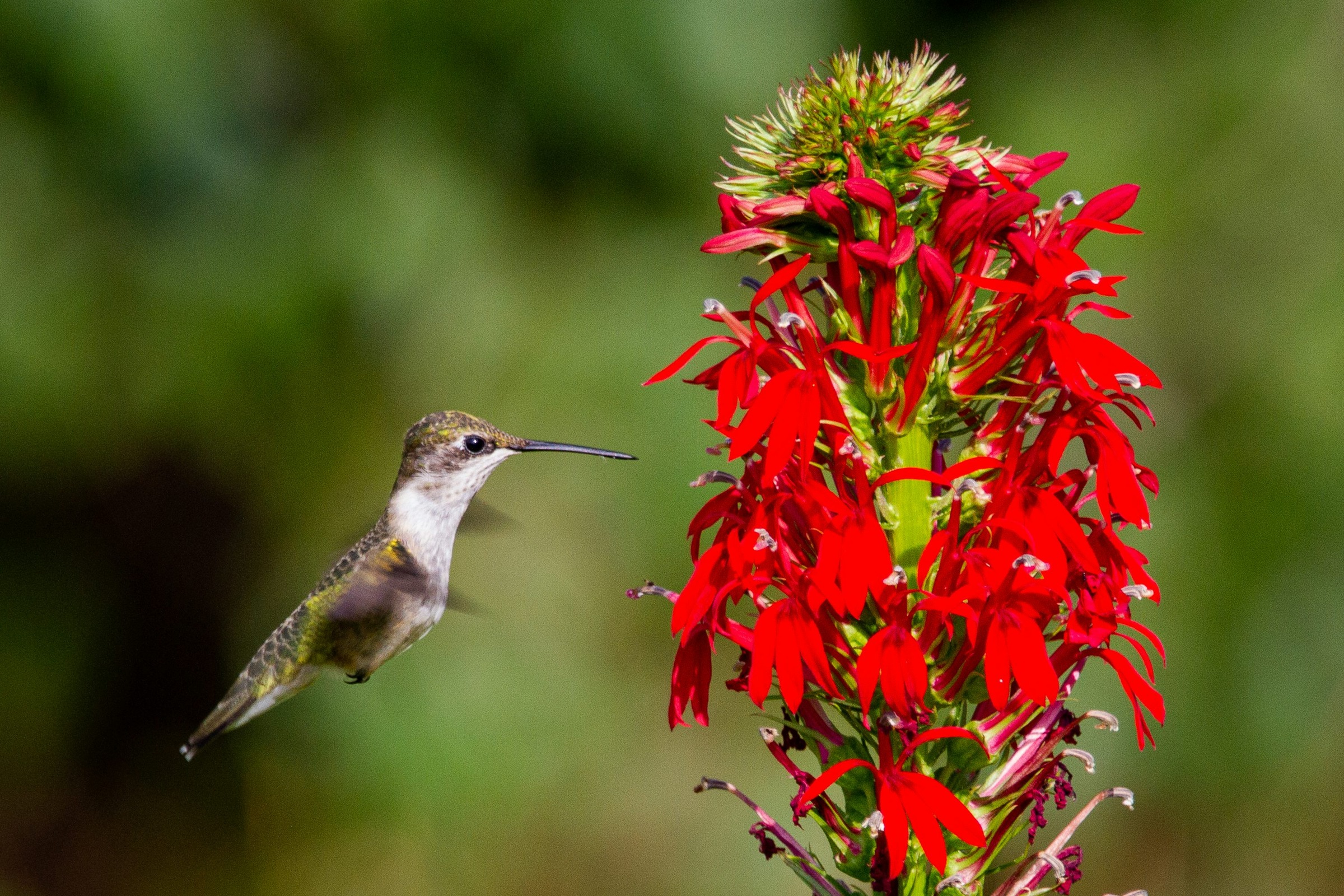
2. Cardinal Flower (Lobelia cardinalis)
Known for its striking scarlet flowers, cardinal flower is a hummingbird favorite. It blooms from mid to late summer, providing nectar when some earlier bloomers have faded. Cardinal flower thrives in moist soils along streams or in rain gardens, but it can adapt to regular garden conditions if watered consistently.
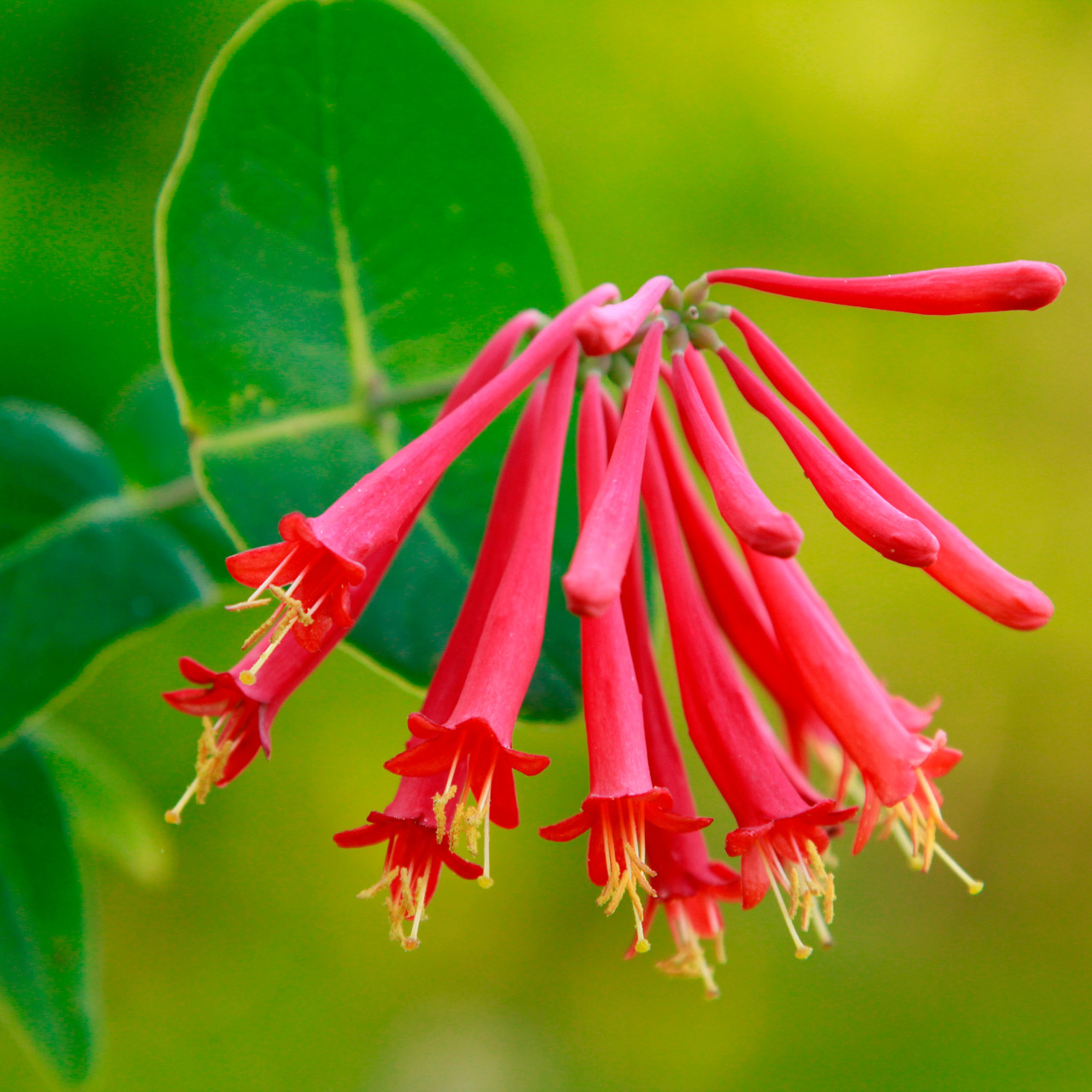
3. Coral Honeysuckle (Lonicera sempervirens)
This native honeysuckle vines and shrubs feature clusters of tubular coral-red flowers that attract hummingbirds throughout the summer. Unlike invasive Japanese honeysuckle, coral honeysuckle is non-invasive and well-suited to Zone 6 gardens. It can grow on trellises or fences, adding vertical interest.
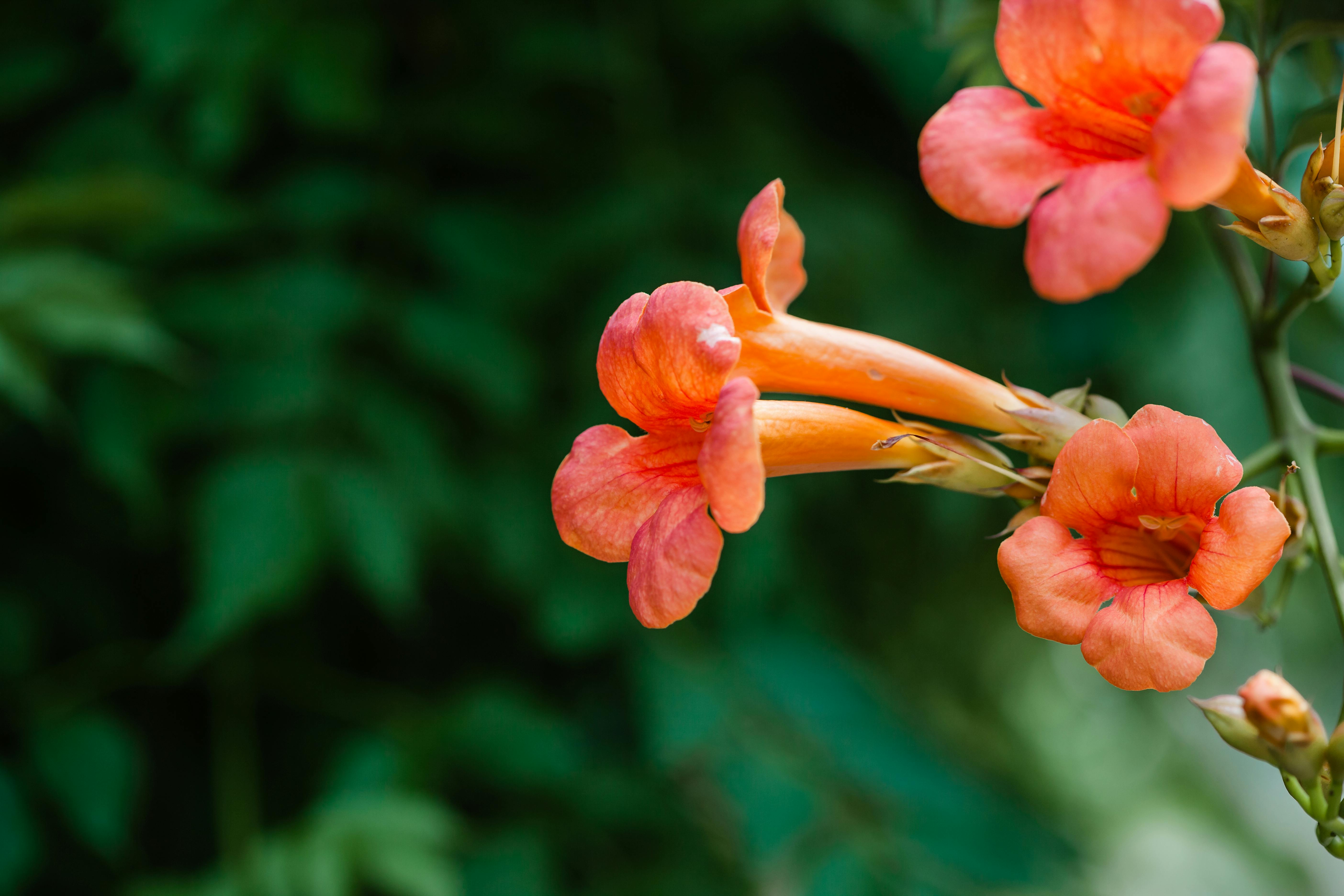
4. Trumpet Creeper (Campsis radicans)
Trumpet creeper is a fast-growing vine with large orange to red trumpet-shaped flowers that bloom from mid-summer to early fall. It requires space and sturdy support but rewards gardeners with a hummingbird hotspot. Be mindful that it can be aggressive in some areas, so consider containment.
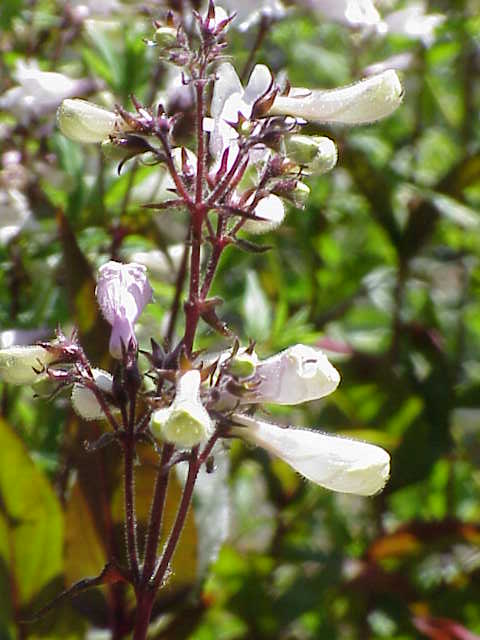
5. Penstemon (Penstemon digitalis)
Penstemon, or beardtongue, produces tall spikes of tubular flowers in shades of pink, red, or white. This drought-tolerant perennial blooms in late spring to early summer and has a long bloom period, making it a steady nectar source. Penstemon prefers full sun and well-drained soils.
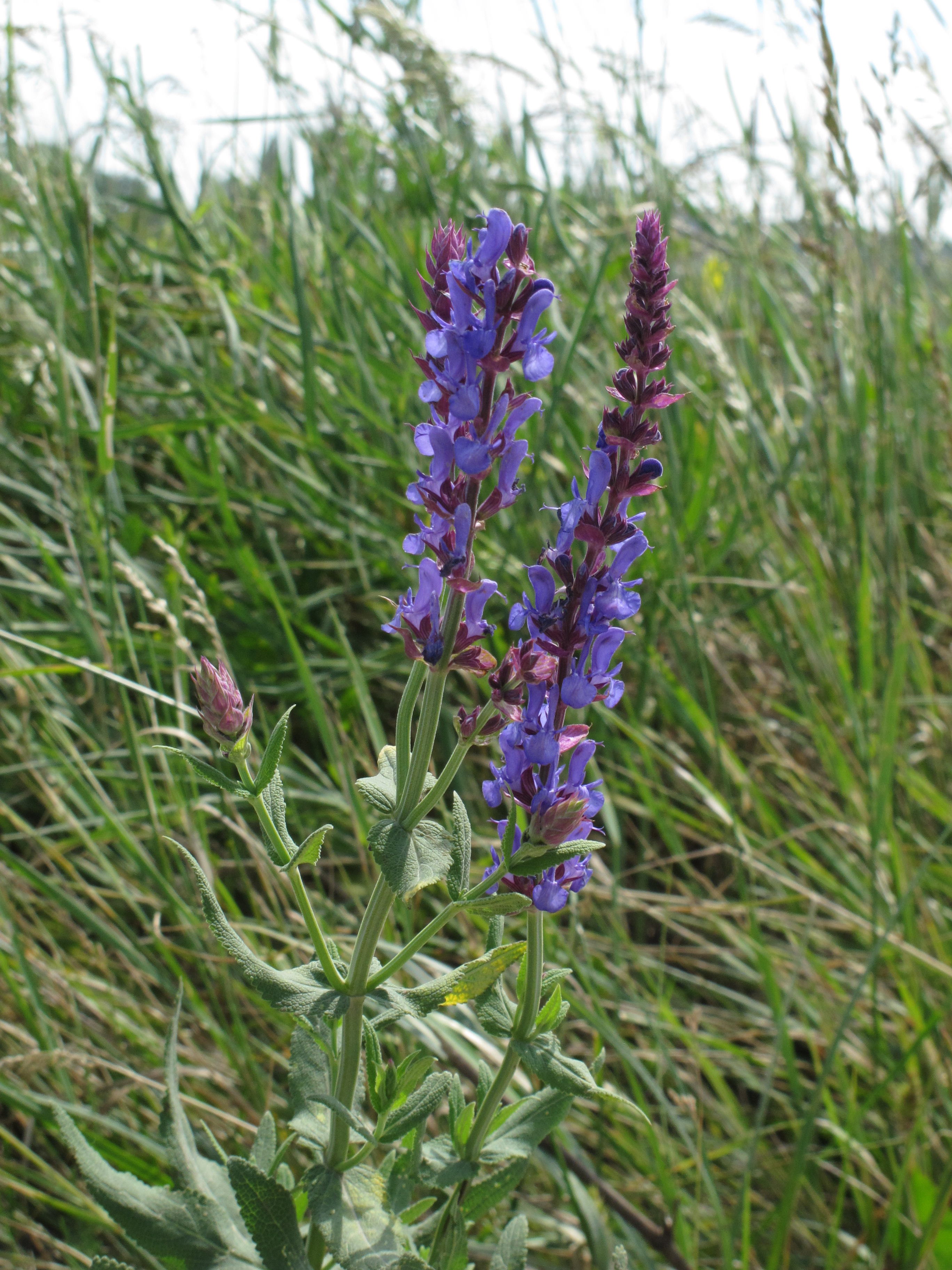
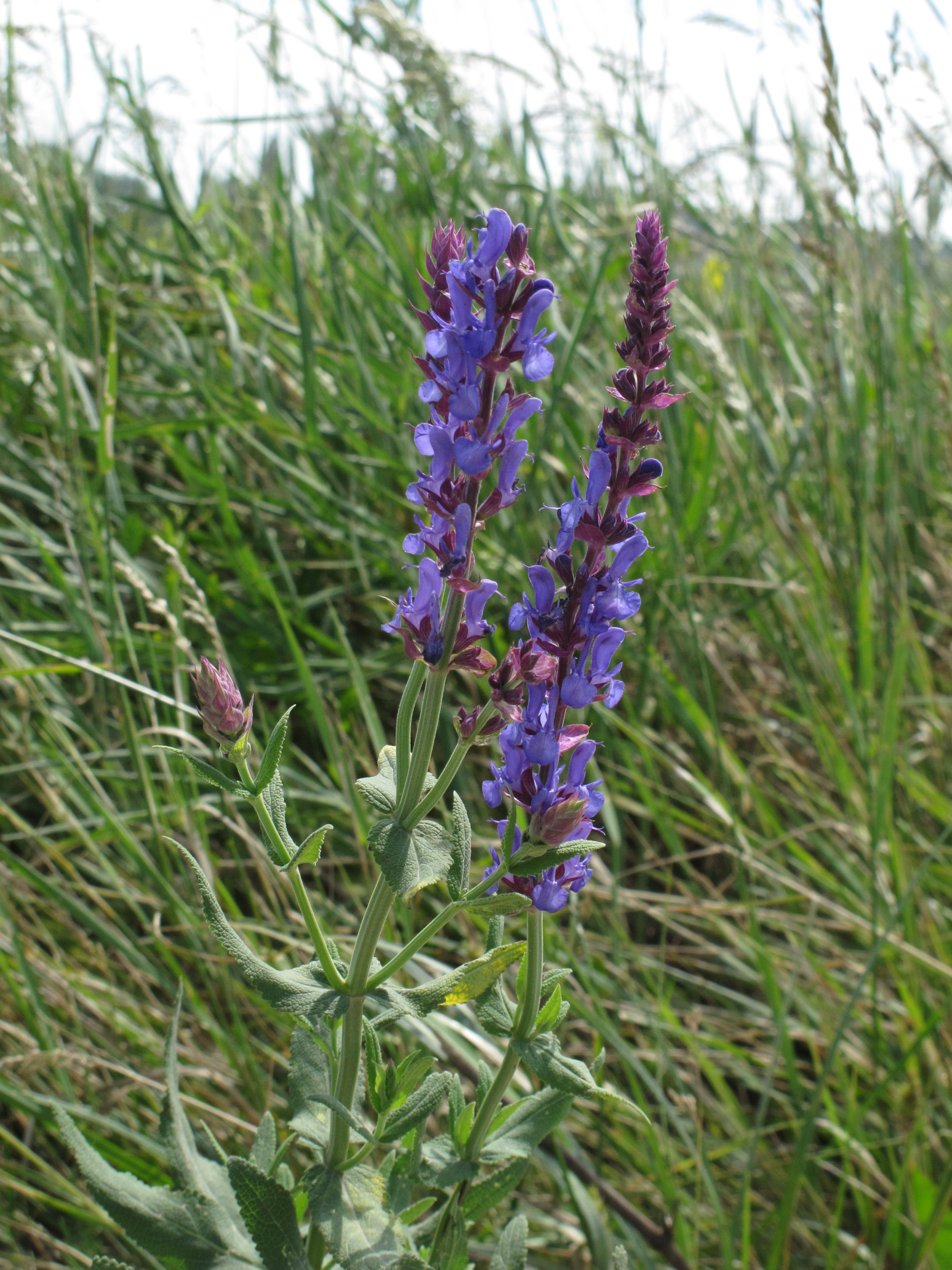
6. Salvia (Salvia nemorosa)
Salvia varieties such as Salvia nemorosa are beloved for their spiky flower clusters in purple, blue, or red hues. They bloom from early summer through fall and are drought tolerant once established. Salvias attract hummingbirds and beneficial pollinators, adding fragrance and color.
7. Trumpet Lily (Lilium spp.)
Trumpet lilies have large, fragrant, trumpet-shaped flowers in white, pink, or orange that hummingbirds find irresistible. They bloom in mid to late summer and can add elegance to a hummingbird garden. Lilies prefer well-drained soil and full sun to part shade.
Lilium Trumpet
Tips for Creating a Hummingbird-Friendly Garden in Zone 6
- Plant in Groups: Clusters of the same species produce more nectar and are easier for hummingbirds to find.
- Stagger Bloom Times: Combine early, mid, and late bloomers to provide nectar throughout the growing season.
- Include Water Sources: A shallow birdbath or misting fountain helps hummingbirds stay hydrated.
- Avoid Pesticides: Chemicals can harm hummingbirds and reduce insect prey.
- Add Perches: Thin branches or garden stakes offer resting spots near feeders and flowers.
Pet Safety Reminder
Many flowering plants are not listed as toxic to pets, but individual sensitivities vary. Keep an eye on your furry friends and contact the ASPCA Animal Poison Control Center at 888-426-4435 if you suspect ingestion of a harmful plant.
Wildlife Resistance Disclaimer
While the plants listed are attractive to hummingbirds, their resistance to deer, rabbits, or groundhogs can vary by location. Local wildlife pressures may affect plant survival.
Final Thoughts
In Zone 6, planting a mix of these seven hummingbird favorites will create a colorful and sustainable nectar corridor for ruby-throated hummingbirds. With blooms from spring through fall, you’ll enjoy watching these tiny aviators flit and feed throughout the season.
Explore more options and find ideal plants for your specific garden by using our Plant Finder wizard at /wizard. Start attracting hummingbirds to your garden today!