Is Agastache Deer Resistant? Complete Guide
If you're battling deer in your garden, you've likely heard the term "deer resistant" tossed around, often with a grain of salt. When it comes to Agastache, also known as Hyssop or Anise Hyssop, you're in luck! Yes, Agastache is highly deer resistant. Its strong, aromatic foliage, often described as minty, licorice-like, or even camphoraceous, is a major deterrent for deer. These beautiful, pollinator-friendly plants are rarely bothered by hungry deer, making them an excellent choice for gardens in areas with high deer pressure. This guide will delve into why Agastache repels deer, how to best incorporate it into your landscape, and other benefits it brings to your garden.
🌱 Get Personalized Plant Picks
Answer a few quick questions and we’ll match plants to your exact yard conditions.
Find My Plants →Why Are Deer Not Interested in Agastache?
Deer are browsers, and their dining preferences are largely driven by scent and taste. Plants with strong, pungent aromas or bitter tastes are typically at the bottom of their menu. Agastache fits this description perfectly. The leaves and stems of Agastache varieties contain essential oils that, while delightful to humans and pollinators, are generally unpalatable to deer.
Think of it this way: deer prefer mild, tender, and easily digestible plants. They're not looking for a strong, herbaceous flavor. The volatile compounds in Agastache act as a natural repellent, signaling to deer that this plant isn't a tasty treat. This makes Agastache an invaluable asset in a deer-prone garden, allowing you to add vibrant color and attract beneficial insects without inviting unwanted browsing.
It's important to remember the disclaimer that no plant is truly deer-proof. A severely hungry deer, especially in times of drought or scarce food, might sample almost anything. However, Agastache consistently ranks among the most reliable deer-resistant plants, meaning it will be one of the very last things they'll consider eating.
What Are the Best Agastache Varieties for Deer Resistance?
All species and cultivars of Agastache generally share the characteristic aromatic foliage that deters deer. However, some are more widely available and popular for their garden performance. When selecting Agastache for deer resistance, you can confidently choose any variety that appeals to you aesthetically.
Here are a few popular and reliable options:
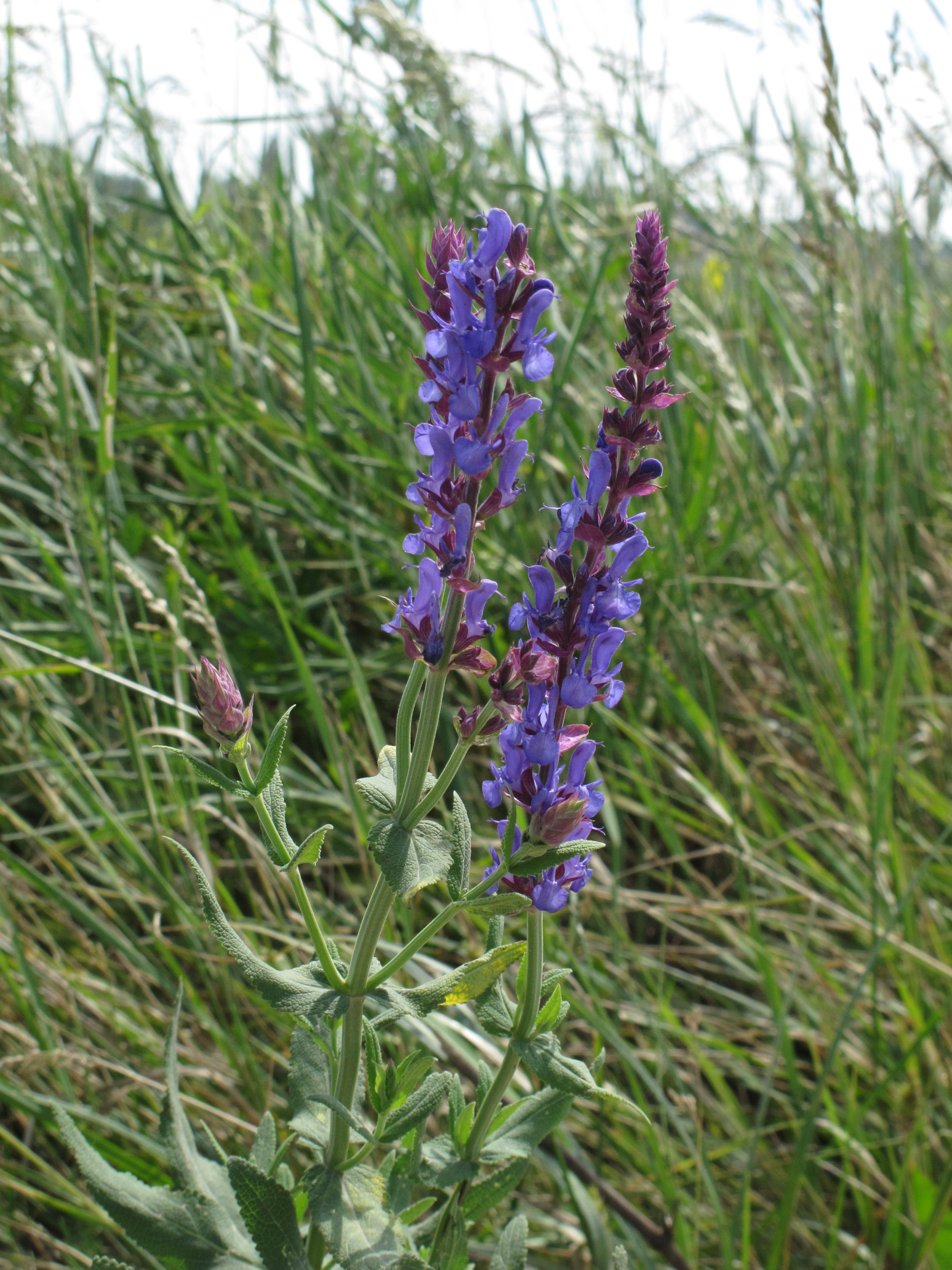
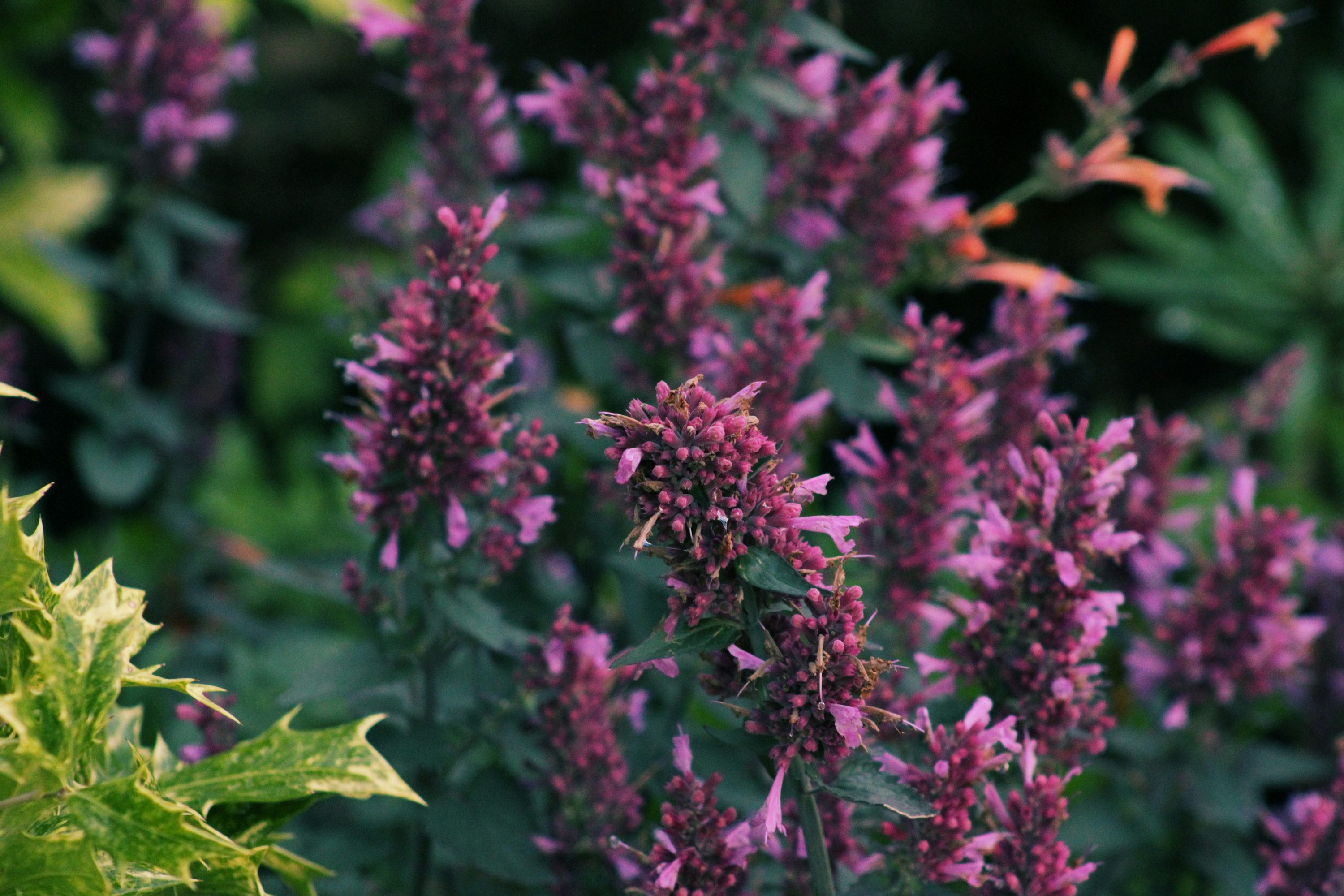
- Agastache foeniculum (Anise Hyssop): A classic, native to North America, with purple-blue flowers and a strong licorice scent.
- Agastache rupestris (Threadleaf Giant Hyssop): Known for its striking orange-pink flowers and minty-licorice fragrance.
- Agastache 'Blue Boa': Features dense spikes of deep violet-blue flowers and a compact habit.
- Agastache 'Kudos Mandarin' / 'Kudos Coral': Part of a series known for long bloom times and vibrant colors.
- Agastache 'Black Adder': Tall spikes of deep purple flowers with dark calyces.
Beyond deer resistance, Agastache is also a magnet for pollinators. Bees, butterflies, and hummingbirds adore its nectar-rich flowers, making it a fantastic addition to any wildlife-friendly garden.
How Can I Use Agastache to Deter Deer in My Garden?
Incorporating Agastache strategically can enhance its deer-deterring effect. Here are some practical tips:
- Create a Barrier: Plant Agastache along the perimeter of your garden beds, especially around more vulnerable plants that deer tend to favor. The strong scent can act as a "scent wall," discouraging deer from entering the area.
- Interplant: Mix Agastache with other plants that deer love. Its presence can mask the scent of more palatable plants, making them less appealing.
- Mass Plantings: Planting several Agastache together amplifies their deterrent scent, creating a more effective barrier.
- Pathways and Edges: Use Agastache along pathways or at the front of borders where deer might approach.
- Containers: If you have particularly prized plants in containers, placing Agastache pots nearby can offer some protection.
Remember to consider the mature size and light requirements of Agastache (generally full sun and well-drained soil) when planning your layout.
What Are Other Deer-Resistant Plants to Pair with Agastache?
While Agastache is a superstar, a diverse planting strategy is always best for deer resistance. Combining multiple deer-resistant plants creates a more complex scent and texture profile that deer find unappealing. Here are some excellent companions that also tend to be ignored by deer:
- Ornamental Grasses: Many ornamental grasses have tough, fibrous blades that deer dislike.
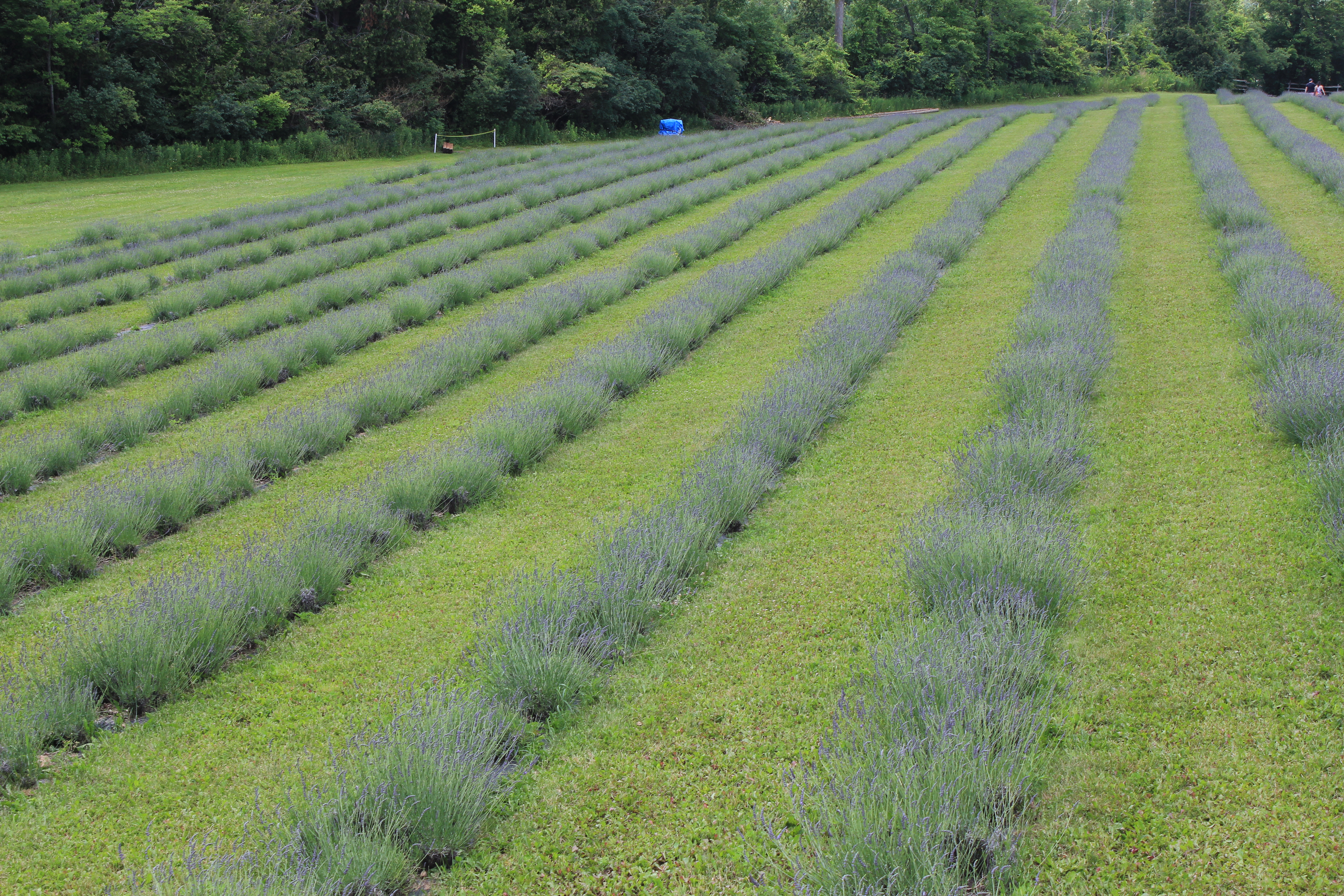
- Lavender (Lavandula spp.): Another aromatic herb with a scent deer avoid.
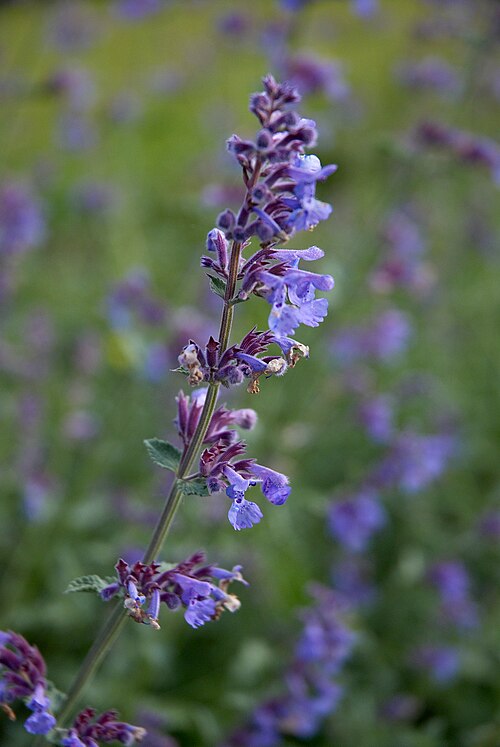
- Catmint (Nepeta spp.): Similar to Agastache, Catmint has strongly scented foliage.
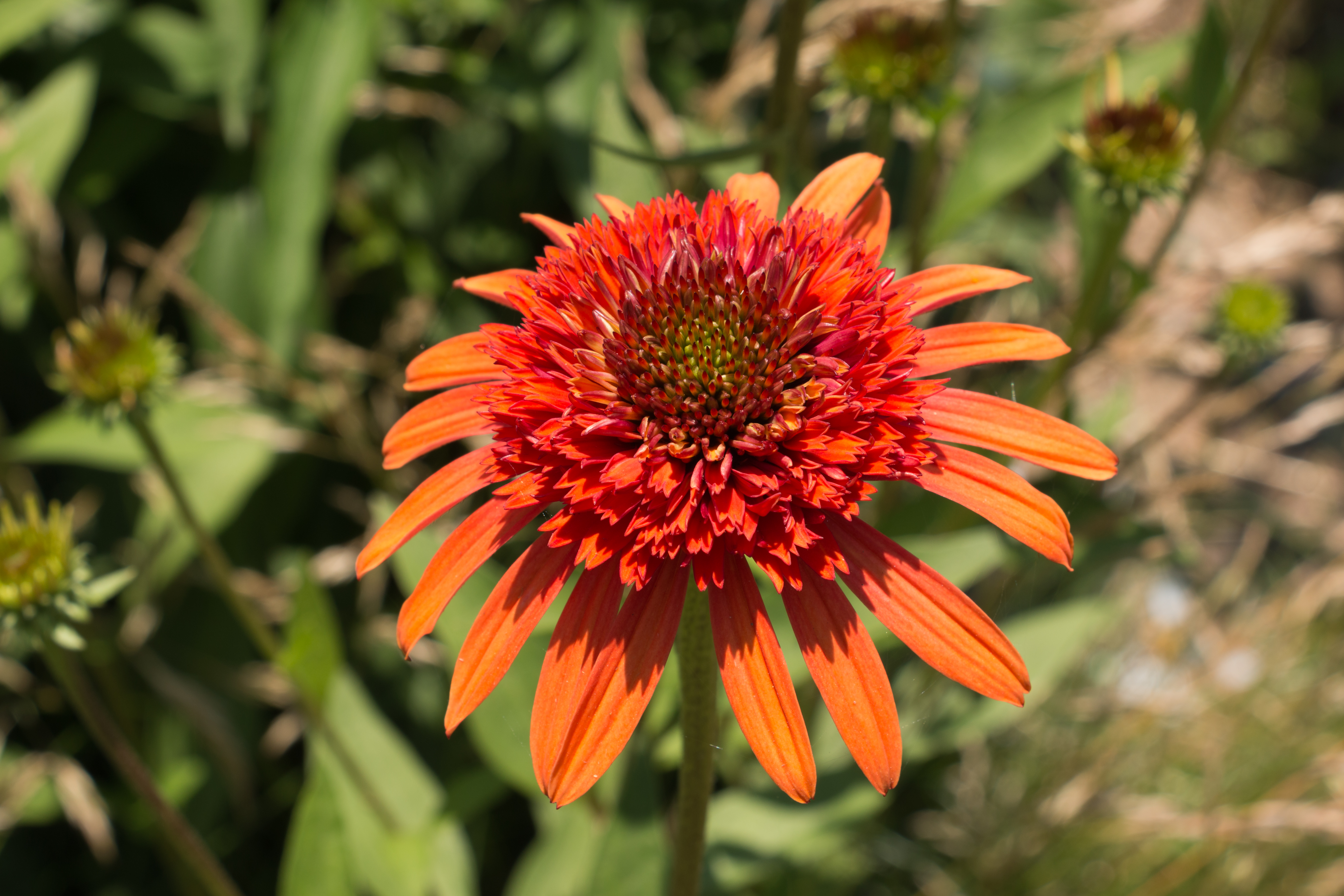
- Coneflower (Echinacea spp.): While deer might occasionally nibble young plants, mature coneflowers are generally left alone.
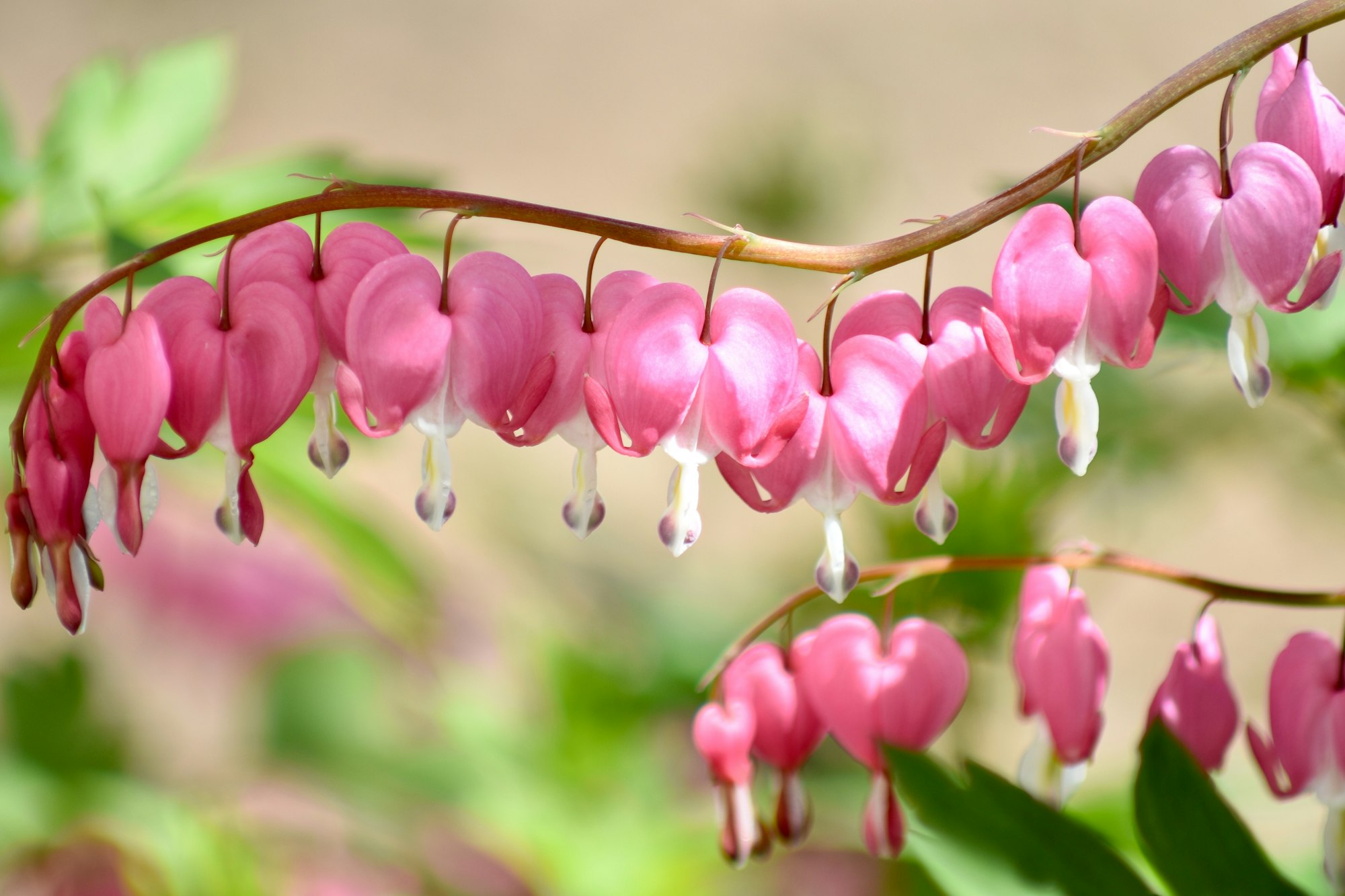
- Bleeding Heart (Dicentra spectabilis): Toxic to deer, so they typically avoid it.
- Peonies (Paeonia spp.): Deer tend to leave these beautiful, fragrant blooms alone.
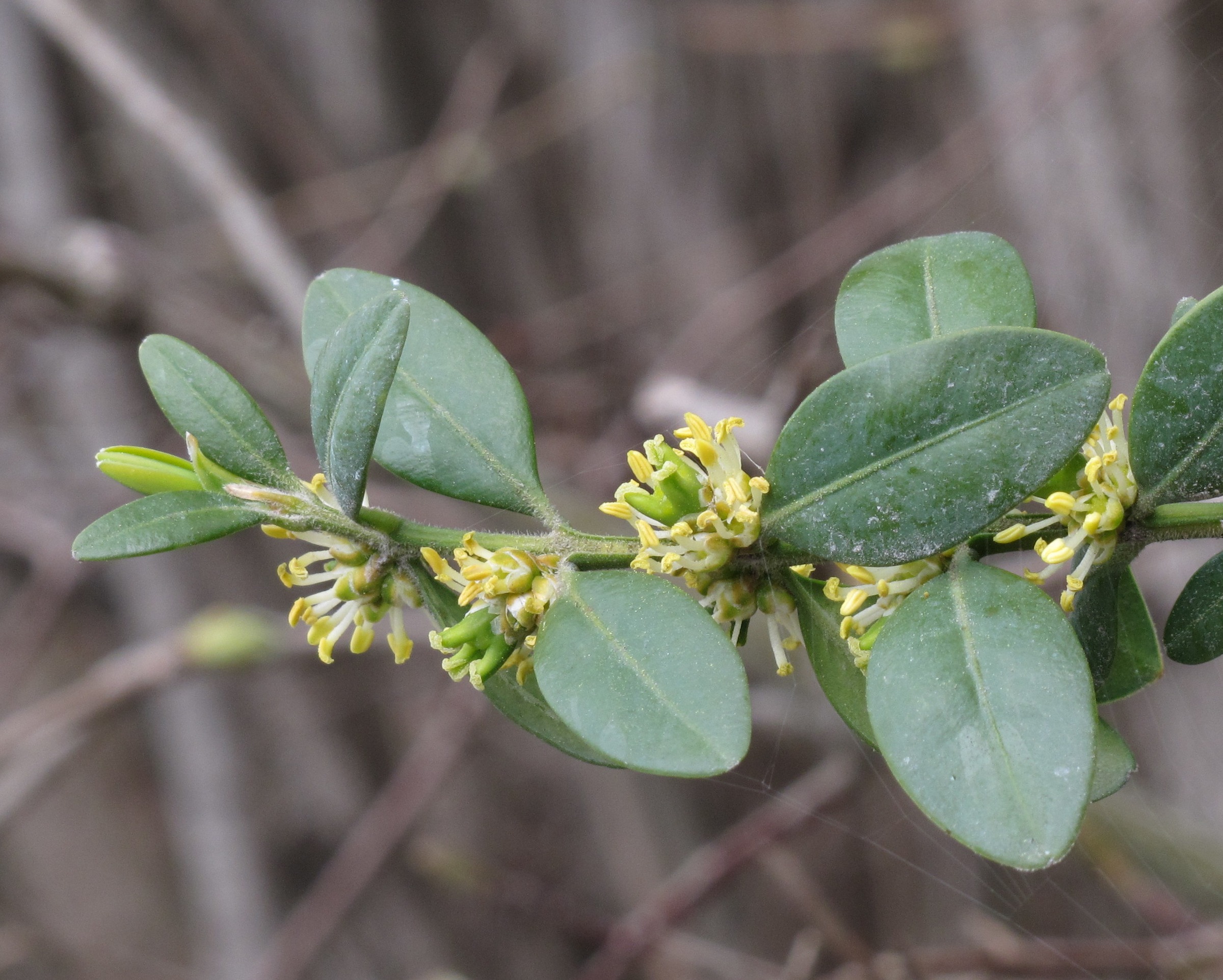
- Boxwood (Buxus spp.): A common evergreen shrub that deer rarely browse.
Quick Reference: Agastache for Deer Resistance
| Feature | Description to Agastache, it is important to choose varieties that are well-suited to your local climate and soil conditions.
Agastache is generally low-maintenance, preferring full sun (at least 6 hours of direct sunlight per day) and well-drained soil. It's drought tolerant once established, making it a good choice for xeriscaping or low-water gardens. Deadheading spent flowers can encourage more blooms and prevent self-seeding in some varieties, though many gardeners allow it to self-seed for naturalization.
Is Agastache Toxic to Pets or Humans?
This is a common and important question for any plant, especially when considering its placement in a family garden.
For pets, Agastache (Hyssop) is not listed as toxic by the ASPCA (American Society for the Prevention of Cruelty to Animals). This means that while it's always best to discourage pets from eating plants, Agastache is generally considered to pose a low risk if ingested in small amounts. However, any plant material consumed in large quantities can potentially cause mild gastrointestinal upset in sensitive animals.
If you suspect your pet has ingested a toxic plant, call the ASPCA Animal Poison Control Center immediately at (888) 426-4435.
For humans, Agastache is widely used as a culinary herb and for medicinal purposes. Anise hyssop (Agastache foeniculum) leaves and flowers are often used to make teas, flavor desserts, or add to salads. Its essential oils are also used in aromatherapy. It's generally considered safe for human consumption in moderate amounts, though as with any herb, individuals with allergies or specific health conditions should exercise caution and consult a healthcare professional.
In conclusion, Agastache is a fantastic, multi-purpose plant that offers vibrant blooms, attracts beneficial pollinators, and reliably deters deer. Its ease of care and versatility make it a valuable addition to almost any sunny garden, especially where deer are a concern.
Ready to find the perfect plants for your yard? Try the PlantWise Plant Finder →