Are Alliums Deer Resistant? Complete Guide
If you're a gardener battling persistent deer, you've likely spent countless hours researching plants that can withstand their browsing habits. Good news! Alliums are widely considered one of the most reliably deer-resistant plants available, making them a fantastic choice for adding beauty to your landscape without becoming a deer buffet. Their distinctive odor and taste, attributed to sulfur compounds similar to those found in onions and garlic, are highly unappealing to deer, which typically steer clear. This natural defense mechanism makes them an invaluable asset in a deer-prone garden, offering vibrant blooms and unique textures where other plants might fail.
🌱 Get Personalized Plant Picks
Answer a few quick questions and we’ll match plants to your exact yard conditions.
Find My Plants →Why Do Deer Avoid Alliums?
The primary reason deer give alliums a wide berth lies in their chemical composition. Alliums belong to the Allium genus, which includes familiar culinary staples like onions, garlic, chives, and leeks. These plants produce sulfur compounds that, while appealing to humans in cooking, are pungent and bitter to deer. Their strong, distinctive scent acts as a natural deterrent, signaling to deer that these plants are not a palatable food source.
Deer rely heavily on their sense of smell to identify food and potential threats. The strong odor of alliums, particularly when their foliage is bruised or cut, is a clear signal for them to move on to more appealing options. Unlike many other plants that deer might sample out of curiosity before deciding they don't like them, alliums often deter them before they even take a bite. This makes them an excellent choice for planting along garden borders or interspersed with more vulnerable plants to offer some level of protection.
Which Allium Varieties Are Best for Deer Resistance?
While almost all alliums exhibit strong deer resistance, some varieties are particularly popular for their ornamental value and robust nature. When selecting alliums for your deer-resistant garden, consider their bloom time, height, and flower color to create a diverse and attractive display.
Quick Reference: Deer-Resistant Alliums
| Variety | Height (Approx.) | Bloom Color | Bloom Time | Notes |
|---|---|---|---|---|
| 'Globemaster' | 3-4 ft | Deep Purple | Late Spring | Large, dense globes; long-lasting. |
| 'Purple Sensation' | 2-3 ft | Violet-Purple | Late Spring | Classic, popular choice. |
| 'Mount Everest' | 3-4 ft | Pure White | Late Spring | Striking white globes. |
| 'Ambassador' | 4-5 ft | Deep Purple | Early Summer | One of the largest flower heads. |
| 'Millenium' | 1-1.5 ft | Rosy-Purple | Mid-Late Summer | Perennial, attractive foliage, pollinator magnet. |
| Drumstick Allium | 1-2 ft | Burgundy-Red | Early Summer | Egg-shaped flowers, unique texture. |
| Star of Persia | 1-2 ft | Metallic Purple | Late Spring | Star-shaped florets, airy appearance. |
For impressive, architectural statements, opt for the large, globe-forming varieties like 'Globemaster', 'Purple Sensation', or 'Mount Everest'. If you prefer something that blooms later in the season and has a more traditional perennial habit, 'Millenium' is an excellent choice, forming neat clumps of grassy foliage and producing abundant rosy-purple flowers. Drumstick alliums (Allium sphaerocephalon) offer a unique, egg-shaped bloom that adds interesting texture.
How Can I Maximize Alliums' Effectiveness as a Deer Deterrent?
While alliums are inherently deer resistant, strategic planting can enhance their deterrent effect, especially when protecting more vulnerable plants.
- Plant in Groups: A larger mass of alliums will create a more concentrated scent barrier than a few scattered bulbs. Plant them in drifts or clusters, particularly along the perimeter of areas you want to protect.
- Create a Barrier: Consider planting a "border" or "fence" of alliums around flower beds that contain plants deer frequently browse. The strong scent emanating from the alliums can discourage deer from entering the bed.
- Interplant with Vulnerable Species: Mixing alliums directly among plants that deer love can sometimes offer a degree of protection. While not foolproof, the presence of alliums might make the entire area less appealing.
- Consider Foliage: Remember that while the flowers are stunning, the foliage of many alliums can start to yellow and fade as the blooms emerge or after they finish. Plant them where their dying foliage can be hidden by later-emerging perennials, or choose varieties like 'Millenium' that have attractive, persistent foliage.
What Other Plants Are Deer Resistant?
No plant is truly deer-proof, especially when deer are hungry, but many other plants share alliums' reputation for being less appealing to deer. Incorporating a variety of these plants can create a beautiful and resilient garden.
Plants with strong scents, fuzzy leaves, or tough, leathery foliage are often good bets. Here are a few popular choices:
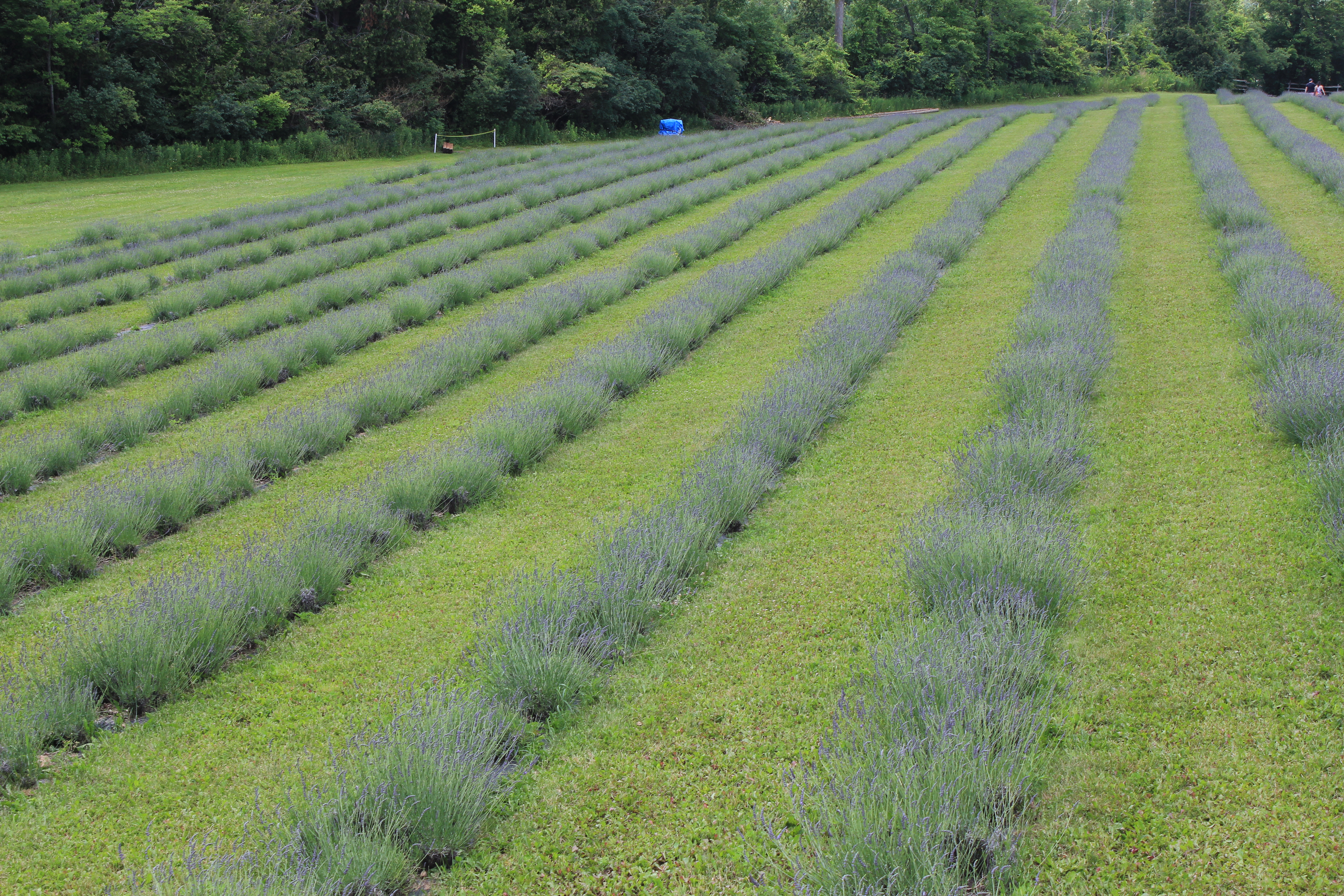
- Lavender: Its strong aroma is generally disliked by deer.
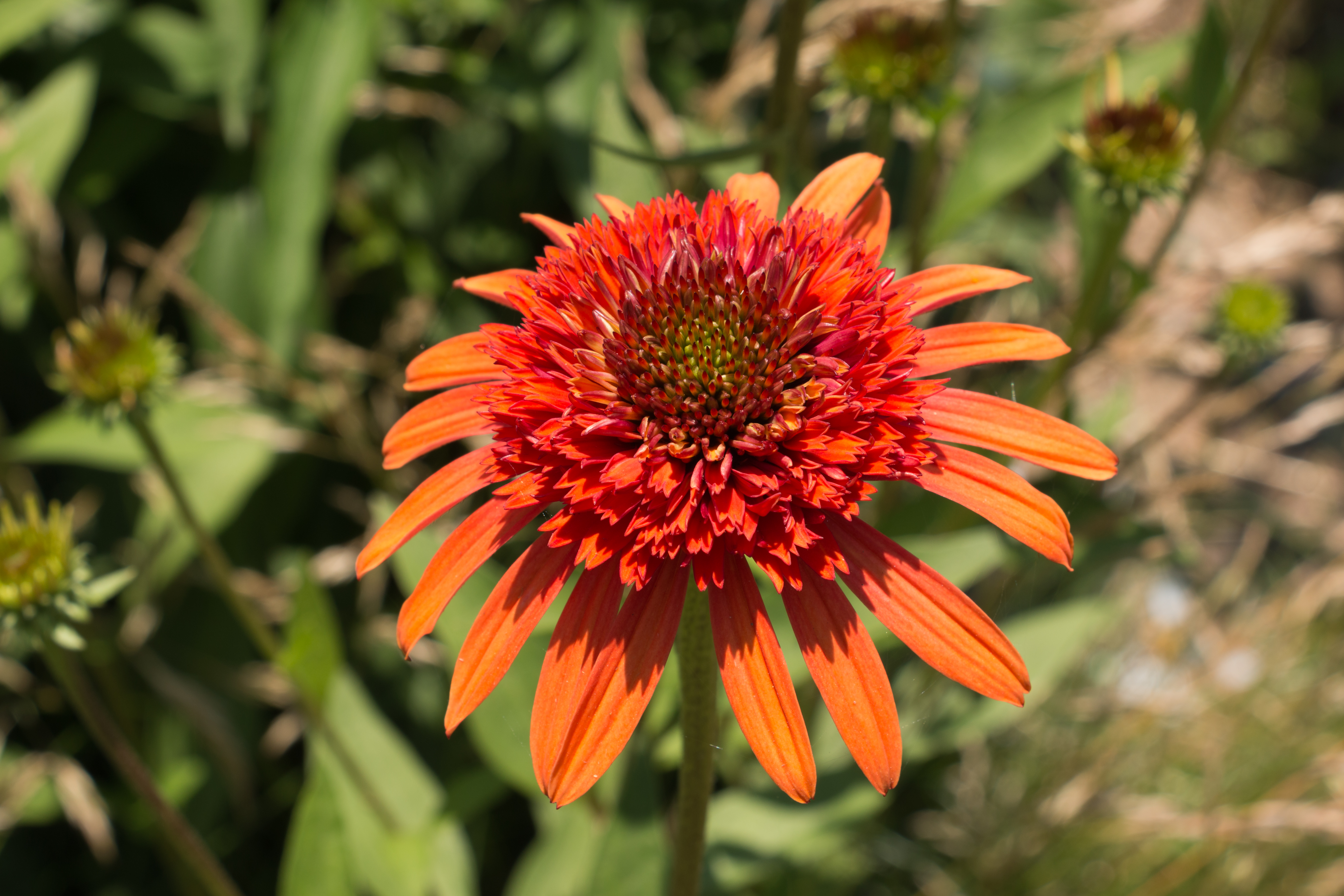
- Coneflower (
): The prickly centers and coarse texture deter deer.
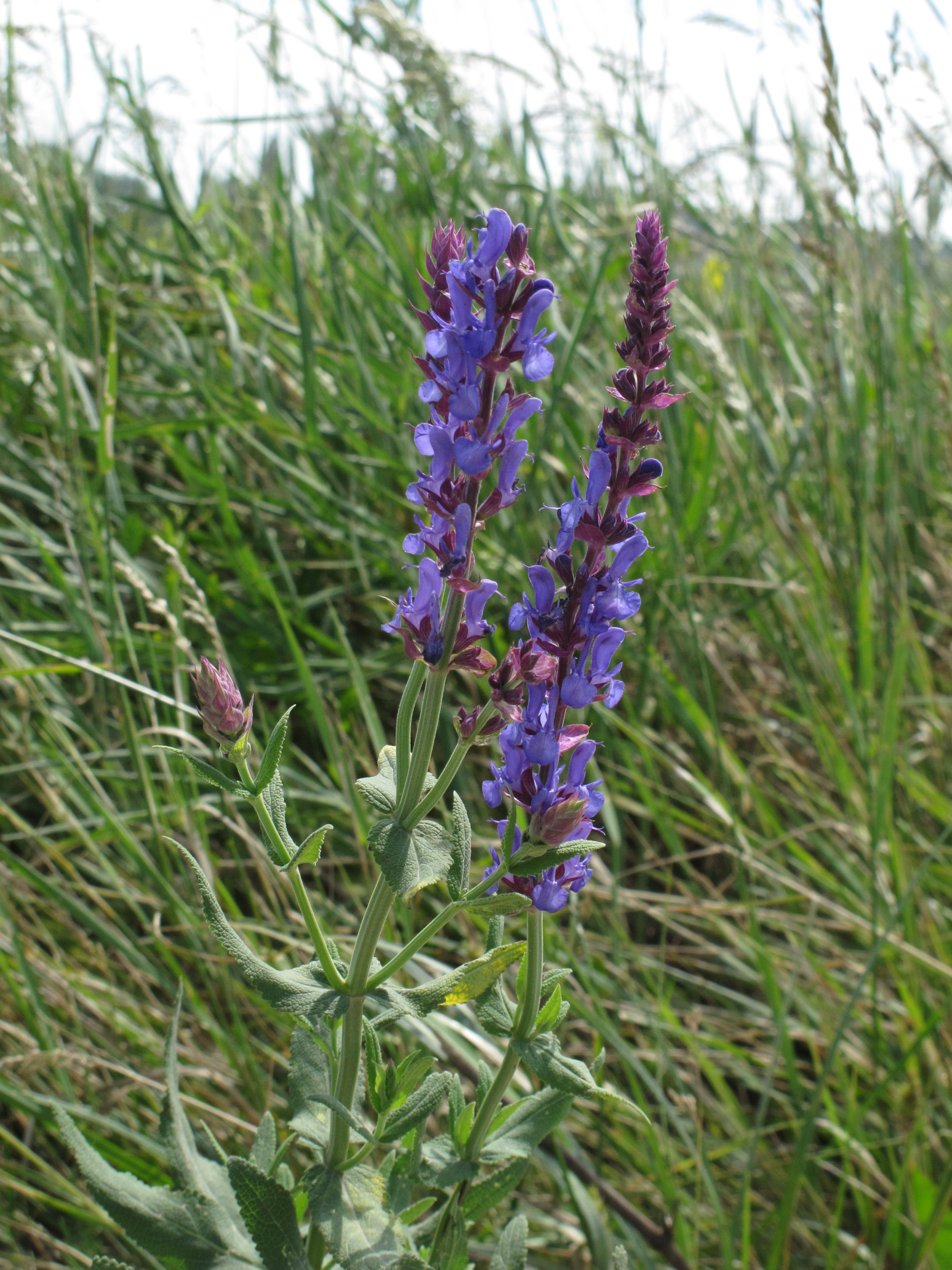
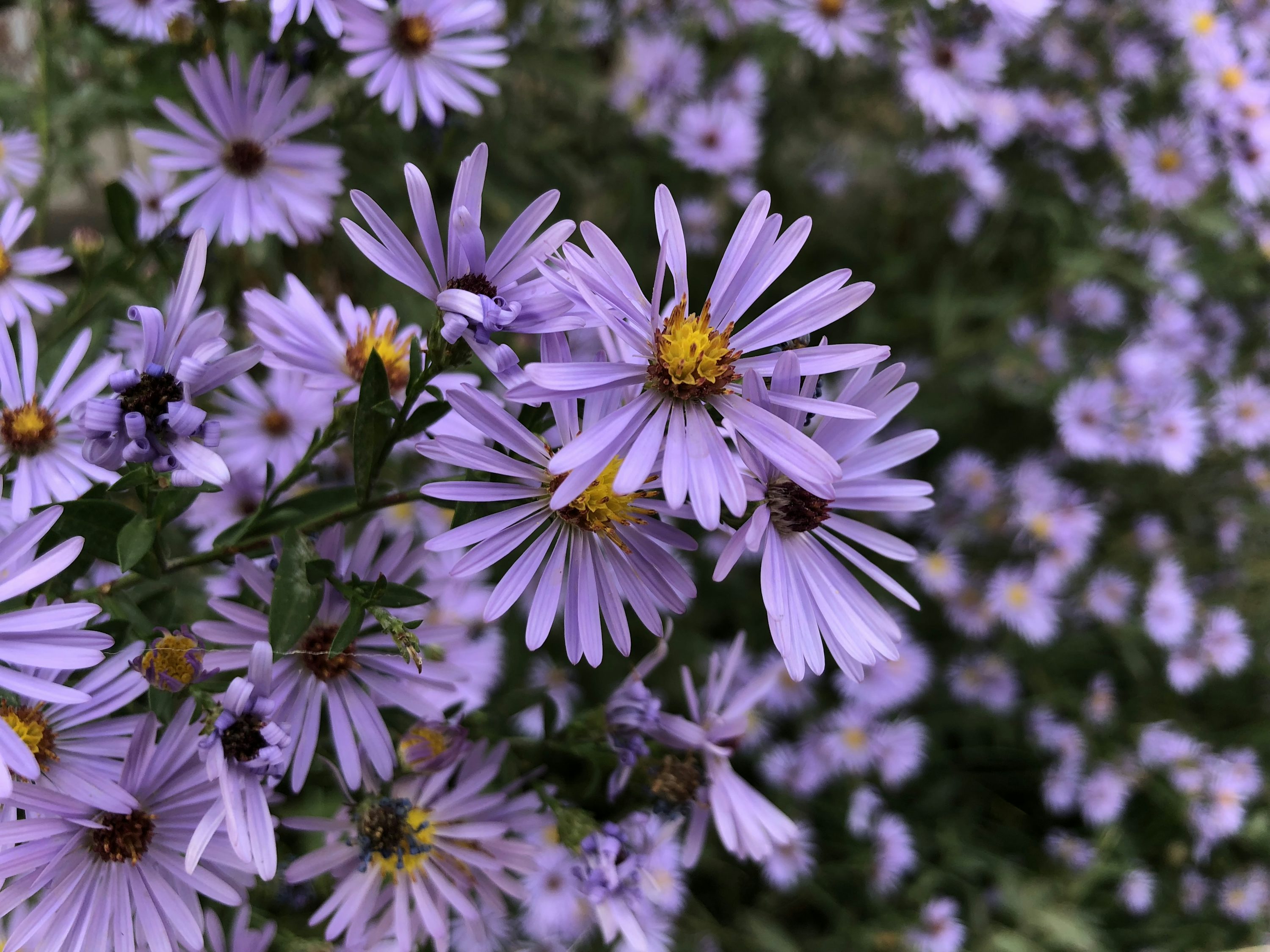
- Salvia (
): Many varieties have aromatic foliage.
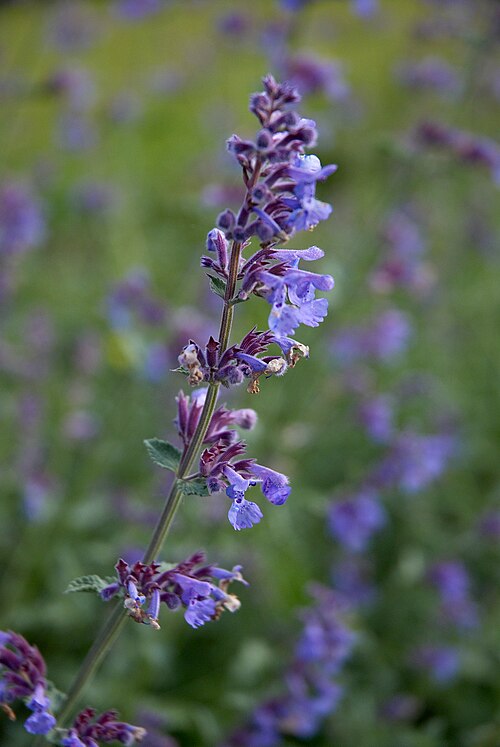
- Catmint (
): Pungent, minty foliage is a turn-off for deer.
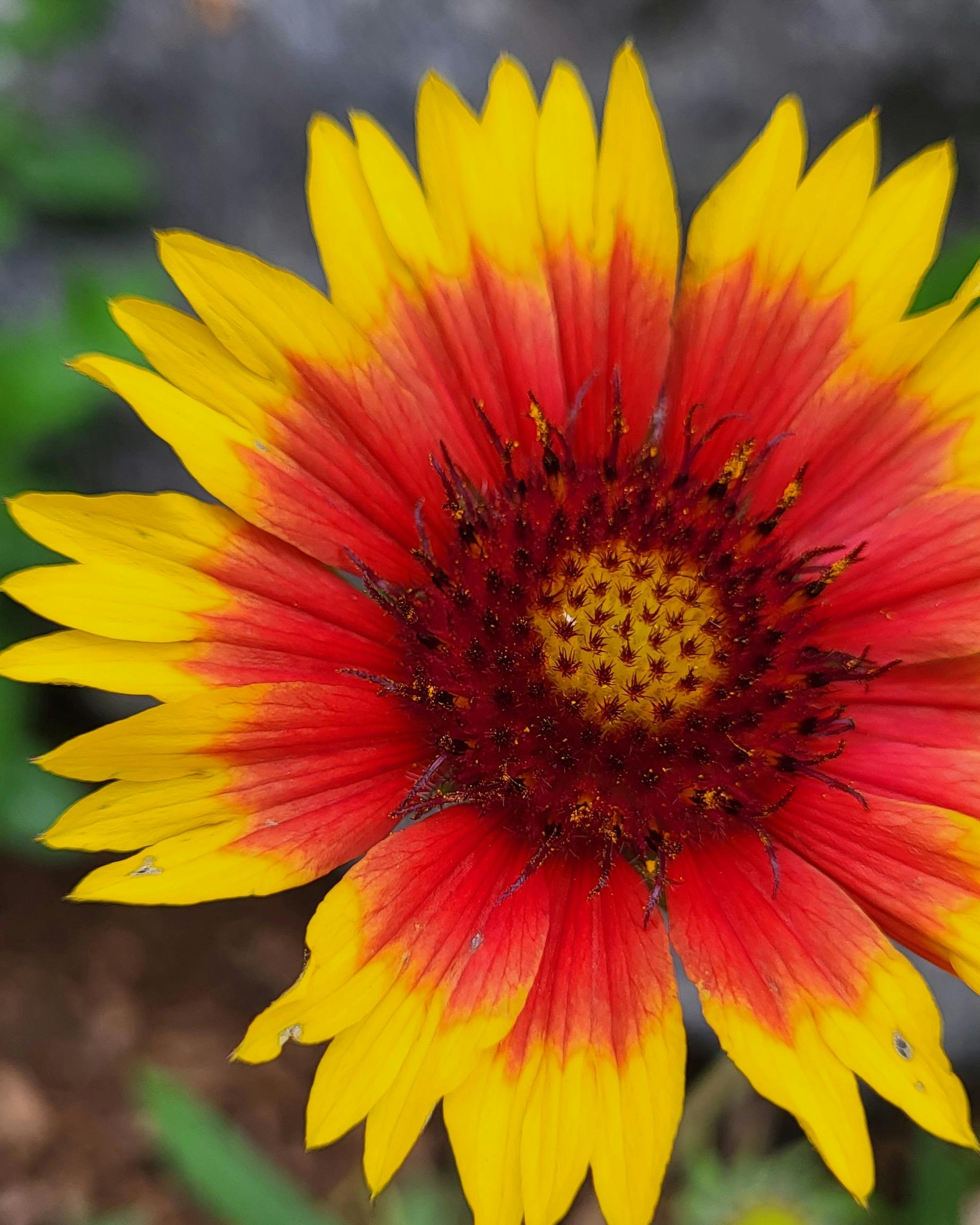
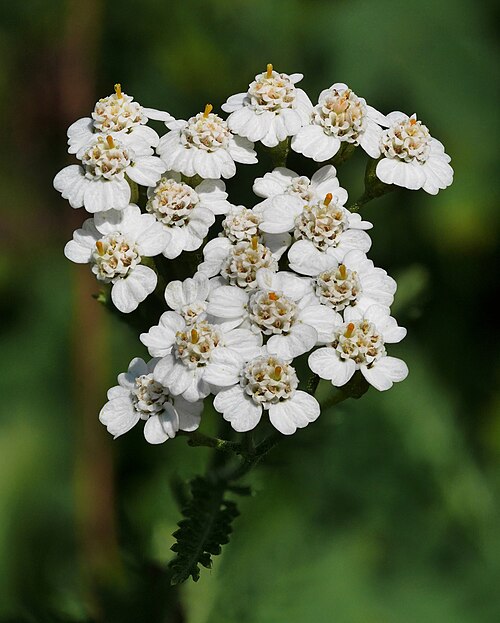
- Yarrow (
): Aromatic foliage and tough texture.
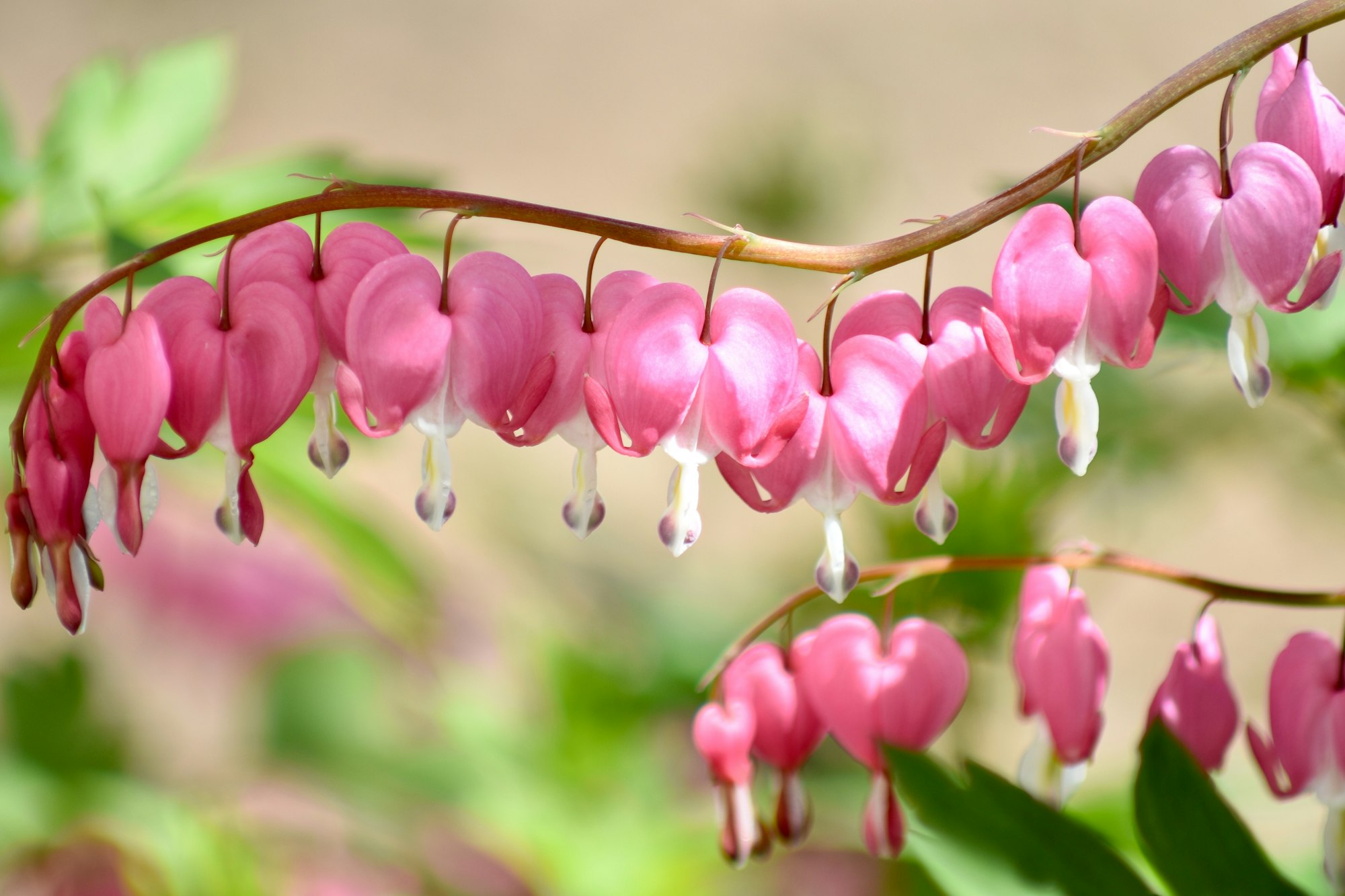
- Bleeding Heart: Toxic to deer, so they avoid it.
- Peonies: Deer typically leave these alone.
- Ornamental Grasses: Most varieties are not preferred by deer.
By combining alliums with these other deer-resistant options, you can create a diverse and vibrant garden that stands a much better chance against hungry deer. Remember to observe your local deer population; what one deer avoids, another might sample!
Alliums are a fantastic addition to any garden, especially for those dealing with deer pressure. Their unique beauty, ease of care, and natural deer resistance make them a winning choice for gardeners looking to add a touch of drama without the drama of deer damage.
Ready to find the perfect plants for your yard? Try the PlantWise Plant Finder →