Is Baptisia (False Indigo) Deer Resistant? Complete Guide
If you're a gardener in an area plagued by hungry deer, you know the frustration of watching your carefully chosen plants become an all-you-can-eat buffet. Finding beautiful, low-maintenance plants that deer consistently ignore can feel like searching for a unicorn. Fortunately, when it comes to deer resistance, Baptisia, commonly known as False Indigo, is one of the most reliably deer-resistant native perennials you can add to your landscape. Its unpalatable foliage and distinctive scent make it a poor choice for deer, allowing you to enjoy its stunning pea-like flowers and architectural form without constant worry.
In this comprehensive guide, we'll delve into why Baptisia is such a great choice for deer-prone gardens, explore its many benefits, and provide you with all the information you need to successfully grow this remarkable plant.
Why is Baptisia (False Indigo) Deer Resistant?
Deer are notoriously picky eaters, and their preferences are often driven by a plant's taste, texture, and scent. Baptisia's natural defenses make it highly unappealing to these browsing animals. Here's why:
- Unpalatable Foliage: The leaves of Baptisia contain alkaloids, which are chemical compounds that give the plant a bitter taste. While not harmful to humans or pets if ingested in small amounts (though not recommended), this bitterness is a significant deterrent for deer. They'll often take one bite and move on, preferring tastier options.
- Tough, Leathery Texture: The foliage of Baptisia is generally quite tough and leathery, especially as the plant matures. This texture is not appealing to deer, who prefer softer, more succulent leaves.
- Distinctive Scent: While not overtly strong to the human nose, Baptisia has a subtle scent that deer seem to dislike. Many deer-resistant plants share this characteristic, using their aroma as a first line of defense.
It's important to remember that no plant is truly deer-proof. A severely hungry deer, especially during harsh winters or droughts when food sources are scarce, might sample almost anything. However, Baptisia consistently ranks high on lists of deer-resistant plants, meaning it's rarely their first, or even fifth, choice.
🌱 Get Personalized Plant Picks
Answer a few quick questions and we’ll match plants to your exact yard conditions.
Find My Plants →What Are the Benefits of Growing Baptisia in a Deer-Prone Garden?
Beyond its excellent deer resistance, Baptisia offers a wealth of advantages that make it a standout choice for any garden, especially those in challenging conditions.
- Native Plant Power: Many Baptisia species are native to North America, making them perfectly adapted to local climates and soils. This means they require less water, fertilizer, and overall care once established.
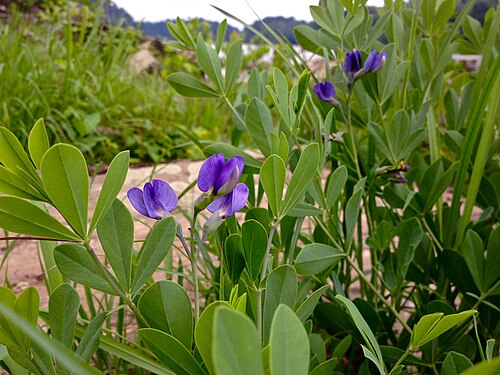
- Pollinator Magnet: The beautiful, pea-like flowers of Baptisia are a huge draw for a variety of pollinators. Bees, especially bumblebees, are particularly fond of them, as are butterflies. Planting Baptisia contributes to local biodiversity and supports essential insect populations.
- Long-Lived Perennial: Baptisia is a true investment in your garden. Once established, these plants can live for decades, growing larger and more impressive each year. They are known for their longevity and reliability.
- Low Maintenance: After its initial establishment period, Baptisia is remarkably low-maintenance. It's drought-tolerant, rarely bothered by pests or diseases, and doesn't require frequent division.
- Stunning Ornamental Value: From its striking spires of blue, white, yellow, or even bicolored flowers in late spring to its attractive blue-green foliage that remains neat throughout the summer, and finally to its intriguing black seed pods that provide winter interest, Baptisia offers multi-season appeal. Its architectural, shrub-like form provides structure to the garden.
- Nitrogen Fixer: As a member of the legume family, Baptisia has the ability to fix nitrogen in the soil. This means it takes nitrogen from the air and converts it into a form usable by plants, enriching the soil around it and benefiting neighboring plants.
How Do I Successfully Grow Baptisia (False Indigo)?
Growing Baptisia is surprisingly easy, making it a fantastic choice for both novice and experienced gardeners. Here’s what you need to know for success:
Quick Reference Growing Guide
| Feature | Requirement and plants that are good to pair with Baptisia to make a beautiful, deer-resistant garden.
Sunlight Needs
Baptisia thrives in full sun (at least 6 hours of direct sunlight per day). While it can tolerate some afternoon shade, too little sun can lead to leggy growth and reduced flowering.
Soil Requirements
False Indigo is remarkably adaptable to various soil types, but it prefers well-drained soil. It can tolerate poor, sandy, or clay soils, and it does well in average to dry conditions once established. Avoid overly rich soils, as this can lead to lush foliage but fewer flowers and floppier stems.
Watering
Once established (typically after its first year in the ground), Baptisia is highly drought-tolerant. It needs regular watering during its first growing season to develop a strong root system. After that, supplemental watering is usually only needed during extended periods of extreme drought.
Fertilizing
As a nitrogen-fixing legume, Baptisia generally doesn't require additional fertilizer. In fact, too much nitrogen can promote excessive foliage growth at the expense of flowers. If your soil is very poor, a light application of compost around the base of the plant in spring can be beneficial.
Pruning
Baptisia requires minimal pruning.
- After flowering: You can deadhead spent flower stalks to prevent seed formation, though the black seed pods provide interesting winter structure.
- Late fall/early spring: Cut back the entire plant to about 6-12 inches from the ground. This rejuvenates the plant and encourages fresh, vigorous growth in the spring.
- Staking: Mature Baptisia plants are typically sturdy and don't require staking. If your plant becomes floppy, it might be a sign of too much shade or overly rich soil.
Pests and Diseases
Baptisia is remarkably resistant to most common garden pests and diseases. Occasionally, you might see some leaf spot, but it's rarely severe enough to warrant treatment. Deer, rabbits, and other common garden browsers tend to leave it alone.
What Are Some Great Companion Plants for Baptisia?
Pairing Baptisia with other deer-resistant plants creates a cohesive and beautiful garden that stands up to browsing pressure. Look for plants that complement Baptisia's upright form and blue-green foliage, and that share similar growing requirements (full sun, well-drained soil).
Here are some excellent deer-resistant companions:
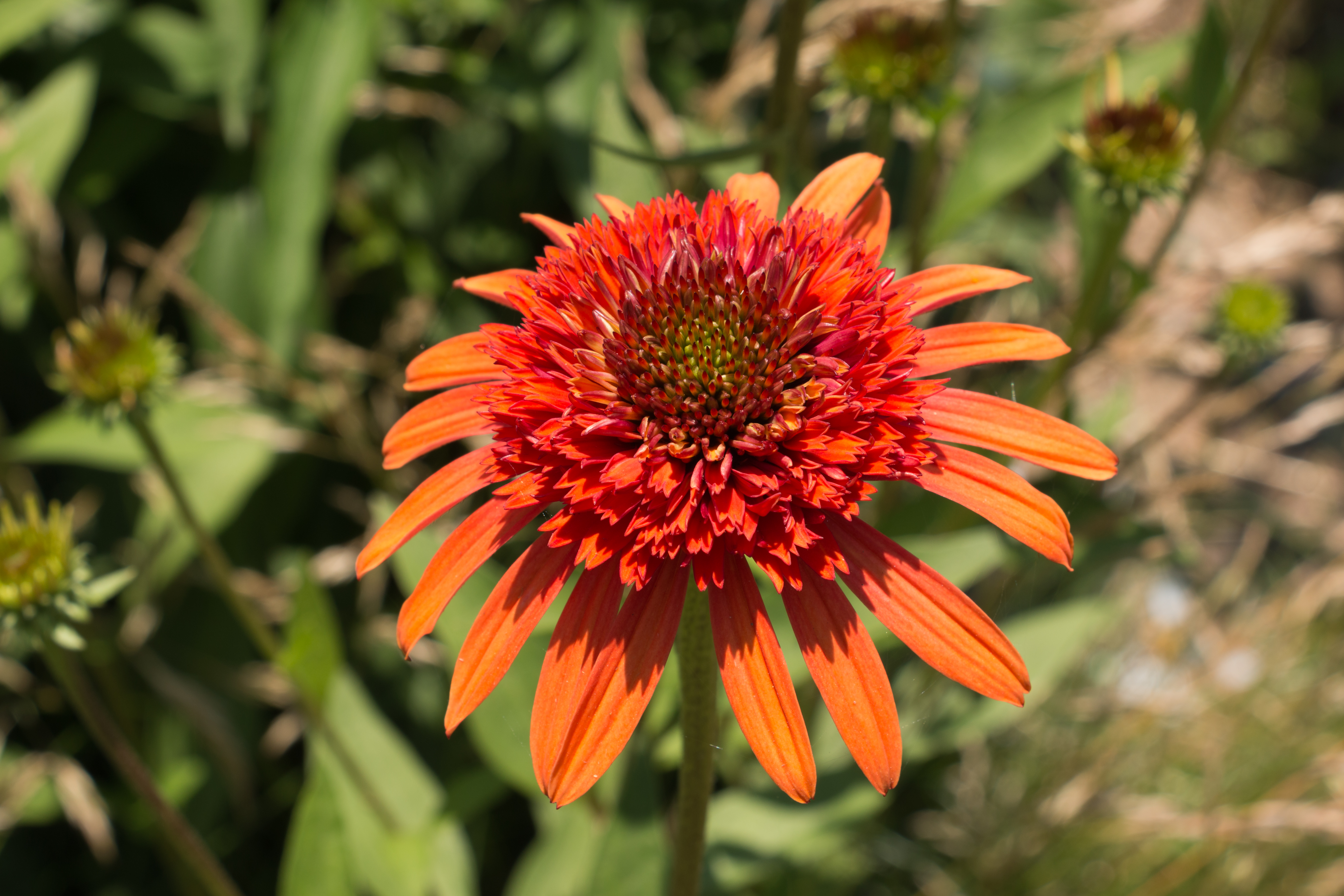
- {{coneflower}} (Echinacea): Their daisy-like flowers provide a lovely contrast to Baptisia's spires, and they bloom from summer into fall.
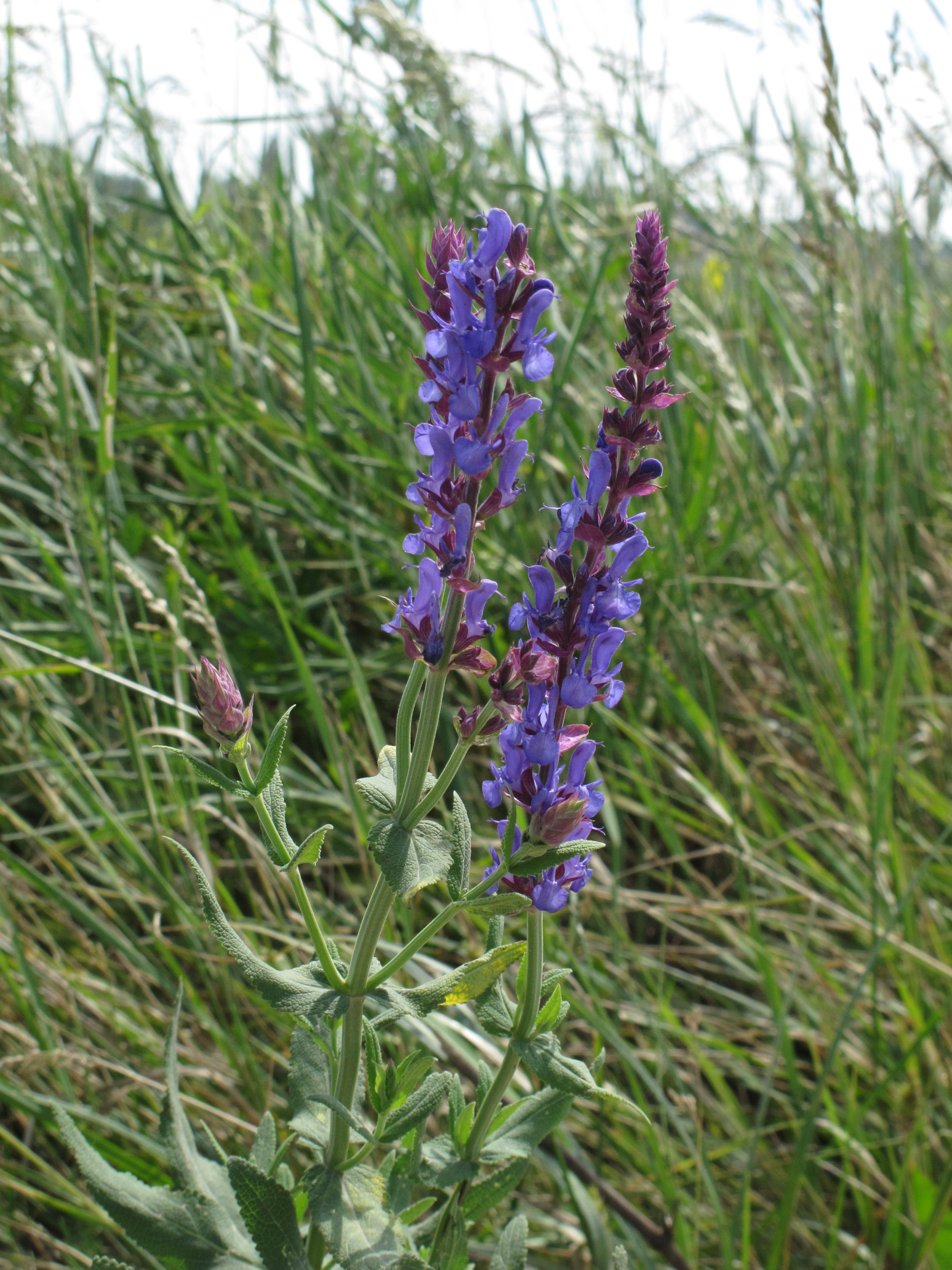
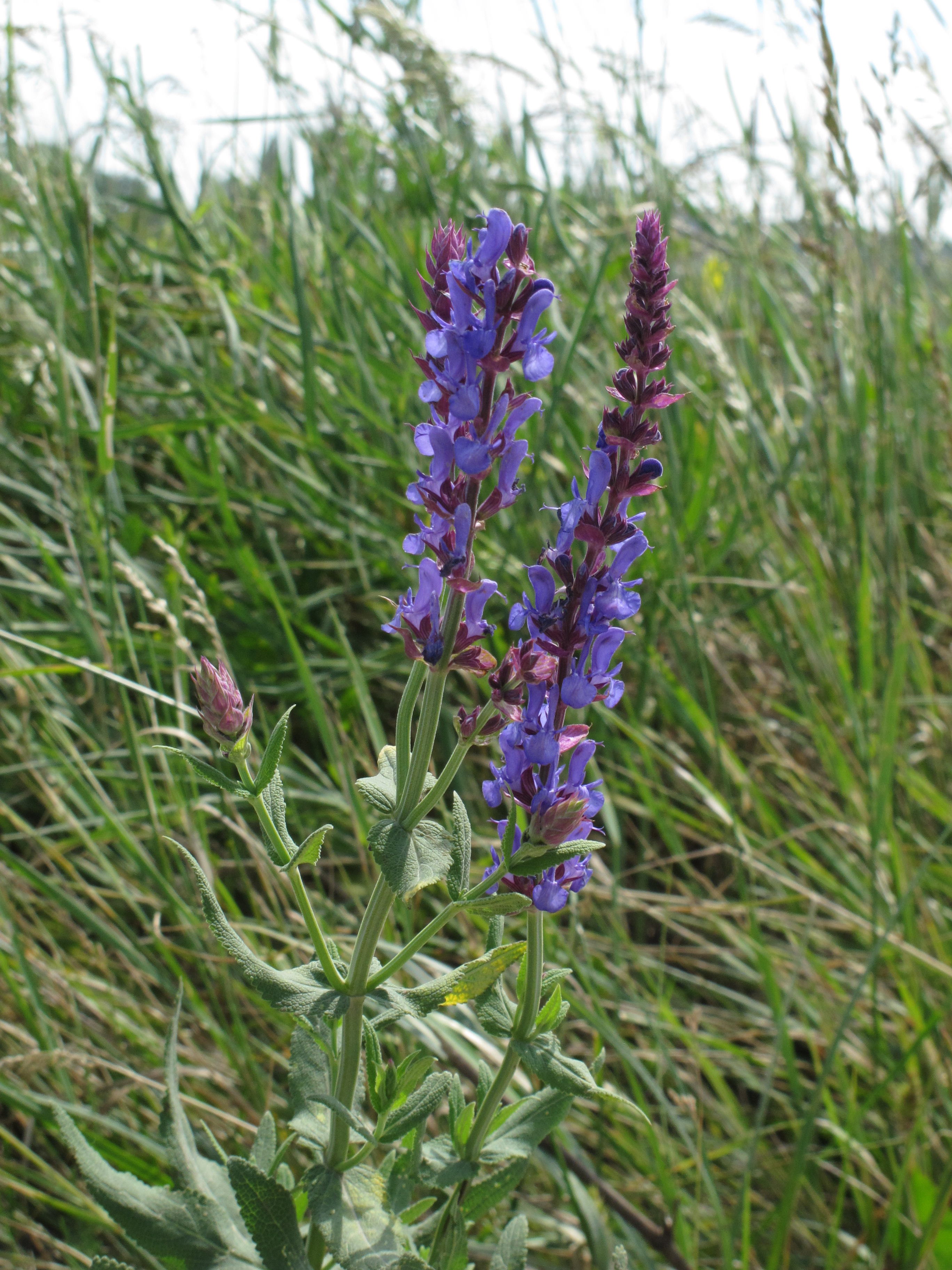
- {{salvia}} (Salvia nemorosa, S. x superba): Spikes of purple, blue, or pink flowers bloom alongside or after Baptisia, and their aromatic foliage deters deer.
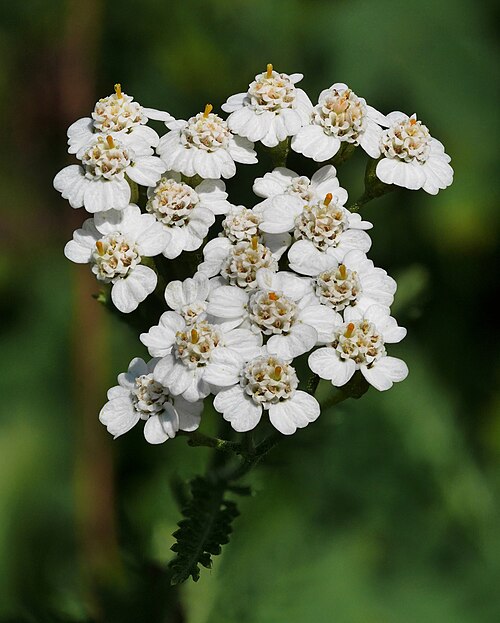
- {{yarrow}} (Achillea): Flat-topped flower clusters in various colors offer a different texture and are very drought-tolerant.
- {{blazing-star}} (Liatris spicata): Tall, vertical spikes of purple flowers bloom in mid-summer, creating a striking vertical accent.
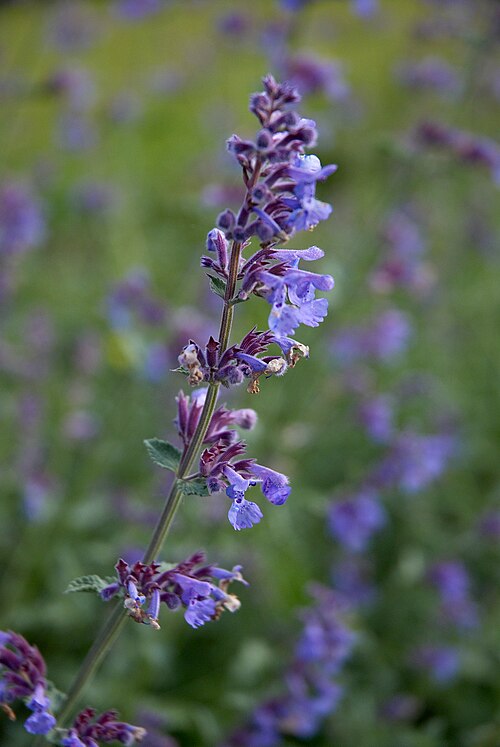
- {{catmint}} (Nepeta): Its soft, mounding form and clouds of lavender-blue flowers are a perfect complement, and its strong scent is a deer deterrent.
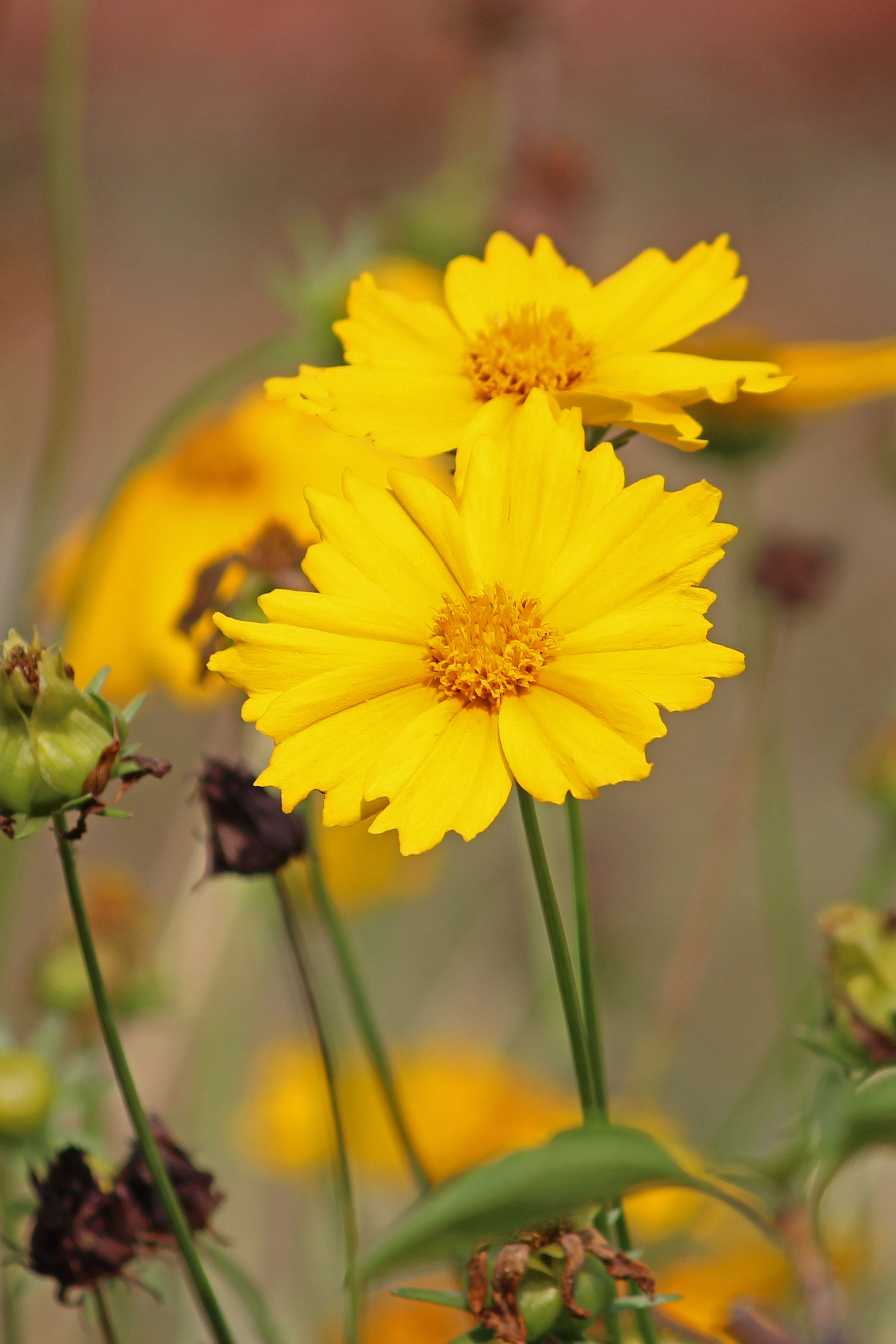
- {{coreopsis}} (Coreopsis): Bright, cheerful daisy-like flowers that bloom for an extended period, adding a pop of color.
- {{black-eyed-susan}} (Rudbeckia hirta): Classic yellow and black flowers that bring a sunny disposition to the late summer garden.
By combining Baptisia with these reliable, deer-resistant beauties, you can create a vibrant, low-maintenance garden that will thrive even in areas with significant deer activity.
Baptisia is a true garden workhorse, offering beauty, ecological benefits, and peace of mind for gardeners battling deer. Its ease of care and long-lived nature make it a highly recommended addition to nearly any sunny landscape.
Ready to find the perfect plants for your yard? Try the PlantWise Plant Finder →