FTC Disclosure: This post contains affiliate links. If you make a purchase through these links, we may earn a commission at no extra cost to you.
If you're wondering, "Is barberry deer resistant?" the answer is yes—barberry is considered extremely deer resistant due to its sharp thorns and bitter compounds that deter browsing. This makes it an excellent choice for gardeners looking to protect their landscapes from hungry deer while adding vibrant foliage and structure to their yards. In this guide, we'll explore why barberry repels deer, how it performs against other wildlife, and tips to successfully grow it in your garden.
For pet owners, remember that barberry is not listed as toxic to pets, but it's always best to keep an eye on curious animals. If you suspect your pet has ingested any potentially harmful plant material, contact the ASPCA Animal Poison Control Center at 888-426-4435 immediately.
What Makes Barberry Deer Resistant?
Barberry shrubs (genus Berberis) are well-known for their dense, thorny branches and bitter-tasting foliage. These physical and chemical defenses make them unappealing to deer and other common garden pests.
Sharp Thorns: Barberry stems are covered with stout, sharp thorns that make browsing physically uncomfortable for deer and rabbits. This mechanical defense discourages animals from attempting to eat or trample the shrub.
Bitter Compounds: Barberry contains alkaloids such as berberine, which have a bitter taste and potential toxicity that deter herbivores. Deer instinctively avoid plants with unpleasant flavors to prevent digestive upset.
Dense Growth Habit: The thick, tangled form of many barberry cultivars creates an impenetrable barrier, further discouraging deer from pushing through.
Together, these traits make barberry a reliable choice for gardeners seeking deer-resistant plants.
🌱 Get Personalized Plant Picks
Answer a few quick questions and we’ll match plants to your exact yard conditions.
Find My Plants →Which Barberry Varieties Are Most Deer Resistant?
The genus Berberis includes both deciduous and evergreen species, with many cultivars bred for colorful foliage and compact growth. Most barberries share similar deer-resistant qualities, but some varieties may be more effective depending on thorn density and growth habit.
Japanese Barberry (Berberis thunbergii): One of the most popular landscape shrubs, Japanese barberry features sharp thorns and bright red or purple foliage. It is highly deer resistant and widely used as a protective hedge or barrier.
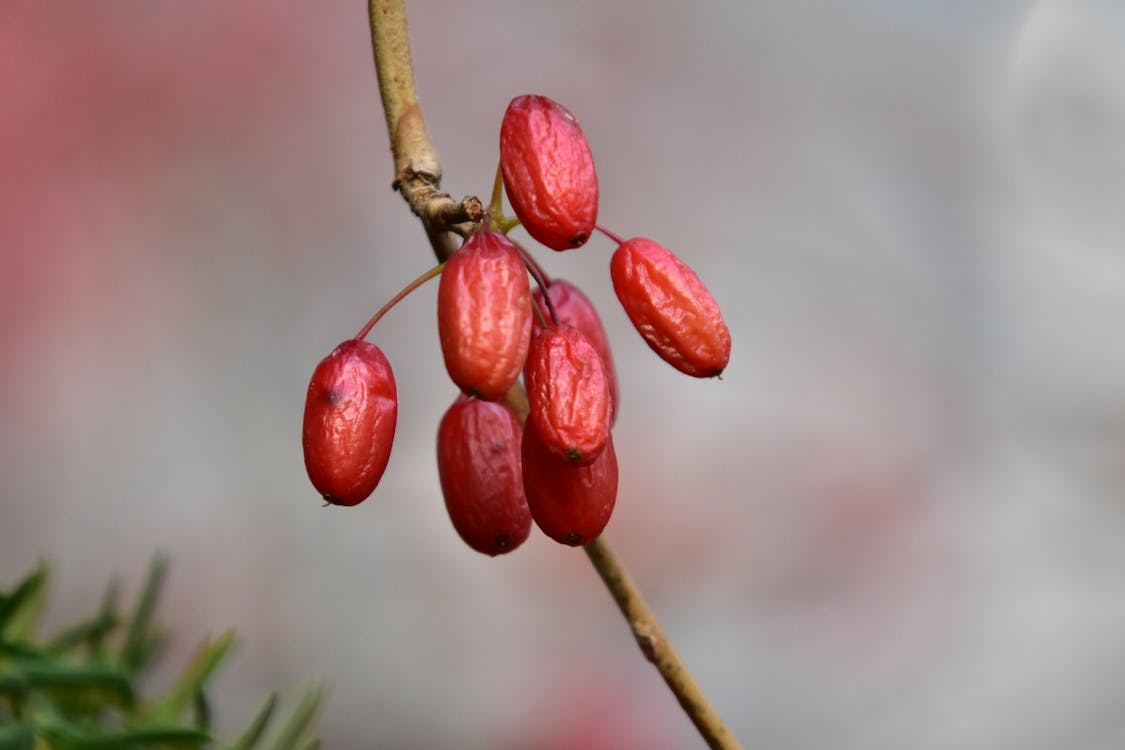
Common Barberry (Berberis vulgaris): This species has larger thorns and yellow flowers, along with red berries. It is also very deer resistant and tolerates a range of soil conditions.
Dwarf Barberry Cultivars: Varieties like 'Crimson Pygmy' or 'Golden Nugget' maintain the thorny structure and bitter compounds while offering smaller size, ideal for borders or containers.
Regardless of variety, barberries are generally avoided by deer, making them a versatile option across many garden styles.
Wildlife Resistance Beyond Deer
While barberry is prized for its deer resistance, it is worth understanding how it interacts with other wildlife:
Rabbits: The thorny branches and bitter taste also tend to repel rabbits, though hungry individuals may occasionally nibble young shoots.
Groundhogs: Barberry’s tough structure and distastefulness usually discourage groundhogs from feeding on it, but no plant is completely groundhog-proof.
Birds: Birds often appreciate barberry berries as a food source, especially in winter. This makes barberry a valuable plant for supporting local bird populations.
Note: No plant is entirely immune to all wildlife damage, and feeding preferences vary regionally and seasonally. Use barberry as part of a comprehensive wildlife-resistant landscape strategy.
Growing Barberry Successfully
To maximize your barberry’s health and deer resistance, consider these growing tips:
Sunlight: Barberry thrives in full sun to light shade, which enhances leaf color and thorn development.
Soil: Adaptable to a wide range of soil types, barberry prefers well-drained soil but tolerates drought and poor fertility once established.
Watering: Moderate watering is sufficient; avoid overwatering to prevent root rot.
Pruning: Prune in late winter or early spring to maintain shape and encourage dense growth. Be sure to wear gloves and protective clothing due to the sharp thorns.
Spacing: Plant barberries with adequate space to allow air circulation and reduce disease risk.
Potential Concerns and Considerations
Invasiveness: Japanese barberry is considered invasive in some regions due to its ability to spread aggressively. Check local regulations before planting.
Thorns: While thorns deter deer, they can be hazardous to humans and pets. Plant barberry away from high-traffic areas and handle with caution.
Not Listed as Toxic: Barberry is not currently listed as toxic to pets, but ingestion of berries or foliage can cause mild stomach upset. Keep an eye on pets and children to prevent accidental ingestion.
Barberry Alternatives for Deer-Resistant Landscaping
If you want to explore other plants with similar deer resistance and hardiness, consider these options:
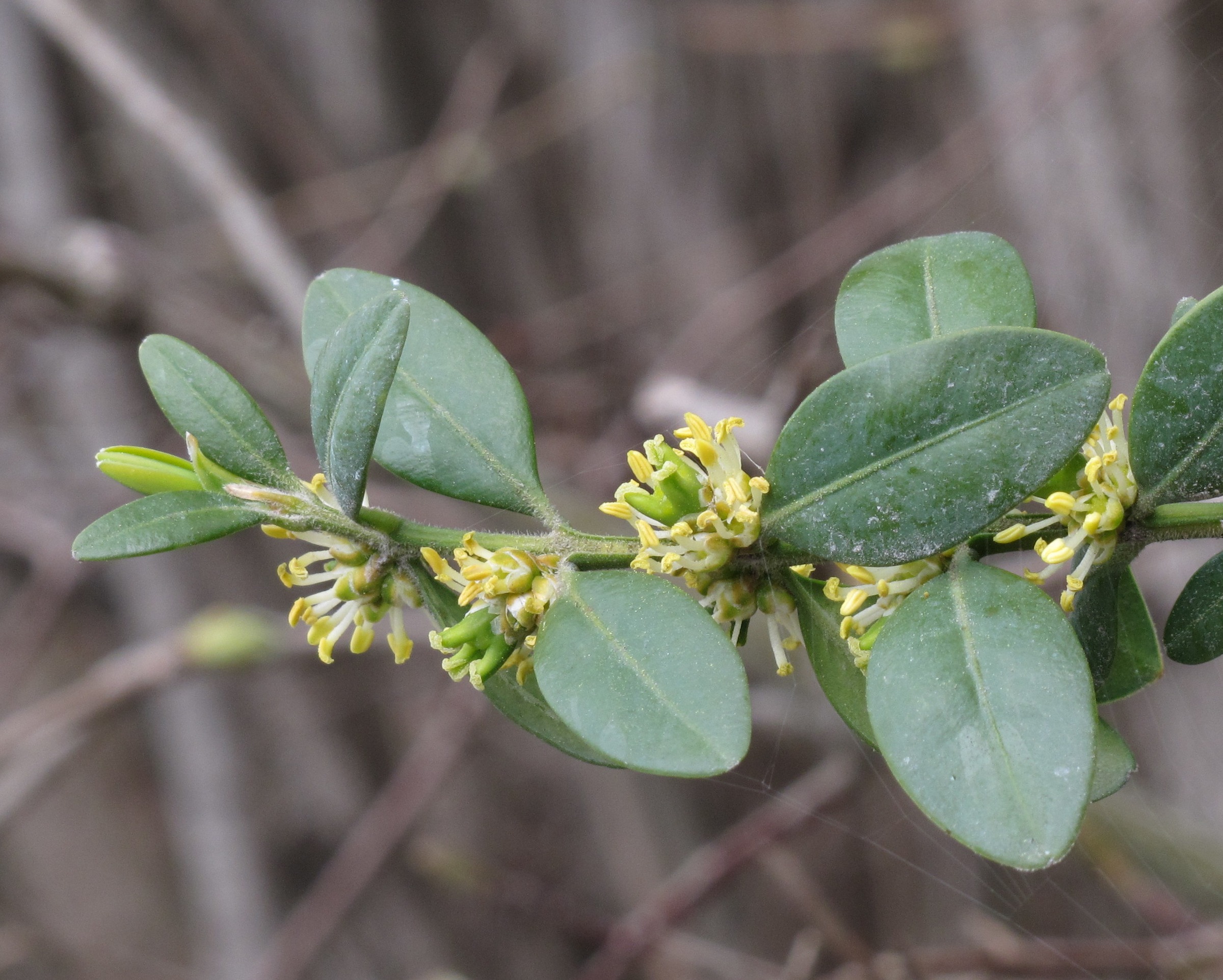
Boxwood — A dense evergreen shrub with thick foliage that deer typically avoid.
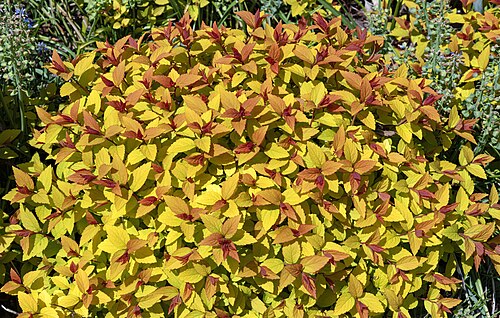
Spirea — A deciduous shrub with colorful blooms and a non-palatable texture.
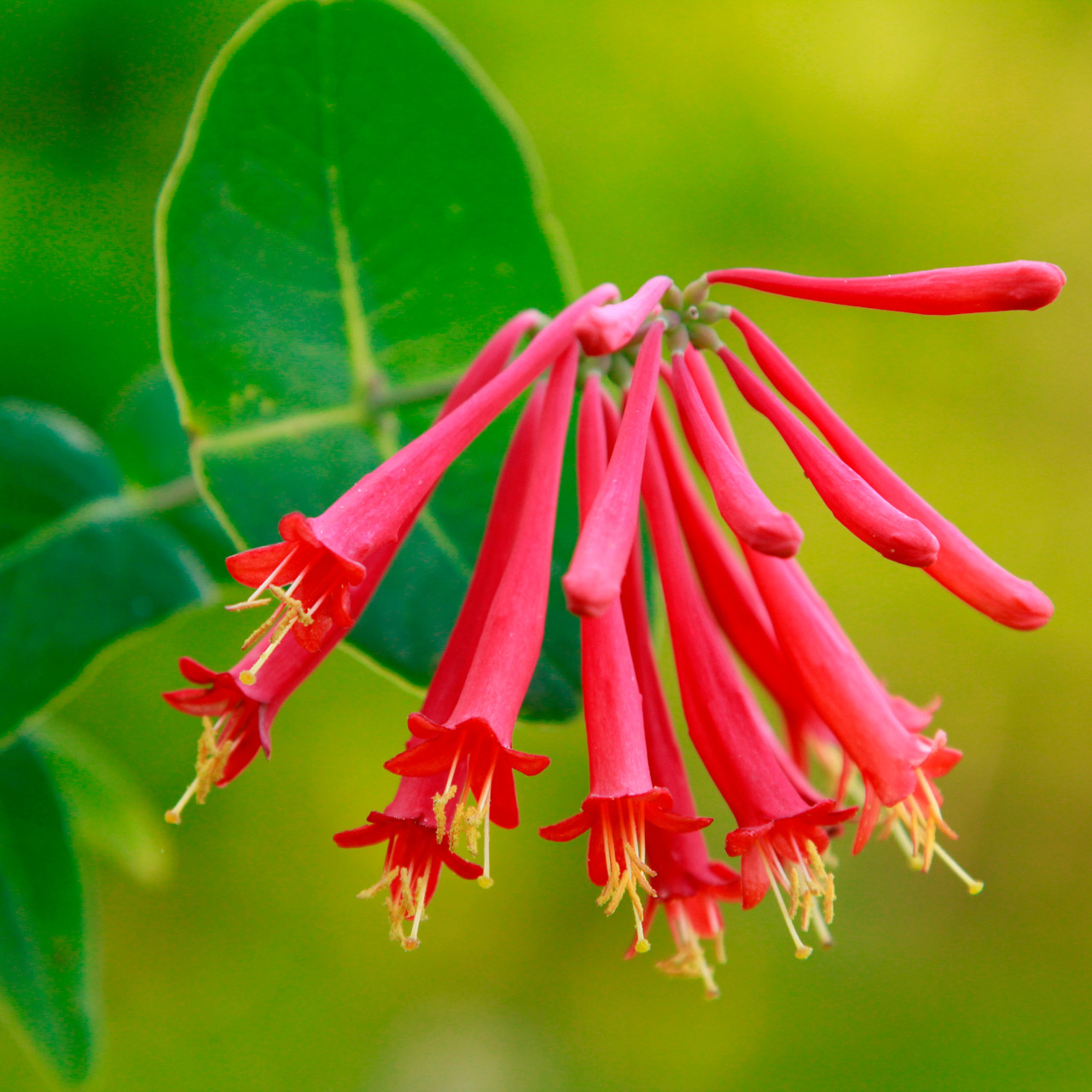
Honeysuckle — Some honeysuckle species have a bitter taste that deters deer.
Barberry — Different barberry species and cultivars fit various landscape needs.
Conclusion
Barberry is an excellent choice if you’re asking, “Is barberry deer resistant?” Its sharp thorns, bitter taste, and dense growth habit make it highly unappealing to deer and many other wildlife. With proper care and placement, barberry can enhance your garden’s beauty while helping protect it from unwanted browsing.
For more plant recommendations tailored to your garden’s conditions and wildlife challenges, try our Plant Finder wizard at /wizard. It’s an easy way to discover the perfect plants for a thriving, deer-resistant landscape.
If you have pets, remember that barberry is not listed as toxic but can cause mild irritation if eaten. For emergencies, contact the ASPCA Animal Poison Control Center at 888-426-4435.
Wildlife resistance varies by location and animal behavior. No plant is completely deer-proof. Always use multiple strategies to protect your garden.