FTC Disclosure: This post contains affiliate links. We may earn a commission at no extra cost to you if you make a purchase through these links.
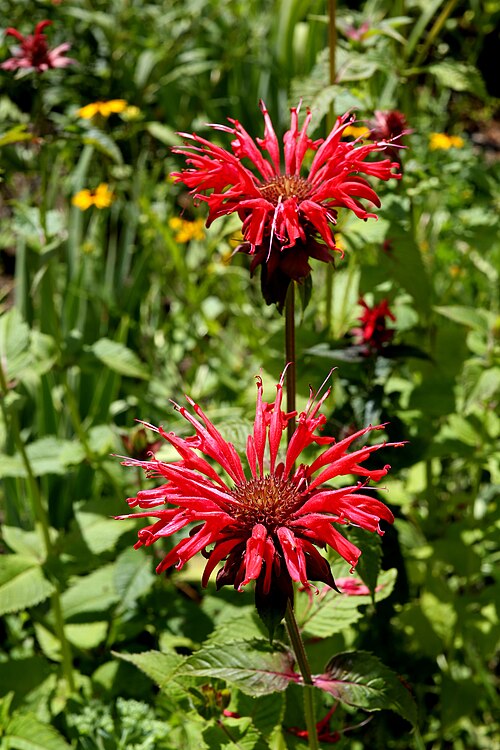
If you’re wondering “Is bee balm deer resistant?” the short answer is yes—bee balm (Monarda spp.) is generally considered deer resistant due to its aromatic foliage, which deer tend to avoid. This makes it a great choice for gardeners looking to add vibrant color and pollinator-friendly flowers without the worry of deer damage. In this complete guide, we’ll explore why bee balm deters deer, how to grow and care for it, and what to expect regarding wildlife resistance in your garden.
What Makes Bee Balm Deer Resistant?
Bee balm’s resistance to deer primarily comes from its aromatic oils and strong scent. The plant’s leaves and flowers emit a minty fragrance that is unpleasant to deer, discouraging them from nibbling. While deer feeding habits can vary by region and food availability, bee balm is commonly listed among plants deer tend to avoid.
Bee balm belongs to the mint family (Lamiaceae) and shares the aromatic qualities of many herbs that are disliked by deer. Its fuzzy, textured leaves also make it less appealing as a food source. However, it’s important to note that no plant is completely deer-proof. In times of severe food scarcity, deer may sample plants they usually avoid.
🌱 Get Personalized Plant Picks
Answer a few quick questions and we’ll match plants to your exact yard conditions.
Find My Plants →Bee Balm’s Role in Wildlife Gardens
While bee balm keeps deer away, it simultaneously attracts beneficial pollinators like hummingbirds, butterflies, and bees. The vibrant tubular flowers provide nectar, making bee balm an excellent addition to wildlife and pollinator gardens.
Because of its dual role—deer resistance and pollinator attraction—bee balm is a favorite among gardeners seeking to protect their garden while supporting local ecosystems.
Growing Bee Balm: Tips for Success
Light and Soil Requirements
Bee balm thrives best in full sun to part shade and appreciates well-drained, moderately fertile soil. It prefers soil with consistent moisture but does not tolerate soggy conditions.
Watering
Keep the soil evenly moist, especially during dry spells. Once established, bee balm is relatively drought tolerant but performs best with regular watering.
Spacing and Airflow
Bee balm can spread quickly and tends to form thick clumps. To reduce the risk of powdery mildew—a common issue—provide good airflow by spacing plants 18 to 24 inches apart.
Maintenance
Cut back spent flowers to encourage reblooming and divide clumps every few years to maintain plant health.
Potential Deer Damage and How to Prevent It
While bee balm is deer resistant, no plant is guaranteed to be deer-proof. If your garden is in an area with high deer pressure or limited natural food sources, deer may still browse bee balm.
To minimize deer damage:
- Use deer repellents containing natural ingredients such as garlic, soap, or hot pepper.
- Install physical barriers like fencing or netting around especially vulnerable plants.
- Plant bee balm alongside other strongly scented or thorny plants to create a less inviting area for deer.
Is Bee Balm Toxic to Pets?
Bee balm is not listed as toxic to cats, dogs, or horses by the ASPCA, but that does not mean it is completely safe. Pets should be discouraged from chewing on any garden plants. In case of suspected poisoning, contact the ASPCA Animal Poison Control Center at 888-426-4435.
Wildlife Resistance Disclaimer
While bee balm is generally deer resistant, individual results may vary depending on local deer populations, food availability, and specific environmental conditions. No plant can guarantee full protection against deer, rabbits, or groundhogs. Combining multiple strategies is the most effective way to protect your garden.
Other Deer-Resistant Plants to Consider
If you’re looking to create a garden that deters deer while offering beauty and pollinator benefits, consider pairing bee balm with these plants:
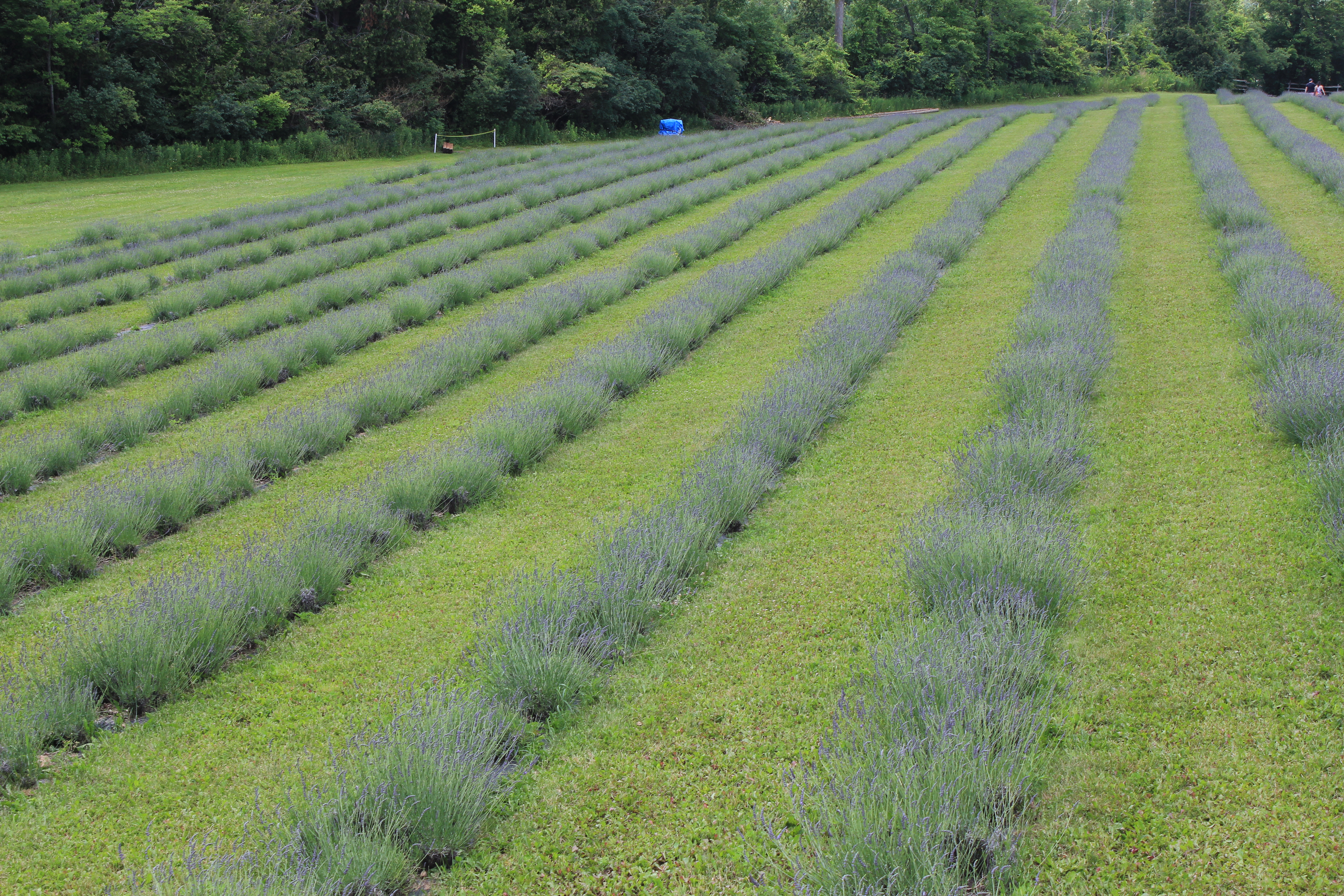
Lavender
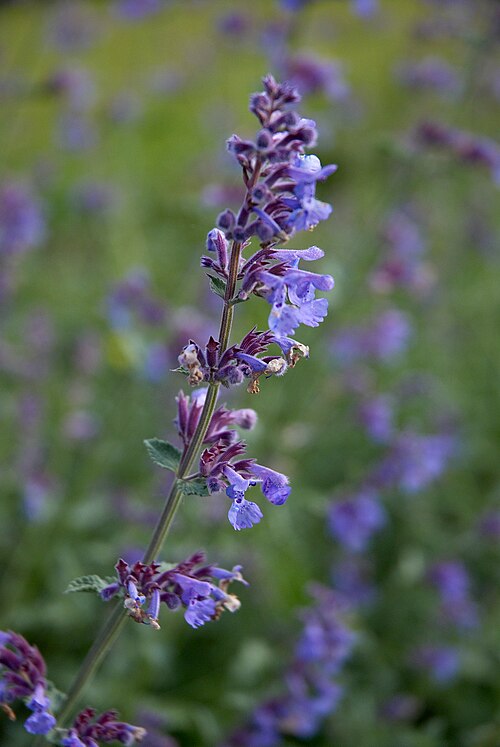
Catmint
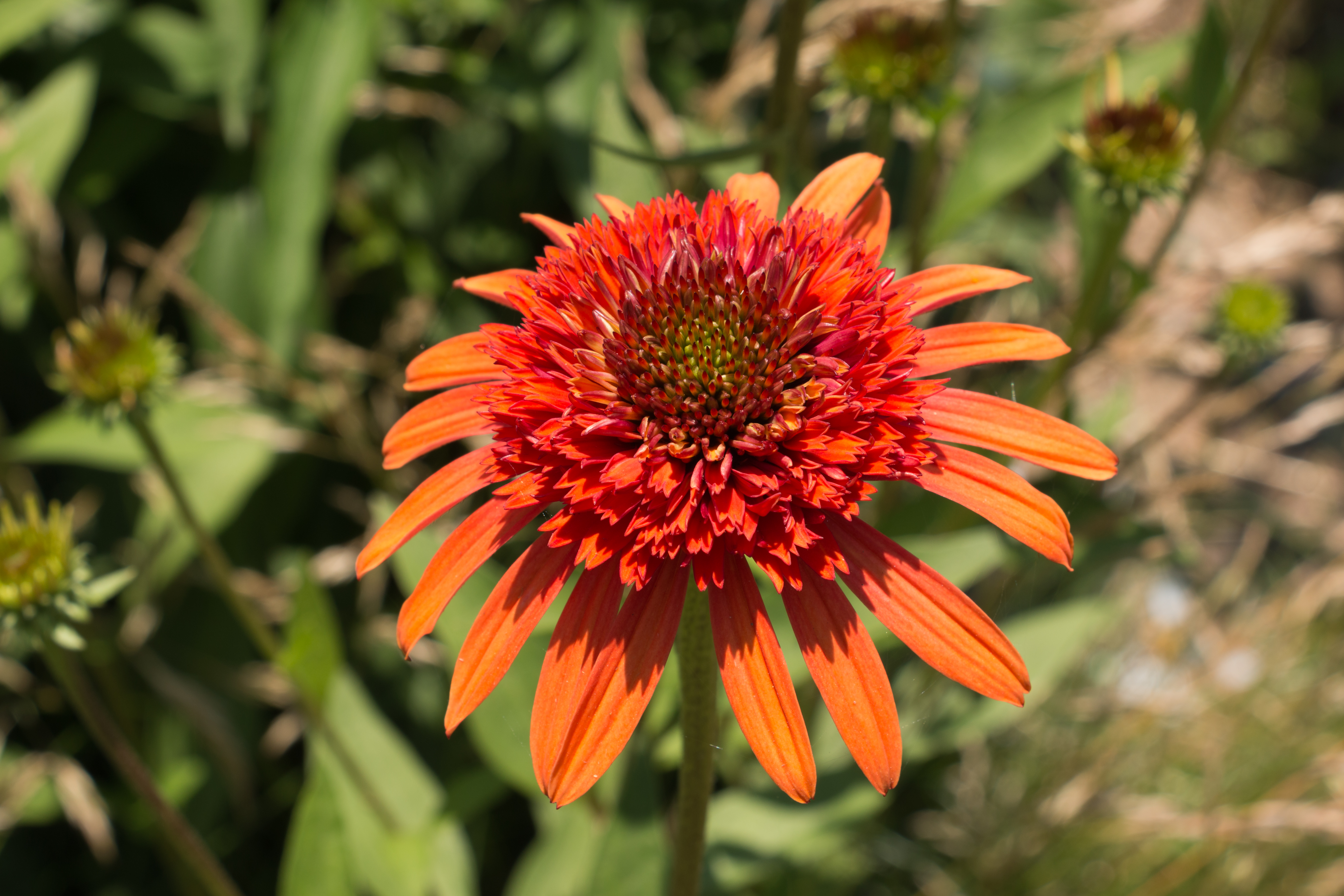
Coneflower
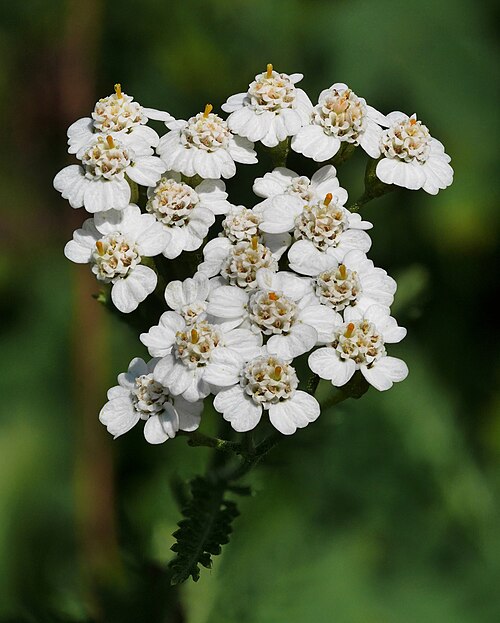
Yarrow
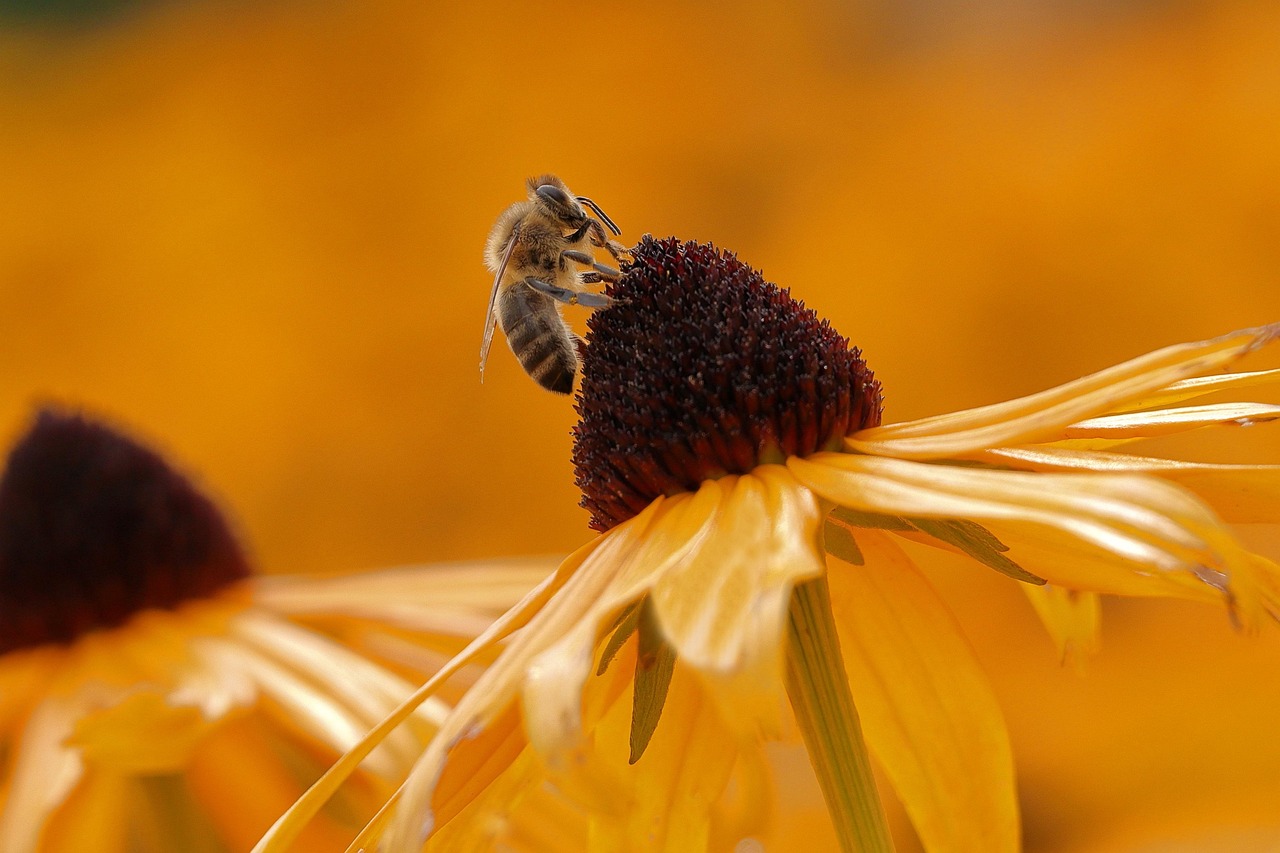
Black-eyed Susan
These plants also feature aromatic foliage or textures that deer tend to avoid and provide excellent habitat for pollinators.
Conclusion: Is Bee Balm the Right Choice for Your Garden?
Bee balm is an excellent deer-resistant plant that adds color, fragrance, and wildlife value to your garden. While not completely deer-proof, its aromatic foliage makes it an unappealing snack for most deer. Growing bee balm can help you enjoy a vibrant garden with fewer worries about deer damage, especially when combined with other deer-resistant plants and protective measures.
For those seeking to create a beautiful, deer-resistant garden full of pollinator-friendly plants, bee balm is a highly recommended option.
Ready to find the perfect plants for your yard? Try our Plant Finder wizard at /wizard to get personalized recommendations!
Need help with pet-safe gardening? Always check with the ASPCA Animal Poison Control Center at 888-426-4435 if you suspect your pet has ingested a plant or chemical.
Wildlife resistance disclaimer: No plant is completely deer, rabbit, or groundhog proof. Resistance varies with local animal pressure and environmental conditions.