Are Begonias Safe for Cats? (Important Warning)
No, begonias are not safe for cats. According to the ASPCA (American Society for the Prevention of Cruelty to Animals), all parts of the begonia plant are considered toxic to cats, with the tubers being the most toxic. Ingesting begonia can cause a range of symptoms in felines, from mild gastrointestinal upset to more severe issues. As responsible pet owners, it's crucial to be aware of which plants pose a risk to our curious companions.
🌱 Get Personalized Plant Picks
Answer a few quick questions and we’ll match plants to your exact yard conditions.
Find My Plants →What Makes Begonias Toxic to Cats?
Begonias contain insoluble calcium oxalates, which are microscopic, needle-shaped crystals. When a cat chews on any part of the begonia plant, these crystals are released and can embed themselves in the soft tissues of the mouth, throat, and gastrointestinal tract. This causes immediate irritation and discomfort.
Symptoms of Begonia Ingestion in Cats:
- Oral irritation: Pawing at the mouth, drooling, foaming at the mouth, difficulty swallowing.
- Vomiting: Often accompanied by discomfort.
- Diarrhea: Can lead to dehydration if severe.
- Lack of appetite: Due to oral pain and gastrointestinal upset.
- Difficulty breathing: In more severe cases, swelling in the throat can occur.
- Kidney failure: While rare with begonias, large ingestions of calcium oxalates can, in extreme cases, lead to kidney issues.
The severity of symptoms typically depends on the amount of plant material ingested and the specific part of the plant. The tubers (underground stems) are particularly concentrated with these oxalates and pose the highest risk.
If you suspect your pet has ingested a toxic plant, call the ASPCA Animal Poison Control Center immediately at (888) 426-4435. Early intervention is key to a positive outcome.
Quick Reference: Begonias and Cats
| Feature | Information |
|---|---|
| Toxicity Level | Toxic (ASPCA listed) |
| Toxic Compounds | Insoluble calcium oxalates |
| Toxic Parts | All parts, especially tubers |
| Symptoms | Oral irritation, drooling, vomiting, diarrhea, difficulty swallowing, pawing at mouth, loss of appetite. |
| Action | Contact vet/ASPCA Poison Control immediately. |
| Prevention | Avoid planting where cats have access; choose non-toxic alternatives. |
How Can I Protect My Cat from Begonias?
The best way to protect your cat from begonia toxicity is prevention. Here are some practical steps:
- Avoid Planting Begonias: If you have cats that spend time outdoors or have access to indoor plants, it's safest to simply avoid bringing begonias into your home or garden.
- Placement Matters (But Isn't Foolproof): If you already have begonias and can't remove them, place them in areas completely inaccessible to your cat. For indoor plants, this might mean high shelves or behind closed doors. For outdoor plants, consider fenced-off areas or raised beds that your cat cannot jump into. However, remember that determined or playful cats can often find a way.
- Supervision: When your cat is in an area with begonias, supervise them closely.
- Deterrents: Some cat owners use deterrents like citrus sprays (cats dislike the smell) or motion-activated sprinklers for outdoor plants, but these are not always effective and may not be suitable for all situations.
- Provide Alternatives: Ensure your cat has plenty of safe, enriching alternatives to chew on, such as cat grass (oat, wheat, or barley grass), catnip, or appropriate chew toys. Boredom can sometimes lead cats to explore and chew on plants they otherwise might ignore.
What Are Some Cat-Friendly Alternatives to Begonias?
While begonias offer beautiful blooms and foliage, there are many stunning and safer alternatives that can add color and interest to your garden or home without posing a risk to your feline friends. When choosing plants, always double-check their toxicity status with reliable sources like the ASPCA.
Here are a few ideas for plants generally considered not listed as toxic to cats:
For Outdoor Gardens (Sun to Partial Shade):
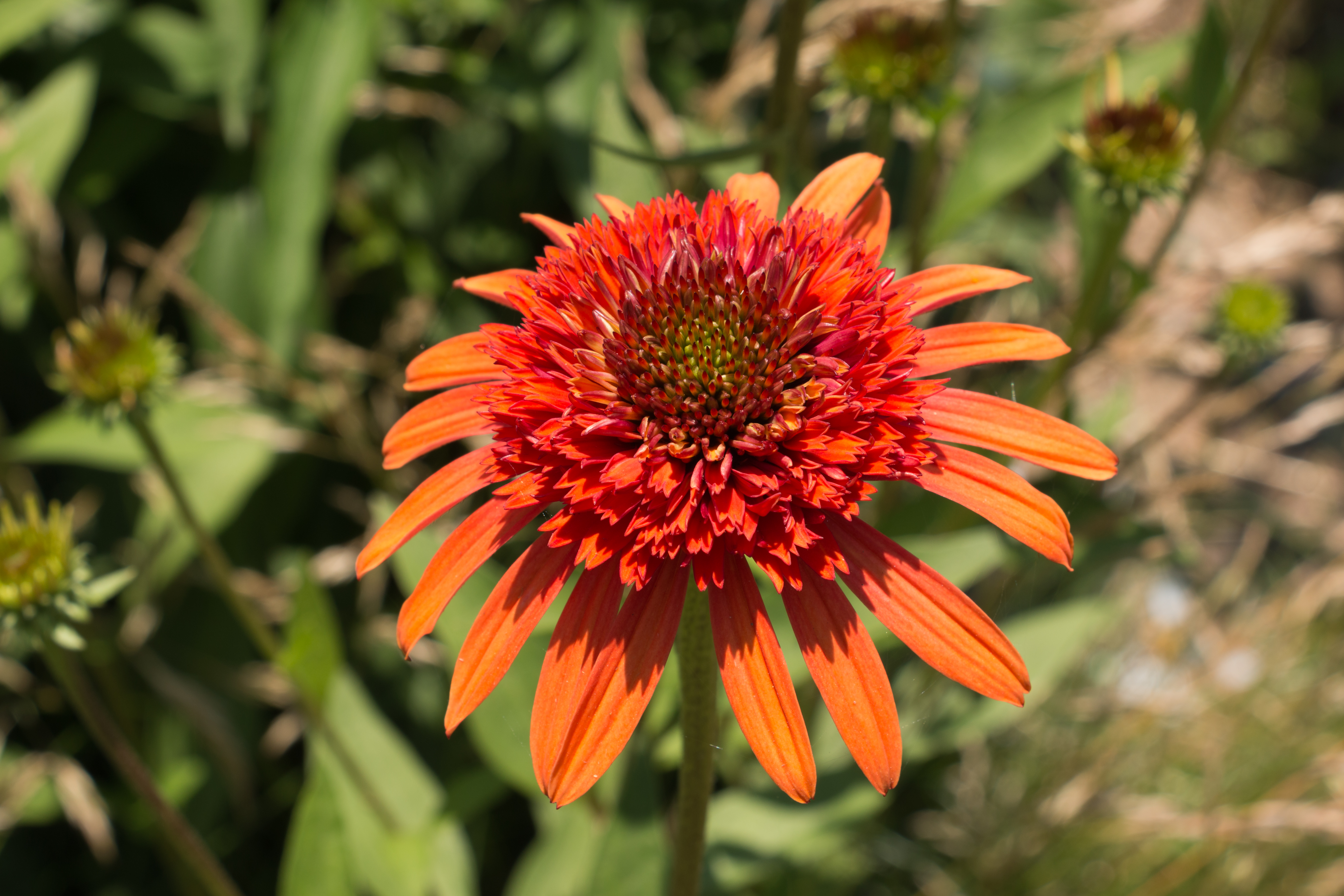
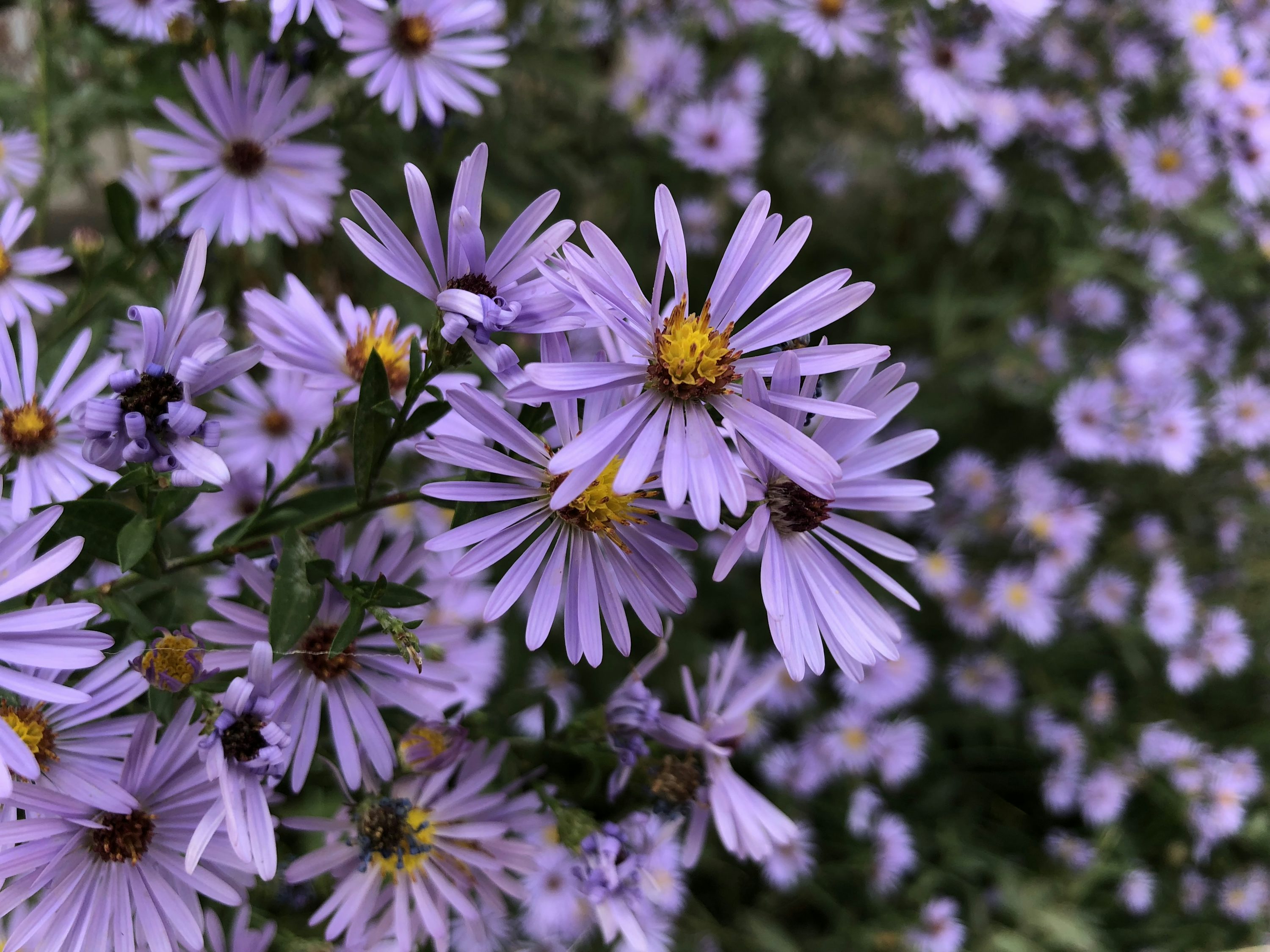
: A vibrant, daisy-like flower that comes in many colors and attracts pollinators.
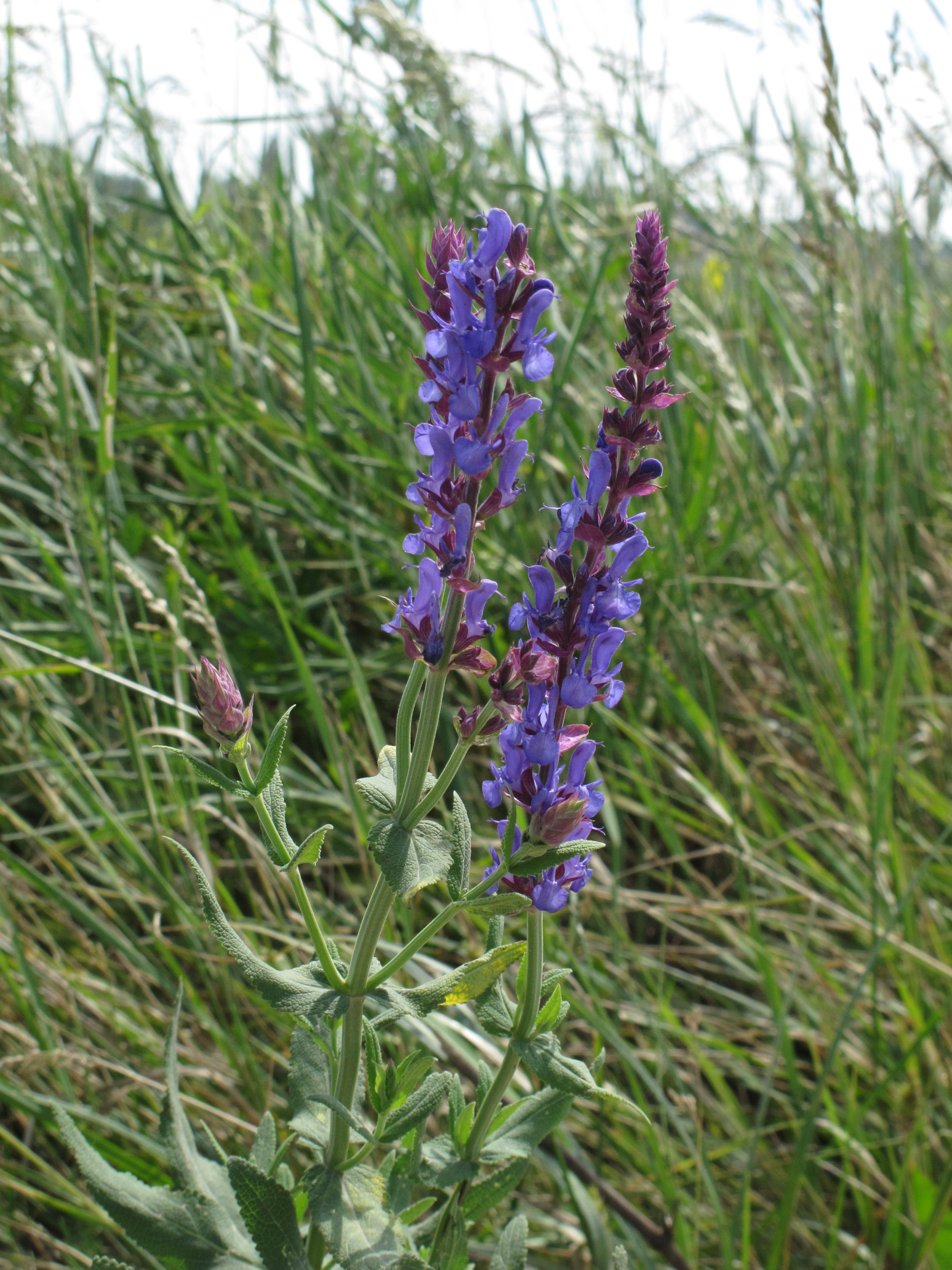
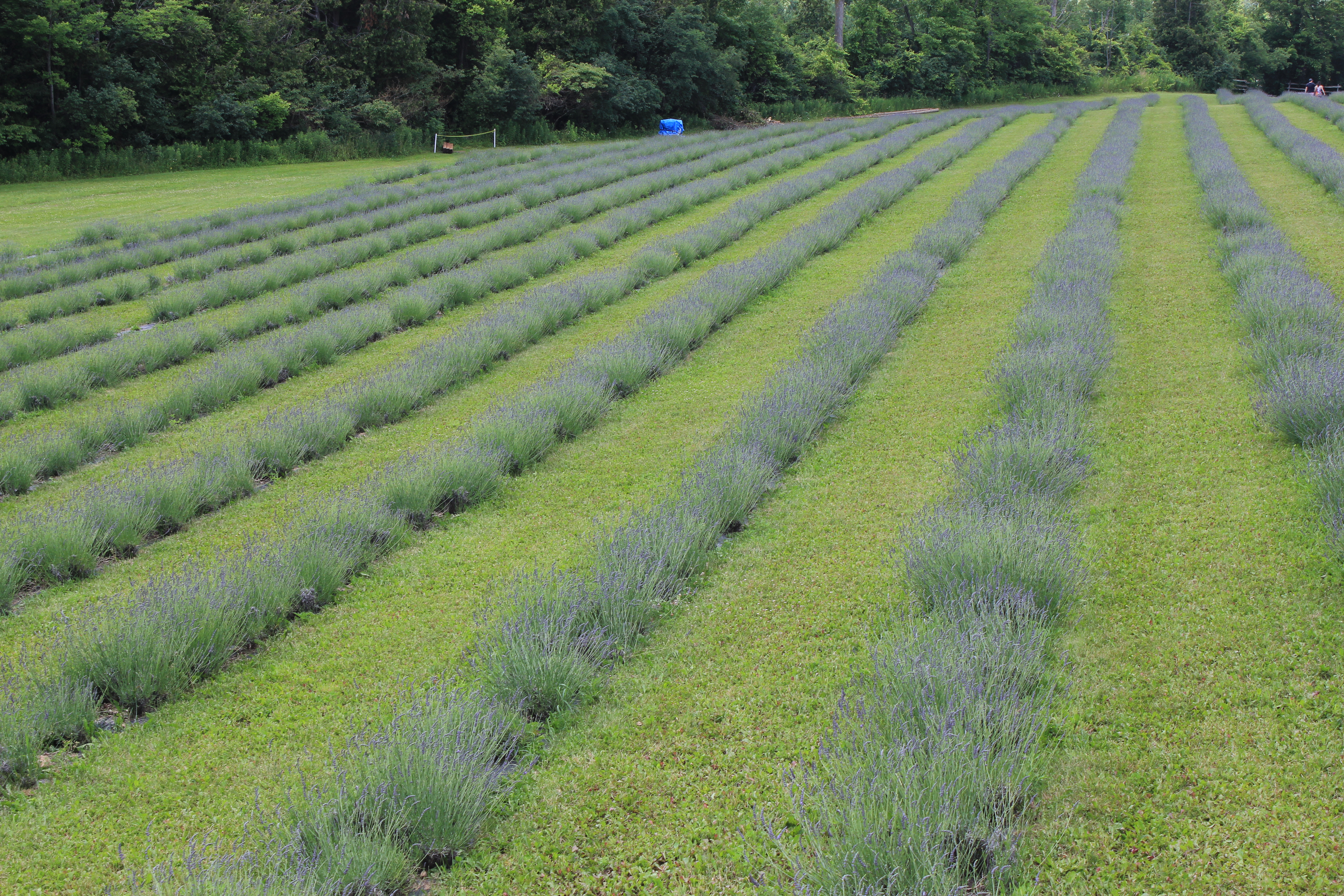
: Offers beautiful spires of purple, blue, pink, or red flowers and is very drought-tolerant.
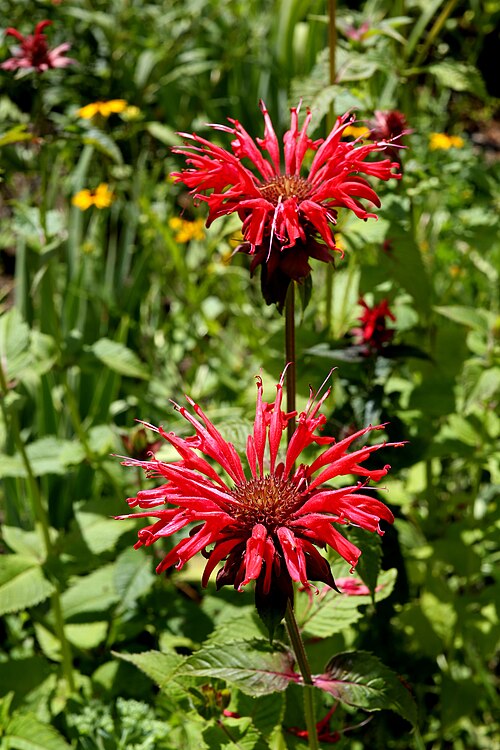
: Known for its unique, shaggy flowers and aromatic leaves, it's a favorite of hummingbirds and bees.
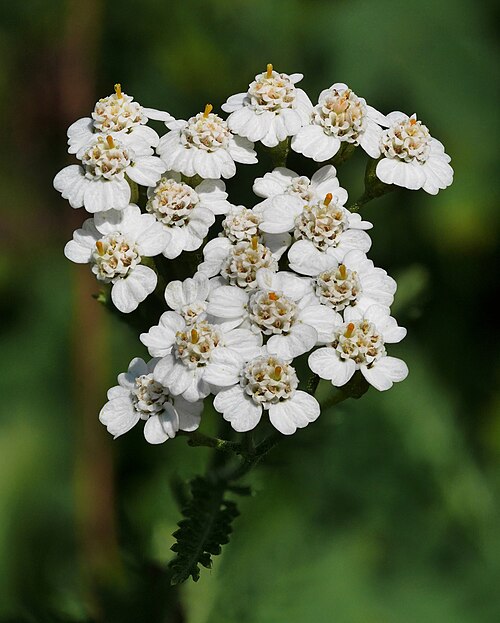
: Features flat-topped clusters of flowers in various colors and is very hardy.
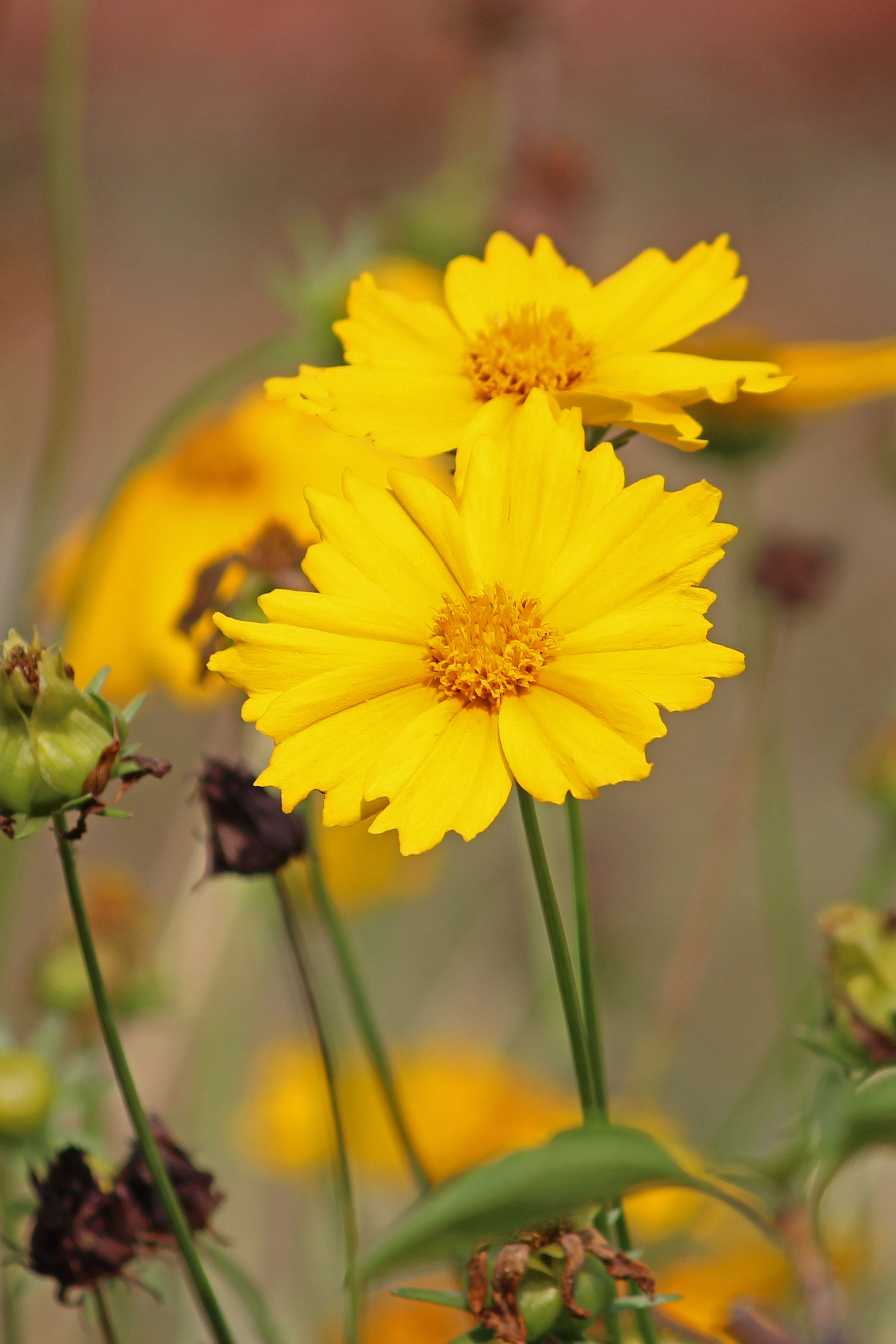
: Cheerful, bright yellow or red-orange daisy-like flowers that bloom for a long season.
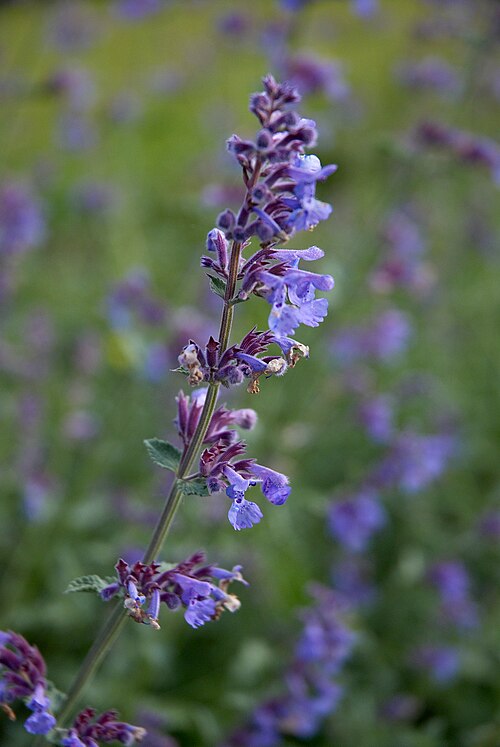
: As the name suggests, cats often enjoy this plant, which produces lovely lavender-blue spikes.
For Indoor Spaces (Bright Indirect Light):
- African Violet: Beautiful, compact flowering plants.
- Christmas Cactus: Produces lovely, colorful blooms in winter.
- Boston Fern: A classic, lush fern that adds greenery.
- Prayer Plant: Known for its striking foliage that folds up at night.
- Spider Plant: Easy to care for and produces "spiderettes" that can be propagated.
Always remember that "not listed as toxic" does not mean "safe for consumption." While these plants are generally considered safer, ingesting large quantities of any plant material can potentially cause mild digestive upset in sensitive cats.
Why is it Important to Know About Plant Toxicity for Pets?
Cats are naturally curious creatures, and their instincts often lead them to explore their environment through taste and touch. While some cats are more prone to chewing on plants than others, it's impossible to predict which plant might catch your cat's attention. Many common houseplants and garden varieties can cause serious health issues, ranging from mild irritation to organ damage or even death.
Being informed about plant toxicity allows you to:
- Create a safe environment: You can proactively remove or avoid dangerous plants.
- Respond quickly: If an ingestion occurs, knowing the plant's toxicity helps you provide accurate information to your vet or poison control, leading to faster and more effective treatment.
- Enjoy your garden and pets: With careful planning, you can have a beautiful garden and a happy, healthy cat.
Ultimately, the safety of our beloved pets is paramount. While begonias are undeniably attractive, their potential toxicity to cats means they are best avoided in homes with feline residents. Opting for cat-friendly alternatives ensures both your garden's beauty and your pet's well-being.
Ready to find the perfect plants for your yard? Try the PlantWise Plant Finder →