FTC Disclosure: This post contains affiliate links. As an Amazon Associate, PlantWise earns from qualifying purchases.
If you’re wondering, “Is Black-Eyed Susan deer resistant?” the answer is yes. Black-Eyed Susan (Rudbeckia hirta) is widely regarded as one of the most deer-resistant native perennials available, making it a popular choice for gardeners in areas with frequent deer activity. Its tough, slightly coarse foliage and bitter taste deter deer from browsing, allowing it to thrive where many other plants suffer. In this complete guide, we’ll explore why Black-Eyed Susan is deer resistant, how to best use it in your garden for deer deterrence, and considerations for pet safety and wildlife.
Why Are Black-Eyed Susans Deer Resistant?
Deer resistance in plants is generally due to taste, texture, or toxicity. While Black-Eyed Susans are not toxic to deer, their rough, hairy leaves and stems produce an unappealing texture and mild bitterness that deer find off-putting. The coarse hairs on the foliage can irritate a deer’s mouth, making the plant less palatable compared to tender, lush greenery.
Additionally, Black-Eyed Susans contain certain secondary compounds that contribute to their bitter flavor. These natural defenses evolved as survival mechanisms, helping the plant avoid being overgrazed in its native habitats.
However, it’s important to note that “deer resistant” does not mean “deer proof.” In times of extreme food scarcity, hungry deer may browse on Black-Eyed Susan, but under normal circumstances, they tend to avoid it.
🌱 Get Personalized Plant Picks
Answer a few quick questions and we’ll match plants to your exact yard conditions.
Find My Plants →Characteristics of Black-Eyed Susan That Deter Deer
- Coarse, Hairy Leaves: The rough texture irritates deer mouths.
- Bitter Taste: Compounds in the foliage discourage browsing.
- Erect Stems: Upright growth form makes it less accessible to some grazing.
- Late Summer Blooms: Deer often browse earlier in the season, so the timing helps.
- Native Adaptation: Being native to many North American regions, it co-evolved with local deer populations.
Growing Black-Eyed Susan for Deer Resistance
To maximize Black-Eyed Susan’s deer resistance benefits, consider these gardening tips:
- Plant in Groups: Large masses are more visually intimidating to deer.
- Mix with Other Deer-Resistant Plants: Combine with other unpalatable species for a robust deer-deterring garden.
- Maintain Plant Health: Healthy plants maintain stronger chemical defenses.
- Avoid Fertilizers That Produce Tender Growth: Over-fertilizing can make plants more appealing.
- Use as a Border or Barrier: Deer tend to avoid entering areas with dense stands of rough-textured plants.
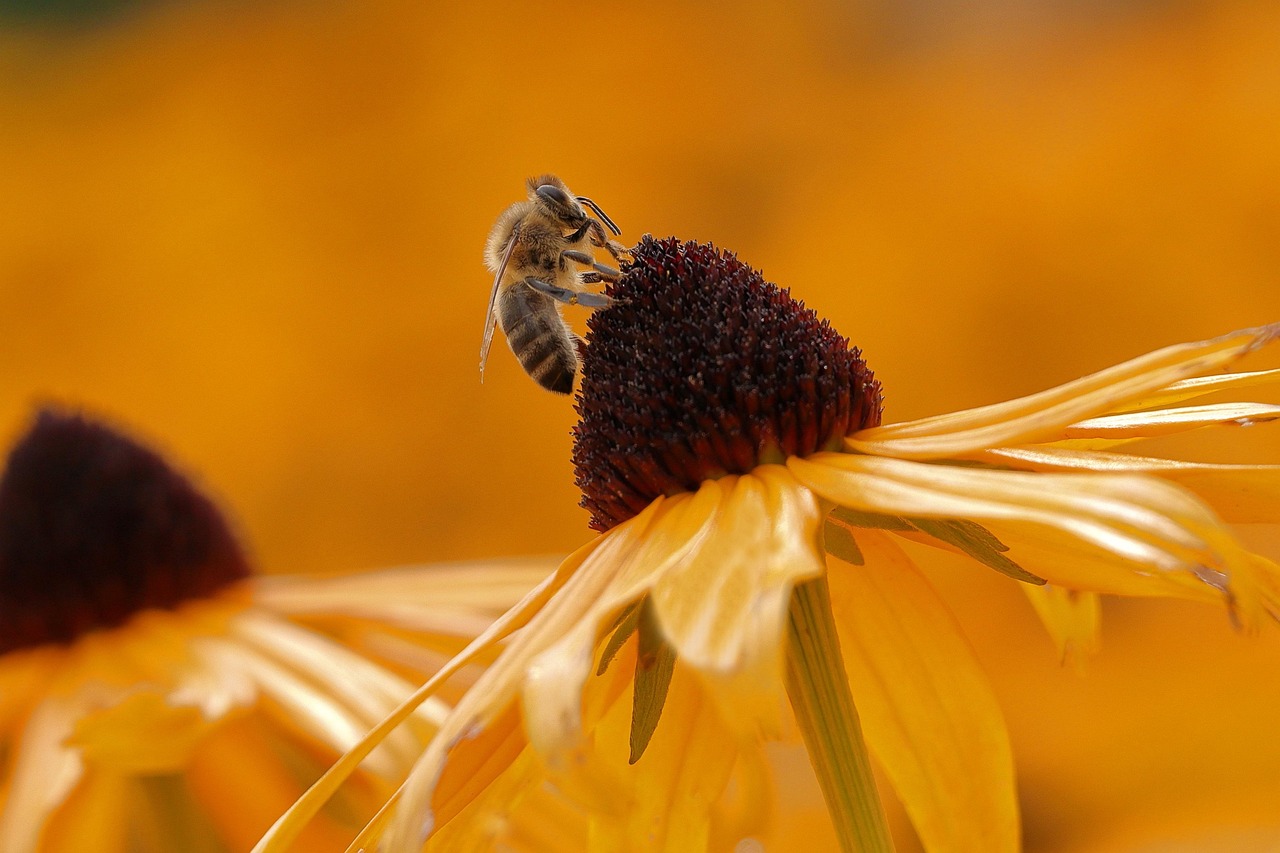
Black-eyed Susan
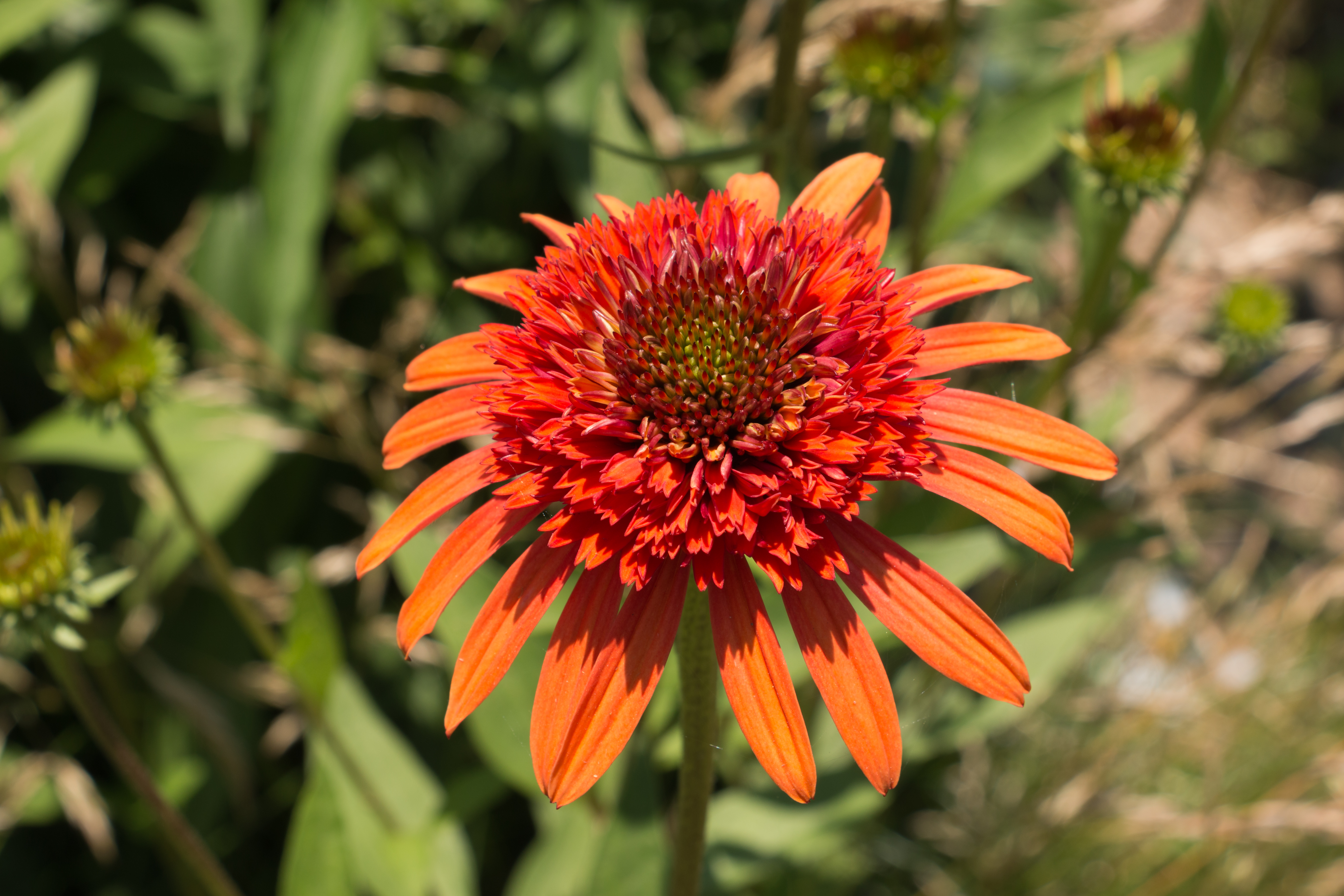
Coneflower
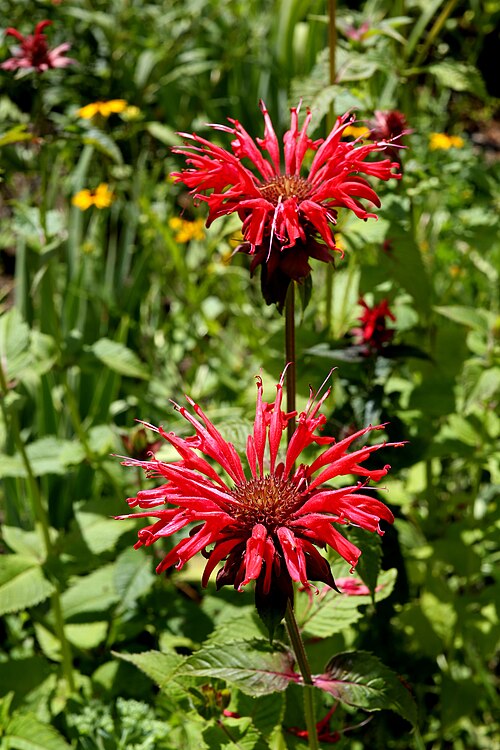
Bee Balm
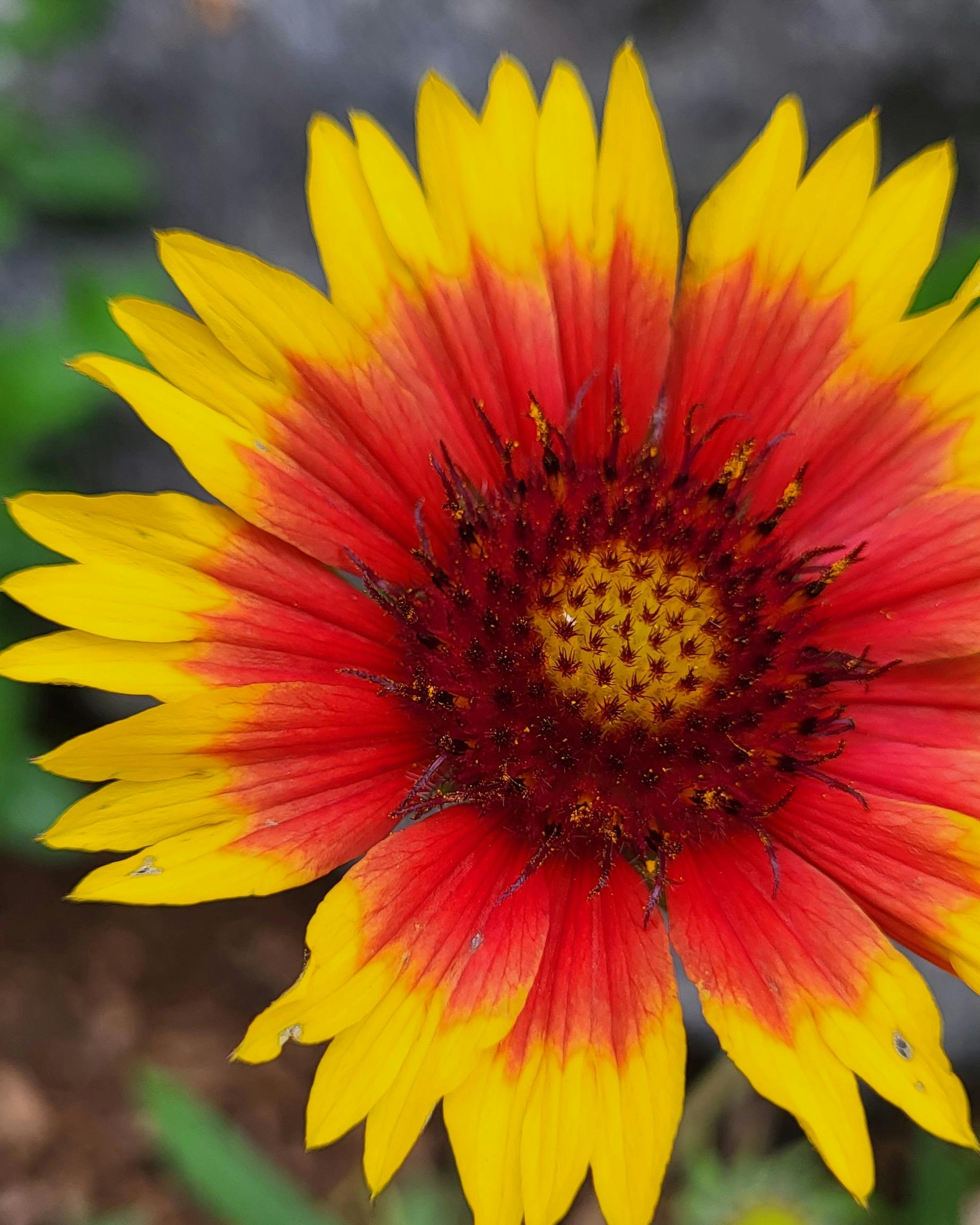
Blanket Flower
Deer Resistant Companions to Black-Eyed Susan
Pairing Black-Eyed Susan with other deer-resistant perennials can help create beautiful, resilient gardens. Some excellent companions include:
- Purple Coneflower (Echinacea purpurea): Another native with tough, leathery leaves and bitter taste.
- Bee Balm (Monarda didyma): Aromatic foliage deters deer with strong scents.
- Blanket Flower (Gaillardia spp.): Hairy foliage and drought tolerance make it unappealing.
These plants together offer a colorful, wildlife-friendly landscape that stands up well to deer browsing pressure.
Considerations About Wildlife and Pets
While Black-Eyed Susan is deer resistant, it may attract beneficial pollinators such as bees and butterflies, which support local ecosystems. However, no plant is completely wildlife resistant—deer, rabbits, groundhogs, and other animals’ feeding habits vary by region and season, so individual experiences may differ.
Wildlife Resistance Disclaimer: Deer resistance varies depending on local deer populations, food availability, and environmental conditions. No plant is guaranteed to be completely deer proof.
For households with pets, Black-Eyed Susan is not listed as toxic to cats, dogs, or horses by the ASPCA. However, ingestion of any plant material can cause mild gastrointestinal upset. Always monitor pets around garden plants.
If you suspect your pet has ingested a potentially harmful plant, contact the ASPCA Animal Poison Control Center at 888-426-4435 immediately.
How to Care for Black-Eyed Susan
Black-Eyed Susan thrives in full sun and well-drained soil. It is drought tolerant once established and requires minimal maintenance, making it suitable for both novice and experienced gardeners.
- Watering: Moderate; avoid waterlogging.
- Soil: Adaptable to various soil types but prefers slightly acidic to neutral pH.
- Pruning: Deadhead spent flowers to encourage continued blooming.
- Fertilizing: Light feeding; too much fertilizer reduces deer resistance.
- Propagation: By seed or division in early spring.
Troubleshooting Deer Browsing
If you find deer nibbling on your Black-Eyed Susans despite their resistance, consider these steps:
- Add Physical Barriers: Fencing or netting during vulnerable growth periods.
- Use Deer Repellents: Commercial sprays or homemade deterrents can reinforce resistance.
- Increase Plant Diversity: A varied landscape reduces overall deer pressure on any single species.
- Adjust Garden Location: Plant deer-resistant species closer to the house or in less accessible areas.
Final Thoughts
Yes, Black-Eyed Susan is a strong candidate for gardeners seeking deer-resistant perennials. Its native status, tough foliage, and bitter taste combine to make it unattractive to deer in most circumstances. By incorporating Black-Eyed Susan into your garden along with other deer-resistant plants, you can enjoy vibrant blooms and minimize damage from hungry deer.
Remember, no plant is completely immune to wildlife browsing under all conditions—monitor your garden and adapt your strategies accordingly.
Black-eyed Susan
Coneflower
Bee Balm
Blanket Flower
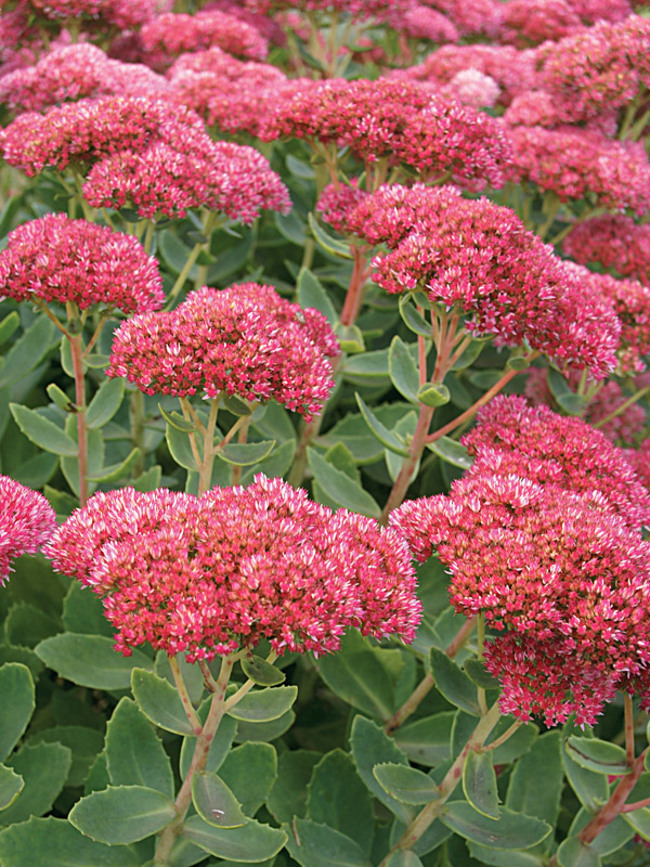
Sedum Autumn Fire
For more personalized plant recommendations tailored to your location and garden conditions, try our Plant Finder wizard at /wizard.
ASPCA Animal Poison Control Hotline: 888-426-4435 (available 24/7)
Wildlife Resistance Disclaimer: Plant resistance to deer, rabbits, and groundhogs varies by region, animal population, and food availability. No plant is guaranteed to be completely resistant.