FTC Disclosure: This post contains affiliate links. We may earn a commission at no extra cost to you if you make a purchase through these links.
If you’re wondering, “Is bleeding heart deer resistant?” the answer is yes—bleeding heart (Dicentra spectabilis) is widely regarded as one of the most reliably deer-resistant shade plants. Its unique foliage and mildly toxic compounds deter deer from munching on it, making it a favorite for gardeners battling hungry wildlife. In this complete guide, we’ll explore why bleeding heart is deer resistant, how to successfully grow it, and tips for keeping your garden wildlife-friendly.
What Makes Bleeding Heart Deer Resistant?
Bleeding heart’s deer resistance comes down to its chemistry and texture. The plant contains alkaloids and other compounds that are mildly toxic or unpalatable to deer, making it an unattractive food source. Additionally, its delicate, finely divided leaves have a somewhat bitter taste and texture that deer typically avoid.
While no plant is 100% deer-proof, bleeding heart’s combination of chemical deterrents and leaf texture gives it a strong edge as a deer-resistant perennial. This makes it an excellent choice for woodland or shade gardens where deer browsing is a concern.
🌱 Get Personalized Plant Picks
Answer a few quick questions and we’ll match plants to your exact yard conditions.
Find My Plants →Understanding Bleeding Heart’s Growing Requirements
To keep your bleeding heart healthy and thriving, it’s important to understand its preferred growing conditions:
- Light: Partial to full shade is ideal. Bleeding heart thrives in dappled sunlight or morning sun with afternoon shade.
- Soil: Rich, well-draining soil with ample organic matter is best. The plant does not tolerate soggy soil or heavy clay.
- Water: Keep soil consistently moist but not waterlogged. Bleeding heart does not like to dry out completely.
- Hardiness Zones: Generally zones 3-9, making it adaptable to many temperate climates.
Providing these ideal conditions encourages vigorous growth and reduces stress that can make plants more vulnerable to deer and other wildlife.
How to Plant and Care for Bleeding Heart
Planting Tips
- Choose a location with morning sun and afternoon shade or dappled shade all day.
- Amend soil with compost or aged manure for nutrient richness and improved drainage.
- Space plants about 1 to 2 feet apart to allow good air circulation.
- Plant crowns just below soil surface and water thoroughly after planting.
Care and Maintenance
- Watering: Maintain consistent moisture during the growing season, especially in dry spells.
- Mulching: Apply a 2-3 inch layer of organic mulch to retain moisture and suppress weeds.
- Fertilizing: Feed with a balanced, slow-release fertilizer in early spring.
- Pruning: Cut back foliage after blooming finishes to tidy the plant and encourage fresh growth.
- Pests/Diseases: Bleeding heart is generally pest resistant, but watch for aphids and fungal diseases in overly wet conditions.
Wildlife Considerations: Deer, Rabbits, and Groundhogs
Bleeding heart’s deer resistance is well documented, but its relationship with other wildlife can vary:
- Deer: Generally avoid bleeding heart due to its bitter taste and mild toxicity.
- Rabbits: Typically do not favor bleeding heart, but in times of food scarcity, they may nibble on young shoots.
- Groundhogs: Less likely to browse bleeding heart but may dig around roots if hungry.
Keep in mind, no plant is entirely wildlife-proof; hungry animals may sample plants if other food sources are scarce. PlantWise does not guarantee complete resistance to deer, rabbits, or groundhogs.
For pet owners, bleeding heart is listed as not toxic but not safe for ingestion. If you suspect your pet has eaten bleeding heart, contact the ASPCA Animal Poison Control Center at 888-426-4435.
Companion Plants That Are Also Deer Resistant
Pair bleeding heart with other deer-resistant plants to create a garden that’s both beautiful and less appealing to browsing wildlife. Here are some excellent companions:
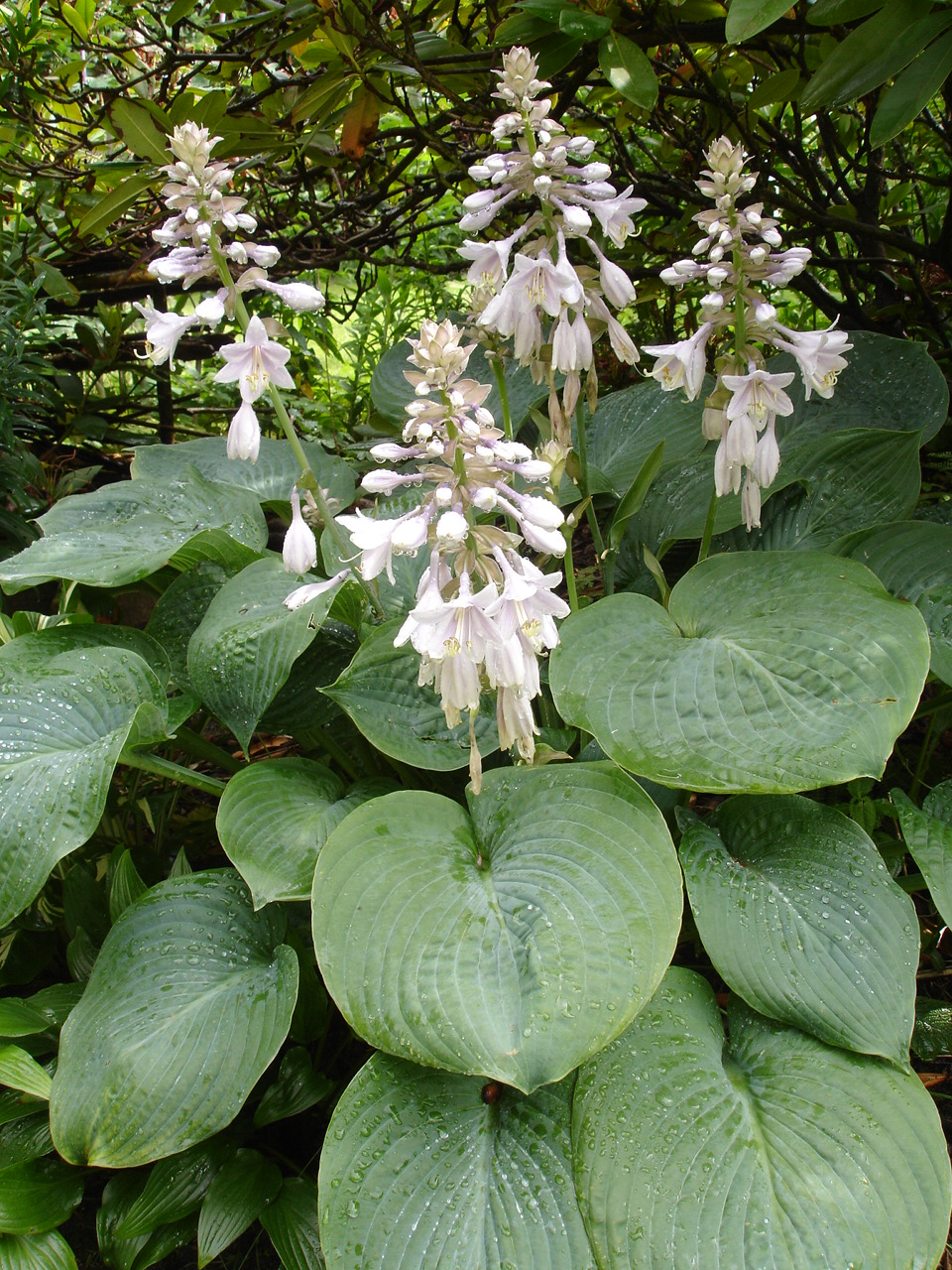
Hosta — Shade-loving with lush foliage that deer tend to avoid.
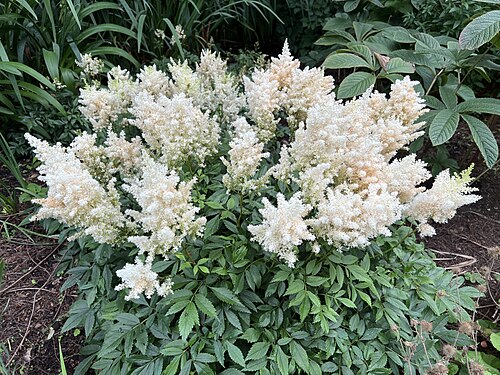
Astilbe — Offers feathery flower plumes and thrives in similar conditions.
Foxtail Fern — Adds texture and is generally deer resistant.
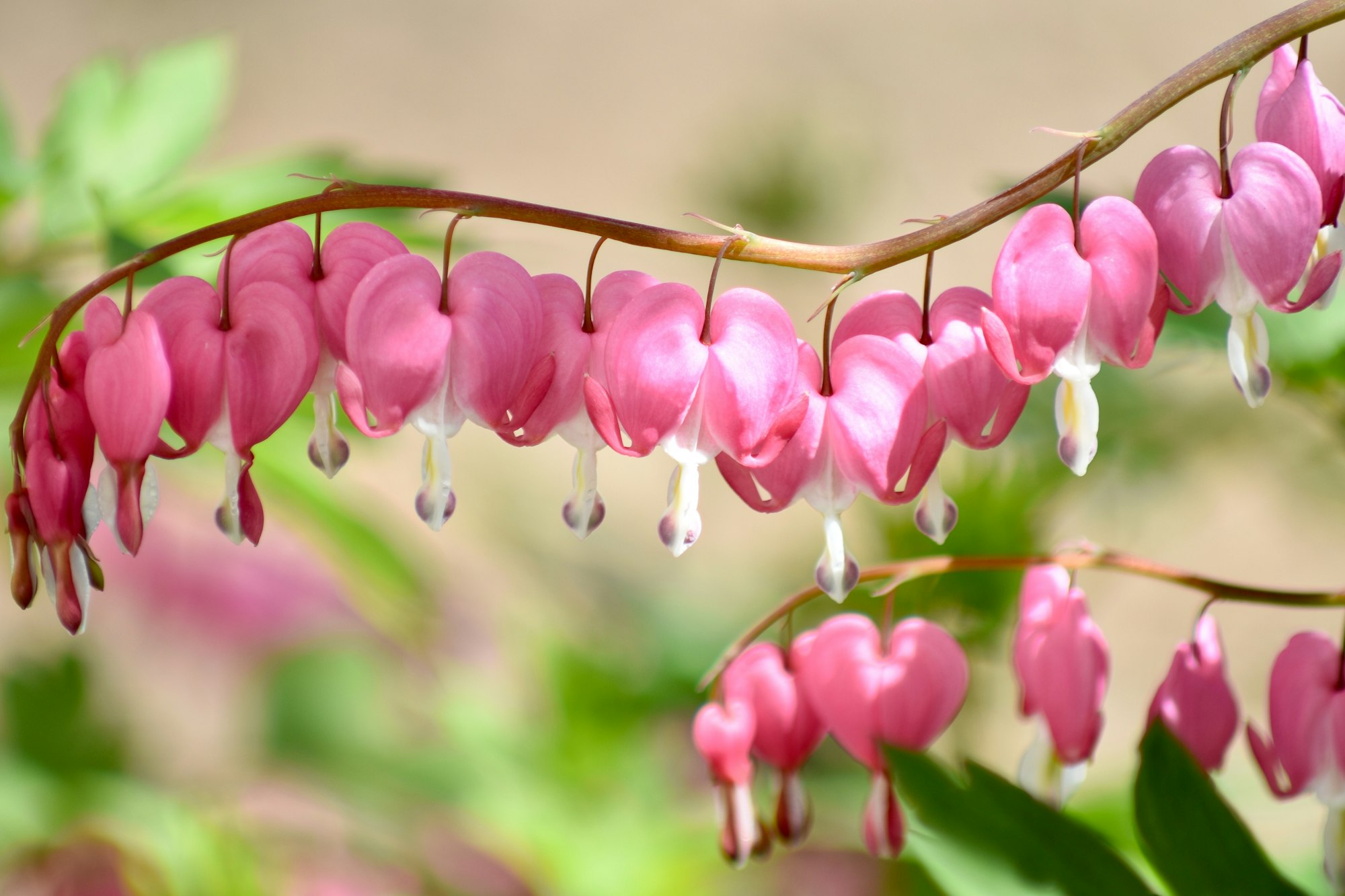
Bleeding Heart — Different varieties of bleeding heart can complement each other for extended bloom times.
Common Varieties of Bleeding Heart
There are a few popular bleeding heart cultivars to consider:
- Dicentra spectabilis: The classic variety with pink heart-shaped flowers and blue-green foliage.
- Dicentra eximia: Also called fringed bleeding heart with more delicate flowers and a longer bloom period.
- Lamprocapnos spectabilis ‘Alba’: A white-flowered form offering a subtle variation on the traditional pink.
Each variety maintains the plant’s deer resistance and brings something unique to your garden palette.
Troubleshooting Bleeding Heart Problems
Though deer rarely bother bleeding heart, other issues can arise:
- Yellowing leaves: May indicate overwatering or poor drainage.
- Wilting or dieback: Common after flowering as the plant naturally goes dormant; reduce watering at this time.
- Fungal diseases: Powdery mildew or leaf spots can occur in humid, poorly ventilated sites.
Maintaining proper watering, good air circulation, and healthy soil will prevent most problems.
Conclusion: Is Bleeding Heart Deer Resistant?
Yes! Bleeding heart is one of the most reliably deer-resistant shade plants, thanks to its mildly toxic compounds and unappealing leaf texture. With proper site selection and care, it will thrive in your garden while helping deter hungry deer. Remember that no plant is completely deer-proof, so it’s wise to combine bleeding heart with other resistant plants and considerate wildlife management.
If you want to explore more deer-resistant plants or find the perfect selections for your garden, try the PlantWise Plant Finder wizard at /wizard.
Note: Always consider wildlife behavior and local conditions as resistance may vary. For pet safety, bleeding heart is listed as not safe for ingestion. If ingestion occurs, contact the ASPCA Animal Poison Control Center at 888-426-4435 immediately.