FTC Disclosure: This post contains affiliate links. We may earn a commission if you purchase through these links, at no extra cost to you.
If you’re wondering “is boxwood deer resistant?” the short answer is yes—boxwood is one of the most reliably deer-resistant shrubs you can plant. Deer tend to avoid boxwood because of its dense, leathery leaves and slightly bitter taste, making it a popular choice for gardeners looking to deter these hungry animals. However, while boxwood is generally deer resistant, no plant is completely deer proof. This guide will explain why deer avoid boxwood, factors that can influence deer browsing, and best practices for growing boxwood successfully in your yard.
Why Is Boxwood Deer Resistant?
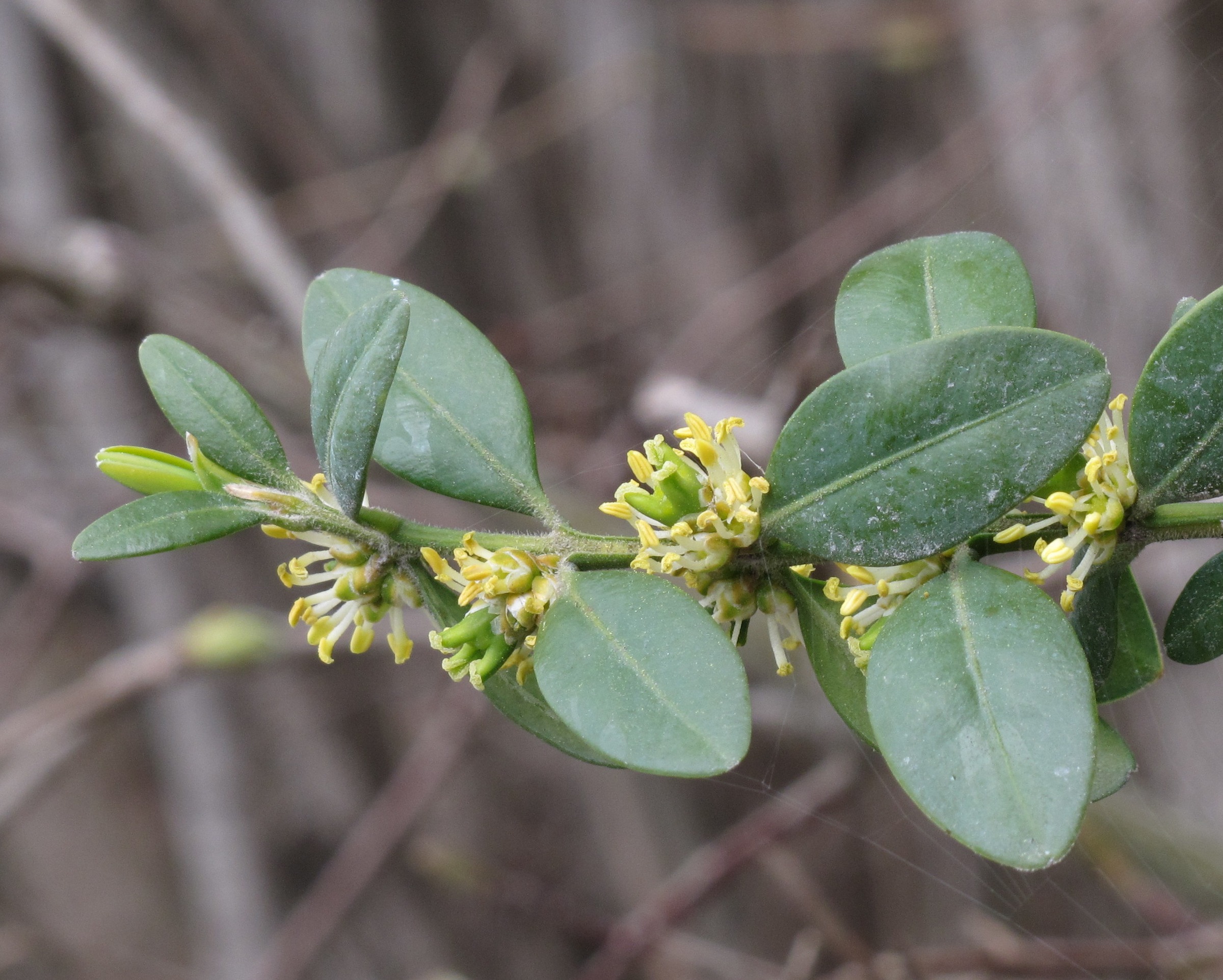
Boxwood (Buxus spp.) has several characteristics that make it unattractive to deer:
- Leathery, dense foliage: The small, tough leaves are harder for deer to chew and less palatable compared to softer, tender greens.
- Bitter taste: Boxwood contains alkaloids and other compounds that taste unpleasant or even mildly toxic to deer, discouraging feeding.
- Evergreen nature: Since boxwood retains its leaves through winter, deer may learn that it doesn’t offer the nutritious rewards they seek.
- Dense branching: The compact shape and tough stems make it difficult for deer to access the inner parts of the shrub.
These traits combine to make boxwood a less desirable snack, so deer generally leave it alone unless food is scarce. Still, hungry deer may occasionally nibble on young shoots during harsh winters.
🌱 Get Personalized Plant Picks
Answer a few quick questions and we’ll match plants to your exact yard conditions.
Find My Plants →Factors That Influence Deer Browsing on Boxwood
While boxwood is considered deer resistant, several factors can impact whether deer might browse on it:
Deer Population and Food Availability
In areas with high deer populations or limited natural food sources, deer may become less selective and nibble on plants they usually avoid, including boxwood. During deep snow or drought, when other browse is scarce, boxwood could be at risk.
Plant Health and Placement
Stressed or unhealthy boxwood plants may be more vulnerable to browsing. Also, boxwood planted close to deer trails or in open areas may be more accessible and tempting compared to those in less trafficked parts of your yard.
Seasonal Changes
Deer feeding habits shift with seasons. In spring and summer, deer prefer tender new growth and flowers. In winter, they may browse on evergreens like boxwood more often if food is limited.
Variety Differences
Some boxwood varieties may be more or less appealing to deer. For example, the common English boxwood (Buxus sempervirens) is often less browsed than some hybrid cultivars, but there’s no guaranteed deer-proof variety.
How to Grow Boxwood Successfully in Deer-Prone Areas
If you want to grow boxwood but have deer in your neighborhood, follow these tips to increase your success:
Choose the Right Variety
Select well-established boxwood varieties known for hardiness and deer resistance, such as:
- English boxwood (Buxus sempervirens)
- Korean boxwood (Buxus microphylla var. koreana)
- Japanese boxwood (Buxus microphylla)
These tend to be more resilient in various climates and less attractive to deer.
Location and Planting
Plant boxwood in areas less frequented by deer, such as near buildings or in dense shrub borders with other deer-resistant plants. Avoid edges near woodlands or open fields where deer roam.
Use Physical Barriers
If deer pressure is high, consider installing fencing or using deer netting around young plants until they mature. Temporary barriers can prevent browsing damage during vulnerable growth stages.
Mulch and Water Properly
Healthy boxwood plants are better able to resist browsing and recover from any damage. Apply 2-3 inches of mulch to retain moisture, regulate soil temperature, and reduce weed competition. Water deeply during dry spells.
Prune Appropriately
Prune boxwood to maintain a dense, compact shape, which discourages deer from pushing through the branches. Avoid heavy pruning in late summer or fall to reduce stress.
Deer-Repellent Companions
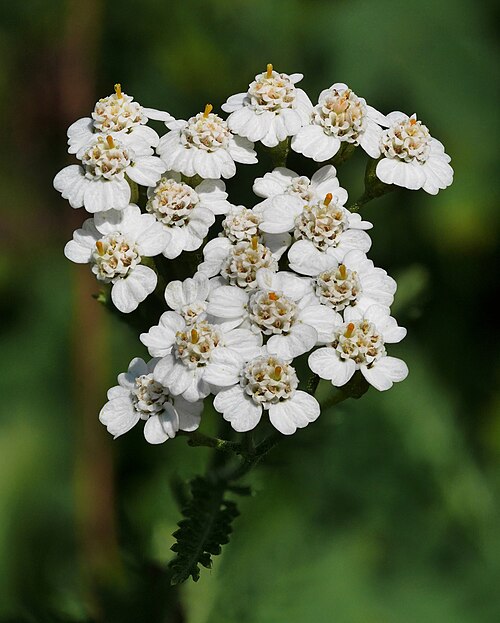
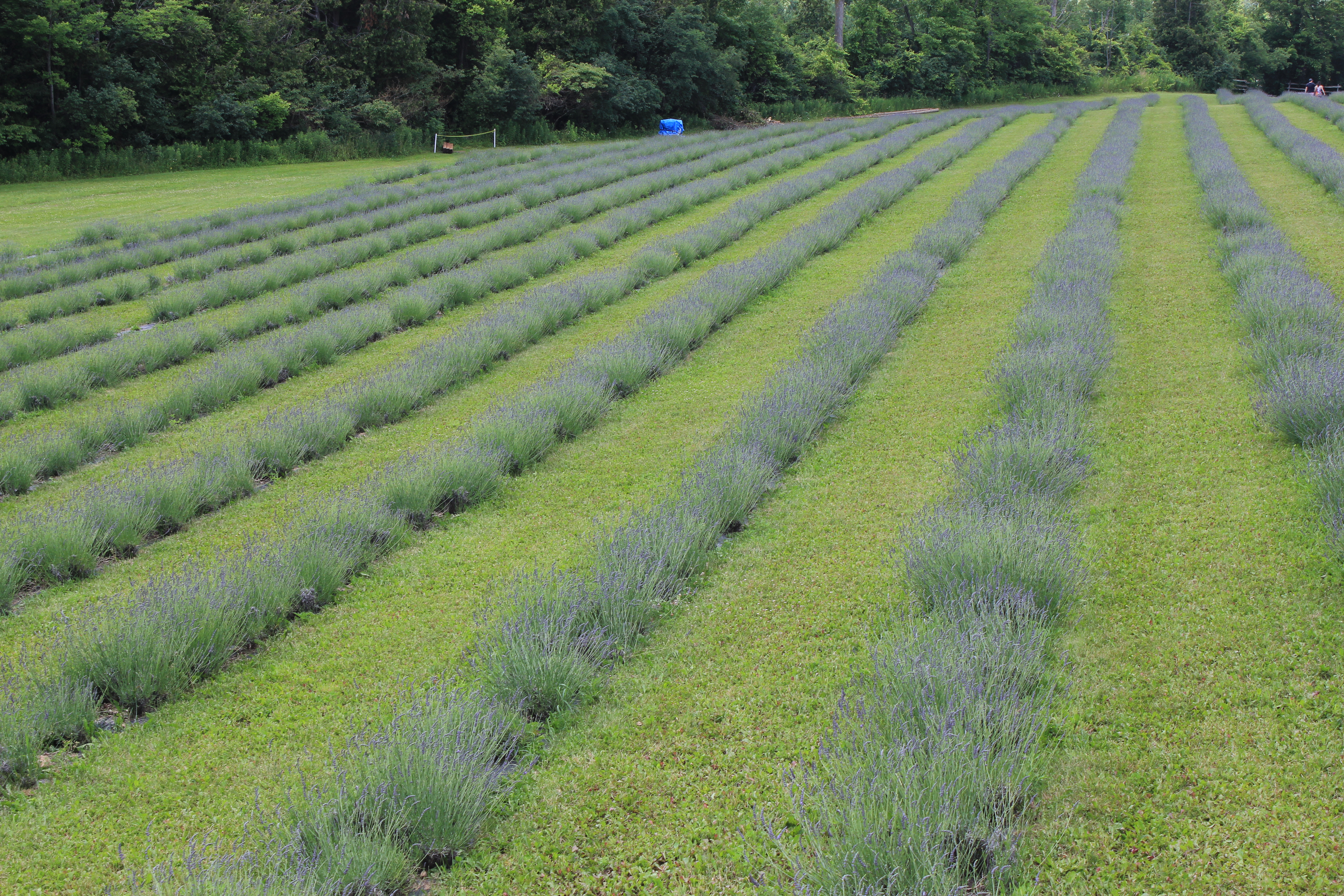
Plant deer-resistant companion plants nearby to create a natural barrier and reduce browsing pressure. Examples include lavender, rosemary, and yarrow.
Other Wildlife Considerations for Boxwood Plantings
While boxwood is generally deer resistant, it’s important to remember:
- No plant is fully deer proof. Hungry deer in extreme conditions may still browse on boxwood.
- Boxwood is not listed as toxic to pets by the ASPCA, but ingestion can cause mild stomach upset. For pet safety questions, call the ASPCA Animal Poison Control Center at 888-426-4435.
- Boxwood’s dense growth can provide shelter for birds and small wildlife but may also harbor pests like boxwood leafminer or mites. Regular monitoring helps keep plants healthy.
Wildlife resistance can vary regionally, so consider local deer activity and consult with neighbors or extension services for area-specific advice.
Alternatives to Boxwood for Deer-Resistant Shrubs
If you need additional options, these shrubs are also considered deer resistant:
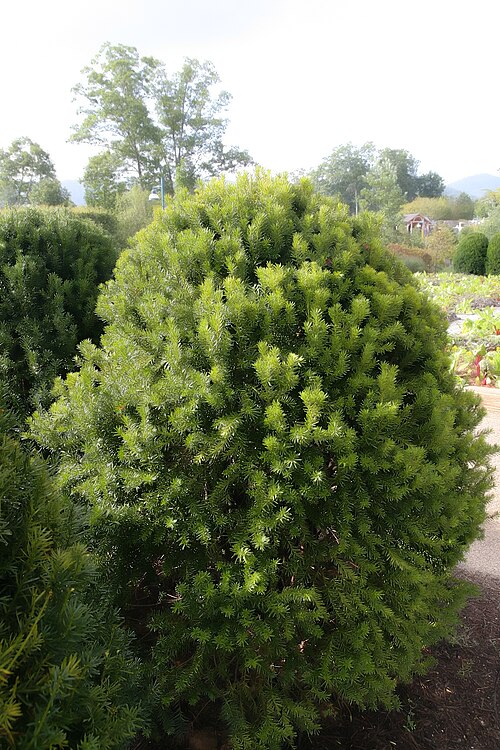
- Yew (Taxus spp.) – note that yews are toxic to pets if ingested.
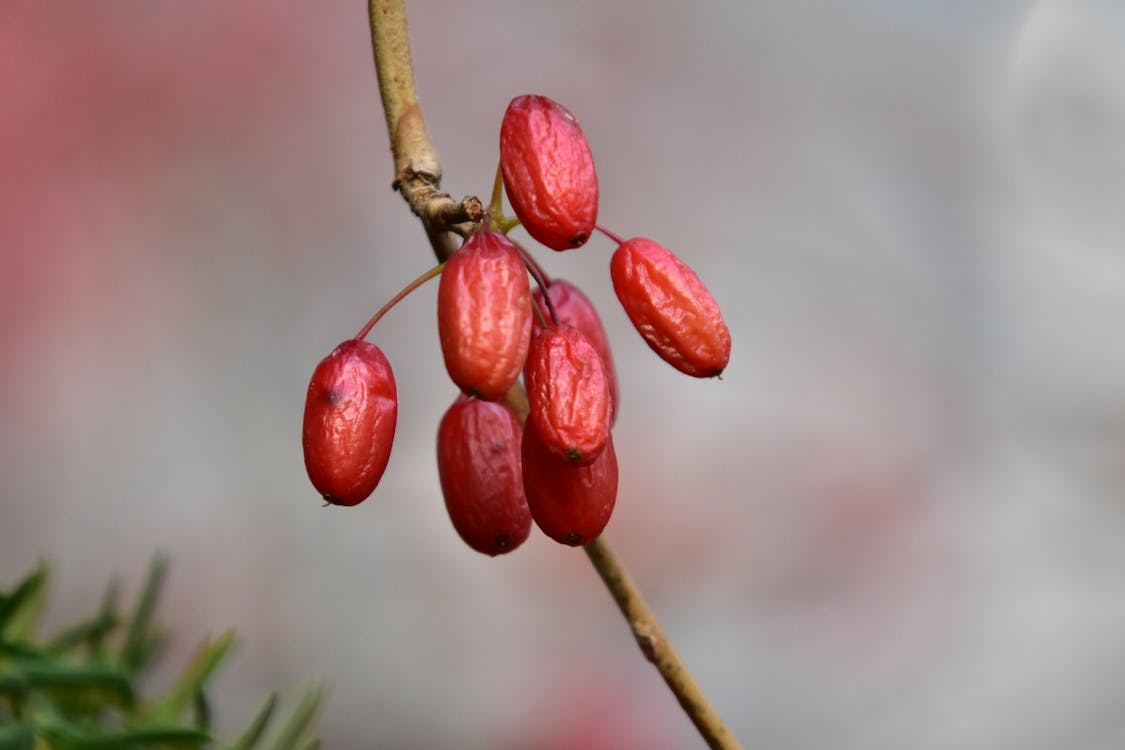
- Barberry (Berberis spp.)
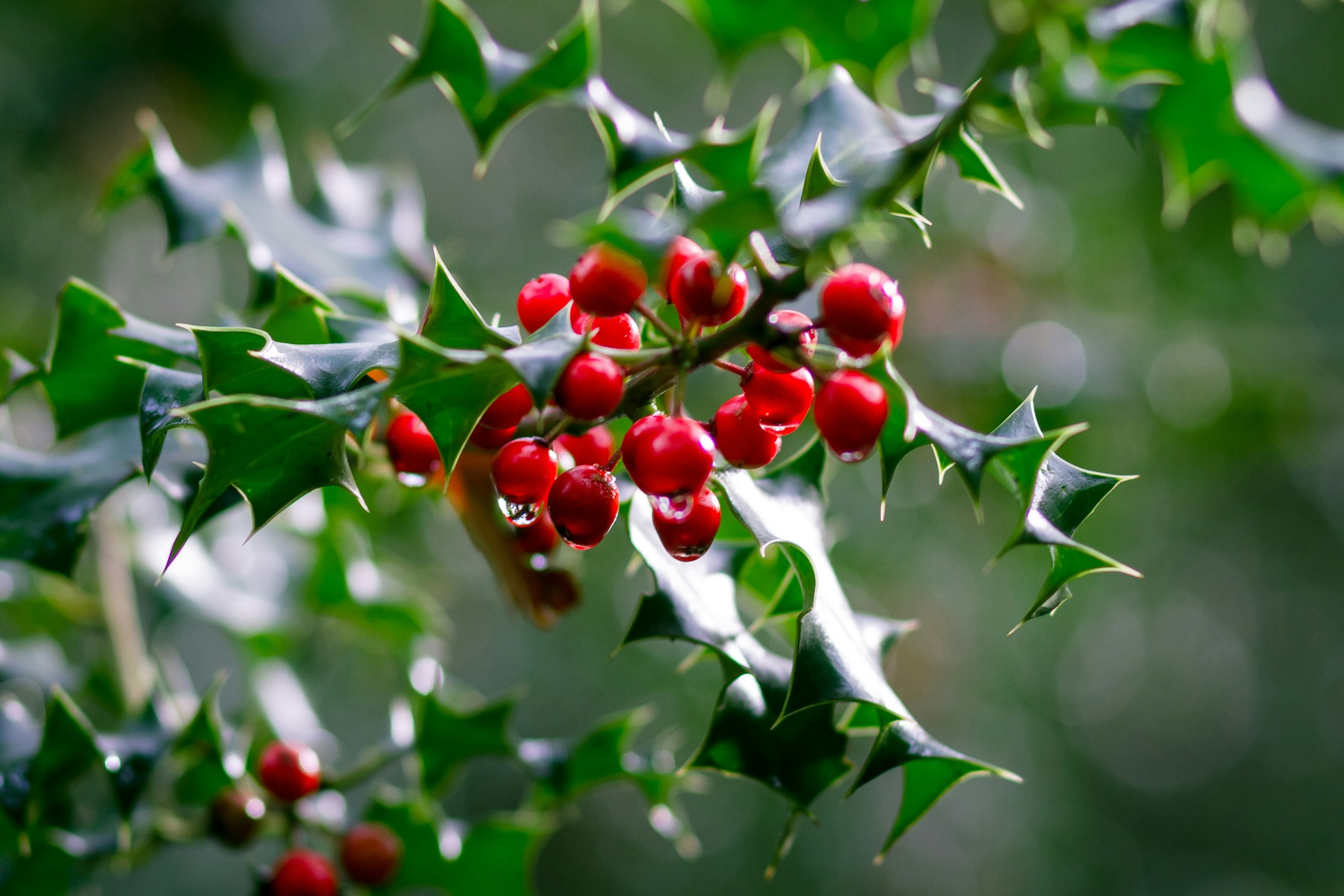
- Holly (Ilex spp.)
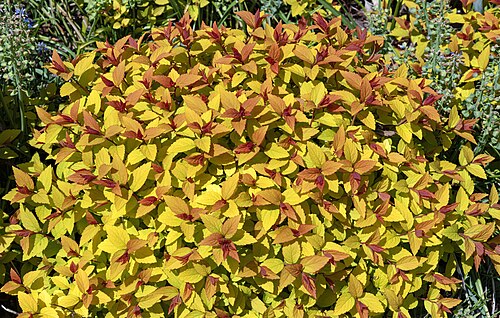
- Spirea (Spiraea spp.)
Always research plants carefully for pet safety and regional suitability.
Summary: Is Boxwood Deer Resistant?
Boxwood is widely recognized as a reliably deer-resistant shrub due to its tough, bitter foliage and dense growth habit. While it’s not completely deer proof, proper site selection, plant care, and protective measures can significantly reduce browsing damage in most settings. By understanding deer behavior and growing boxwood thoughtfully, you can enjoy its year-round beauty with minimal wildlife interference.
For more help finding the right shrubs and plants for your deer-prone garden, try our Plant Finder wizard at /wizard to get personalized recommendations.
Remember: Wildlife resistance can vary by region and local deer populations. Always take a multifaceted approach to deer management for best results.
ASPCA Animal Poison Control Hotline: 888-426-4435
Wildlife resistance disclaimer: While boxwood is generally deer resistant, no plant is completely deer proof. Browsing can vary widely based on local deer populations and environmental conditions.