FTC Disclosure: This post contains affiliate links. As an Amazon Associate, we earn from qualifying purchases at no extra cost to you.
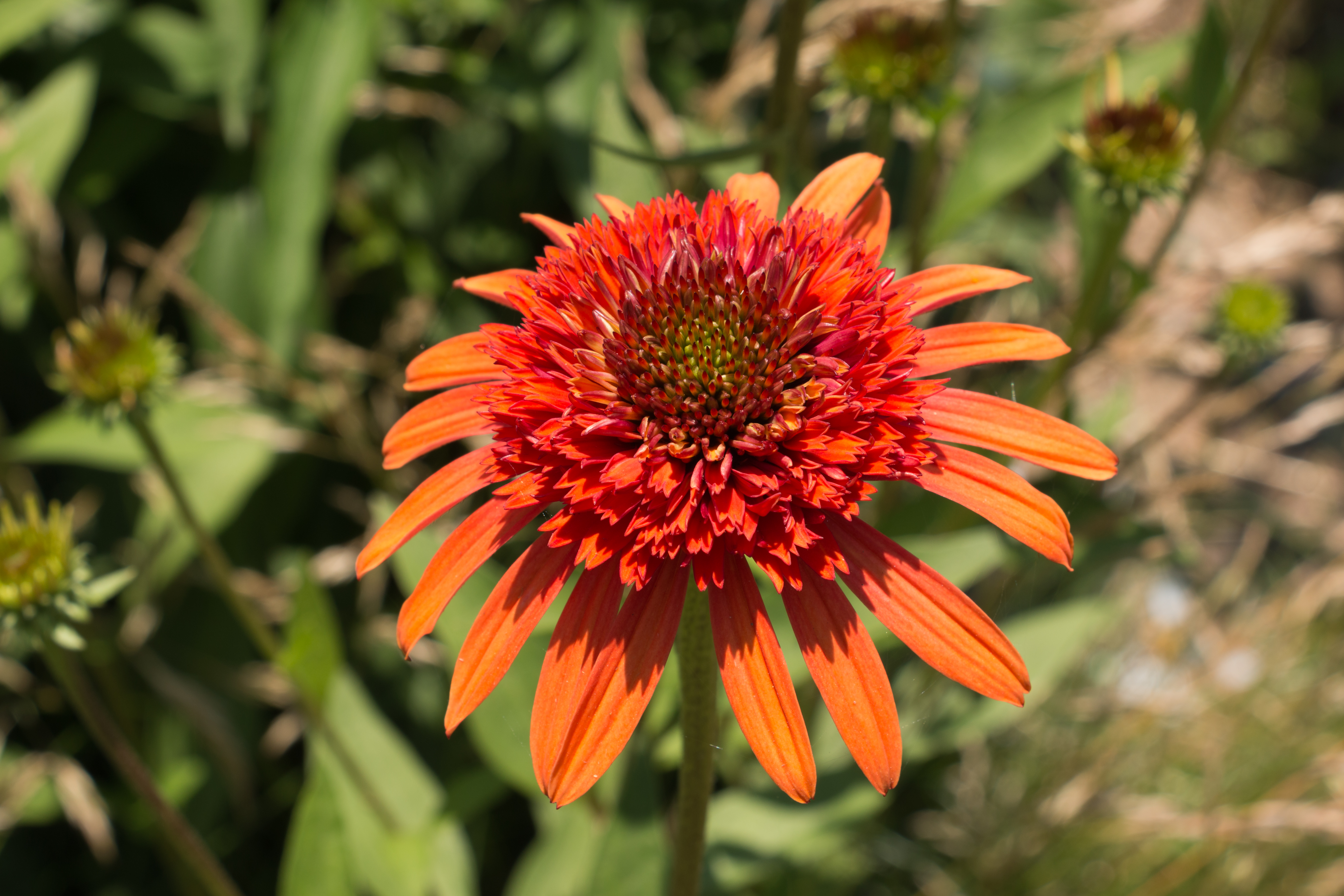
If you’re wondering, “Is coneflower deer resistant?” the short answer is yes. Native coneflowers (Echinacea species) are generally deer resistant, meaning deer tend to avoid browsing these plants. Their rough texture, bitter taste, and tough stems make them unappealing to deer. This makes coneflowers an excellent choice for gardeners dealing with deer pressure who want to maintain colorful, pollinator-friendly flower beds.
In this complete guide, we cover why coneflowers are deer resistant, how to use them effectively in deer-prone landscapes, and what to keep in mind for pet safety and wildlife resistance.
Why Are Coneflowers Considered Deer Resistant?
Coneflowers, native to North America, evolved alongside many herbivores, including deer. Over time, they developed natural defenses to deter browsing:
- Tough, fibrous stems and leaves: The coarse texture makes chewing difficult.
- Bitter, astringent compounds: Chemical compounds in coneflower tissues taste unpleasant to deer.
- Low nutritional value: Deer prefer plants higher in nutrients and moisture.
- Spiky flower heads: The conical seed head is not only rough but can be physically uncomfortable to eat.
While no plant is completely deer-proof, coneflowers rank high on deer resistance lists because deer typically choose more palatable plants first. This natural aversion helps protect your garden beds from heavy browsing damage.
🌱 Get Personalized Plant Picks
Answer a few quick questions and we’ll match plants to your exact yard conditions.
Find My Plants →Best Echinacea Species and Cultivars for Deer Resistance
Native coneflowers come in several species, but the most popular for landscaping is Echinacea purpurea, the purple coneflower. It is widely available, easy to grow, and highly deer resistant. Other species like Echinacea angustifolia and Echinacea pallida also share similar deer resistance.
Some cultivars may vary slightly in deer resistance based on flower color or leaf texture, but overall coneflowers maintain strong resistance. Popular cultivars include:
- ‘Magnus’ – Classic purple petals with a prominent orange cone
- ‘White Swan’ – White petals with a coppery cone
- ‘PowWow Wild Berry’ – Deep magenta flowers with robust growth
Coneflower Coneflower Coneflower
How to Use Coneflowers Effectively in Deer-Prone Gardens
1. Combine with Other Deer-Resistant Plants
Using coneflowers alongside other deer-resistant perennials and shrubs creates a natural barrier that reduces deer browsing. Some good companions include:
2. Plant in Masses
Deer may occasionally sample coneflowers if other food sources are scarce. Planting them in large groups increases their visual impact and reduces the chance that deer will nibble individual plants.
3. Maintain Healthy Plants
Stressed or unhealthy plants can be more vulnerable to deer. Keep coneflowers well-watered and fertilized to maintain their natural defenses.
4. Use Physical Barriers if Needed
If deer pressure is extreme, consider supplemental deterrents like fencing or repellents. Coneflowers form part of an integrated deer management approach.
Wildlife Resistance Disclaimer
While coneflowers are deer resistant, no plant is entirely deer proof. Local deer populations’ feeding habits can vary, and hungry deer may occasionally browse even resistant plants. Groundhogs and rabbits may also sample foliage, though coneflowers tend to be unappealing to most wildlife. For best results, use coneflowers as part of a diversified planting strategy.
Pet Safety and Toxicity
Coneflowers are not listed as toxic to pets by the ASPCA, but it’s always wise to monitor pets around any plants. If you suspect your pet has ingested any part of a plant and is showing symptoms of illness, contact the ASPCA Animal Poison Control Center at 888-426-4435 immediately.
Growing Coneflowers: Tips for Success
- Light: Full sun for best flowering
- Soil: Well-drained, average soils; drought tolerant once established
- Water: Moderate; avoid overwatering
- Hardiness: Zones 3-9, depending on species
- Maintenance: Deadhead to encourage rebloom; cut back in late fall or early spring
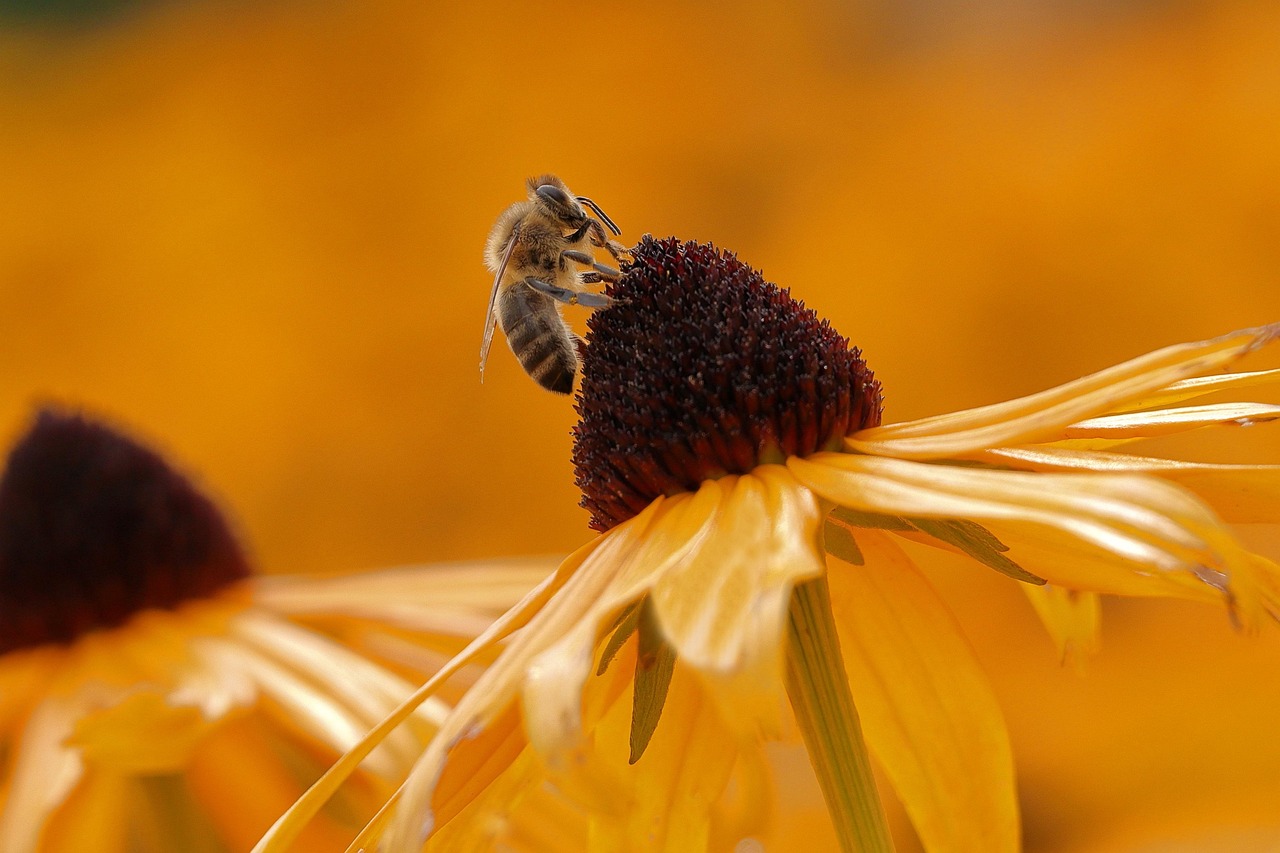
Coneflowers also attract beneficial pollinators such as bees and butterflies, making them an excellent choice for wildlife-friendly gardens.
Conclusion
In summary, coneflowers are indeed deer resistant and a smart choice for gardeners dealing with deer browsing. Their tough texture, bitter taste, and low desirability make them less likely to be eaten, helping you maintain vibrant flower beds even in deer-prone areas. Combine them with other resistant plants and good garden practices for the best results.
For more help choosing plants suited to your garden conditions and wildlife challenges, try our Plant Finder wizard at /wizard.
Stay safe and happy gardening!
FTC Disclosure: This post contains affiliate links. As an Amazon Associate, we earn from qualifying purchases.
For pet safety concerns, contact the ASPCA Animal Poison Control Center at 888-426-4435.
Wildlife Resistance Disclaimer: No plant is completely deer proof or resistant to all wildlife. Local feeding habits vary.