FTC Disclosure:
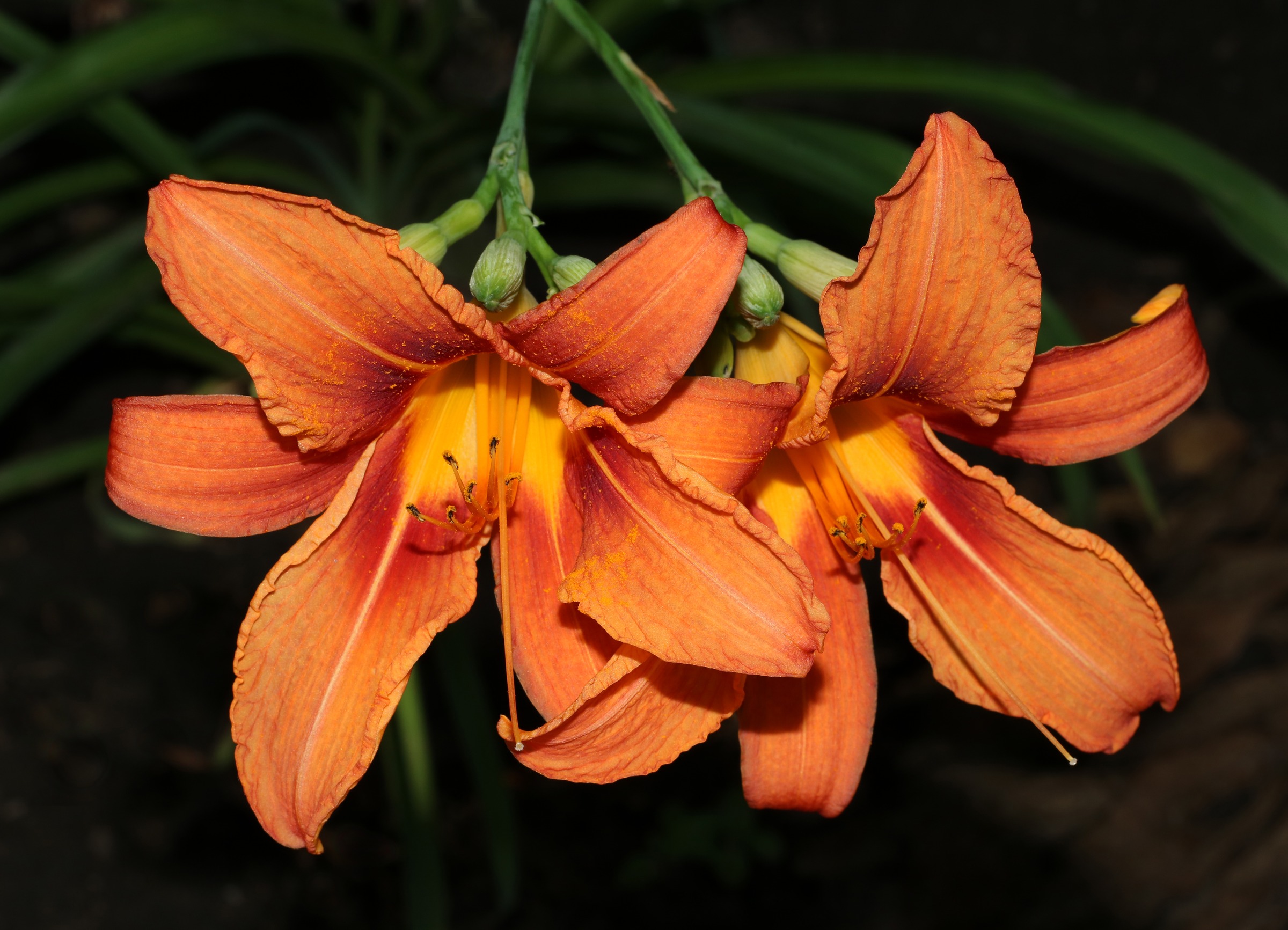
If you’re wondering, “Is daylily deer resistant?” the honest answer is no — daylilies are not reliably deer resistant and are often a favorite snack for deer in many regions. While these vibrant perennials are beloved by gardeners for their hardiness and colorful blooms, they don’t offer much protection against hungry deer. If deer browsing is a concern in your yard, it’s better to consider other plant options that are less appealing to these animals. This post explores why daylilies attract deer, what makes plants deer resistant, and suggests alternative plants to help keep your garden safe from deer damage.
Why Are Daylilies Not Deer Resistant?
Daylilies (genus Hemerocallis) are tough, adaptable perennials known for their bright flowers and ease of care. However, their attractiveness to deer comes down to taste and availability. Deer are opportunistic feeders and will eat many plants, especially during harsh winters or when preferred food is scarce.
Daylilies have tender leaves and sweet-tasting flowers that deer find palatable. Because they often grow in accessible garden beds and bloom prolifically, they become an easy target. In areas with high deer populations or limited natural forage, these plants may be severely browsed or even completely eaten down.
🌱 Get Personalized Plant Picks
Answer a few quick questions and we’ll match plants to your exact yard conditions.
Find My Plants →What Does Deer Resistant Really Mean?
When gardeners seek deer resistant plants, they typically want species that deer avoid eating — either because the plants taste bad, are toxic, or have physical defenses like thorns or tough leaves. However, no plant is completely deer-proof. Deer feeding habits vary regionally and seasonally, and hungry deer will try almost anything.
Deer resistant plants are those less likely to be damaged under normal conditions, but resistance is not a guarantee of deer avoidance. It’s important to combine plant selection with other deer management strategies like fencing or repellents for best results.
Why Do Deer Eat Daylilies?
- Taste and Texture: Deer enjoy the soft leaves and flowers of daylilies, which are easy to chew and digest.
- Availability: Daylilies often bloom in clusters and are easy for deer to find in gardens.
- Nutritional Value: While not the most nutritious forage, daylilies provide moisture and carbohydrates that deer seek.
- Lack of Alternatives: In urban or suburban areas, deer may have fewer natural plants to eat, making daylilies a convenient food source.
Signs of Deer Browsing on Daylilies
If you suspect deer are munching on your daylilies, look for these signs:
- Ragged or missing leaves and flower buds.
- Stems snapped or bent.
- Uneaten parts of plants with irregular bite marks.
- Deer tracks or droppings near your garden beds.
Deer Resistant Plants to Consider Instead of Daylilies
If you want to enjoy a beautiful garden without deer damage, consider planting species that deer typically avoid. While no plant is completely safe from deer, these tend to be less palatable:
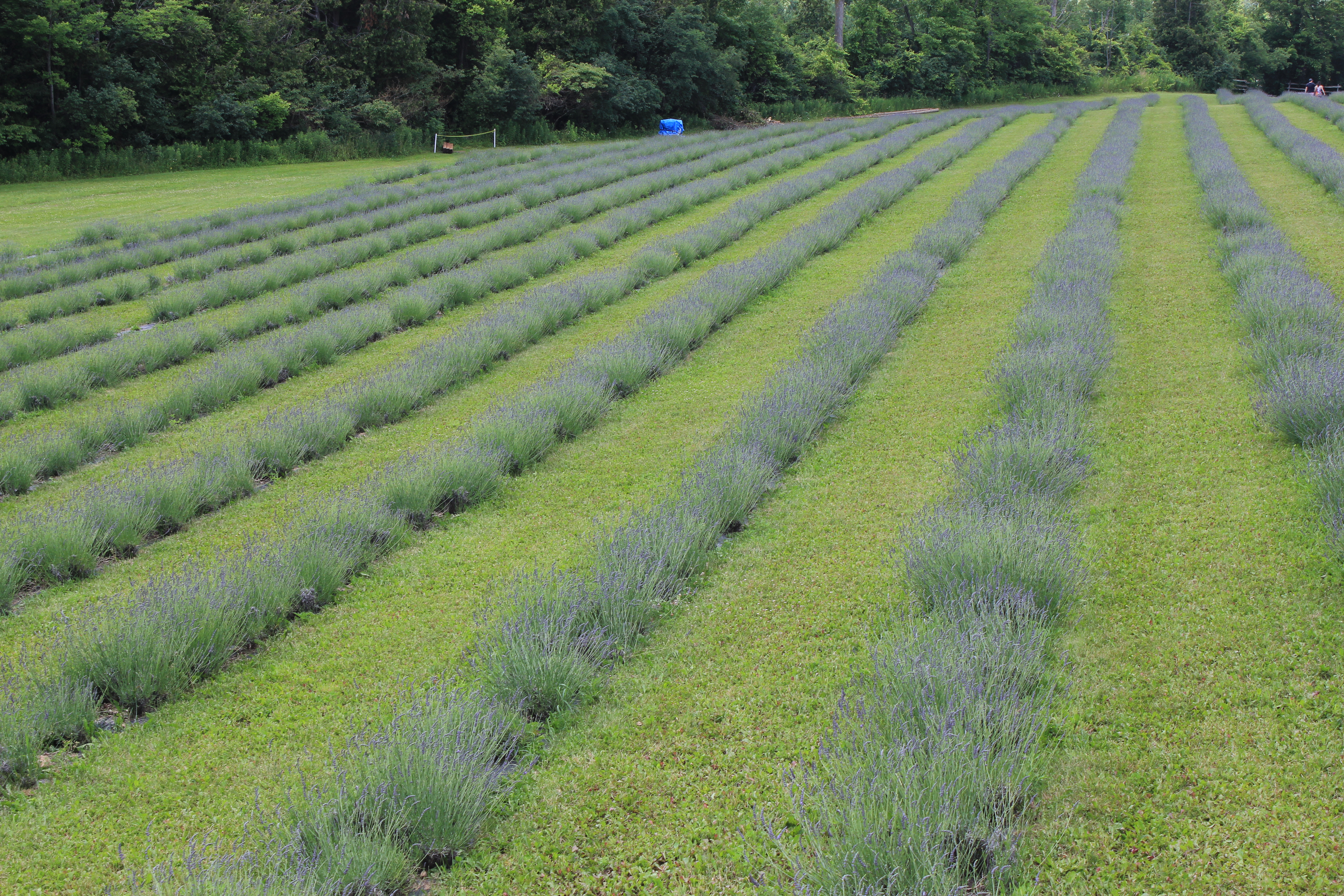
1. Lavender (Lavandula spp.)
Lavender’s strong fragrance and tough, aromatic leaves repel deer. It also attracts pollinators and adds lovely purple flowers to the garden.
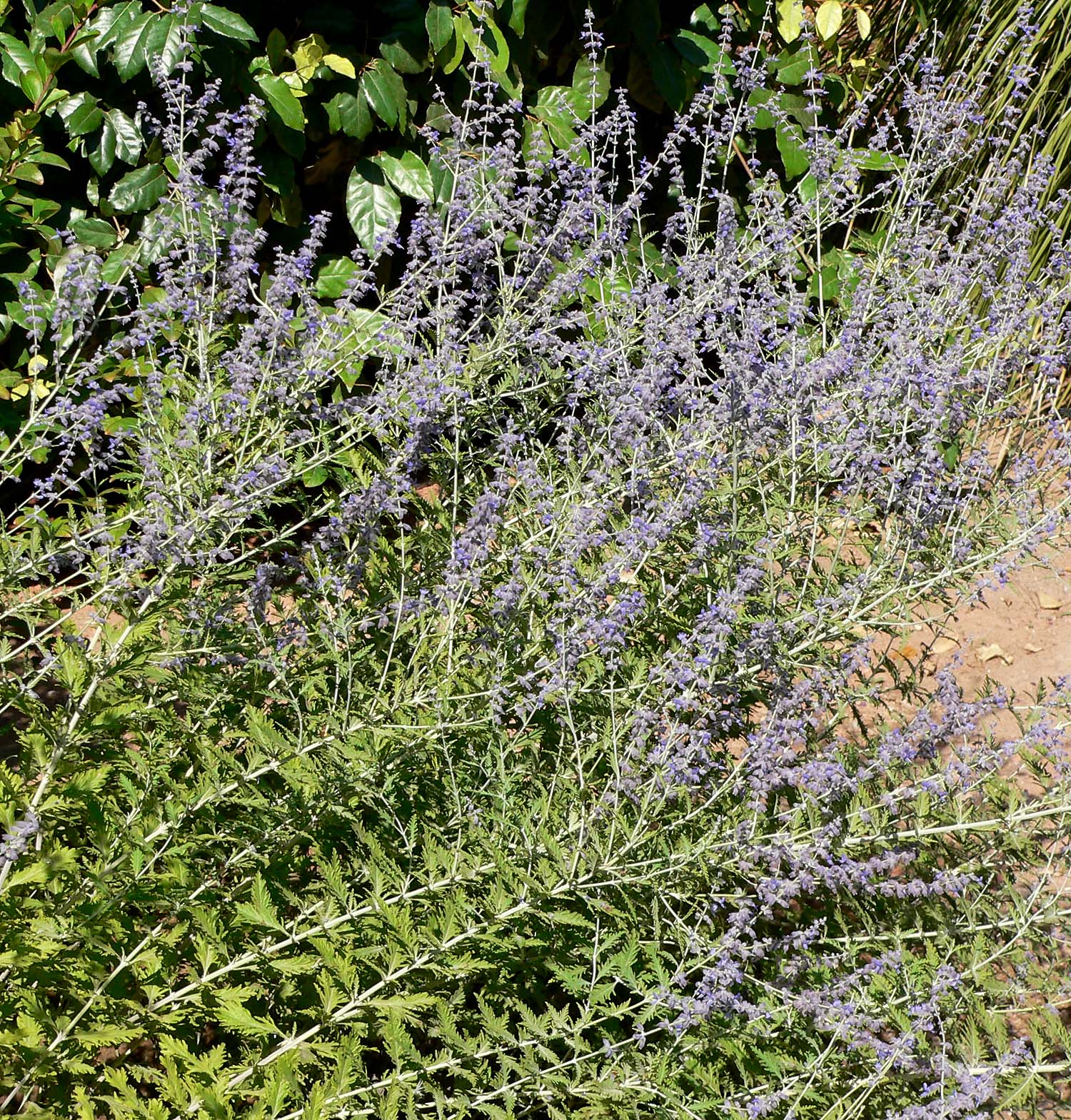
2. Russian Sage (Perovskia atriplicifolia)
With silvery foliage and spiky blue flowers, Russian sage is aromatic and generally unappealing to deer.
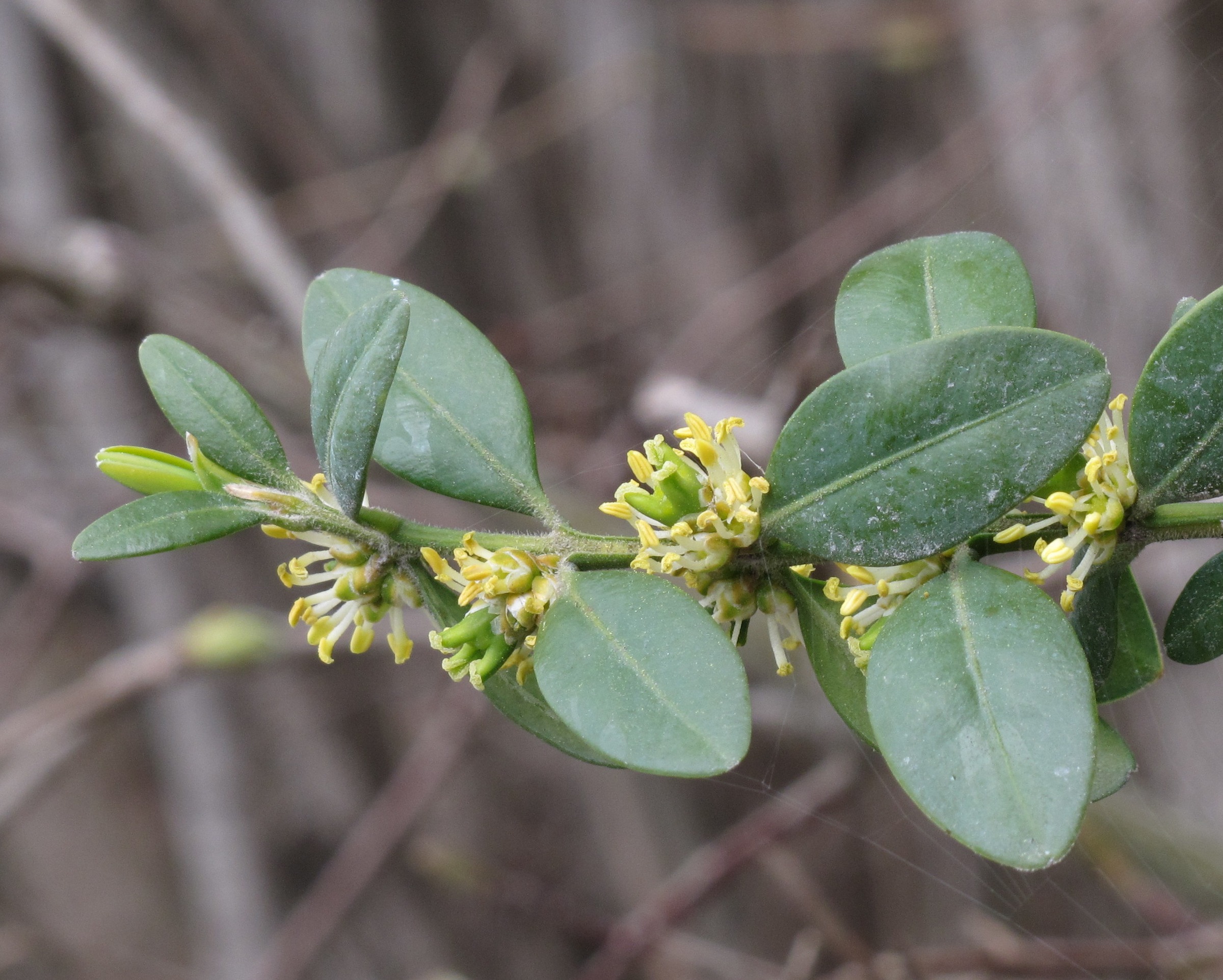
3. Boxwood (Buxus sempervirens)
Boxwood’s dense, leathery leaves and evergreen nature make it less desirable for deer browsing.
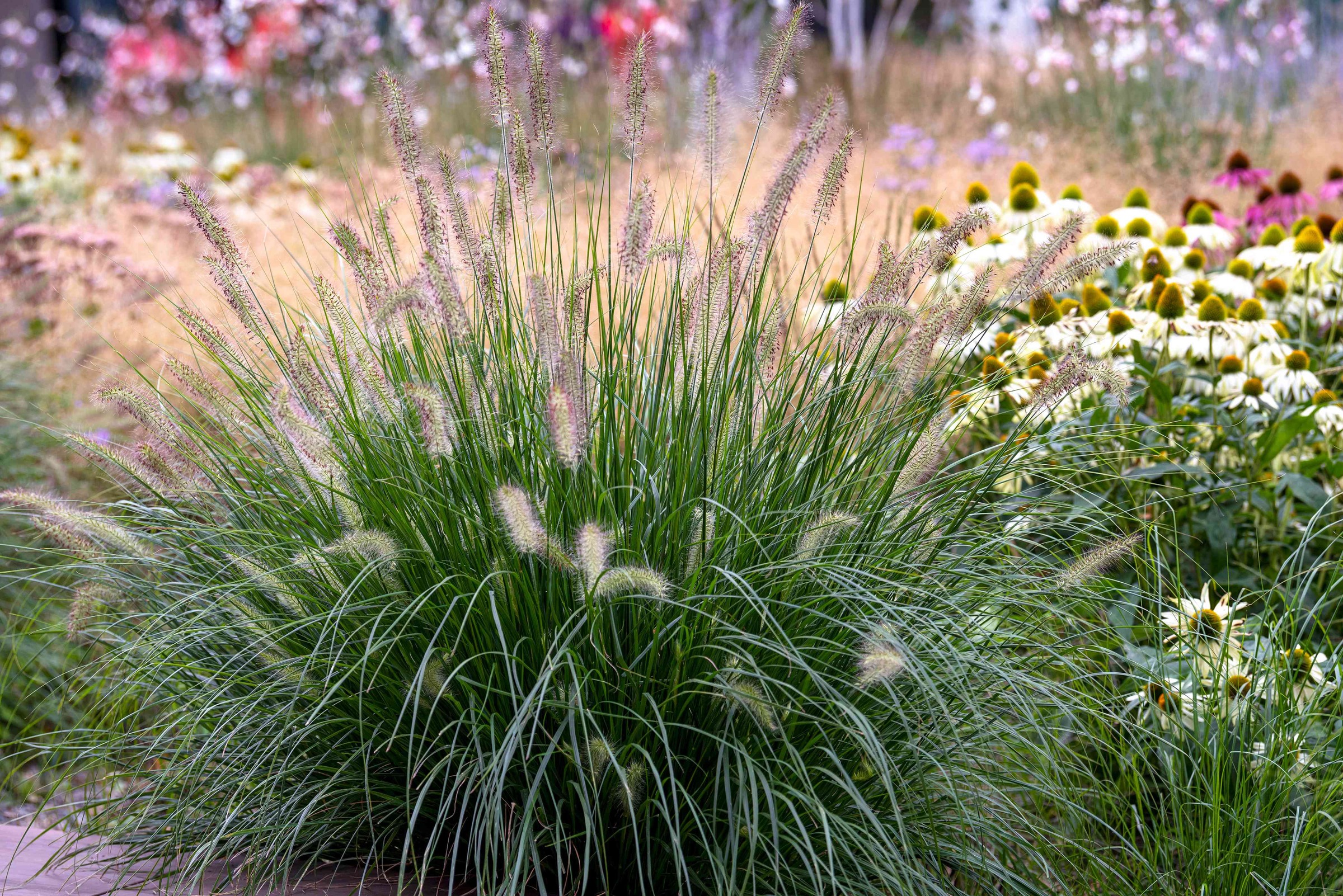
4. Ornamental Grasses
Many ornamental grasses have tough, fibrous leaves that deer avoid, and they add texture and movement to the garden.
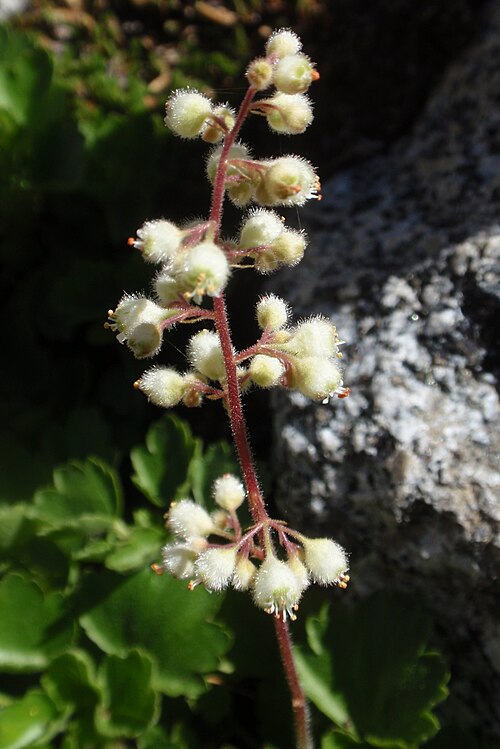
5. Coral Bells (Heuchera spp.)
Coral bells have textured, sometimes fuzzy leaves with a range of colors that deer tend to leave alone.
Additional Tips to Protect Your Garden from Deer
- Physical Barriers: Fencing remains the most effective way to keep deer out. A fence at least 8 feet tall is recommended.
- Plant Diversity: Mixing deer resistant plants with less resistant ones can reduce overall damage.
- Repellents: Commercial deer repellents can deter browsing but require regular reapplication.
- Timing: Planting less attractive species near high-traffic areas can divert deer attention.
- Habitat Modification: Removing brush piles or dense cover can make your garden less inviting to deer.
Pet Safety Note
If you have pets, be cautious about plant toxicity. While daylilies are not considered safe for cats—ingestion can cause kidney failure—other plants may also pose risks to dogs and cats. Always check the ASPCA’s database or consult your veterinarian if you suspect your pet has ingested a plant.
For pet safety concerns, contact the ASPCA Animal Poison Control Center at 888-426-4435.
Wildlife Resistance Disclaimer
Remember, no plant is completely deer, rabbit, or groundhog proof. Resistance varies by region, local wildlife pressure, and season. Combining plant selection with other control methods is the best strategy for protecting your garden.
Final Thoughts: Should You Plant Daylilies if Deer Are a Problem?
If deer are frequent visitors to your yard, daylilies are not the best choice if you want to avoid plant damage. Though beautiful and easy to grow, daylilies are often on the menu for deer, especially when alternative food is scarce.
Consider planting more deer resistant species like lavender, Russian sage, or coral bells, and use additional deterrent methods to protect your garden. With the right planning, you can enjoy a vibrant landscape that’s less appealing to deer.
Explore our Plant Finder wizard to discover more plants that fit your garden conditions and wildlife challenges. Start your search now at /wizard.