Is Foxglove (Digitalis) Deer Resistant? Complete Guide
Yes, foxglove (genus Digitalis) is reliably deer resistant. This striking, bell-shaped perennial is a fantastic choice for gardeners in areas with high deer populations because deer tend to avoid it almost entirely. The primary reason for its deer resistance is its toxicity; foxglove contains cardiac glycosides, which are harmful if ingested by animals, including deer. While no plant is truly 100% deer-proof, foxglove comes very close, making it a valuable addition to a deer-resistant garden strategy.
🌱 Get Personalized Plant Picks
Answer a few quick questions and we’ll match plants to your exact yard conditions.
Find My Plants →Why Do Deer Avoid Foxglove?
Deer are not just picky eaters; they are also quite intelligent when it comes to foraging. They learn quickly which plants are palatable and which are not. Foxglove's strong deterrent properties stem from the presence of naturally occurring compounds called cardiac glycosides, particularly digitoxin, which are highly toxic. These compounds affect the heart and can cause severe illness or even death if consumed in sufficient quantities.
Animals, including deer, have evolved to recognize and avoid plants that could harm them. They often detect these toxins through taste, smell, or even an initial small nibble that causes an immediate unpleasant reaction. Because foxglove is toxic throughout all its parts-leaves, stems, flowers, and seeds-deer typically steer clear, preferring to browse on other, less risky vegetation. This makes foxglove an excellent "deterrent plant" to include in your landscape, especially around more vulnerable plants.
Is Foxglove Toxic to Pets and Humans?
Yes, foxglove is highly toxic to both humans and pets if ingested. As mentioned, it contains cardiac glycosides that can interfere with heart function. Symptoms of foxglove poisoning can include nausea, vomiting, diarrhea, abdominal pain, headache, hallucinations, and heart irregularities. In severe cases, it can be fatal.
For pet safety: If you have pets that are prone to chewing on plants, it's wise to exercise caution when planting foxglove. While most animals instinctively avoid it due to its bitter taste, curious puppies or kittens might take a nibble. It's best to plant foxglove in areas where pets are less likely to access it, or to supervise them carefully. If you suspect your pet has ingested a toxic plant, call the ASPCA Animal Poison Control Center immediately at (888) 426-4435.
For human safety: Gardeners should always wear gloves when handling foxglove, especially when pruning or dividing, to avoid skin irritation. Always wash hands thoroughly after gardening. Never ingest any part of the plant. If you have young children, ensure they are educated about not putting plants in their mouths, and consider planting foxglove in less accessible areas.
How Can I Use Foxglove Effectively in a Deer-Prone Garden?
Incorporating foxglove into your deer-resistant garden strategy is straightforward and highly effective. Here's how to make the most of this beautiful, yet formidable, plant:
- Strategic Placement: Plant foxglove around the perimeter of your garden beds or in front of plants that deer frequently browse. Its presence can act as a natural barrier, discouraging deer from entering the area.
- Mass Plantings: While a single foxglove can be effective, planting them in drifts or groups can amplify their deterrent effect and create a stunning visual display.
- Companion Planting: Pair foxglove with other deer-resistant plants to create a robust defense. Good companions include plants with strong scents, fuzzy leaves, or other toxic properties.
- Variety Selection: There are many species and cultivars of foxglove, from the classic common foxglove (Digitalis purpurea) to more exotic types like Digitalis grandiflora (yellow foxglove) or Digitalis ferruginea (rusty foxglove). All are generally deer resistant.
- Consider Container Planting: If you're particularly concerned about pet or child access, or simply want to add a vertical element to a patio, foxglove can be grown in large containers. This allows you to control its placement more easily.
Remember, while foxglove is an excellent deterrent, no plant is truly deer-proof. Extremely hungry deer may sample anything, but foxglove is very low on their preference list.
What Other Plants Are Good Deer-Resistant Companions for Foxglove?
To create a truly deer-resistant garden, it's best to combine foxglove with a variety of other plants that deer typically avoid. Here are some excellent choices that offer different textures, colors, and bloom times, all while standing up to deer browsing:
- Plants with Strong Scents: Many aromatic herbs and flowers are unappealing to deer.
- Plants with Fuzzy or Thorny Leaves: Deer dislike the texture of these plants.
- Lamb's Ear (Stachys byzantina)
- Plants with Toxic Properties (like Foxglove):
- Daffodils (Narcissus)
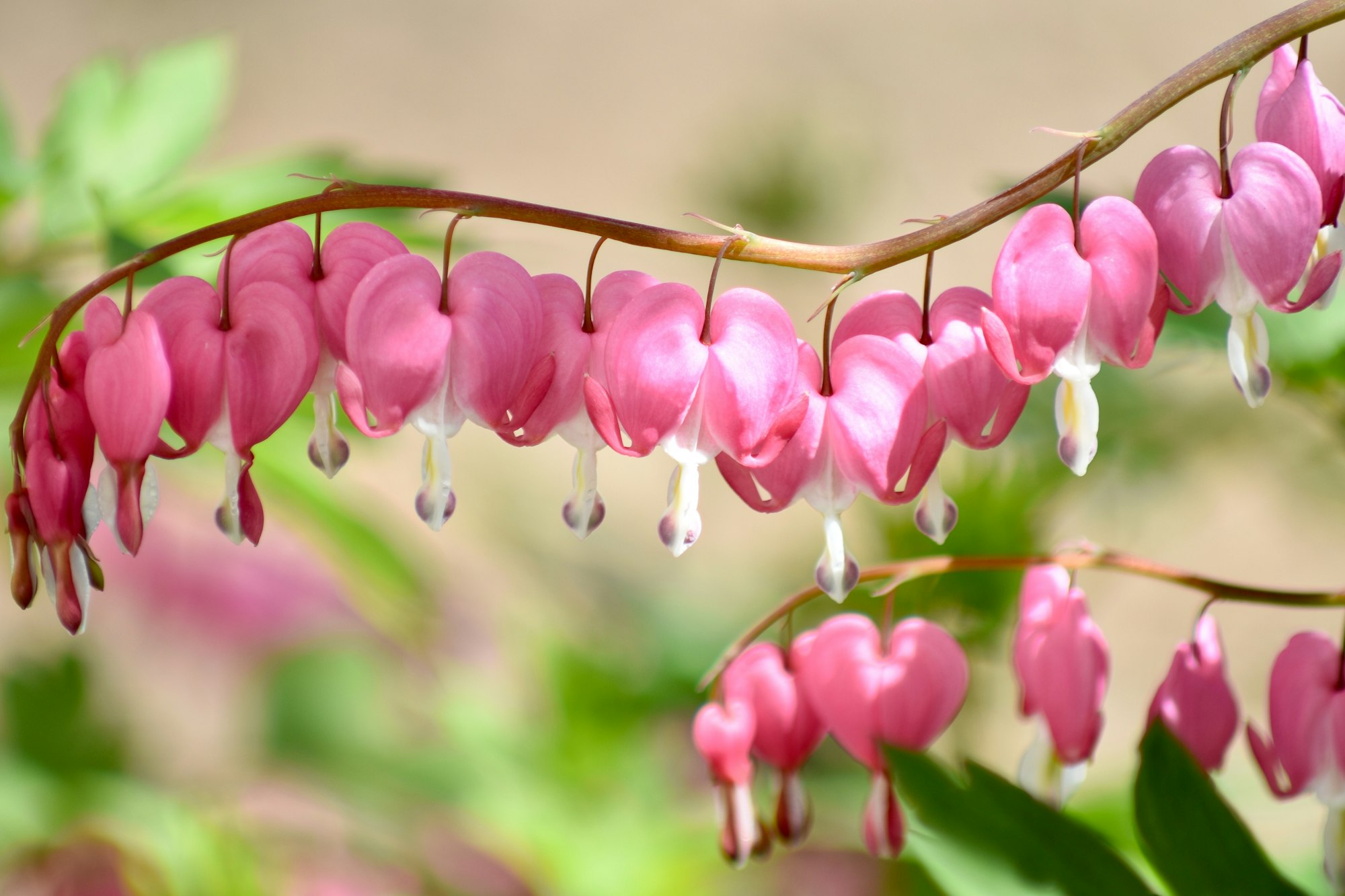
- Bleeding Heart (Dicentra spectabilis)
- Other Generally Deer-Resistant Perennials:
By mixing and matching these plants, you can create a beautiful, diverse garden that deer will largely ignore.
Quick Reference: Foxglove & Deer Resistance
| Feature | Details (The user wants to provide a quick reference table for foxglove and deer resistance.) | Deer Resistance | High. Deer rarely browse foxglove due to its toxicity. Fox Foxglove (Digitalis) is a striking plant known for its tall spires of bell-shaped flowers. Beyond its beauty, it holds a significant place in both traditional medicine and modern pharmacology, being the source of digitoxin, a cardiac glycoside used to treat heart conditions. However, this very property also makes it highly toxic if ingested.
What are the different types of Foxglove?
The genus Digitalis includes a variety of species and cultivars, each with unique characteristics, but all sharing the iconic bell-shaped flowers and general growth habit. Here are some of the most common and popular types:
- Common Foxglove (Digitalis purpurea): This is perhaps the most recognizable foxglove, often seen growing wild in woodlands and gardens. It's typically a biennial, meaning it grows foliage in its first year and blooms in its second, then sets seed and dies. However, it readily self-seeds, giving the impression of a perennial. Flowers are usually purple, pink, or white, often with distinctive spots (known as "foxglove thimbles") inside the bells. Cultivars like 'Excelsior' (with flowers all around the stem) and 'Dalmatian' series (earlier blooming, more compact) are popular.
- Perennial Foxglove (Digitalis grandiflora or Yellow Foxglove): As its name suggests, this species is a true perennial, returning year after year. It features elegant, large, pale yellow flowers and typically grows to a more modest height than D. purpurea. It's a great choice for a more permanent presence in the garden.
- Rusty Foxglove (Digitalis ferruginea): This unique foxglove is also a perennial, known for its tall, slender spires of densely packed, rusty-orange to brownish-yellow flowers. The blooms have a velvety texture and can add an exotic touch to the garden. It's quite architectural and a favorite among designers.
- Strawberry Foxglove (Digitalis x mertonensis): This is a hybrid foxglove, a cross between D. purpurea and D. grandiflora. It's a short-lived perennial with large, rose-pink, strawberry-colored flowers. It combines the vigor of the common foxglove with some perennial qualities.
- Grecian Foxglove (Digitalis lanata): Also known as Woolly Foxglove, this biennial or short-lived perennial has distinctive woolly-haired flowers that are creamy white with prominent brown veins. It's another source of medicinal compounds.
While their appearance can vary, all these foxglove types share the characteristic bell-shaped flowers and are generally deer resistant due to their inherent toxicity. When selecting a foxglove, consider whether you prefer a biennial that reseeds freely or a true perennial for long-term garden structure.
How do I care for Foxglove?
Foxglove is relatively easy to grow and can thrive with minimal attention once established. Here's a guide to keeping your foxgloves healthy and blooming:
- Light: Foxglove prefers partial shade, especially in hotter climates. In cooler regions, it can tolerate full sun, provided it receives consistent moisture. Too much intense sun can scorch the leaves and fade the flowers.
- Soil: Well-draining soil is crucial. Foxglove doesn't like wet feet, which can lead to root rot. Amend heavy clay soils with organic matter like compost to improve drainage. A slightly acidic to neutral pH (6.0-7.0) is ideal.
- Watering: Keep the soil consistently moist, especially during dry spells and when the plants are young. Once established, they can tolerate some drought, but regular watering will promote better growth and flowering. Avoid overhead watering, which can encourage fungal diseases.
- Fertilizing: Foxglove is not a heavy feeder. If your soil is rich in organic matter, you might not need to fertilize at all. If growth seems slow or leaves are pale, a balanced, slow-release granular fertilizer applied in spring can be beneficial. Avoid high-nitrogen fertilizers, which can promote leafy growth at the expense of flowers.
- Deadheading: For biennial foxgloves (Digitalis purpurea), deadheading (removing spent flower stalks) can sometimes encourage a second, smaller flush of blooms. More importantly, if you don't want them to self-seed, deadhead before the seeds mature. For perennial types, deadheading can prolong the bloom period and tidy up the plant.
- Pest and Disease: Foxglove is generally resistant to most pests. Occasionally, aphids might appear on new growth, which can be treated with insecticidal soap. Fungal diseases like powdery mildew or leaf spot can occur in humid conditions or if plants are too crowded. Ensure good air circulation.
- Winter Care: Biennial foxgloves will die after flowering and setting seed. Perennial foxgloves are hardy in their zones. In colder climates, a layer of mulch around the base can help protect the crown from freezing and thawing cycles.
By following these care tips, you can enjoy the majestic beauty of foxglove in your garden year after year, knowing it's a plant that deer will respectfully bypass.
Ready to find the perfect plants for your yard? Try the PlantWise Plant Finder →