Is Spirea Deer Resistant? Complete Guide
If you're gardening in an area frequented by deer, you know the frustration of seeing your carefully chosen plants munched down overnight. When considering new additions to your landscape, deer resistance is often a top priority. Good news for flower lovers: Spirea (genus Spiraea) is generally considered to be highly deer resistant. While no plant is truly deer-proof, spirea varieties are rarely a preferred food source for deer, making them an excellent choice for landscapes where these graceful animals roam. Their foliage and woody stems are typically unappealing to deer, especially when other, more palatable options are available. This guide will delve into why spirea holds up well against deer and how you can successfully incorporate it into your garden.
🌱 Get Personalized Plant Picks
Answer a few quick questions and we’ll match plants to your exact yard conditions.
Find My Plants →Why Do Deer Tend to Avoid Spirea?
Deer are browsers, meaning they prefer to nibble on tender leaves, shoots, and flowers. Their diet is largely driven by taste, texture, and nutritional value. Spirea, while beautiful to us, possesses several characteristics that make it less appealing to deer:
- Foliage Texture: Many spirea varieties have somewhat coarse or slightly fuzzy leaves, which deer often find less palatable than smooth, tender foliage.
- Chemical Compounds: It's believed that spirea contains certain compounds that give it a taste or scent that deer dislike. While not overtly strong to humans, these subtle deterrents can make a big difference to a deer's sensitive palate.
- Woody Stems: As deciduous shrubs, spirea develops woody stems, especially as they mature. Deer generally prefer softer, herbaceous plants over woody ones, particularly during the growing season when other food sources are abundant.
- Availability of Alternatives: In most suburban or rural settings, deer have a wide array of plants to choose from. When faced with a buffet, they will almost always opt for their favorites first, leaving spirea largely untouched.
It's important to remember that deer resistance can vary. A hungry deer, particularly during harsh winters or droughts when food is scarce, might sample plants it would normally ignore. However, spirea consistently ranks high on lists of deer-resistant shrubs.
What Are the Best Spirea Varieties for Deer-Prone Gardens?
Spirea offers a fantastic range of sizes, bloom times, and foliage colors, making it a versatile shrub for many garden designs. All spirea varieties are generally considered deer resistant, but here are a few popular and reliable options you might consider:
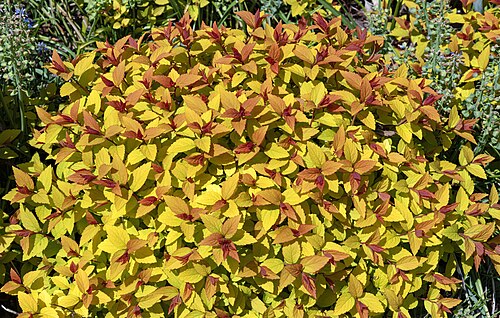
- 'Goldflame' Spirea (Spiraea japonica 'Goldflame'): Known for its vibrant, changing foliage that emerges orange-red, matures to yellow-green, and often has bronze tips. It produces clusters of pink flowers in summer.
- 'Little Princess' Spirea (Spiraea japonica 'Little Princess'): A compact, mounding shrub with delicate green leaves and abundant pink flowers in late spring to early summer. It's perfect for borders or small spaces.
- 'Magic Carpet' Spirea (Spiraea japonica 'Magic Carpet'): Similar to 'Goldflame' but often more compact, with brilliant red new growth and deep pink flowers.
- 'Double Play Gold' Spirea (Spiraea japonica 'Double Play Gold'): Features bright golden foliage and dark pink flowers, offering a striking contrast.
- 'Bridal Wreath' Spirea (Spiraea prunifolia): A classic, larger spirea known for its arching branches covered in small white flowers in spring, resembling a bridal wreath.
- 'Anthony Waterer' Spirea (Spiraea x bumalda 'Anthony Waterer'): A popular choice with deep pink to red flowers that bloom from summer into fall.
When selecting spirea, consider the mature size, bloom time, and foliage color to best fit your garden's aesthetic and functional needs.
How Can I Further Protect My Spirea from Deer Browsing?
While spirea is deer resistant, you can take additional steps to ensure it thrives undisturbed, especially if deer pressure in your area is high.
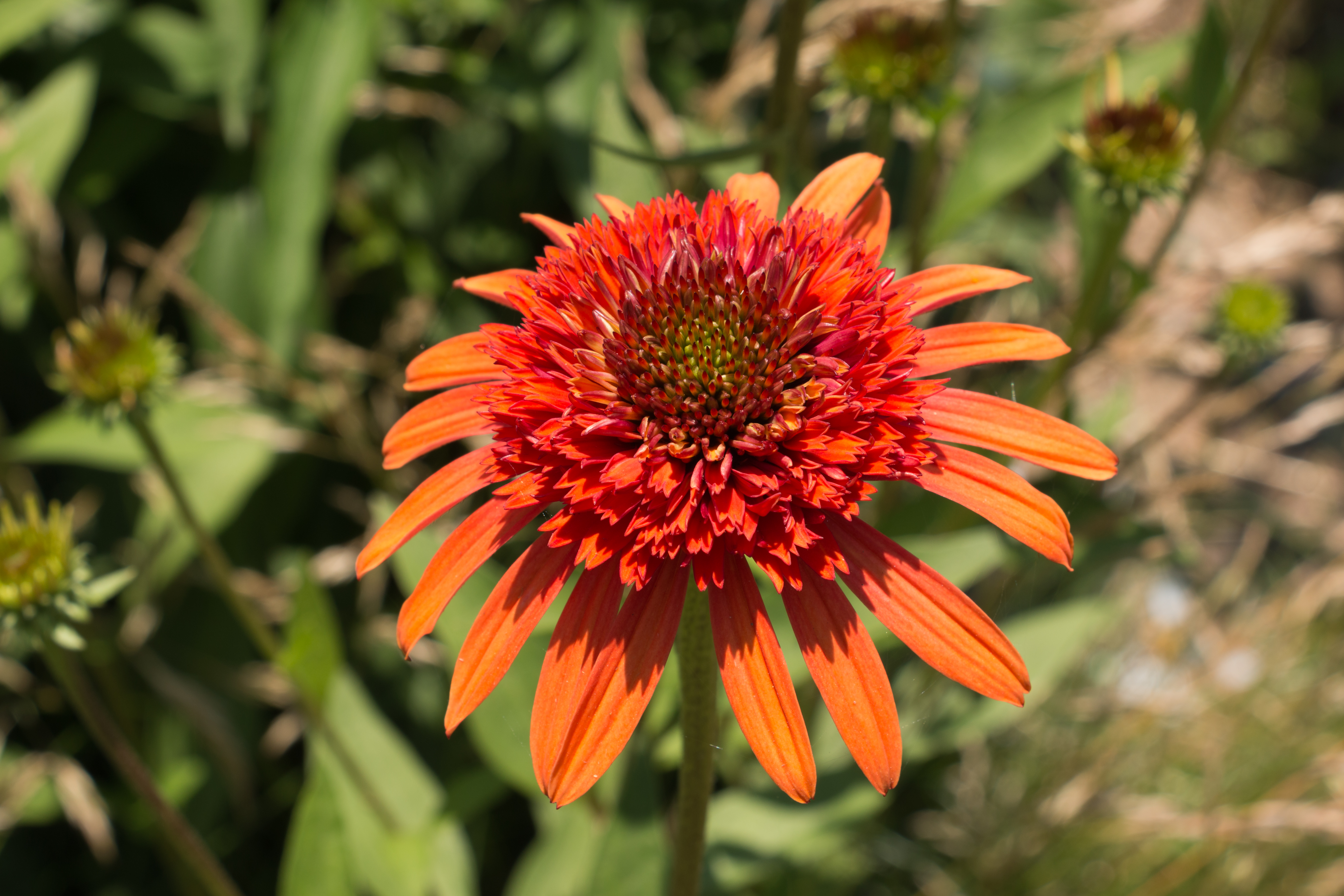
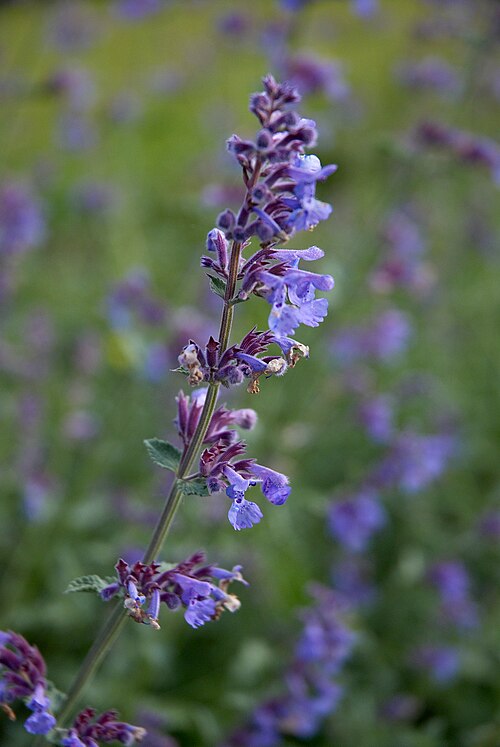
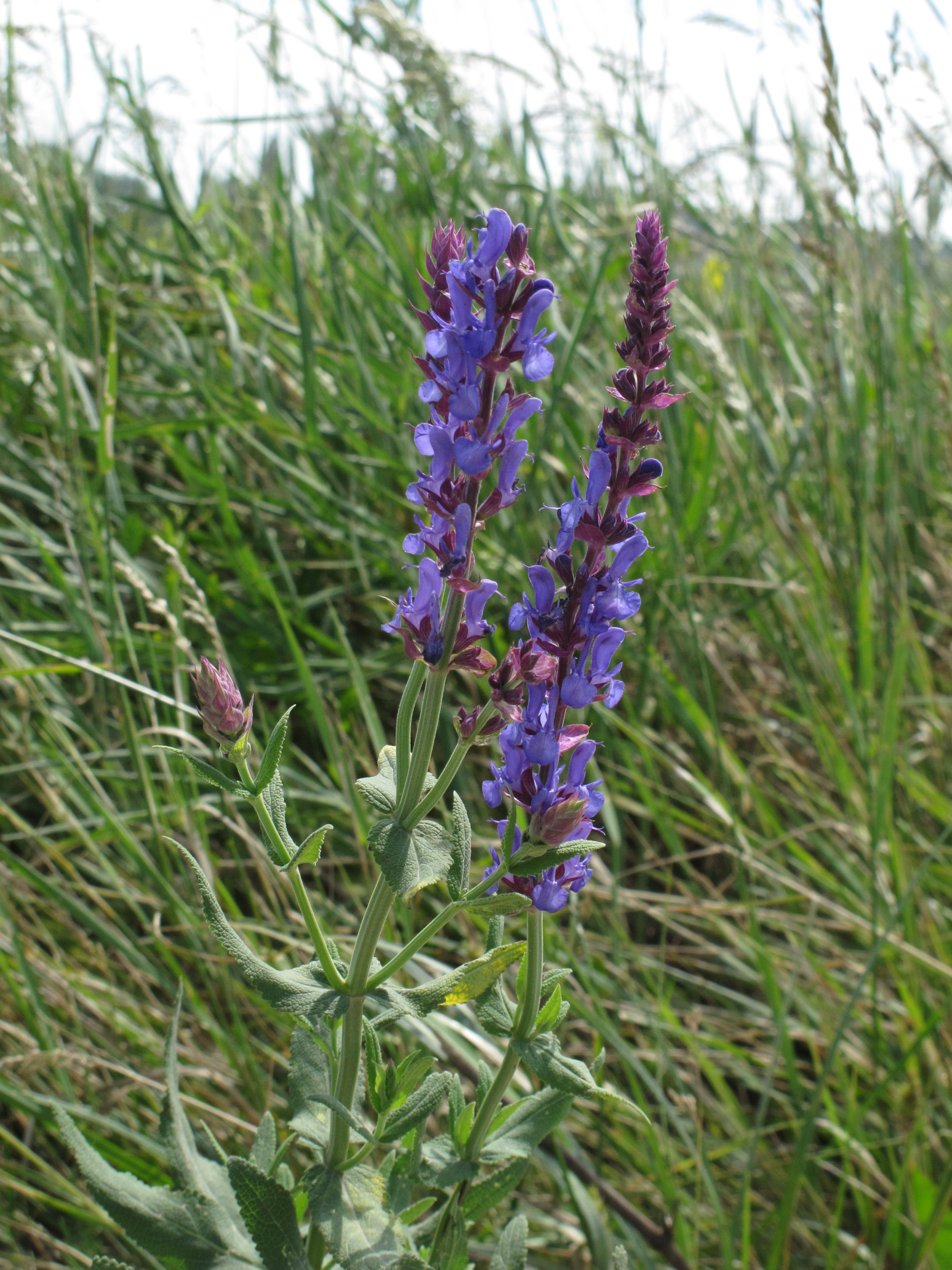
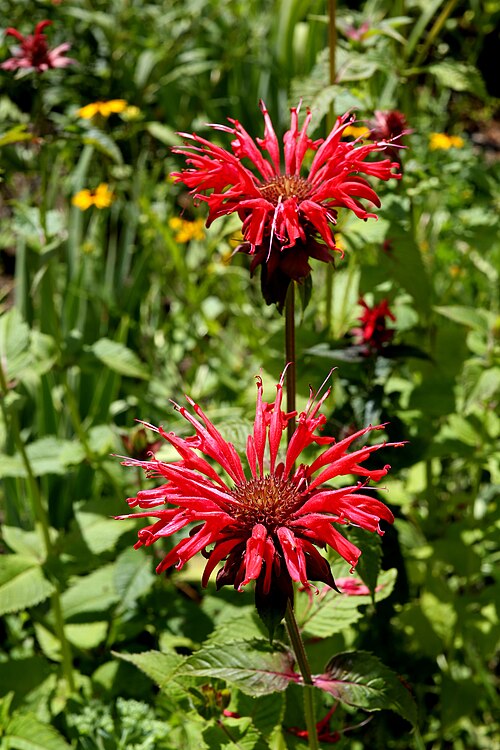
- Strategic Placement: Plant spirea among or near plants that deer really dislike. These often include plants with strong scents, fuzzy leaves, or toxic properties. Examples include:
- Repellents: Apply deer repellents, especially on new plantings or during times of high deer activity (e.g., late fall, winter, early spring). These can be scent-based, taste-based, or a combination. Reapply according to product instructions, especially after rain.
- Physical Barriers: For very young plants, temporary fencing or netting can provide protection until they establish and grow large enough to be less appealing.
- Companion Planting: Surround your spirea with other deer-resistant plants. This creates a "deer-unfriendly" zone that can deter them from even approaching your spirea.
- Vary Your Landscape: A diverse landscape with a mix of deer-resistant plants can make your garden less attractive overall compared to one filled with deer favorites.
Remember, no plant is truly deer-proof, and deer behavior can be unpredictable, varying by region, season, and individual deer. However, by choosing deer-resistant plants like spirea and employing these strategies, you significantly increase your chances of a beautiful, intact garden.
What Are the Best Growing Conditions for Spirea?
To ensure your spirea is healthy and vigorous, making it even less appealing to deer (who often target stressed or weak plants), provide it with optimal growing conditions.
- Sunlight: Most spirea varieties thrive in full sun (at least 6 hours of direct sunlight per day). While they can tolerate partial shade, too little sun can result in fewer flowers and less vibrant foliage color, and can lead to leggy growth.
- Soil: Spirea is adaptable to a wide range of soil types but prefers well-draining soil. It can tolerate clay, loam, or sandy soils, but consistently wet or waterlogged conditions should be avoided as they can lead to root rot. Amending heavy clay soils with organic matter can improve drainage.
- Watering: Once established, spirea is relatively drought-tolerant. However, consistent moisture is important during its first year to help it establish a strong root system. Water deeply and regularly, especially during dry spells. Mature plants may only need supplemental watering during extended droughts.
- Fertilizing: Spirea generally doesn't require heavy fertilization. A light application of a balanced, slow-release granular fertilizer in early spring is usually sufficient, especially if your soil is poor. Avoid over-fertilizing, which can promote lush foliage at the expense of flowers and make plants more susceptible to pests.
- Pruning: Pruning is essential for maintaining spirea's shape, promoting vigorous growth, and encouraging abundant blooms.
- Spring-blooming spirea (e.g., 'Bridal Wreath'): Prune immediately after flowering.
- Summer-blooming spirea (e.g., Spiraea japonica varieties): Prune in late winter or early spring before new growth begins.
- Remove dead, damaged, or crossing branches. You can also thin out older, less productive stems to encourage new growth from the base.
By providing these ideal conditions, your spirea will be robust and beautiful, adding a reliable splash of color and texture to your deer-resistant landscape.
Quick Reference: Spirea & Deer Resistance
| Feature | Description (or Spiraea prunifolia) is a deciduous flowering shrub known for its graceful, arching form and abundant white blooms that cover its bare branches in early to mid-spring. It's a classic landscape plant, often used as a specimen, in shrub borders, or as an informal hedge.
Key Characteristics:
- Appearance: Delicate, small green leaves that turn attractive shades of orange-red in fall. In spring, before the leaves fully emerge, the bare branches are completely covered in small, pure white, double flowers. The profusion of blooms gives it the common name "Bridal Wreath."
- Size: Typically grows 4-8 feet tall and wide, with a graceful, arching habit.
- Hardiness: Generally hardy in USDA Zones 4-8.
- Sunlight: Prefers full sun for best flowering, but can tolerate some light afternoon shade.
- Soil: Adaptable to a variety of well-drained soils.
- Watering: Drought tolerant once established, but appreciates regular watering during prolonged dry periods.
- Deer Resistance: High.
Why it's a great choice:
- Stunning Spring Display: Its early spring bloom is one of the most spectacular of any shrub, signaling the true arrival of spring.
- Deer Resistant: A reliable choice for gardens with deer pressure.
- Low Maintenance: Once established, it requires minimal care beyond occasional pruning.
- Fall Color: Offers attractive fall foliage, adding multi-season interest.
- Versatile: Can be used as a specimen, in mixed borders, or as an informal hedge.
Care Tips:
- Pruning: Prune immediately after flowering. Since it blooms on old wood, pruning in late winter or early spring will remove the flower buds for the current year. Remove about one-third of the oldest stems down to the ground each year to encourage new growth and maintain vigor.
- Pests/Diseases: Generally trouble-free. Occasionally susceptible to aphids or powdery mildew, but these are rarely severe.
Bridal Wreath Spirea is a timeless and elegant shrub that brings a touch of classic beauty to any landscape, especially valuable in areas where deer are a concern.
Ready to find the perfect plants for your yard? Try the PlantWise Plant Finder →