Is Rudbeckia (Black-Eyed Susan) Deer Resistant? Complete Guide
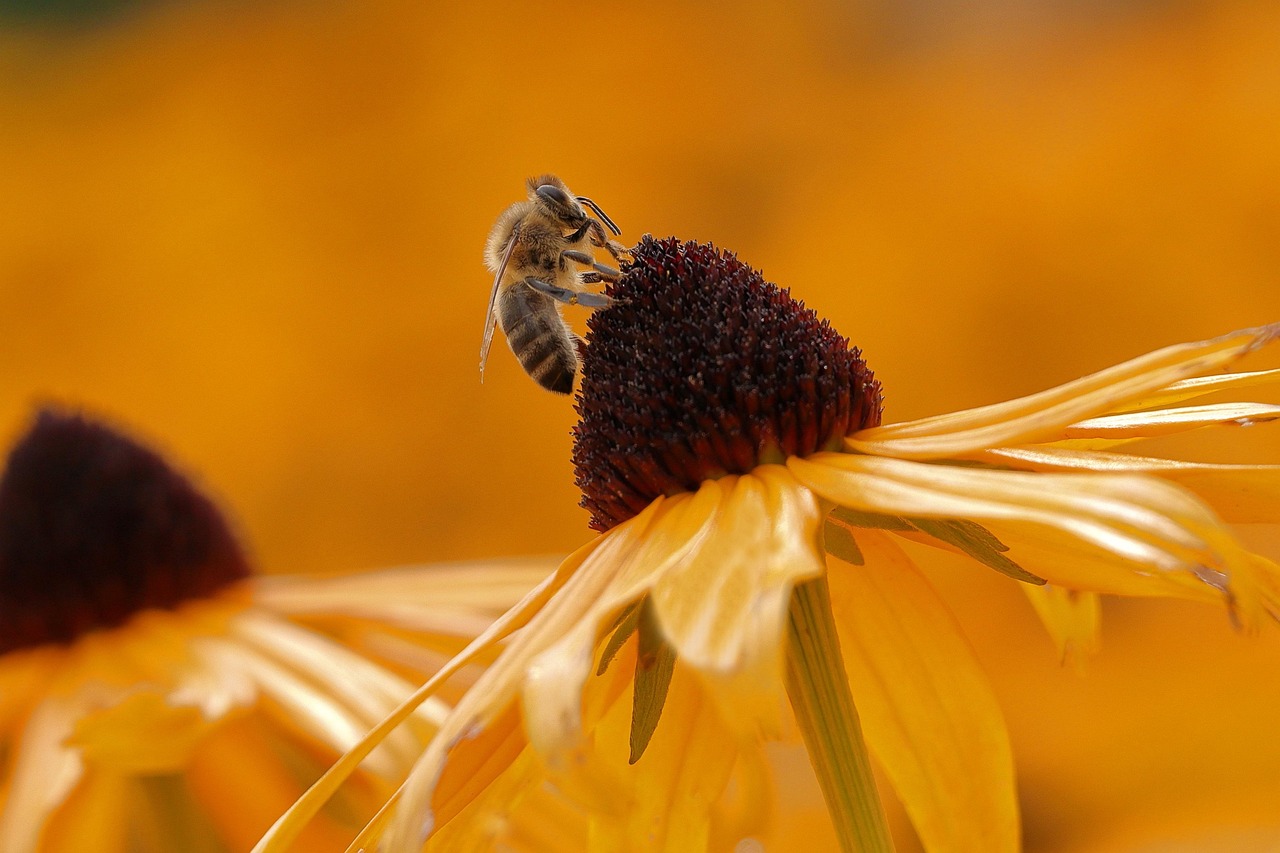
Rudbeckia, commonly known as Black-Eyed Susan, is a beloved perennial that brightens gardens with its cheerful, daisy-like flowers. When it comes to deer resistance, Rudbeckia is generally considered to have moderate deer resistance. This means that while deer may browse it if other preferred food sources are scarce, it's not usually their first choice. In many gardens, Rudbeckia can thrive without significant deer damage, making it a good option for gardeners in deer-prone areas who want reliable blooms.
Let's dive into what makes Rudbeckia a decent choice against deer, and how you can maximize its chances of success in your landscape.
🌱 Get Personalized Plant Picks
Answer a few quick questions and we’ll match plants to your exact yard conditions.
Find My Plants →Why Do Deer Tend to Avoid Rudbeckia?
Deer are opportunistic browsers, and their preferences can vary based on region, time of year, and the availability of other plants. However, several characteristics of Rudbeckia contribute to its moderate deer resistance:
- Fuzzy or Hairy Texture: Many varieties of Rudbeckia have slightly rough or hairy stems and leaves. Deer often dislike plants with fuzzy or prickly textures, as they can be unpleasant to chew.
- Strong Scent (to deer): While not overwhelmingly fragrant to humans, some plants emit scents that deer find unappealing. Rudbeckia may possess subtle compounds that deter deer.
- Taste: The taste of Rudbeckia foliage is not particularly palatable to deer, especially compared to their favorite snacks like hostas or daylilies.
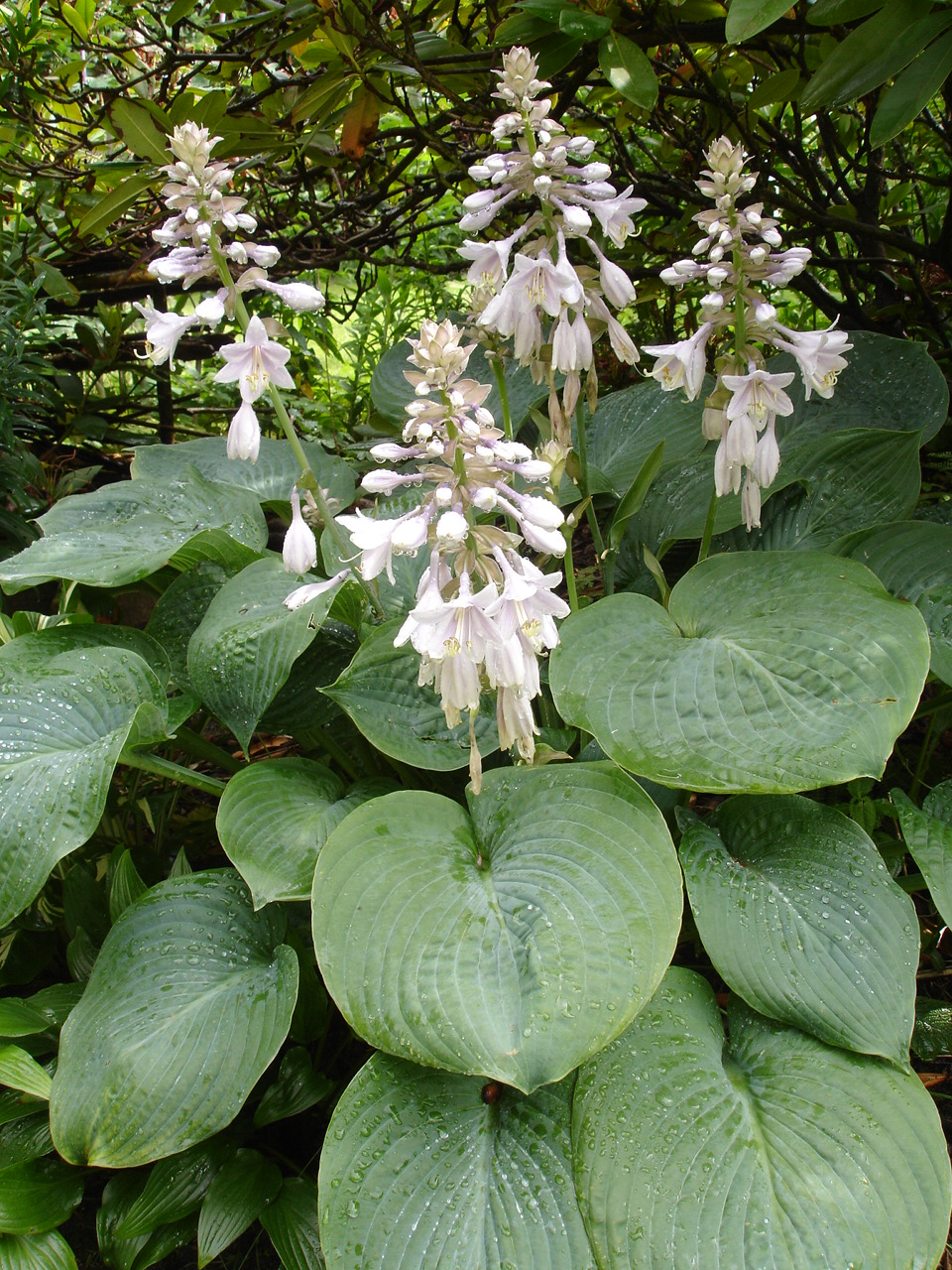
It's important to remember the disclaimer: no plant is truly deer-proof. A hungry deer will eat almost anything, especially during harsh winters or droughts when food is scarce. However, Rudbeckia is a much safer bet than many other common garden plants.
Which Rudbeckia Varieties Are Best for Deer Resistance?
While most Rudbeckia species and cultivars share similar characteristics that deter deer, some might be slightly more or less appealing depending on their specific texture or growth habit. Generally, you can expect good resistance from popular varieties like:
- Rudbeckia hirta (Black-Eyed Susan): This classic biennial or short-lived perennial is widely planted and typically holds up well against deer.
- Rudbeckia fulgida 'Goldsturm': One of the most popular and reliable perennials, 'Goldsturm' is known for its prolific blooms and good deer resistance.
- Rudbeckia laciniata (Cutleaf Coneflower): A taller species, often found in wilder settings, which deer tend to leave alone.
- Rudbeckia triloba (Brown-Eyed Susan): Another species known for its abundant, smaller flowers and general hardiness, including against deer.
Focusing on healthy plants and good garden practices will often be more impactful than trying to find a specific "deer-proof" Rudbeckia cultivar.
How Can I Protect Rudbeckia (and Other Plants) from Deer?
Even with moderately resistant plants like Rudbeckia, taking additional steps can significantly reduce the risk of deer damage. Here are some strategies:
- Strategic Placement: Plant Rudbeckia closer to your house or in areas with more human activity, which deer tend to avoid.
- Companion Planting: Surround Rudbeckia with plants that deer strongly dislike. Good companions include:
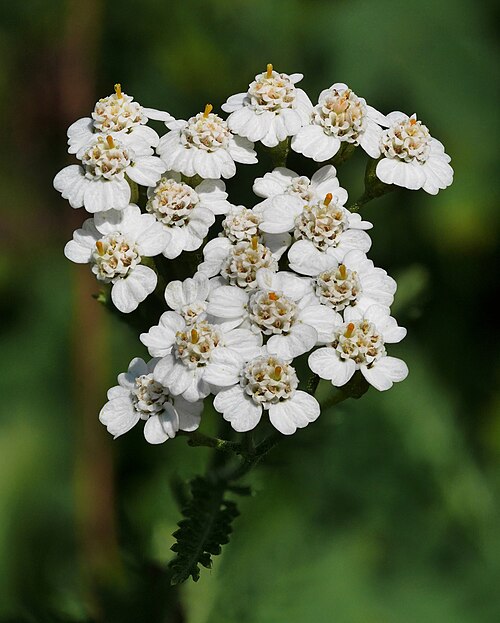
- Yarrow (Yarrow): Aromatic and fuzzy foliage.
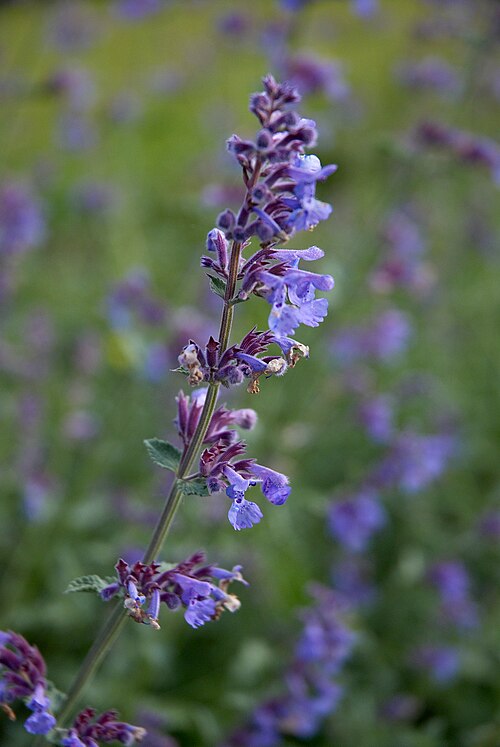
- Catmint (Catmint): Strong minty scent.
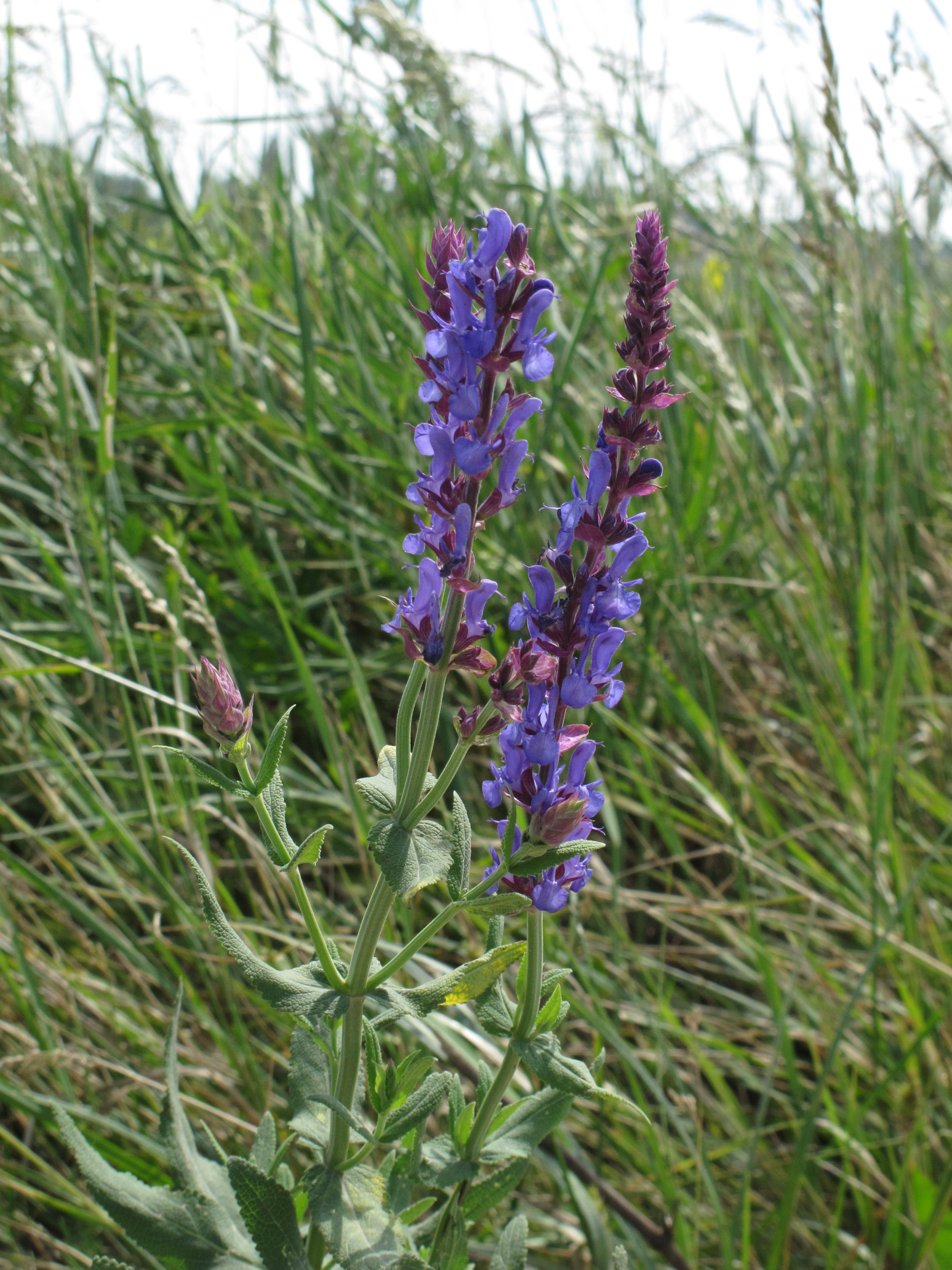
- Salvia (Salvia): Aromatic foliage.
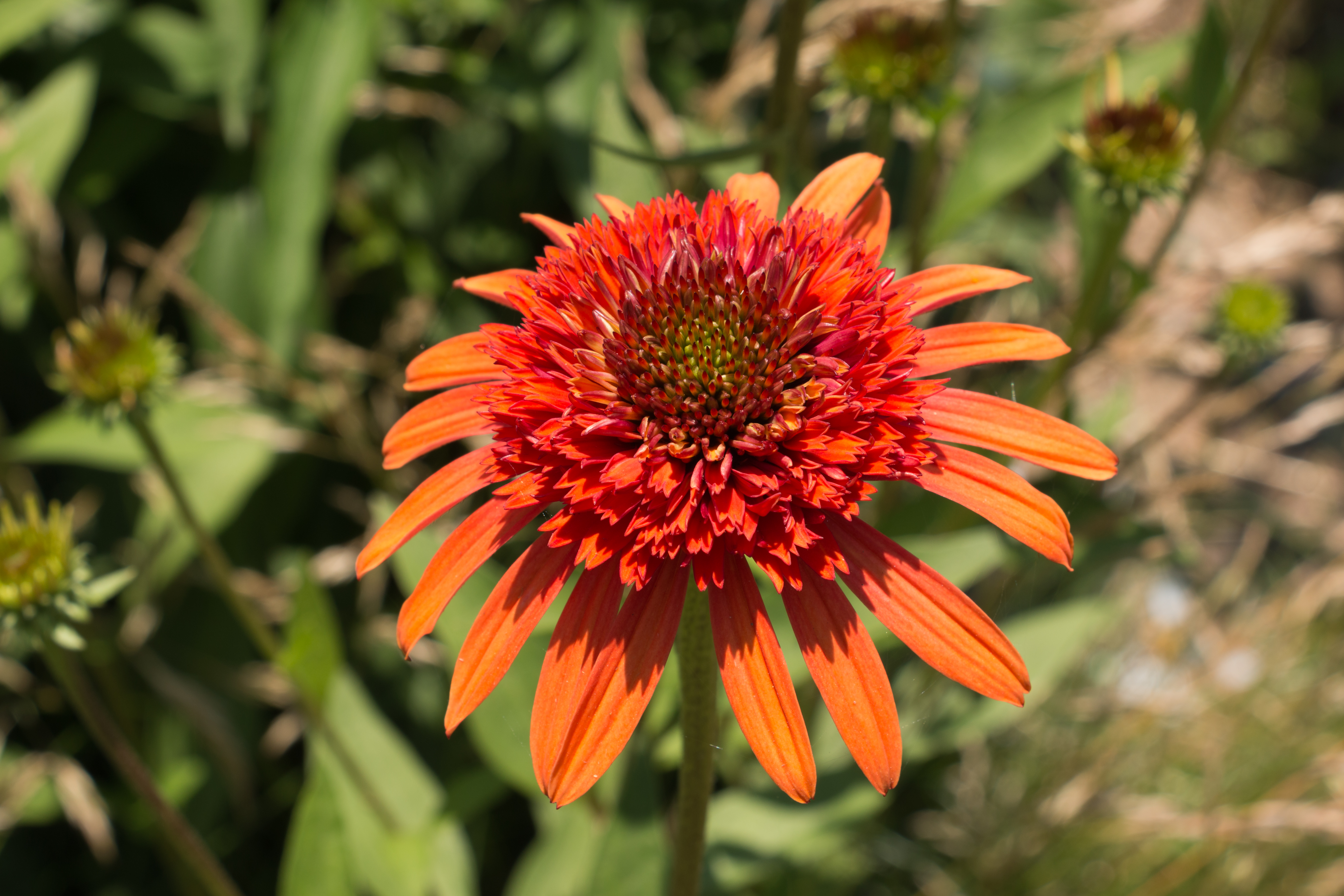
- Coneflower (Coneflower): Spiky seed heads and rough texture.
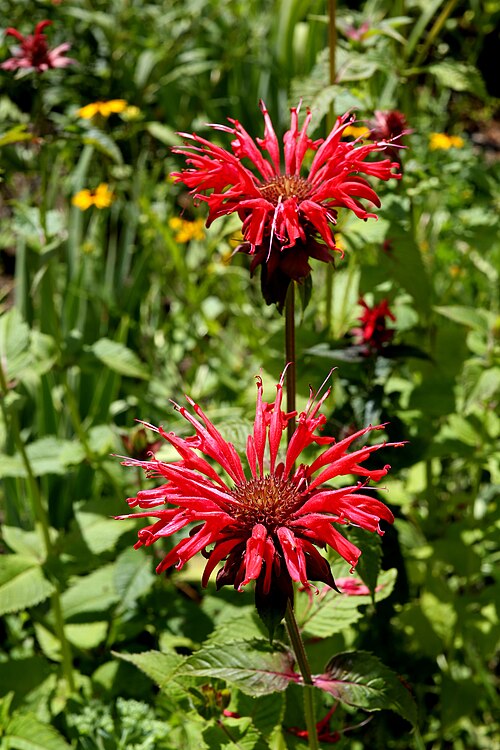
- Bee Balm (Bee Balm): Aromatic foliage.
- Deer Repellents:
- Commercial Sprays: Many effective repellents are available, using ingredients like putrescent egg solids, capsaicin, or strong-smelling oils. Apply according to package directions, especially after rain or new growth. Rotate repellents to prevent deer from becoming accustomed to one.
- Homemade Solutions: Some gardeners have success with solutions like garlic spray, hot pepper spray, or Irish Spring soap shavings (though these often require frequent reapplication).
- Physical Barriers:
- Fencing: The most effective method, but often impractical for an entire property. Even a short fence (3-4 feet) can deter casual browsing, but a serious deer fence needs to be 8 feet tall.
- Netting: Can be draped over individual plants or small beds, especially when plants are young and most vulnerable.
- Disturbance and Diversion:
- Motion-Activated Sprinklers: These can startle deer and teach them to avoid certain areas.
- Noise Makers: Wind chimes or other noise-making devices can sometimes deter deer, especially when combined with other methods.
- Decoys: While less effective long-term, some gardeners use scarecrows or predator decoys.
- Maintain a Tidy Garden: Remove fallen fruit or vegetables that might attract deer to your yard.
Quick Reference: Rudbeckia Deer Resistance
| Characteristic | Deer Response |
|---|---|
| Deer Resistance | Moderate (not their first choice, but will browse if hungry) |
| Texture | Hairy/fuzzy stems and leaves (unappealing) |
| Scent/Taste | Generally unpalatable to deer |
| Common Damage | Nibbled leaves, flower buds, or flowers, especially when young or during scarcity |
| Best Varieties | R. hirta, R. fulgida 'Goldsturm', R. laciniata, R. triloba |
| Protection Methods | Repellents, fencing, companion planting with deer-resistant plants, strategic placement, motion-activated sprinklers |
What Other Deer-Resistant Perennials Pair Well with Rudbeckia?
Creating a garden that stands up to deer often involves layering different plants with varying levels of resistance. Pairing Rudbeckia with other deer-resistant perennials can create a beautiful, cohesive, and less appealing buffet for deer.
Here are some excellent choices that complement Rudbeckia's sunny disposition:
- Coneflower (Echinacea): Like Rudbeckia, Coneflowers have a somewhat rough texture and are generally avoided by deer. Their purple, pink, or white daisy-like flowers create a lovely contrast.
- Yarrow (Achillea): Yarrow's feathery foliage and flat-topped flower clusters come in a range of colors and are known for their strong scent, which deer dislike.
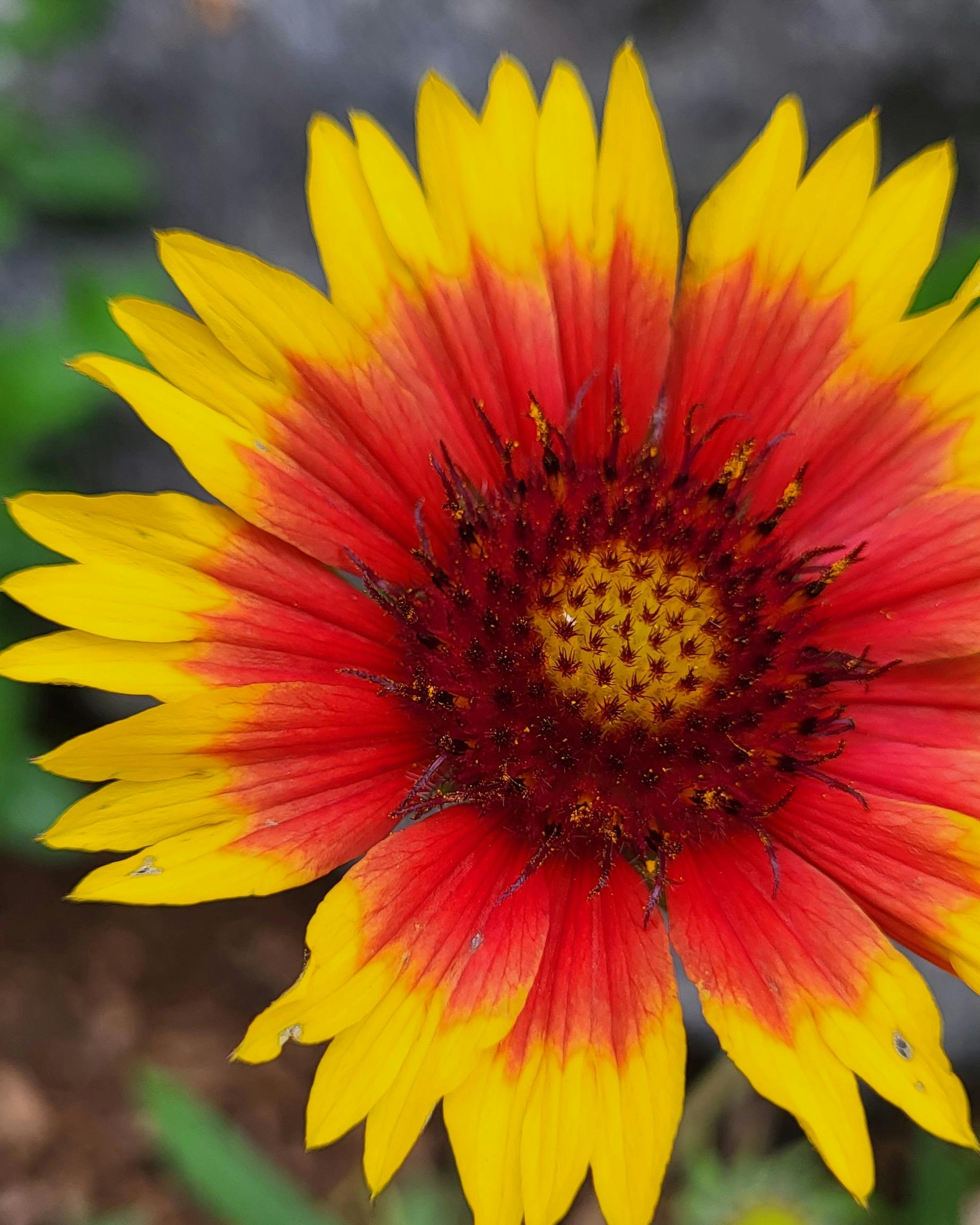
- Blanket Flower (Gaillardia): These vibrant, daisy-like flowers are tough, drought-tolerant, and rarely bothered by deer.
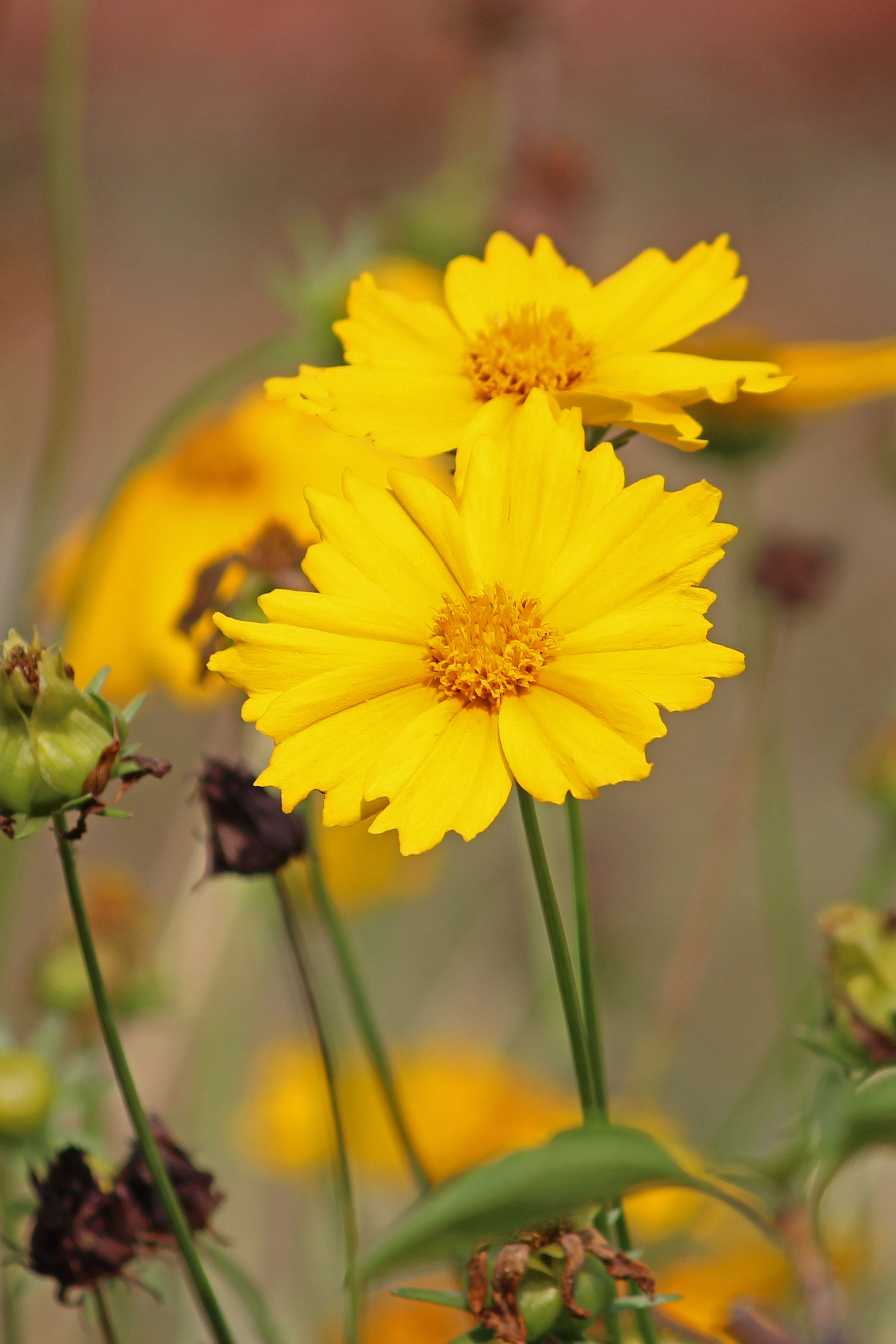
- Coreopsis (Tickseed): With delicate, often yellow flowers, Coreopsis is another cheerful, low-maintenance perennial that deer tend to ignore.
- Salvia (Salvia): Many varieties of Salvia offer beautiful spires of blue, purple, or pink flowers and have aromatic foliage that deer find off-putting.
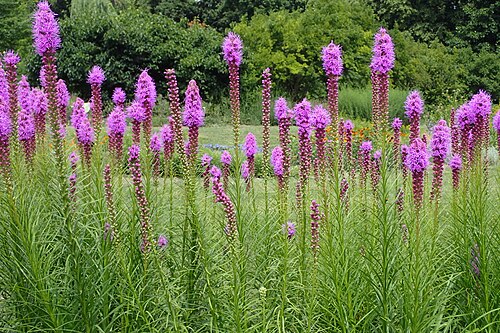
- Blazing Star (Liatris): The upright, bottlebrush-like flowers of Liatris are a unique addition to the garden and are reliably deer-resistant.
By combining these plants, you can create a vibrant, diverse garden that is both beautiful and resilient against deer pressure. Remember to observe your garden regularly. Deer habits can change, and what works one season might need adjustment the next.
Ready to find the perfect plants for your yard? Try the PlantWise Plant Finder →