FTC Disclosure: This post contains affiliate links. We may earn a commission at no extra cost to you if you make a purchase through links on this page.
If you’re wondering, “Is foxglove deer resistant?” the answer is yes. Foxglove (Digitalis spp.) is one of the most reliably deer-resistant plants available because its leaves and flowers contain compounds that are genuinely toxic to deer and other herbivores. This natural toxicity makes foxglove an excellent choice for gardeners looking to deter deer from eating their prized plants.
What Makes Foxglove Deer Resistant?
Foxglove’s deer resistance stems from its production of cardiac glycosides, chemicals that interfere with heart function. These compounds are toxic not only to deer but also to many other mammals, including humans and pets. Because deer instinctively avoid plants that cause discomfort or illness, foxglove’s bitter taste and potential toxicity keep them at bay.
Deer tend to browse on tender, nutritious plants, so the presence of toxins in foxglove’s leaves and flowers discourages feeding. This natural defense mechanism allows foxglove to thrive in areas with heavy deer pressure where more palatable plants might be decimated.
🌱 Get Personalized Plant Picks
Answer a few quick questions and we’ll match plants to your exact yard conditions.
Find My Plants →How Effective Is Foxglove at Repelling Deer?
While no plant is completely deer-proof in extreme cases of hunger, foxglove ranks among the top deer-resistant plants. Studies and anecdotal evidence from gardeners consistently report minimal to no browsing damage on foxglove even in deer-prone areas. The plant’s toxicity and strong flavor act as a reliable deterrent.
Keep in mind that young deer or those with limited food options might nibble on foxglove, but this is rare. Generally, the risk of deer damage is low enough that foxglove is considered a practical choice for deer-resistant gardens.
Considerations for Growing Foxglove in Deer-Prone Areas
Soil and Sunlight Requirements
Foxglove prefers well-drained soil rich in organic matter and does best in partial shade to full sun. It can adapt to a variety of soil types but thrives when the soil is moist but not waterlogged. Because it’s a biennial or short-lived perennial, it often self-seeds, providing a steady presence in your garden over time.
Toxicity and Safety
While foxglove is deer resistant due to its toxicity, this also means gardeners need to exercise caution. All parts of the plant contain toxic compounds, so it should be planted away from children and pets. The ASPCA lists foxglove as not listed as toxic for pets, but due to the presence of cardiac glycosides, ingestion can be dangerous. If you suspect your pet has eaten foxglove, call the ASPCA Animal Poison Control Center at 888-426-4435 immediately.
Deer Resistance vs. Other Wildlife
While foxglove is highly deer resistant, it may still attract other wildlife such as hummingbirds and bees, which are important pollinators. However, rabbits and groundhogs generally avoid foxglove due to its toxicity, though no plant can be guaranteed 100% resistant to all wildlife.
How to Incorporate Foxglove in a Deer-Resistant Garden
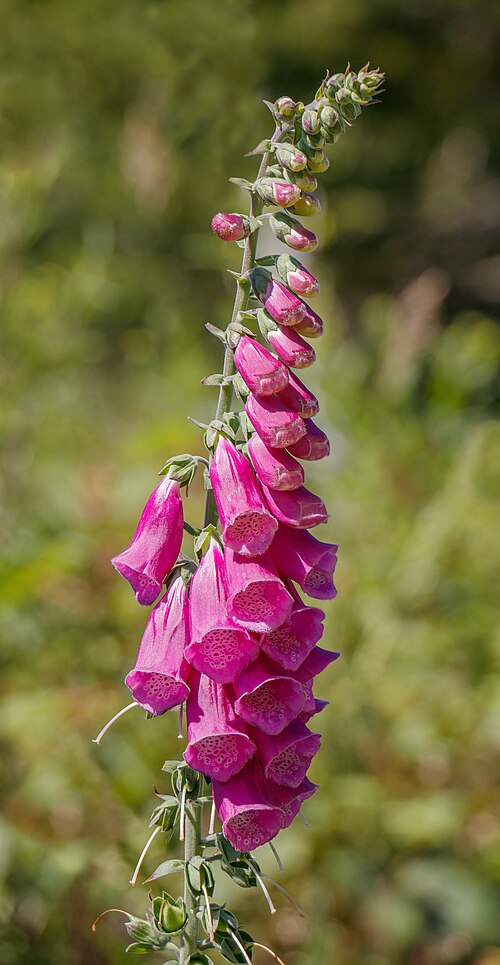
Using foxglove alongside other deer-resistant plants can create a beautiful and resilient garden. Pair foxglove’s tall spires of tubular flowers with lower-growing companions to add texture and color while keeping deer at bay.
Here are some other reliable deer-resistant plants to consider:
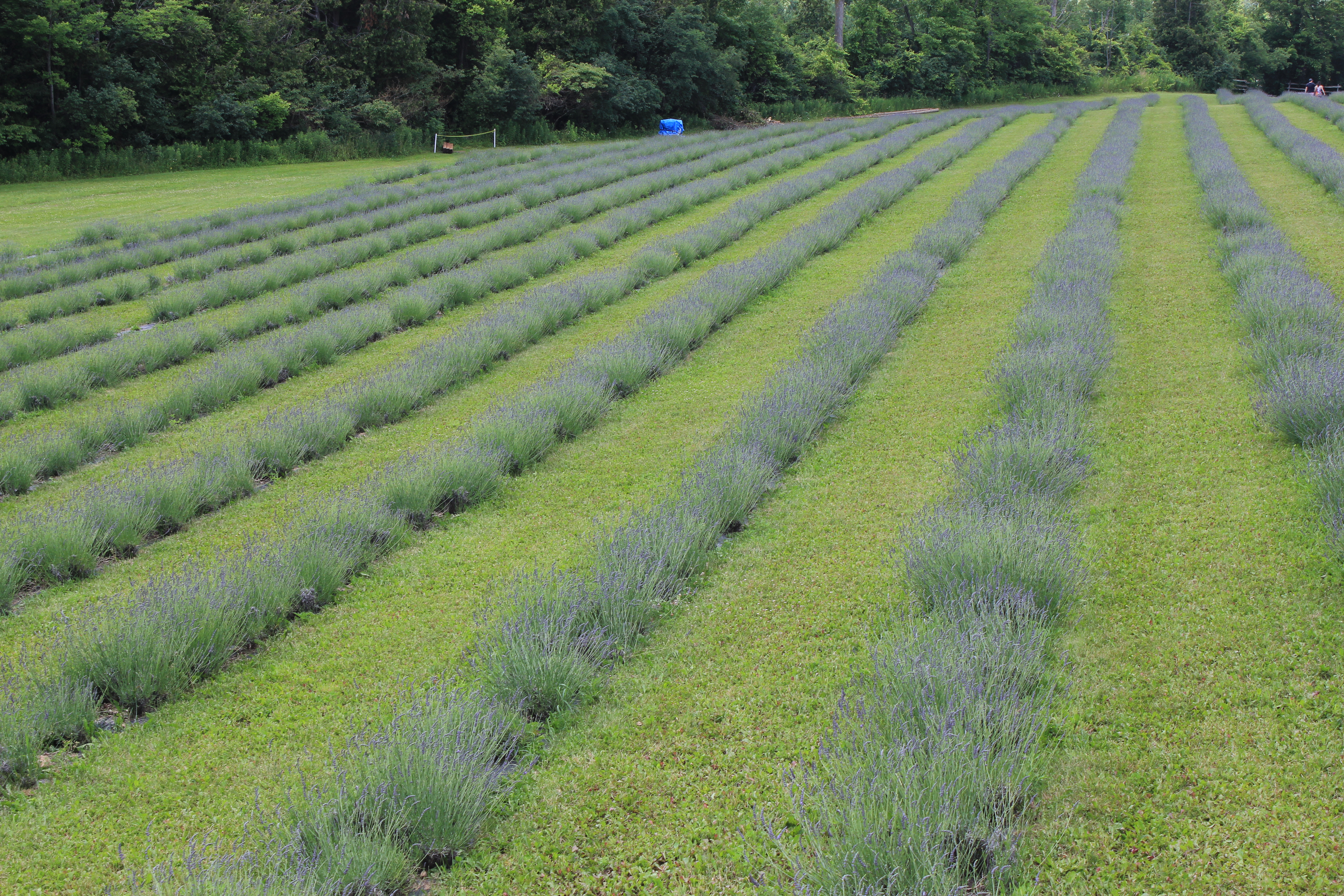
- Lavender Lavender offers fragrant, drought-tolerant foliage that deer dislike.
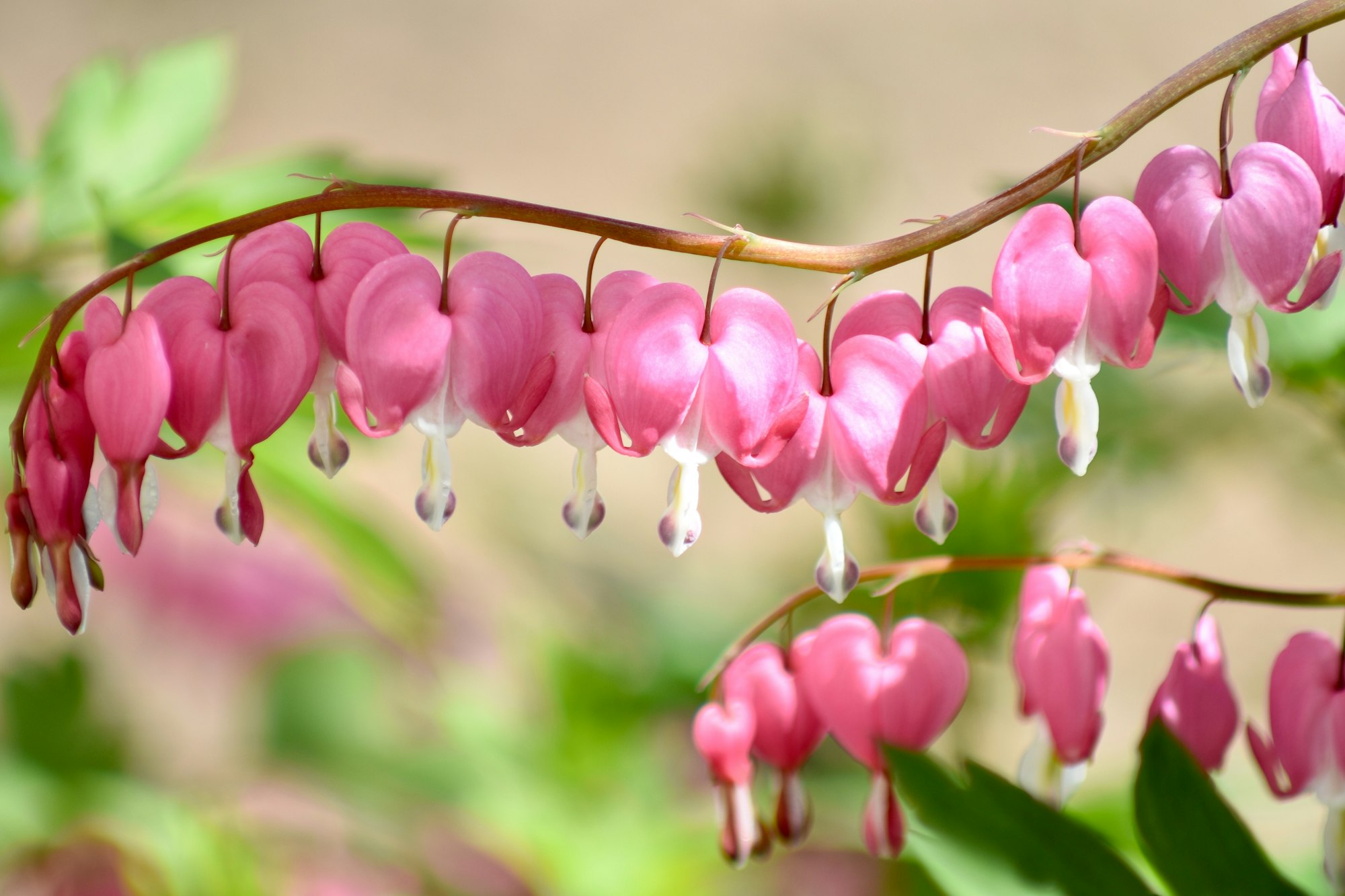
- Bleeding Heart Bleeding Heart provides delicate, heart-shaped flowers and thrives in shade.
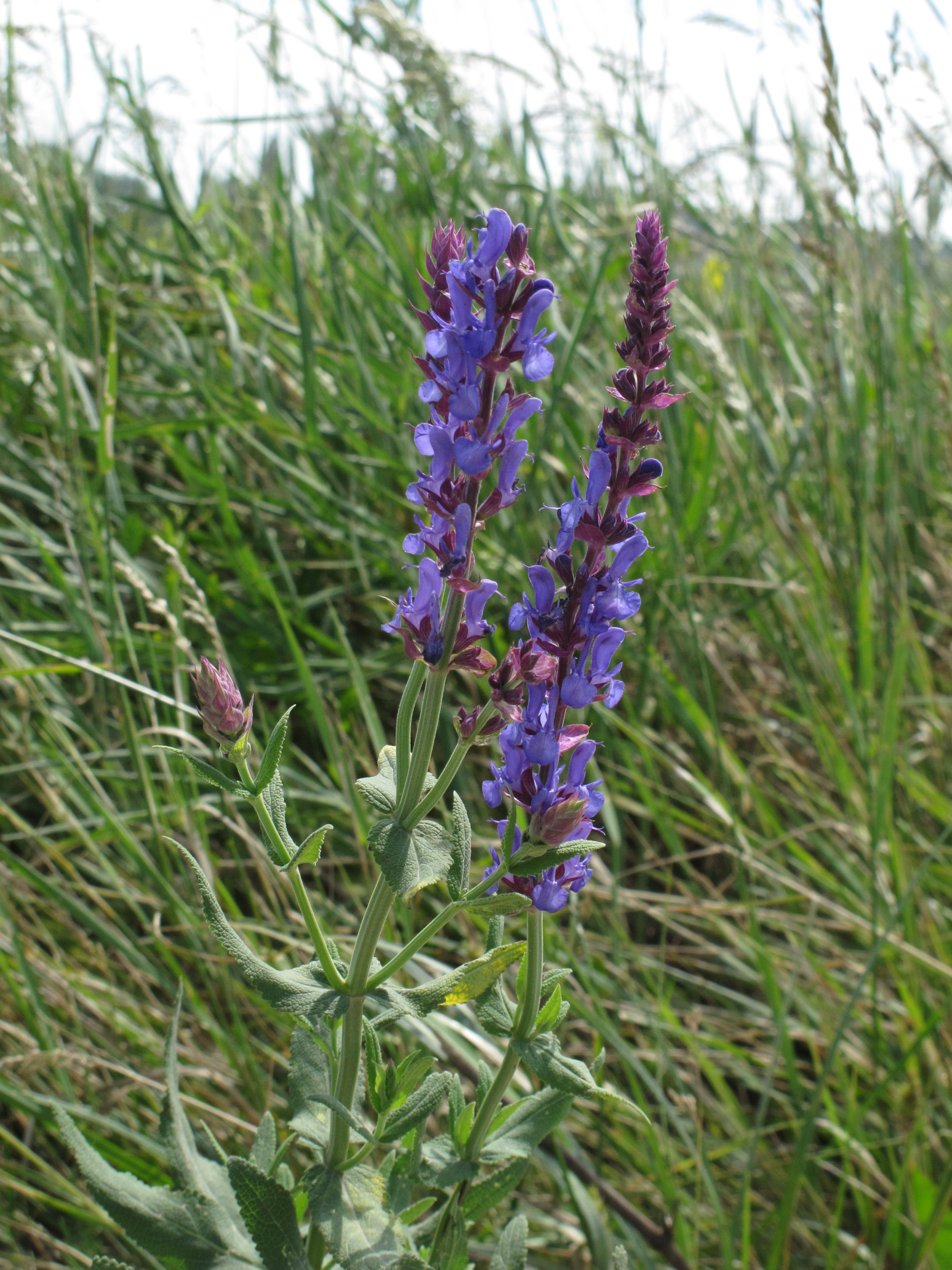
- Salvia Salvia is a colorful, aromatic addition that deer tend to avoid.
- Peony Peonies have large blooms and tough foliage that deer often skip.
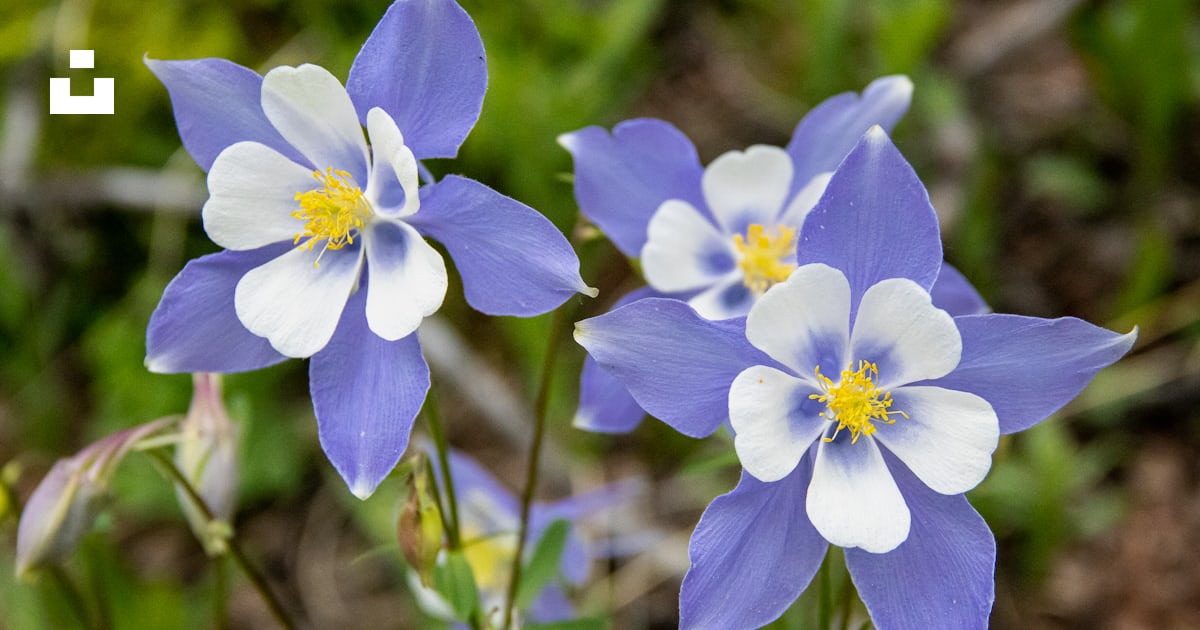
- Columbine Columbine’s unique flowers attract pollinators but are usually left alone by deer.
Wildlife Resistance Disclaimer
While foxglove and these companion plants are generally deer resistant, no plant is guaranteed to be 100% deer, rabbit, or groundhog proof. Wildlife feeding habits can vary with local populations and seasonal food availability. Always monitor your garden and take additional protective measures if necessary, such as fencing or repellents.
Pet Safety Reminder
Because foxglove contains toxic cardiac glycosides, it is classified as not listed as toxic but potentially dangerous if ingested by pets. Keep your pets safe by educating yourself on plant toxicity and calling the ASPCA Animal Poison Control Center at 888-426-4435 if ingestion occurs.
Final Thoughts on Foxglove’s Deer Resistance
If you’re battling deer browsing in your garden, foxglove is a smart and elegant choice. Its natural toxicity effectively deters deer while adding striking beauty with its tall flower spikes ranging from purple and pink to white. Just remember to plant it responsibly, keeping safety in mind for children and pets.
By combining foxglove with other deer-resistant plants, you can create a garden that’s both beautiful and resilient against wildlife challenges.
Try our Plant Finder wizard at /wizard to discover the best deer-resistant plants for your growing zone and garden conditions.