Is Hellebore Deer Resistant? Complete Guide
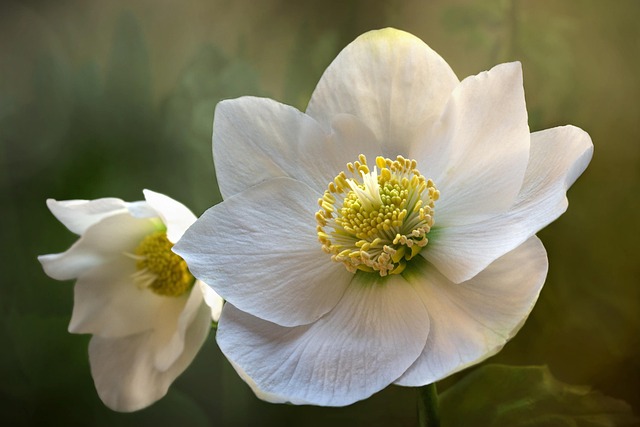
Hellebores, often called Lenten Roses or Christmas Roses, are a true gem for the winter and early spring garden, offering vibrant blooms when little else is stirring. If you're gardening in an area with deer pressure, you'll be delighted to know that yes, hellebores are considered highly deer resistant. While no plant is truly deer-proof, hellebores are rarely bothered by deer, making them an excellent choice for woodland gardens, shaded borders, and areas where other plants might become a deer snack. Their natural chemical compounds and bitter taste deter deer, allowing gardeners to enjoy their beauty without constant worry.
🌱 Get Personalized Plant Picks
Answer a few quick questions and we’ll match plants to your exact yard conditions.
Find My Plants →Why Do Deer Avoid Hellebores?
Deer are opportunistic browsers, and while they might sample almost any plant if food is scarce, they tend to avoid plants that are unpalatable or contain compounds that cause discomfort. Hellebores fall squarely into this category.
The primary reason deer steer clear of hellebores is due to the presence of cardiac glycosides, particularly helleborin, throughout the plant. These compounds are toxic to many mammals, including deer, if ingested in sufficient quantities. While a deer might take an exploratory nibble, the bitter taste and the subsequent unpleasant sensation quickly teach them to leave hellebores alone. This natural defense mechanism is incredibly effective, making hellebores a reliable choice for gardeners battling deer.
Beyond their chemical deterrents, hellebores also have a somewhat leathery texture to their leaves, especially as they mature. While not the primary reason for deer resistance, this texture can be less appealing to deer compared to softer, more succulent foliage.
What Makes Hellebores a Great Choice for Deer-Prone Gardens?
Hellebores offer more than just deer resistance; they bring a host of other benefits to the garden, especially in challenging conditions.
- Early Bloom Time: They are among the first plants to flower, often blooming from late winter into early spring, providing much-needed color and nectar for early pollinators when other plants are still dormant.
- Shade Tolerance: Most hellebore varieties thrive in partial to full shade, making them perfect for under trees, along north-facing walls, or in other dimly lit garden spots where many flowering plants struggle.
- Evergreen or Semi-Evergreen Foliage: Many hellebores retain their attractive, leathery leaves throughout the year, providing year-round interest and groundcover, even when not in bloom.
- Low Maintenance: Once established, hellebores are remarkably tough and require minimal care. They are drought-tolerant and generally pest and disease resistant.
- Long-Lasting Flowers: The blooms themselves are incredibly durable, often lasting for weeks or even months, gradually fading to beautiful muted tones.
Which Hellebore Varieties Are Best for Deer Resistance?
All species and cultivars of Hellebore are generally considered deer resistant due to the presence of the same toxic compounds. However, some are more widely available and popular for garden use.
- Helleborus orientalis (Lenten Rose): This is the most common and widely hybridized species, known for its nodding, cup-shaped flowers in a vast array of colors, including white, pink, purple, red, yellow, and speckled varieties. They are incredibly vigorous and self-seed readily.
- Helleborus niger (Christmas Rose): Famous for its pristine white flowers that often bloom around Christmas in milder climates. It's a slightly more delicate plant but equally deer resistant.
- Helleborus foetidus (Stinking Hellebore): Don't let the name deter you! While its crushed leaves have a slightly unpleasant odor, the plant itself is striking with its dark green, deeply divided foliage and clusters of pale green, bell-shaped flowers. It's very robust and deer-proof.
- Helleborus argutifolius (Corsican Hellebore): Features bold, spiny, blue-green foliage and large clusters of apple-green flowers. It's a statuesque plant that adds architectural interest.
When selecting hellebores, focus on varieties that appeal to your aesthetic preferences, as their deer resistance will be consistent across the genus.
Quick Reference: Hellebore Deer Resistance
| Feature | Details
Hellebores are a fantastic choice for gardeners seeking beautiful, low-maintenance, and reliably deer-resistant plants. Their early blooms and evergreen foliage provide much-needed interest during the colder months, making them a valuable addition to any shade garden.
Are Hellebores Toxic to Pets?
Yes, hellebores are considered toxic to pets, including dogs and cats, as well as humans, if ingested. As mentioned earlier, they contain cardiac glycosides, which can cause gastrointestinal upset (vomiting, diarrhea, drooling), lethargy, and in severe cases, cardiac arrhythmias or collapse. The bitter taste usually deters pets from consuming large quantities, but it's important to be aware of the risk.
If you suspect your pet has ingested a toxic plant, call the ASPCA Animal Poison Control Center immediately at (888) 426-4435.
What Other Deer-Resistant Plants Pair Well with Hellebores?
Creating a deer-resistant garden often involves layering various plants with similar growing requirements. Here are a few excellent companions for hellebores that also tend to be ignored by deer:
- Ferns: Many fern varieties, like the
or
, thrive in similar shady, moist conditions and offer beautiful textural contrast to hellebores. Their fibrous nature and lack of nutritional value make them unappealing to deer.
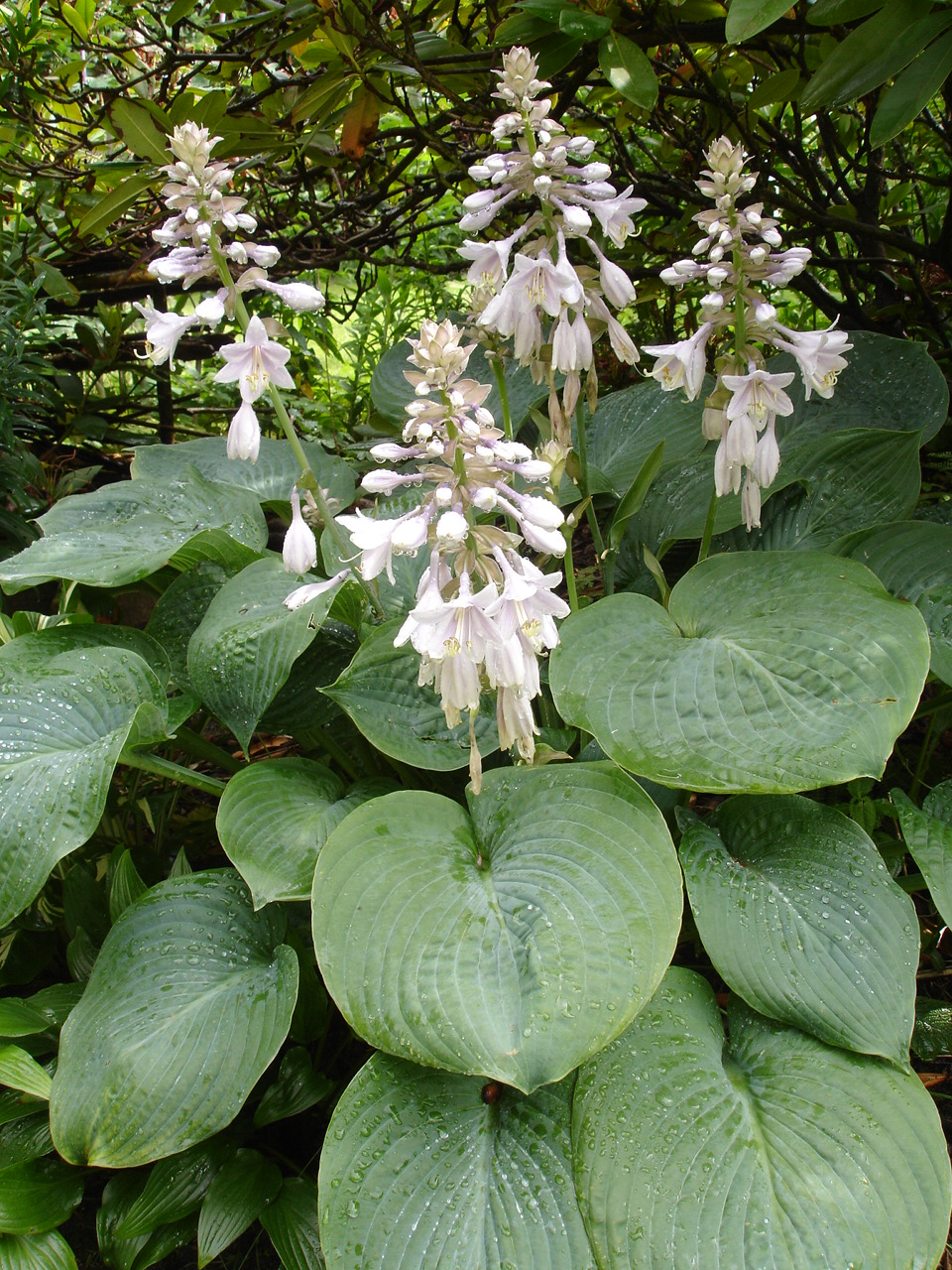
Hostas (some varieties): While some hostas are deer candy, varieties with thicker, bluer, or more textured leaves (like 'Sum and Substance' or 'Blue Angel') can show more resistance. However, for guaranteed deer resistance, ferns are a safer bet.
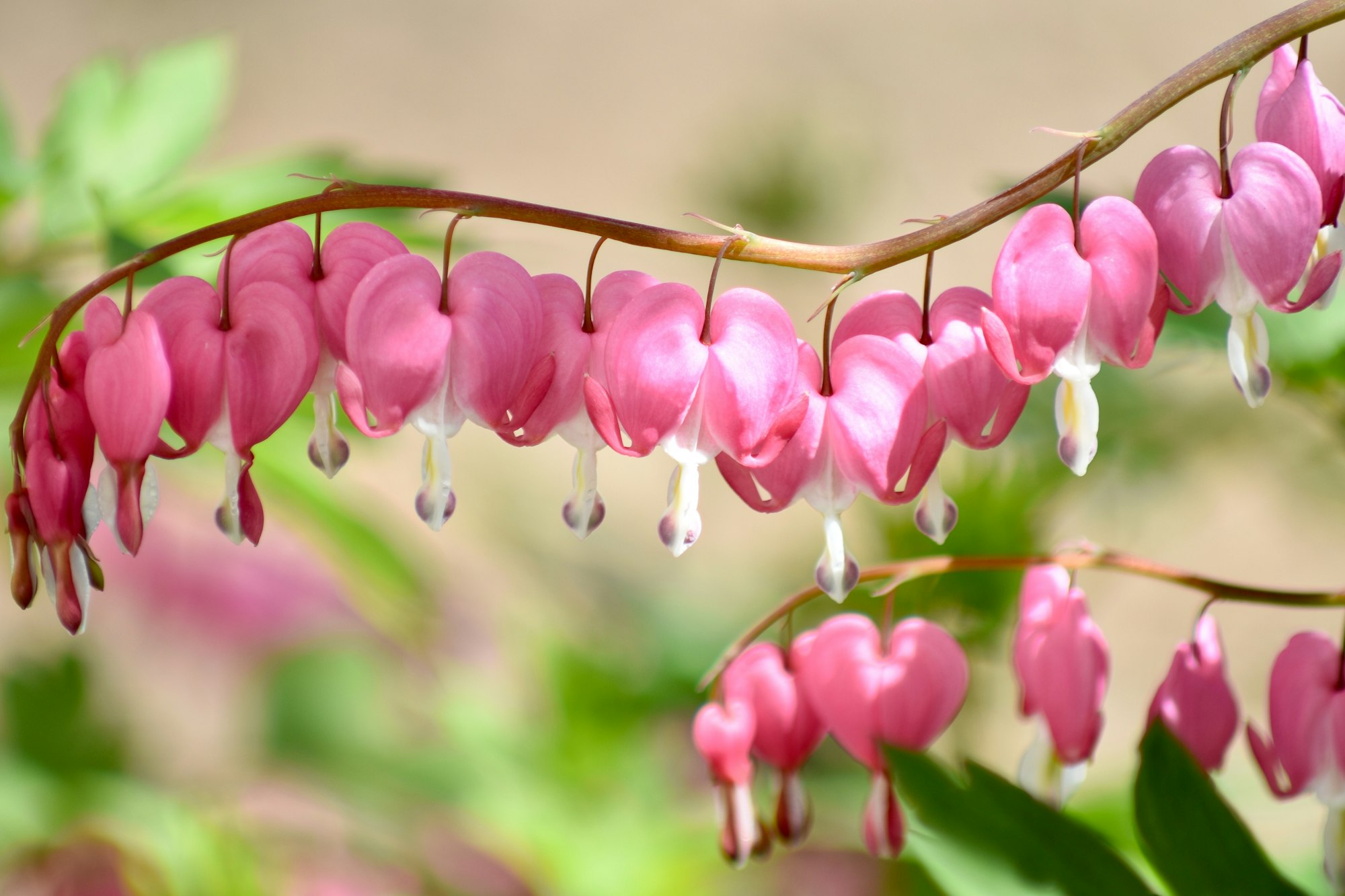
Bleeding Heart (Dicentra spectabilis): This classic shade perennial offers delicate, heart-shaped flowers in spring and is generally not favored by deer.
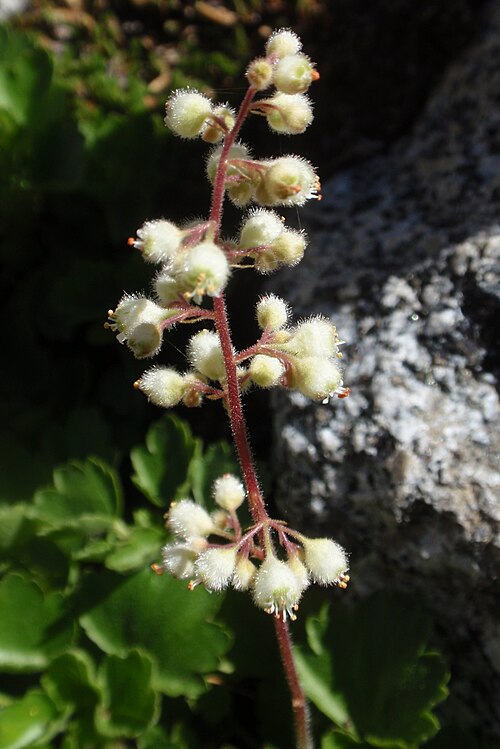
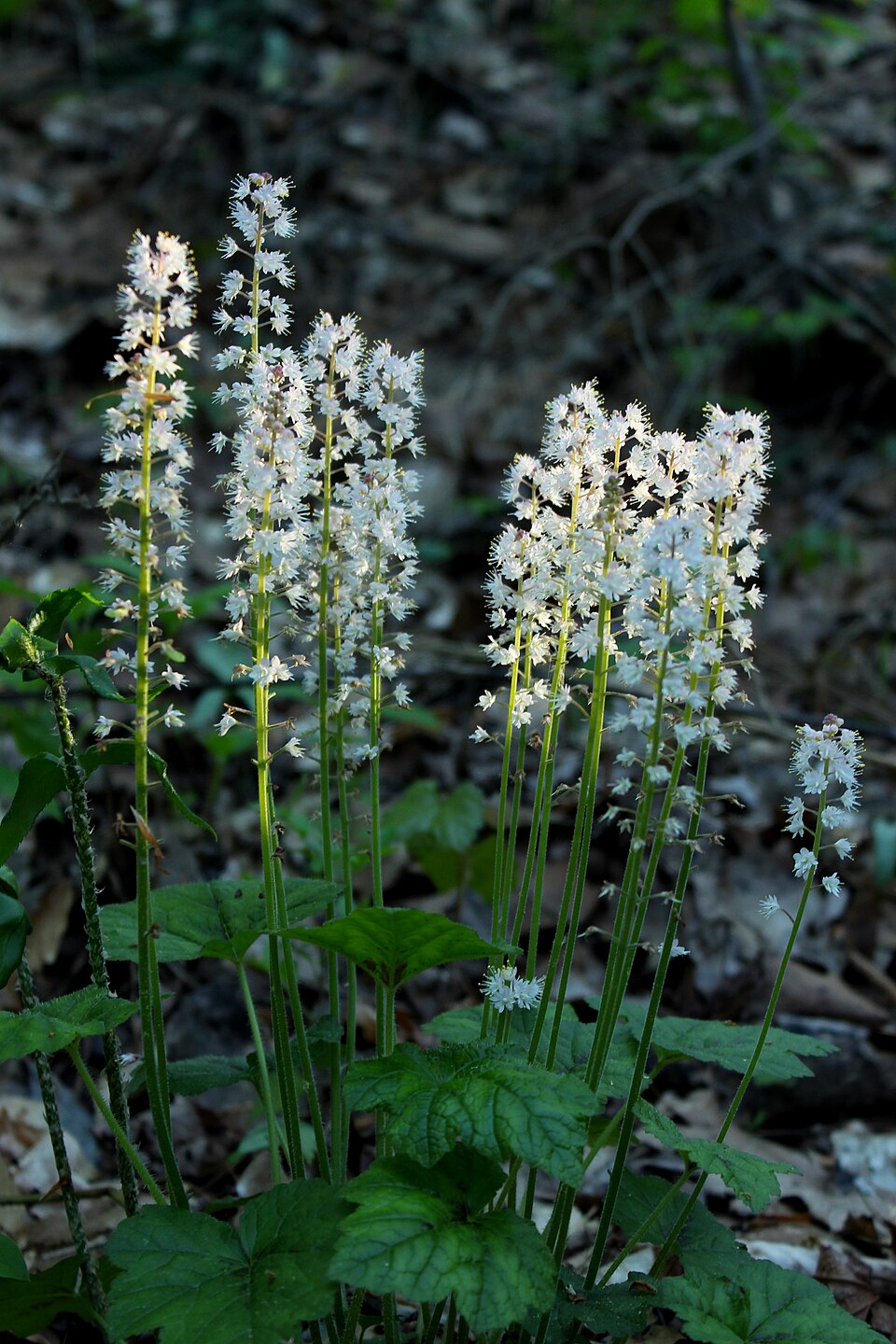
Foamflower (Tiarella cordifolia): A native woodland plant with delicate, airy white flowers and attractive foliage, often evergreen. Deer typically leave it alone.
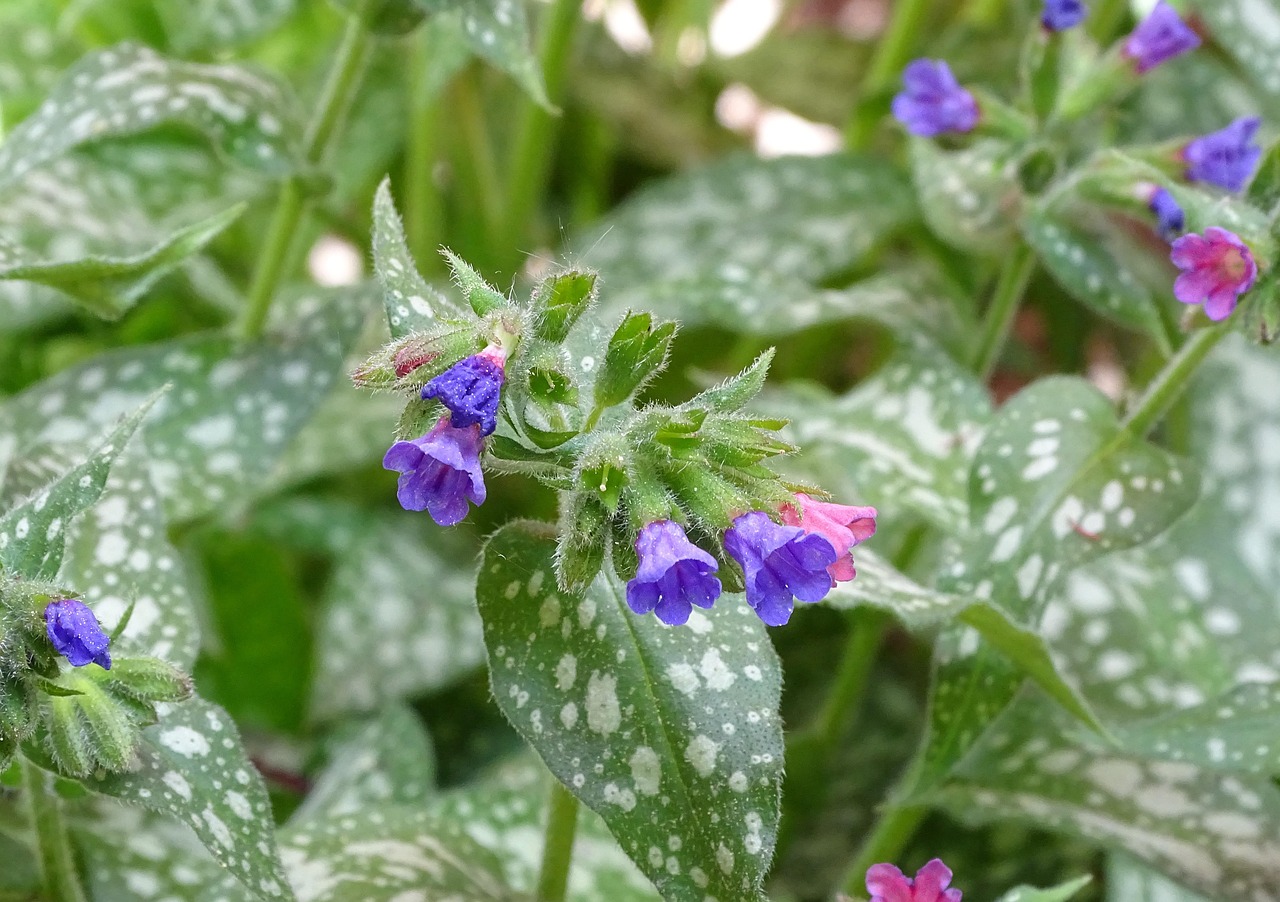
Lungwort (Pulmonaria): Known for its spotted or silver-splashed foliage and early spring flowers, Pulmonaria is another reliable deer-resistant shade plant.
Coral Bells (Heuchera): With an incredible range of foliage colors and textures, Heuchera are versatile and generally deer resistant.
Japanese Forest Grass (Hakonechloa macra): This graceful, arching ornamental grass adds movement and bright color to the shade garden and is typically ignored by deer.
By combining hellebores with these other deer-resistant shade lovers, you can create a vibrant, diverse garden that stands up to browsing pressure.
Caring for Your Deer-Resistant Hellebores
Hellebores are wonderfully low-maintenance, but a little care goes a long way in ensuring they thrive.
- Planting: Plant in well-draining soil rich in organic matter. They prefer partial to full shade, especially protection from hot afternoon sun.
- Watering: Keep the soil consistently moist, especially during dry periods, until established. Once established, they are quite drought-tolerant but appreciate occasional watering during prolonged dry spells.
- Fertilizing: A light application of balanced granular fertilizer or compost in early spring, as new growth emerges, is usually sufficient.
- Pruning: For Helleborus orientalis and its hybrids, you can cut back the old, tattered leaves in late winter or early spring, just before the new flower stalks emerge. This cleans up the plant, allows the flowers to be seen better, and can help prevent fungal diseases. For evergreen species like Helleborus foetidus or Helleborus argutifolius, only remove damaged or yellowing foliage.
- Pest and Disease: Hellebores are generally robust. Watch out for hellebore leaf spot (a fungal disease) which can be managed by removing affected leaves and ensuring good air circulation. Aphids can sometimes be an issue on new growth.
Hellebores are an invaluable asset to any garden, particularly those in deer-heavy areas. Their beauty, resilience, and reliable deer resistance make them a top choice for adding color and life to the often-challenging shade garden.
Ready to find the perfect plants for your yard? Try the PlantWise Plant Finder →