FTC Disclosure: This post contains affiliate links. If you make a purchase through these links, PlantWise may earn a commission at no extra cost to you.
ASPCA Animal Poison Control Hotline: If you have concerns about pet safety with any plants mentioned, contact the ASPCA Animal Poison Control Center at 888-426-4435.
Are Hostas Deer Resistant? (Spoiler: No — Here's What to Plant Instead)
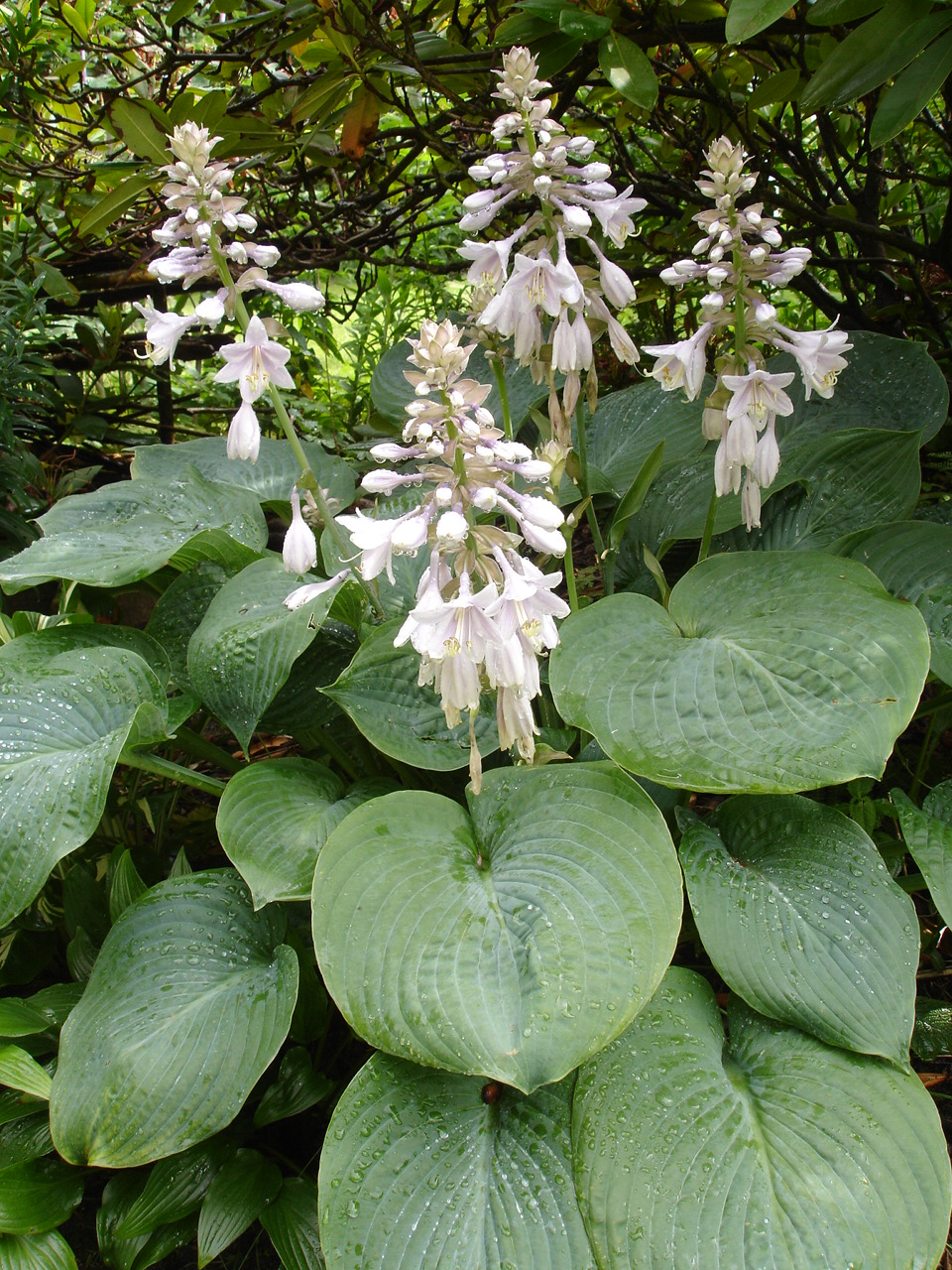
If you're wondering, is hostas deer resistant? the short answer is no. Hostas are famously known as "deer candy" because these shade-loving perennials are highly palatable and frequently munched by deer. So if you’re battling deer damage in your garden, hostas may not be the best choice. Fortunately, there are many attractive, shade-tolerant plants that deer tend to avoid. In this post, we’ll explore why deer love hostas and share eight beautiful alternatives that are more deer resistant.
Why Are Hostas Not Deer Resistant?
Hostas are prized for their lush, broad leaves and ability to thrive in shady spots. Unfortunately, these same juicy leaves make them a favorite snack for deer. Hostas contain little in the way of bitter compounds or strong scents, which often deter deer from other plants. Instead, their tender texture and mild flavor make hostas an easy and appealing meal.
Deer browsing on hostas can quickly decimate a garden, leaving ragged or stripped plants behind. Since deer populations have increased in many areas, gardeners often struggle to protect their hostas without resorting to fencing or repellents.
🌱 Get Personalized Plant Picks
Answer a few quick questions and we’ll match plants to your exact yard conditions.
Find My Plants →What Makes a Plant Deer Resistant?
Deer resistance in plants generally comes down to taste and texture. Deer tend to avoid plants that are:
- Bitter or toxic-tasting: Many deer-resistant plants contain natural compounds like alkaloids or tannins.
- Fuzzy or spiny: Prickly or hairy leaves can be unappetizing.
- Strongly scented: Plants with pungent aromas or oils, such as herbs, often repel deer.
- Woody or tough: Plants with coarse, tough foliage are less appealing.
Keep in mind, no plant is completely deer-proof. Hungry deer will sometimes sample plants they usually avoid, especially during harsh winters or droughts. However, choosing plants with these deterrent qualities can significantly reduce deer damage.
8 Shade-Tolerant, Deer-Resistant Alternatives to Hostas
If you love the look of hostas but want to keep deer at bay, consider these alternatives that thrive in similar shady conditions but are less likely to be eaten.
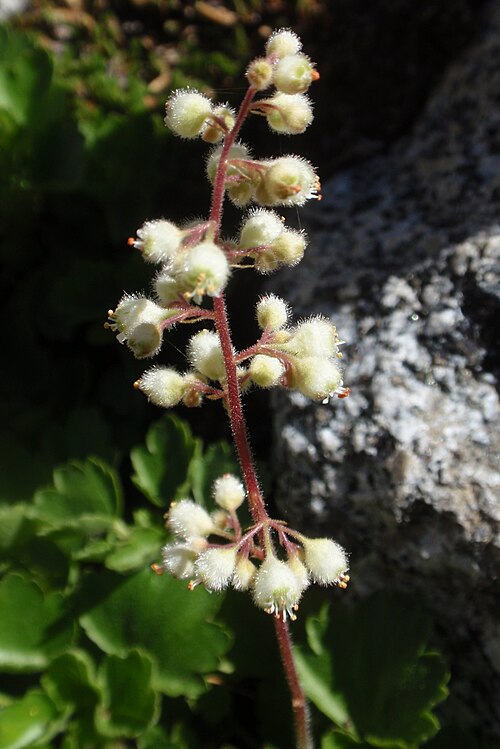
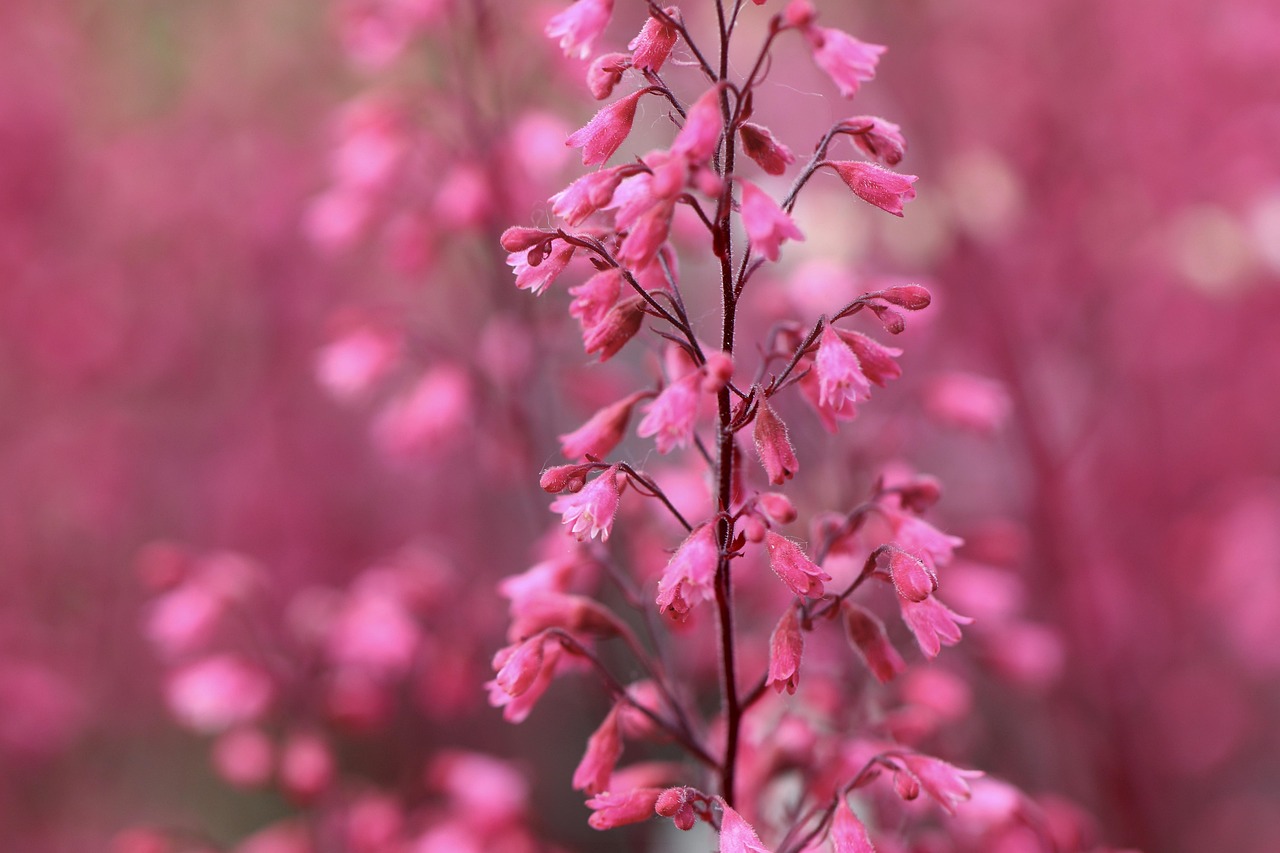
1. Coral Bells
Coral bells (Heuchera) offer colorful foliage ranging from deep purples to bright lime greens. Their leaves have a slightly fuzzy texture and a bitter taste, which deer generally dislike. They also produce delicate flower spikes that add vertical interest to shade gardens.
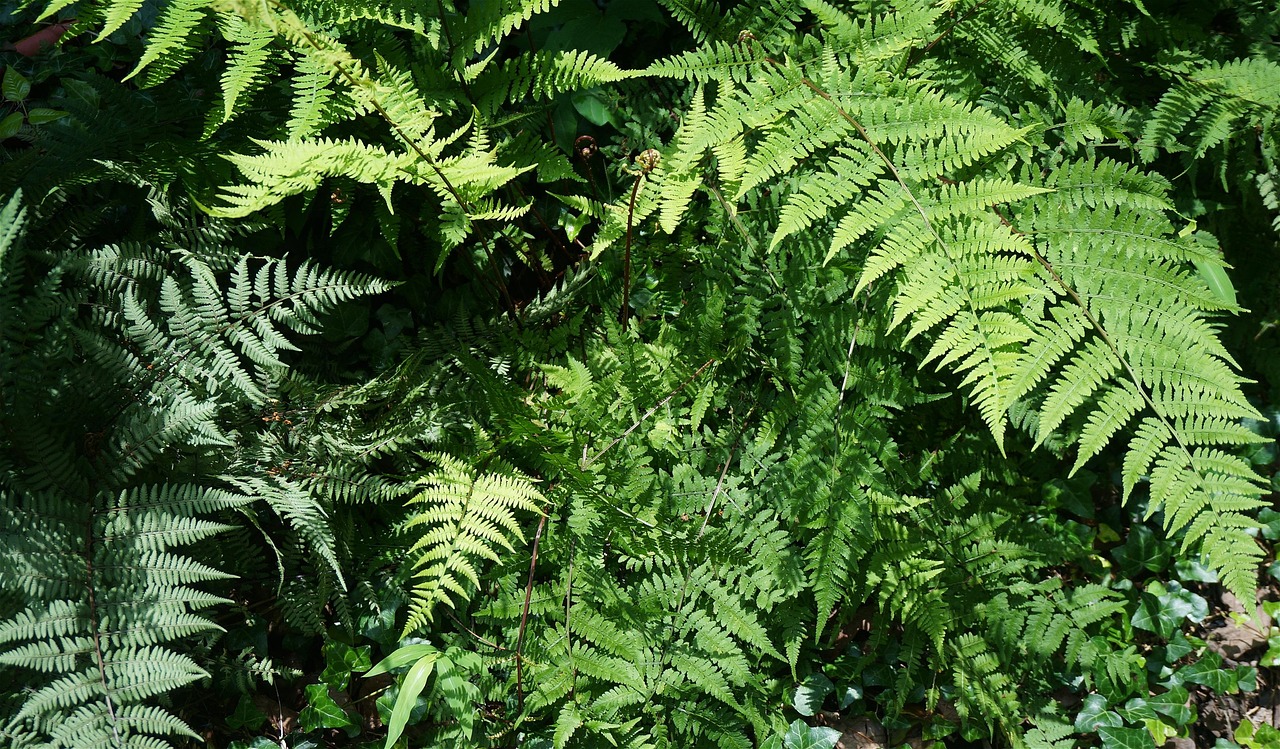
2. Athyrium Lady Fern
Many fern species, such as the Japanese painted fern or Christmas fern, make excellent deer-resistant groundcovers. Their finely divided fronds are unpalatable to deer, and they thrive in moist, shady environments.
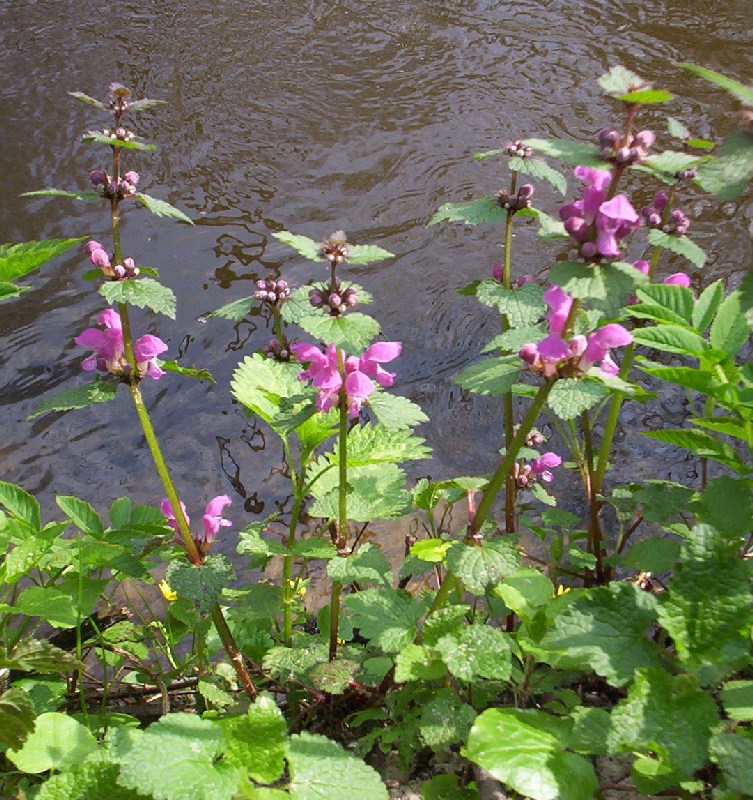
3. Lamium
Lamium, or deadnettle, is a low-growing groundcover with variegated leaves and charming flowers. Its fuzzy foliage and mild toxicity help deter deer, making it a smart hosta alternative.
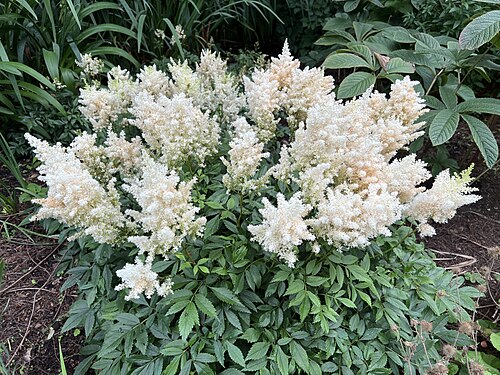
4. Astilbe
Astilbe produces feathery plumes of flowers in shades of pink, white, and red, paired with fern-like foliage. Deer tend to avoid this plant due to its texture and bitter taste, and it flourishes in shade or partial shade.
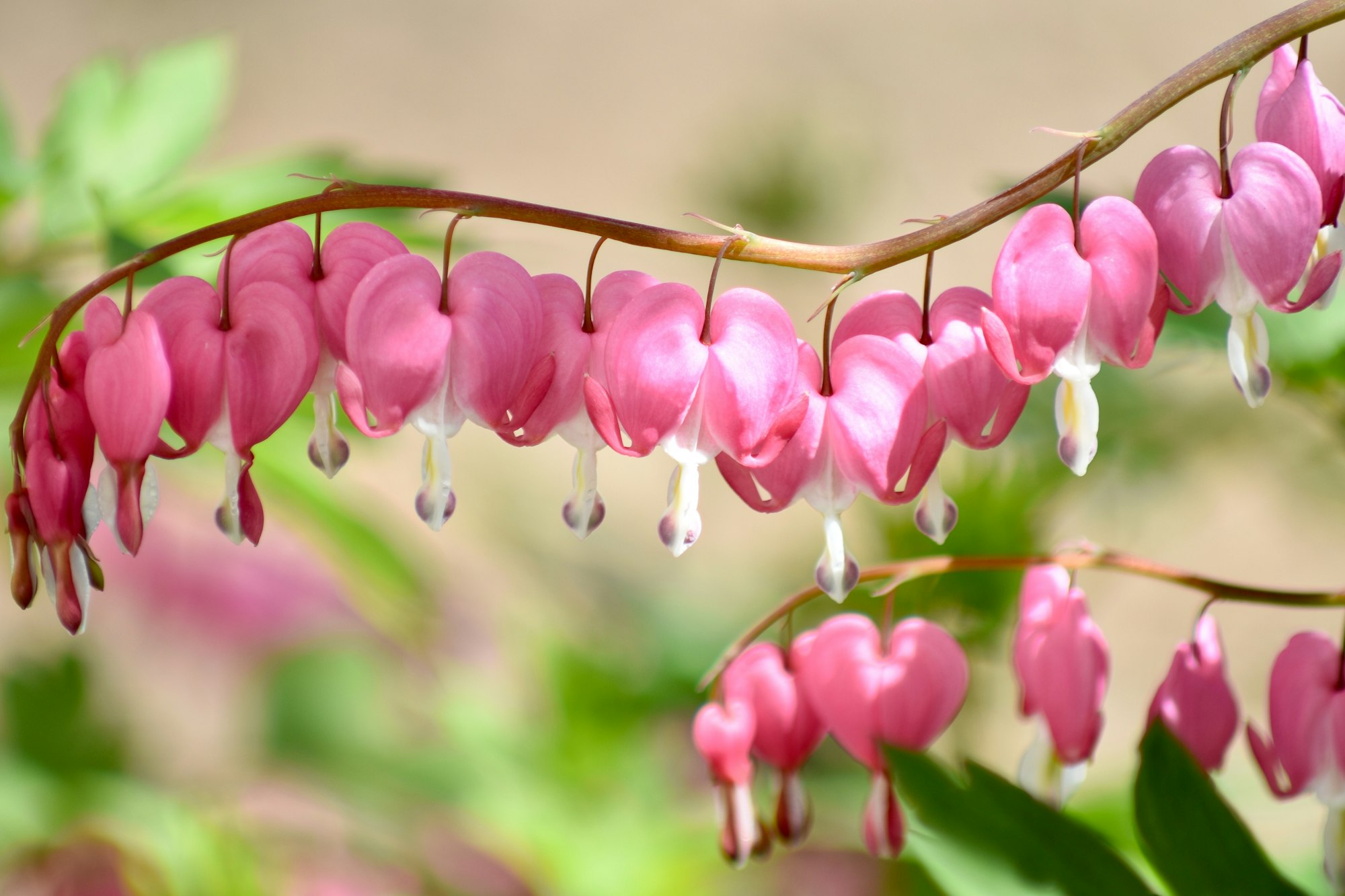
5. Bleeding Heart
Bleeding-heart (Dicentra spectabilis) has distinctive heart-shaped flowers and delicate, ferny leaves. Its leaves contain compounds that make it unappealing to deer, earning it a spot in many deer-resistant shade gardens.
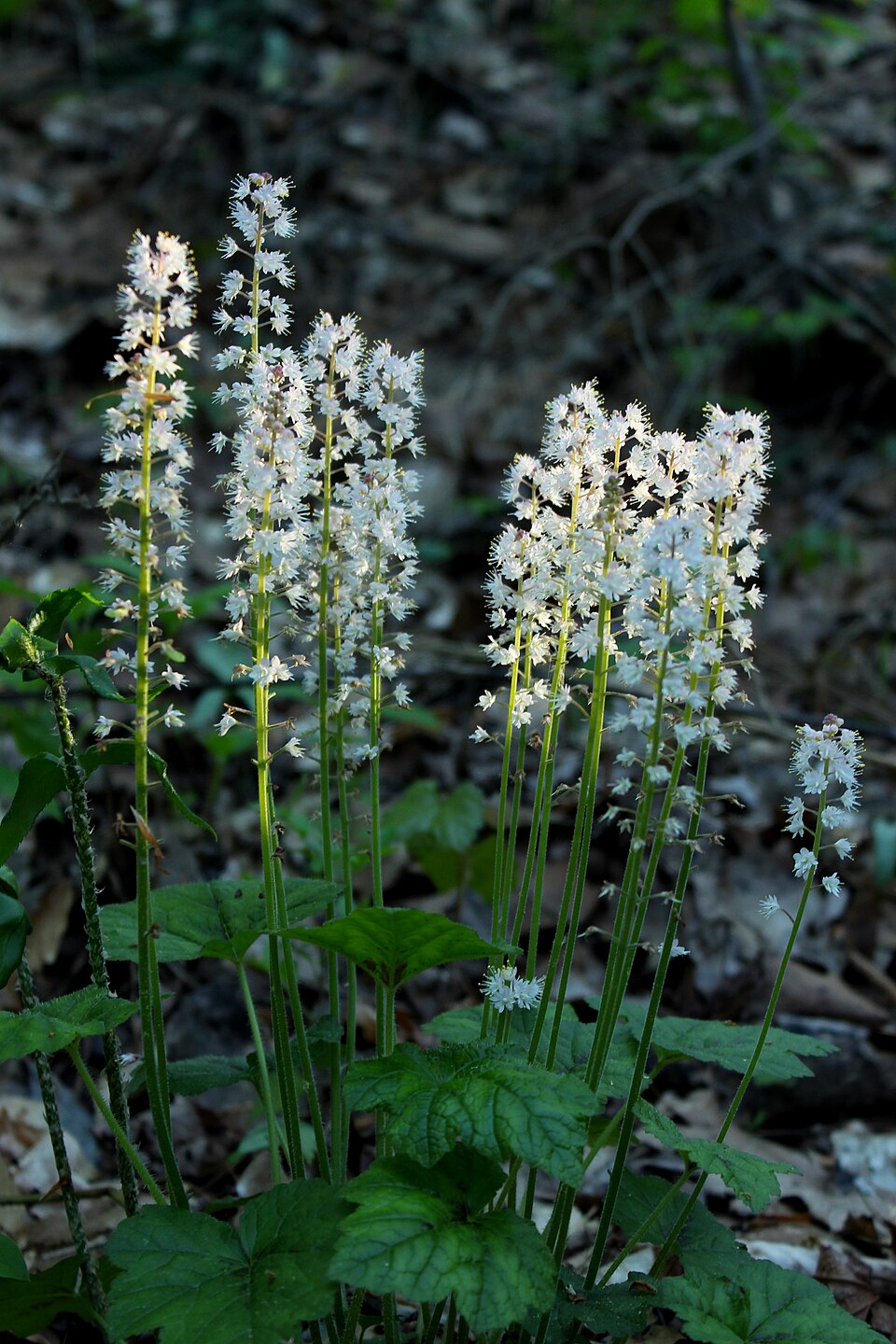
6. Foamflower
Foamflower (Tiarella) has attractive, lobed leaves and airy flower spikes. Its slightly hairy leaves and bitter flavor help it evade deer browsing.
7. Trillium
Trillium is a native woodland plant with three broad leaves and unique three-petaled flowers. It grows well in deep shade and is seldom eaten by deer.
8. Solomon Seal
Solomon’s seal has arching stems with dangling, bell-shaped flowers. Its tough, fibrous leaves and bitter taste discourage deer from nibbling.
Additional Tips for Deer-Resistant Shade Gardens
- Use repellents: Commercial deer repellents can provide temporary protection but need frequent reapplication.
- Install barriers: Fencing is the most reliable way to keep deer out but may not be practical for all gardens.
- Mix plants: Combining deer-resistant plants with less resistant ones can reduce overall browsing.
- Avoid planting near deer paths: Position your plants away from areas where deer frequently travel.
Pet Safety Note
While many of the plants listed here are considered deer resistant, some may be listed as toxic or not-listed-as-toxic to pets. Always check pet safety information before introducing new plants to your home or garden. For any concerns about pet poisoning, contact the ASPCA Animal Poison Control Center at 888-426-4435.
Wildlife Resistance Disclaimer
No plant is completely deer, rabbit, or groundhog proof. The recommendations here are based on general deer preferences but may vary depending on local wildlife pressure and seasonal conditions.
Choosing alternatives to hostas can keep your shade garden vibrant and less attractive to deer. By selecting plants with natural deer resistance, you reduce damage and enjoy a more peaceful gardening experience.
Ready to find the perfect deer-resistant plants for your yard? Try our Plant Finder wizard to discover tailored recommendations based on your garden’s conditions and wildlife challenges.
Explore the Plant Finder wizard today at PlantWise /wizard.