Is Hydrangea Deer Resistant? (The Honest Answer)
The short and honest answer to whether hydrangeas are deer resistant is: not really, no. While some sources might list them as "occasionally browsed" or "rarely damaged," in areas with high deer pressure, hydrangeas are often a favorite snack. Deer are opportunistic eaters, and if they're hungry enough, they'll eat almost anything, including your beautiful hydrangeas. However, there are nuances to this answer, and certain hydrangea varieties tend to fare better than others. Understanding deer behavior and the specific characteristics of different hydrangeas can help you protect your plants.
🌱 Get Personalized Plant Picks
Answer a few quick questions and we’ll match plants to your exact yard conditions.
Find My Plants →Why Do Deer Eat Hydrangeas?
Deer are herbivores with a varied diet, and their preferences can shift based on food availability, time of year, and even local deer populations. Hydrangeas, with their broad, often tender leaves and succulent stems, can be quite appealing, especially new growth in spring or during dry spells when other food sources are scarce. The taste and texture of hydrangea leaves are generally palatable to deer, making them a target in many landscapes.
Factors Influencing Deer Browsing:
- Hunger: The hungrier the deer, the less picky they will be.
- Population Density: High deer populations mean more competition for food, leading to broader dietary choices.
- Time of Year: Tender new growth in spring is often most attractive.
- Plant Health: Stressed or young plants might be more vulnerable.
- Alternative Food Sources: If there are tastier, more accessible plants nearby, hydrangeas might be spared. If not, they become a prime target.
Which Hydrangea Varieties Are Most (and Least) Susceptible to Deer?
While no plant is truly deer-proof, some hydrangeas are certainly less appealing than others. This is often due to leaf texture, taste, or a slightly woodier growth habit.
Hydrangeas Deer Tend to Avoid More (Relatively Speaking):
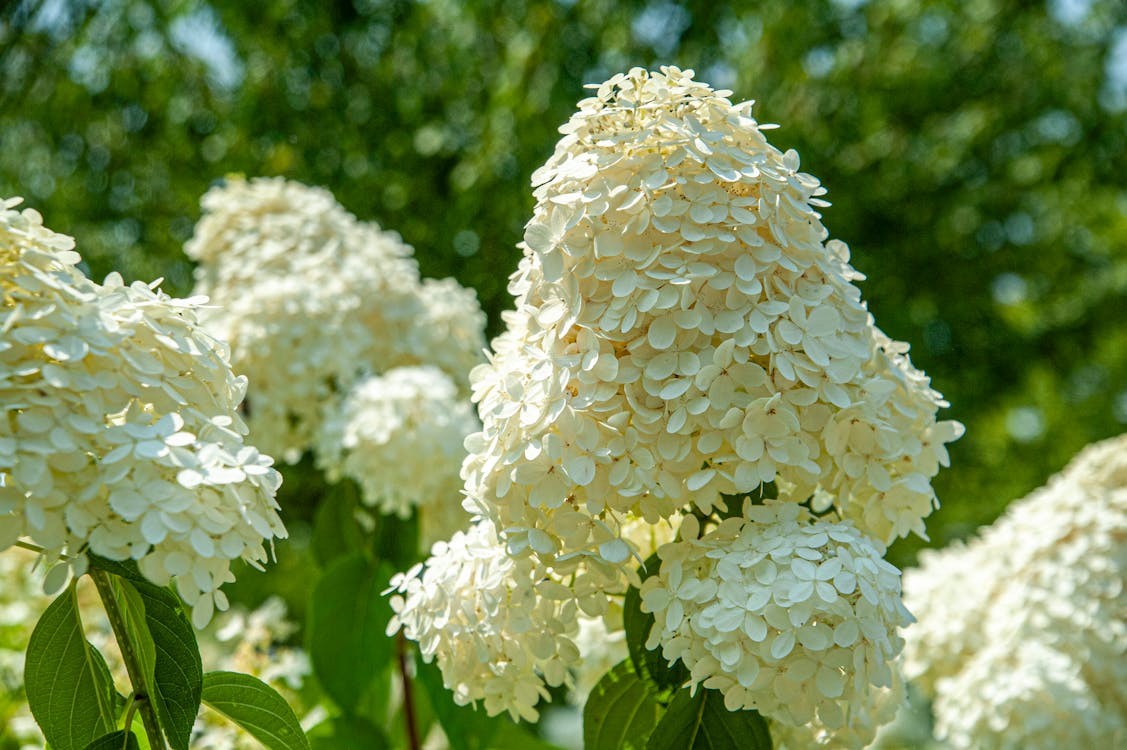
Panicle Hydrangea ( Hydrangea paniculata ): Often considered the most deer-resistant of the commonly grown hydrangeas. Varieties like 'Limelight', 'Vanilla Strawberry', and 'Quick Fire' have slightly coarser leaves and a woodier stem structure, making them less palatable. Deer may still browse young plants or new growth, but established plants are often left alone.
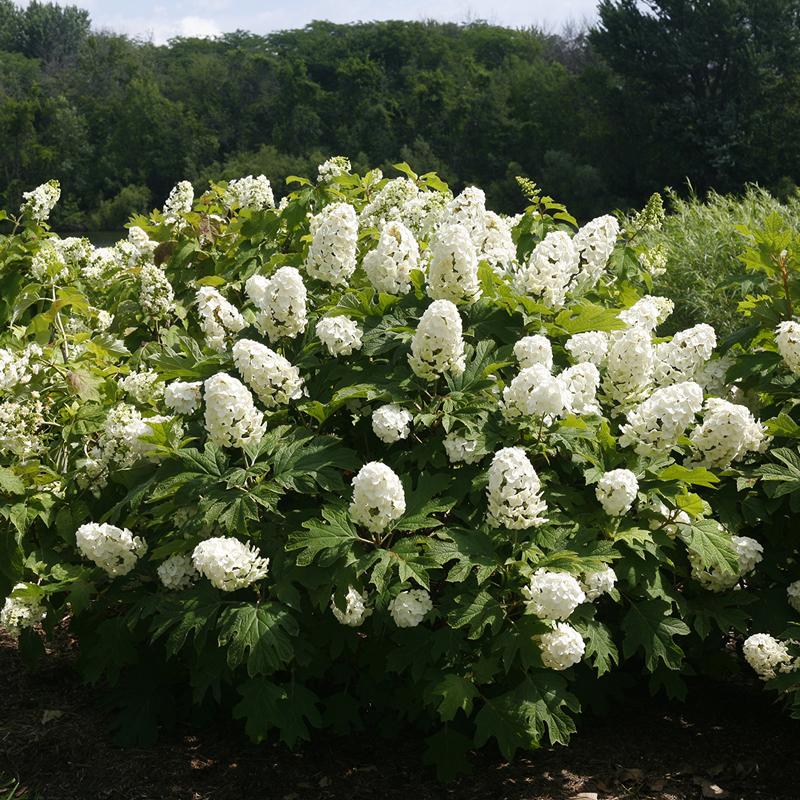
Oakleaf Hydrangea ( Hydrangea quercifolia ): The leaves of oakleaf hydrangeas are thicker, coarser, and have a fuzzy texture, which deer generally dislike. This, combined with their woody stems, makes them a better choice for deer-prone areas. Varieties include 'Snowflake' and 'Ruby Slippers'.
Hydrangeas Deer Love (Unfortunately):
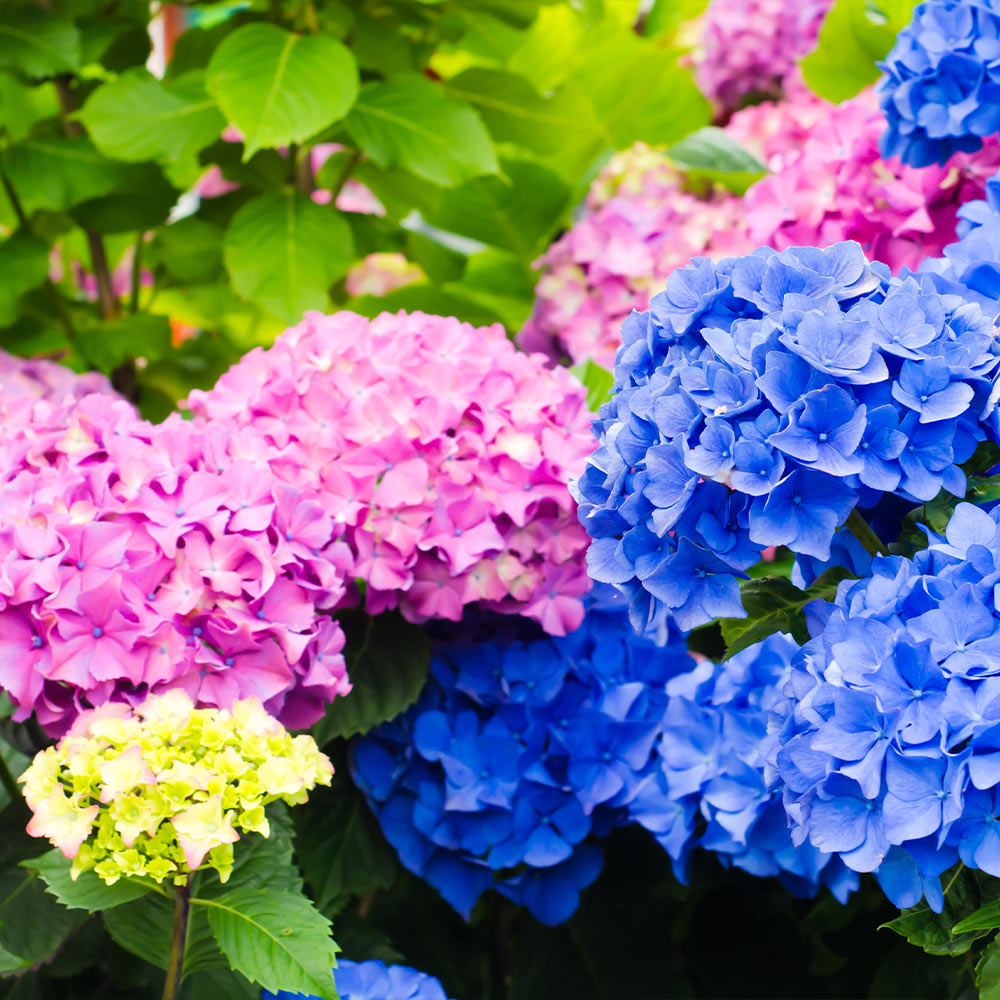
Bigleaf Hydrangea ( Hydrangea macrophylla ): These are the classic "mophead" and "lacecap" hydrangeas, known for their large, vibrant blooms. Their leaves are tender and juicy, making them a prime target for deer. If you live in an area with deer, these will likely need significant protection.
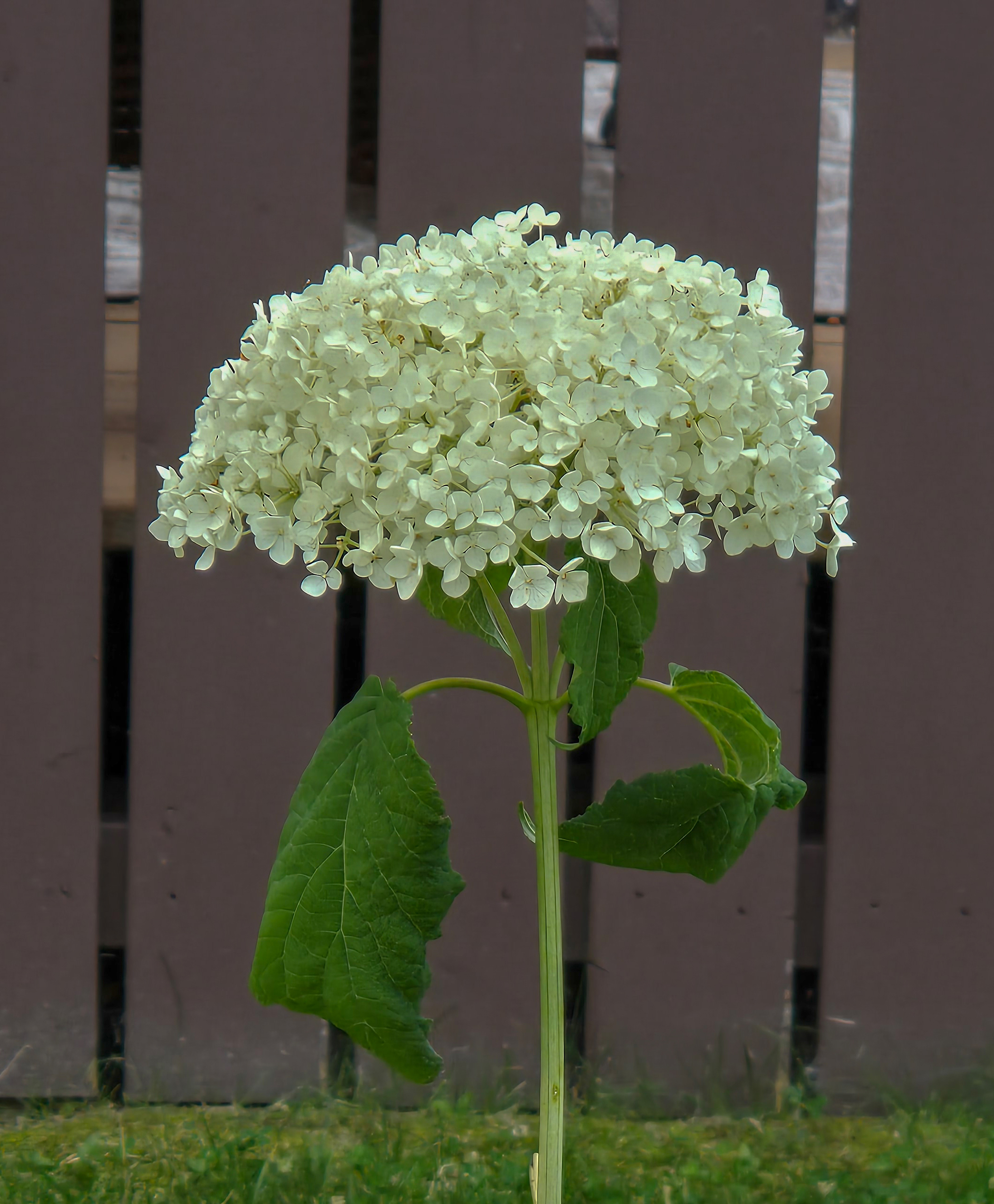
Smooth Hydrangea ( Hydrangea arborescens ): While generally hardy, varieties like 'Annabelle' and 'Incrediball' have tender leaves and stems, especially new growth, which deer find quite tasty. They can often recover from browsing, but repeated defoliation will weaken the plant and reduce flowering.
Quick Reference: Hydrangea Deer Susceptibility
| Hydrangea Type | Botanical Name | Deer Susceptibility | Notes |
|---|---|---|---|
| Panicle Hydrangea | Hydrangea paniculata | Low to Moderate | Coarser leaves, woodier stems. Best bet for deer areas. |
| Oakleaf Hydrangea | Hydrangea quercifolia | Low to Moderate | Fuzzy, coarse leaves. Good choice. |
| Bigleaf Hydrangea | Hydrangea macrophylla | High | Tender leaves, highly palatable. Often heavily browsed. |
| Smooth Hydrangea | Hydrangea arborescens | Moderate to High | Tender leaves and stems, especially new growth. Can recover. |
| Mountain Hydrangea | Hydrangea serrata | Moderate to High | Similar to bigleaf, but often smaller. Still a target. |
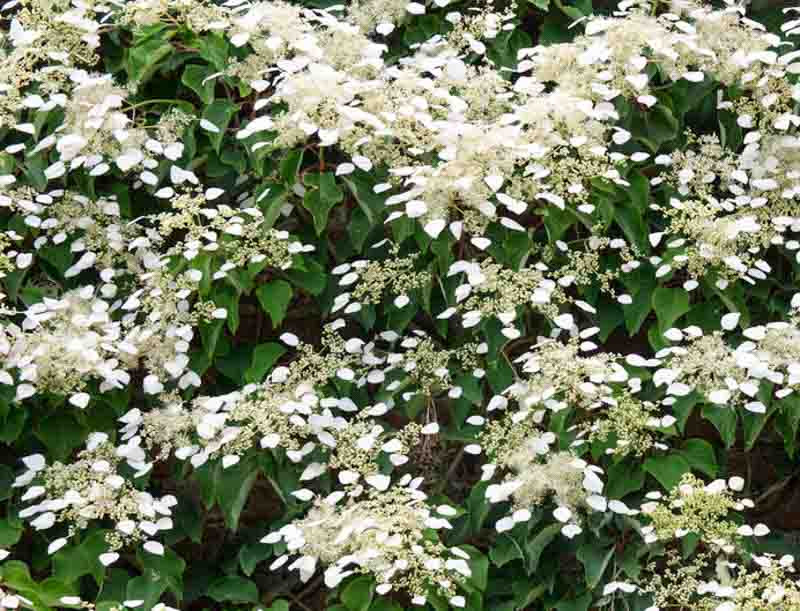
| Climbing Hydrangea | Hydrangea anomala | Low | Woody vine, often grown vertically. Less accessible, less palatable. |
How Can I Protect My Hydrangeas from Deer?
Since no plant is truly deer-proof, especially in areas with high deer pressure, a multi-pronged approach is often the most effective way to protect your hydrangeas.
Physical Barriers:
- Fencing: This is the most effective method. A fence at least 7-8 feet tall is needed to deter deer. For individual plants, temporary cages made of wire mesh can protect young hydrangeas until they are established.
- Netting: Fine mesh netting can be draped over plants, especially during peak browsing times (spring new growth).
Deer Repellents:
- Commercial Repellents: There are many products on the market, usually containing ingredients like putrescent egg solids, thiram, or capsaicin. They work by making plants taste or smell unpleasant to deer. Apply regularly, especially after rain or new growth emerges. Rotate different repellents to prevent deer from becoming accustomed to one.
- Homemade Repellents: Some gardeners have success with concoctions like rotten egg spray, hot pepper spray, or Irish Spring soap shavings. Consistency is key with these as well.
Strategic Planting:
- Location: Plant your most vulnerable hydrangeas closer to your house or in high-traffic areas where deer are less likely to venture.
- Companion Planting: Surround hydrangeas with plants that deer do tend to avoid. These often include plants with strong scents, fuzzy leaves, or toxic properties. Some good companion plants include:
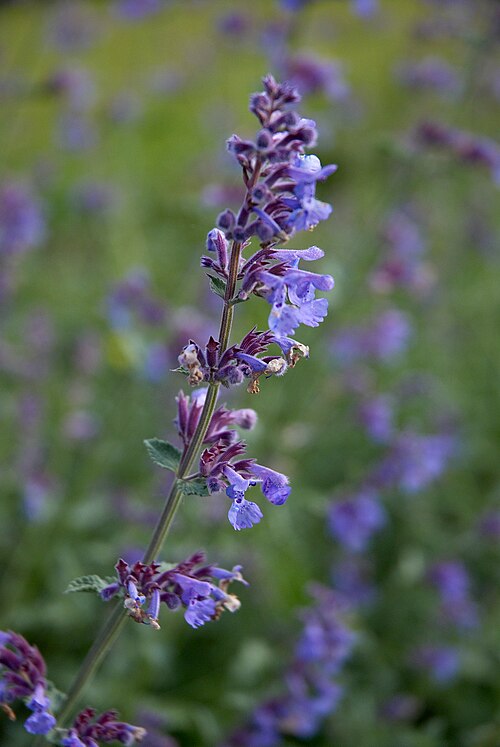
(Nepeta) - Aromatic and deer-resistant. *
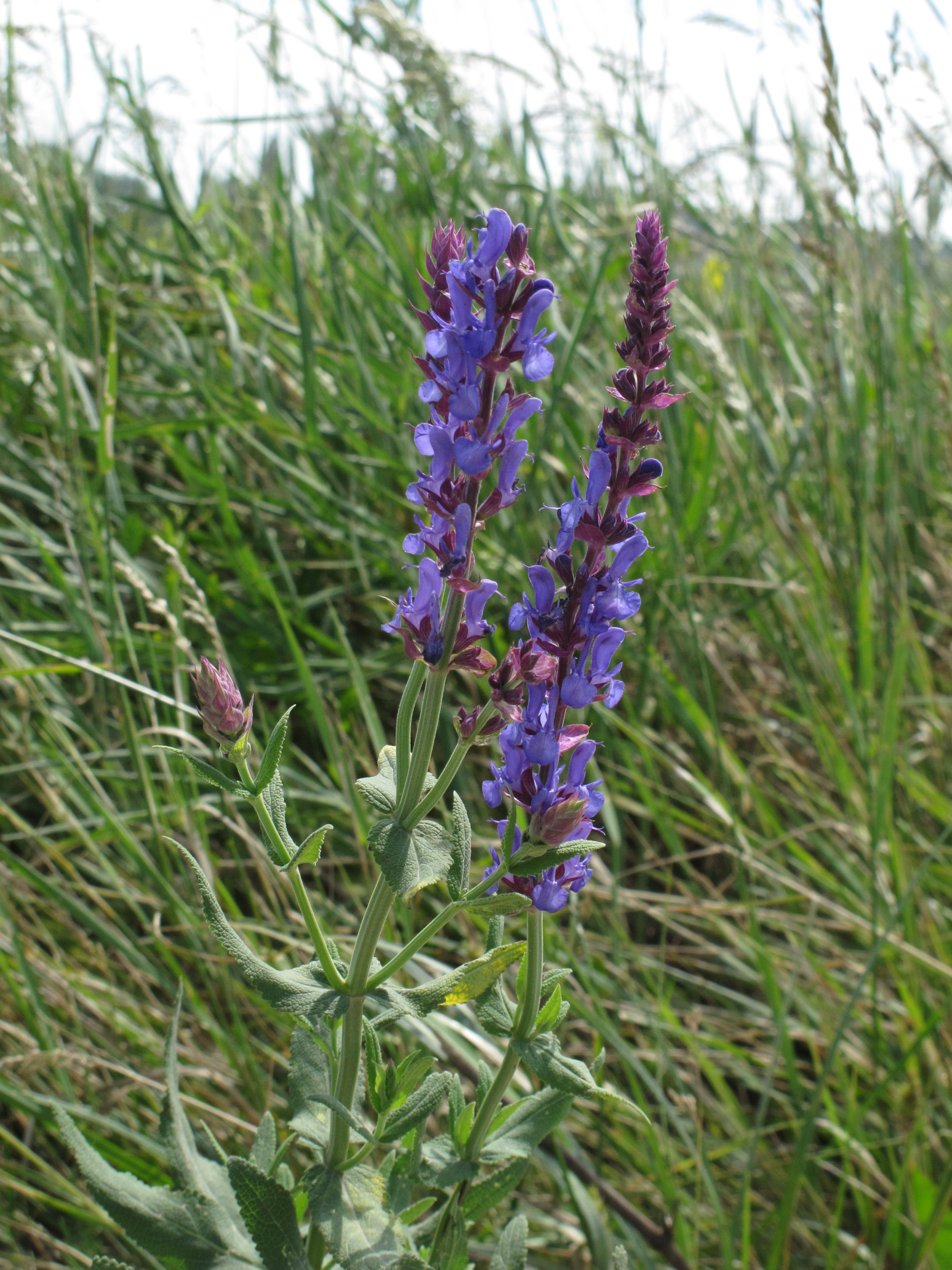
(Sage) - Many varieties are deer-resistant due to strong scent. *
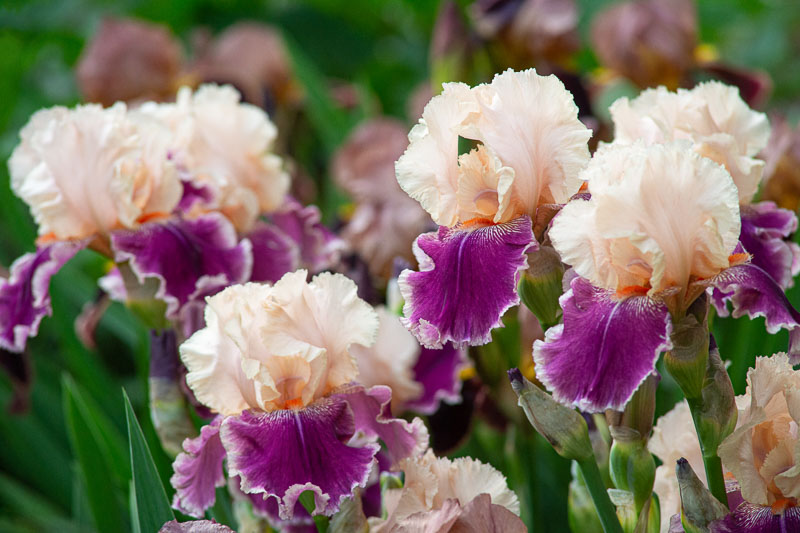
(Echinacea) - Coarse texture, generally avoided. *
(Achillea) - Aromatic foliage.
- Regular Monitoring:
- Keep an eye on your plants for signs of browsing. Early detection allows you to implement protective measures before significant damage occurs.
- Observe deer patterns in your yard. Do they always come from a certain direction? At a specific time of day? This can help you target your efforts.
What Should I Do If Deer Have Eaten My Hydrangeas?
Don't despair! Hydrangeas are generally resilient plants and can often recover from deer browsing.
- Assess the Damage: Determine how much of the plant has been eaten. If only a few leaves or branch tips are gone, the plant will likely bounce back quickly. If it's been defoliated entirely, it will take longer but is still possible.
- Prune Damaged Stems: Use clean, sharp pruners to cut back any ragged or broken stems. Make cuts just above a healthy bud or leaf node. This encourages new, healthy growth.
- Fertilize (Sparingly): A light application of a balanced, slow-release fertilizer can help the plant put energy into new growth. Avoid over-fertilizing, which can promote tender growth that is attractive to deer.
- Water Consistently: Ensure the plant receives adequate water, especially during dry spells, to reduce stress and support recovery.
- Implement Protection: This is the most crucial step. Once deer have found your hydrangeas, they're likely to return. Immediately put up a physical barrier or apply a repellent to prevent further damage.
While the dream of a completely deer-proof hydrangea garden might be elusive, by choosing the right varieties and employing smart protection strategies, you can absolutely enjoy these magnificent shrubs, even in deer country.
Ready to find the perfect plants for your yard? Try the PlantWise Plant Finder →