FTC Disclosure: This post contains affiliate links. As an Amazon Associate, we earn from qualifying purchases.
If you're wondering, "Is Lamb's Ear deer resistant?" the answer is yes—Lamb's Ear (Stachys byzantina) is generally considered deer resistant. Its fuzzy, silver-gray leaves have a texture and taste that most deer find unappealing, making it a smart choice for gardeners seeking plants less likely to be munched on by wildlife. However, no plant is completely deer-proof, so it's important to understand the factors that influence deer feeding behavior and how to use Lamb's Ear effectively in your landscape.
Why Is Lamb's Ear Deer Resistant?
Lamb's Ear earns its deer-resistant reputation primarily due to its unique foliage. The plant’s dense covering of soft, velvety hairs gives its leaves a woolly texture that deer tend to avoid. This fuzzy surface can feel unpleasant in the mouths of deer and other browsing animals. Additionally, the leaves have a slightly bitter taste and a mildly aromatic quality that further deters feeding.
Another factor is that Lamb's Ear is relatively low in nutrients compared to more palatable plants. Deer often seek out tender, high-nutrient greens, so the tough texture and lower nutritional value make Lamb's Ear an unattractive snack.
🌱 Get Personalized Plant Picks
Answer a few quick questions and we’ll match plants to your exact yard conditions.
Find My Plants →Understanding Deer Resistance Vs. Deer Proof
It’s important to note that "deer resistant" does not mean "deer proof." In times of food scarcity—such as during harsh winters or drought—deer may nibble on plants they normally avoid, including Lamb's Ear. Also, deer preferences can vary by region, herd, and individual animal. Some deer populations may develop a taste for plants typically considered resistant if other food is unavailable.
Therefore, while Lamb's Ear is a reliable choice to reduce deer damage in many gardens, it should be part of a broader strategy that includes other resistant plants and protective measures.
How to Use Lamb's Ear for Best Deer Resistance
To maximize the deer-resistant qualities of Lamb's Ear in your garden, consider these tips:
Plant in Groups: Mass plantings create a strong visual and tactile barrier that deer are less likely to penetrate. A clump of Lamb's Ear acts as a deterrent more effectively than isolated plants.
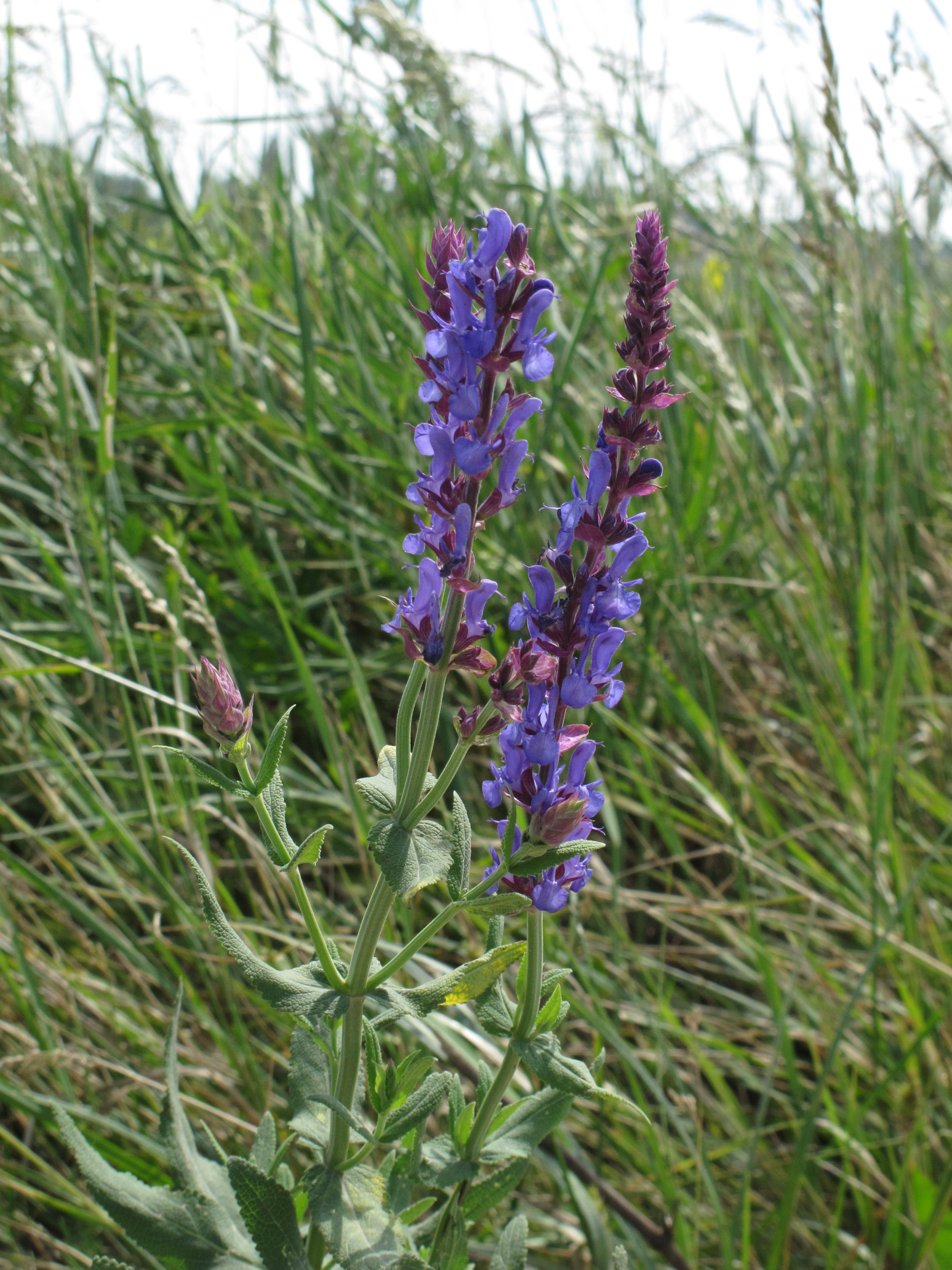
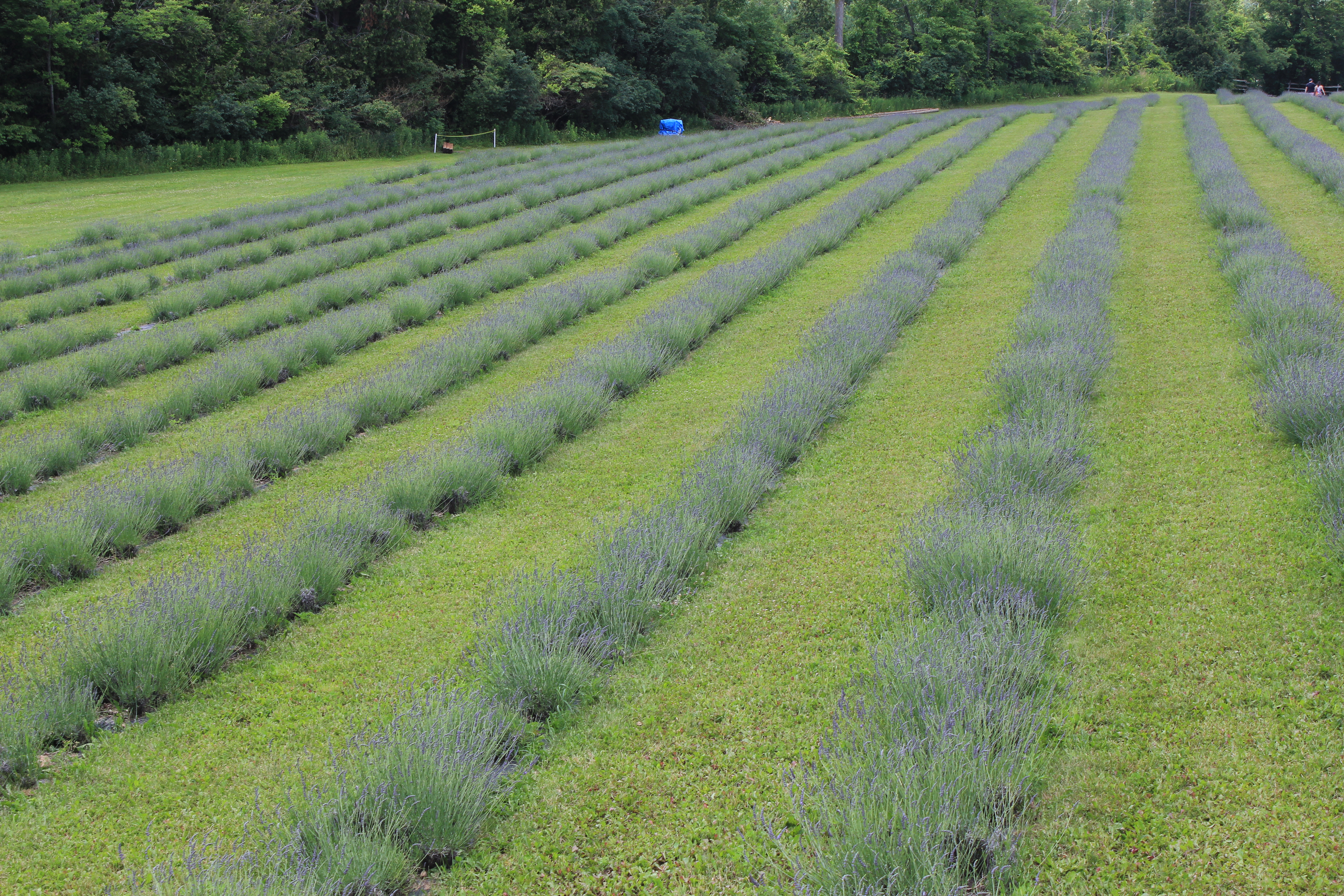
Combine with Other Resistant Plants: Incorporate other deer-resistant plants with complementary textures and scents, such as lavender, sage, or ornamental grasses. This diversity reduces the chance that deer will browse any single plant extensively.
Avoid Fertilizing Excessively: Rich, lush growth can be more appealing to deer. Lamb's Ear thrives in well-drained, average soil without heavy fertilization, which helps keep foliage less attractive.
Use Physical Barriers if Needed: In high-deer-pressure areas, consider fencing or repellents, especially during winter months when deer are more likely to sample normally avoided plants.
Additional Wildlife Considerations
Lamb's Ear also has good resistance to other common garden pests like rabbits and groundhogs, primarily due to its texture. However, as with deer, these animals may browse it if food is scarce. Keep local wildlife habits in mind and monitor your plants regularly.
Is Lamb's Ear Safe for Pets?
If you have pets, safety is always a concern. Lamb's Ear is not listed as toxic by the ASPCA for dogs, cats, or horses, making it a reasonable choice for gardens shared with pets. However, "not listed as toxic" does not mean the plant is safe to eat in large quantities. Ingestion of any plant material can cause mild gastrointestinal upset in pets. If your pet exhibits unusual symptoms after chewing on plants, contact your veterinarian immediately or call the ASPCA Animal Poison Control Center hotline at 888-426-4435.
Growing Lamb's Ear: Care and Conditions
Lamb's Ear is a hardy perennial that thrives in full sun to partial shade and prefers well-drained soil. It’s drought tolerant once established and requires minimal maintenance. Here are a few care tips:
Water: Water sparingly; overwatering can cause root rot.
Pruning: Remove dead leaves to maintain a tidy appearance and prevent fungal diseases.
Propagation: Easily propagated by division or cuttings.
Complementary Deer-Resistant Plants to Try
To enhance your deer-resistant garden design, consider pairing Lamb's Ear with these plants:
Lavender – Lavender’s fragrant foliage and flowers repel deer.
Salvia – Sage has aromatic leaves deer tend to avoid.
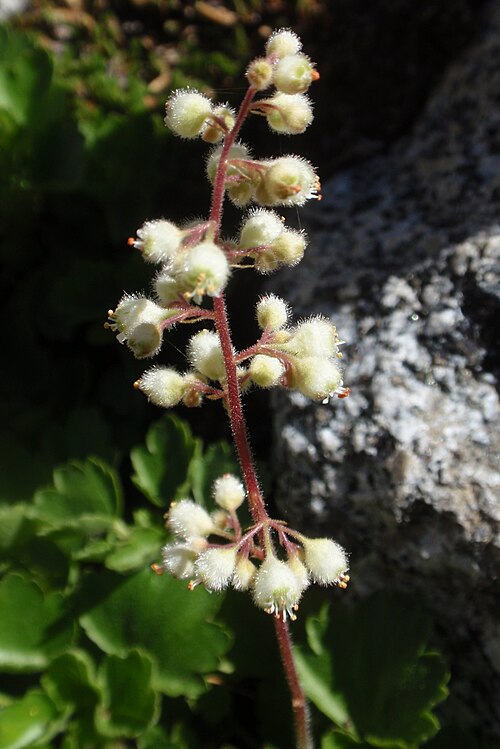
Coral Bells – Coral Bells offer attractive foliage with some resistance.
Ornamental Grasses – Many grasses have textures deer dislike.
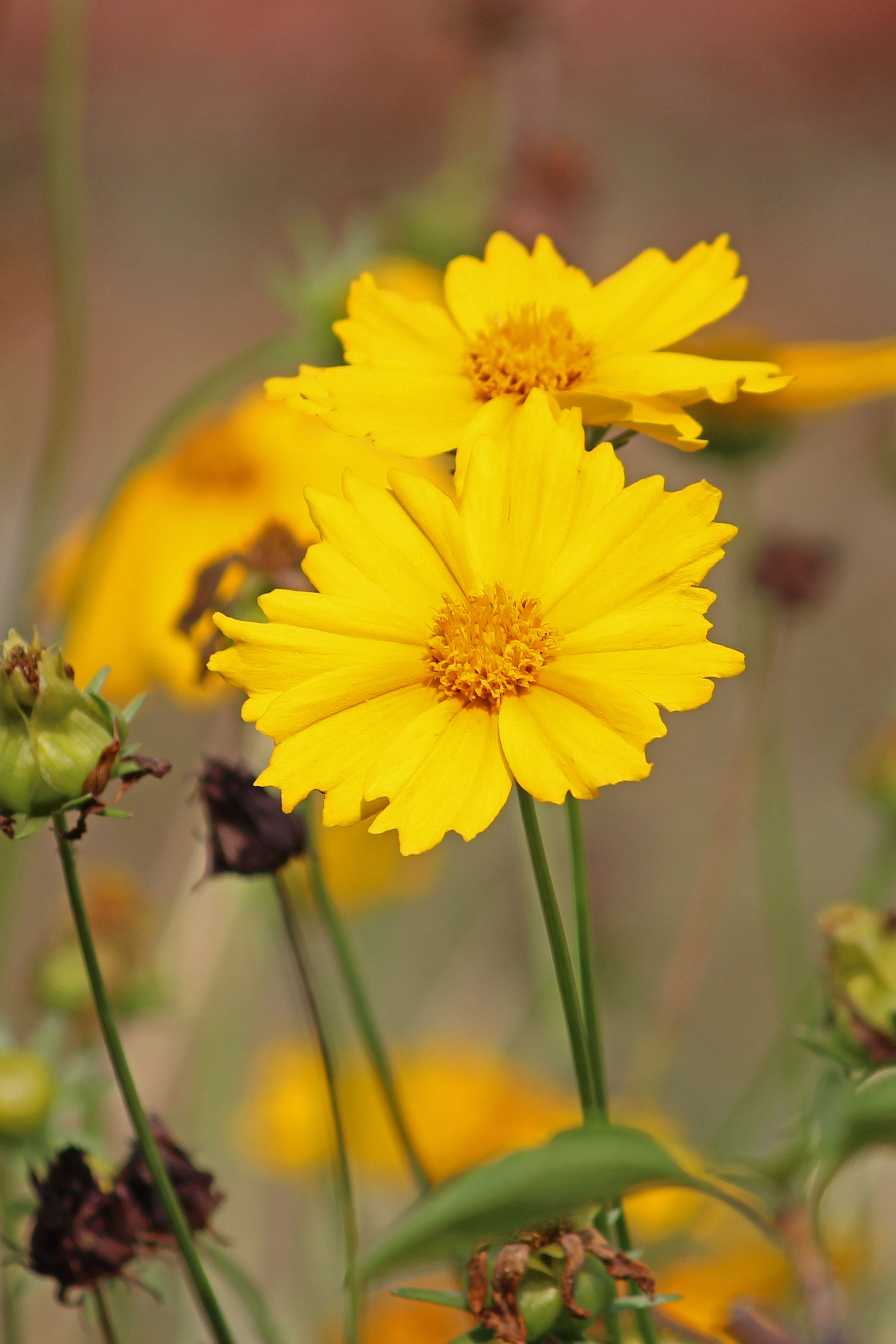
Coreopsis – Tickseed adds bright color with low deer appeal.
Wildlife Resistance Disclaimer
While Lamb's Ear and the above plants are generally deer resistant, there is no guarantee they will be completely ignored by deer, rabbits, or groundhogs in all situations. Wildlife feeding habits vary by location, season, and food availability.
Conclusion
So, is Lamb's Ear deer resistant? Yes. Its fuzzy, textured leaves and low palatability make it an effective choice for reducing deer damage in your garden. When combined with other resistant plants and thoughtful garden design, Lamb's Ear can help you maintain a beautiful landscape with fewer wildlife feeding problems. Remember, no plant is completely deer proof, so be prepared to adapt your strategy as needed.
Ready to find the perfect deer-resistant plants for your garden? Use our Plant Finder wizard at /wizard to discover options tailored to your region and preferences.
For more information on pet safety, contact the ASPCA Animal Poison Control Center hotline at 888-426-4435.
Stachys Byzantina
Lavender
Salvia
Coral Bells
Coreopsis