Are Marigolds Safe for Cats? Complete Guide
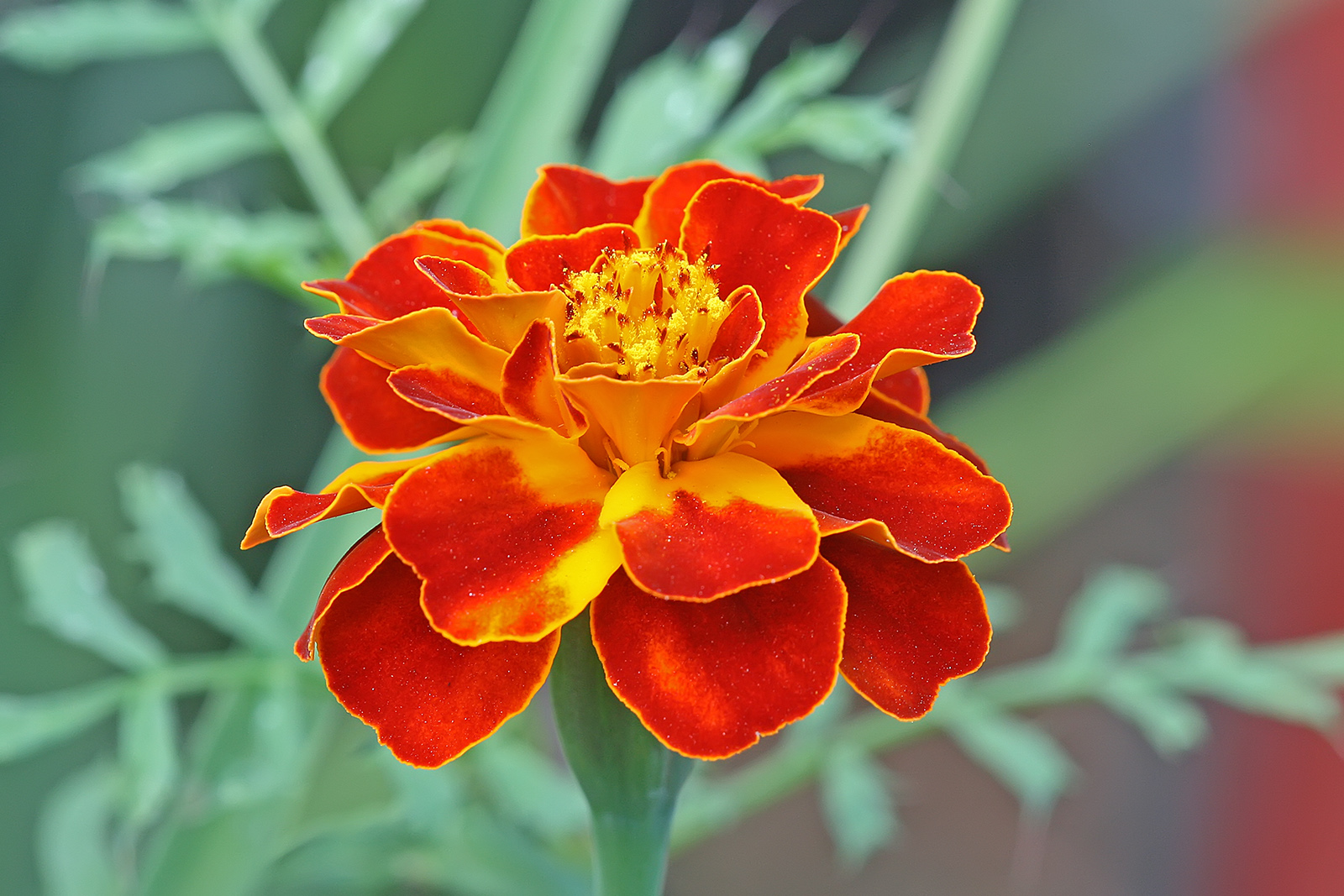
Marigolds (genus Tagetes and Calendula) are popular garden flowers known for their vibrant colors and pest-repelling qualities. When it comes to cats, the answer to their safety isn't a simple yes or no. According to the ASPCA, marigolds (specifically Tagetes species, often referred to as French or African marigolds) are listed as toxic to cats, causing mild gastrointestinal upset and possible dermal irritation. Calendula officinalis (Pot Marigold) is also listed as toxic, with similar effects. While typically not life-threatening, it's important for cat owners to be aware of the potential risks if their feline friends decide to nibble on these cheerful blooms.
🌱 Get Personalized Plant Picks
Answer a few quick questions and we’ll match plants to your exact yard conditions.
Find My Plants →What Happens if a Cat Eats Marigolds?
If your curious cat takes a bite out of a marigold plant, the effects are generally mild to moderate. The primary concerns are:
- Gastrointestinal Upset: This is the most common reaction. Cats may experience vomiting, diarrhea, and abdominal pain. This is usually due to the plant's sap and compounds that can irritate the digestive tract.
- Dermal Irritation: Contact with the plant's sap, especially from Tagetes species, can cause skin irritation or dermatitis. This might manifest as redness, itching, or a rash on areas that came into contact with the plant, such as the mouth, paws, or belly.
- Oral Irritation: Chewing on the plant can also cause irritation in the mouth, leading to drooling or reluctance to eat.
While these symptoms are unpleasant, they are rarely severe enough to cause long-term harm or be life-threatening. However, any adverse reaction in a pet warrants attention.
If you suspect your pet has ingested a toxic plant, call the ASPCA Animal Poison Control Center immediately at (888) 426-4435.
Why Do Cats Chew on Plants?
Cats are naturally curious creatures, and chewing on plants is a common behavior, driven by several instincts:
- Curiosity and Play: Young cats, especially, might chew on plants simply out of curiosity or as a form of play. The texture and movement of leaves can be enticing.
- Digestive Aid: Some theories suggest that cats eat plants to help with digestion, relieve an upset stomach, or to help pass hairballs. The fiber in plants can act as a natural emetic.
- Nutritional Needs: While cats are carnivores, they might seek out certain plant materials if their diet is lacking in specific nutrients, though this is less common with commercial cat foods.
- Boredom or Stress: A bored or stressed cat might turn to destructive behaviors, including chewing on houseplants or garden plants.
- Taste and Texture: Some cats simply enjoy the taste or texture of certain plants.
Understanding why your cat might be attracted to plants can help you implement strategies to keep them safe.
How Can I Keep My Cat Safe from Marigolds in the Garden?
Protecting your feline friend from potentially toxic plants like marigolds involves a combination of prevention and awareness.
- Plant Smart: The most straightforward solution is to avoid planting marigolds in areas where your cat has access. If you have an outdoor cat or your cat frequently visits your garden, consider opting for cat-friendly alternatives.
- Create Barriers: If you love marigolds and want to keep them, consider planting them in raised beds or containers that are difficult for your cat to reach. Fencing off garden areas can also be effective.
- Supervise Outdoor Time: If your cat spends time outdoors, supervise them closely, especially when they are near garden beds.
- Provide Alternatives: Offer your cat safe and appealing plants indoors. Cat grass (typically oats, wheat, rye, or barley) is a great option that can satisfy their urge to chew on greens.
- Deterrents: Some cat owners use pet-safe deterrents like citrus sprays (cats dislike the smell) or motion-activated sprinklers to keep cats away from specific garden areas. Always ensure any deterrents are safe for pets and plants.
- Enrichment: Ensure your cat has plenty of toys, scratching posts, and mental stimulation to prevent boredom, which can sometimes lead to chewing on plants.
- Know Your Plants: Be aware of all the plants in your garden and home. Keep a list of plants that are toxic to pets and their potential effects.
Quick Reference: Marigolds and Cats
| Feature | Tagetes (French/African Marigold) | Calendula officinalis (Pot Marigold) |
|---|---|---|
| ASPCA Toxicity | Listed as toxic to cats | Listed as toxic to cats |
| Symptoms | Mild gastrointestinal upset (vomiting, diarrhea), dermal irritation | Mild gastrointestinal upset (vomiting, diarrhea), dermal irritation |
| Severity | Generally mild to moderate, rarely life-threatening | Generally mild to moderate, rarely life-threatening |
| Primary Concern | Irritation from sap and plant compounds | Irritation from sap and plant compounds |
| Prevention | Avoid planting in cat-accessible areas, use barriers, supervise | Avoid planting in cat-accessible areas, use barriers, supervise |
What Are Some Cat-Friendly Alternatives to Marigolds?
If you're looking for colorful, low-maintenance flowers that are not listed as toxic to cats by the ASPCA, there are many beautiful options to consider. Here are a few popular choices:
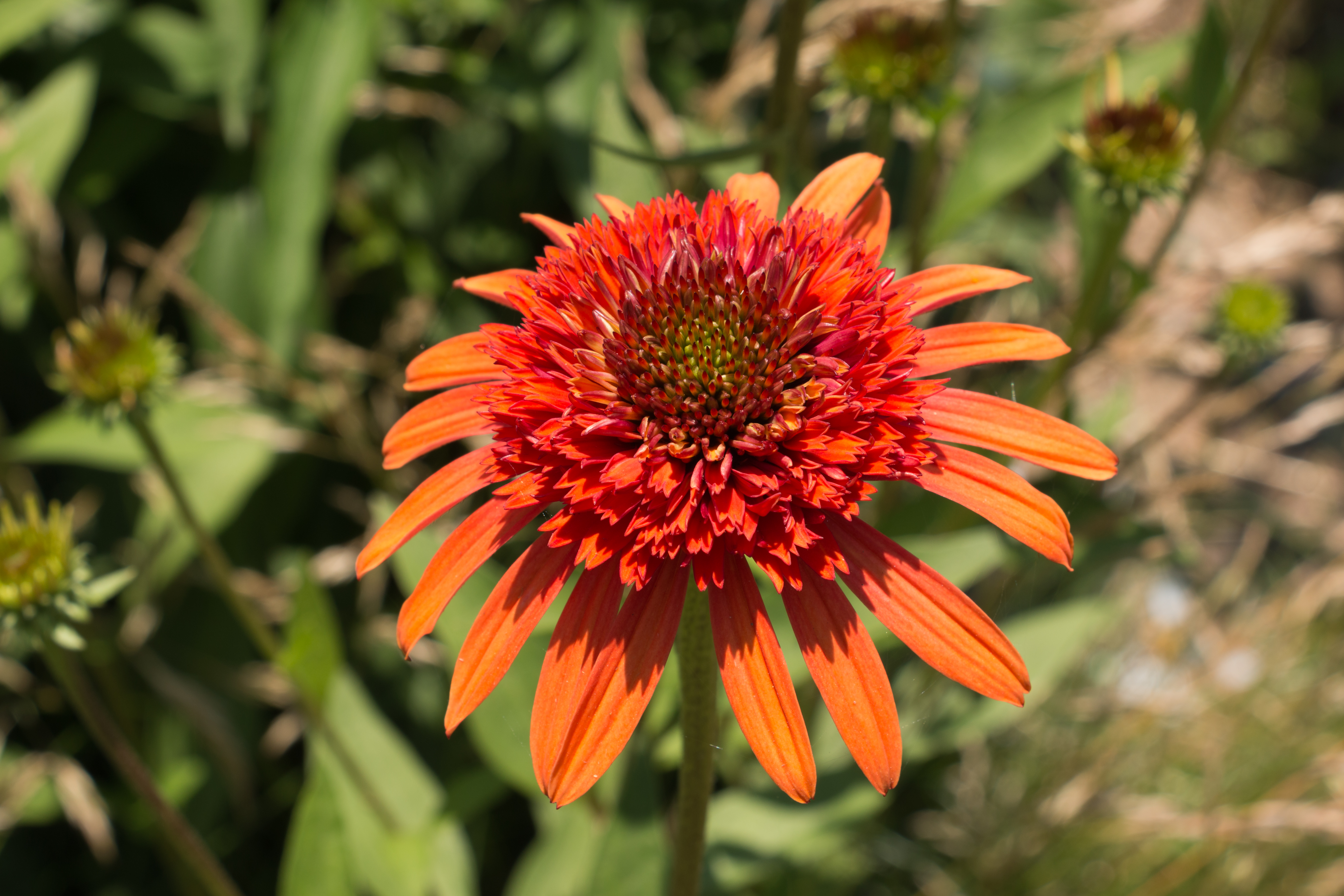
**: These cheerful, daisy-like flowers are not listed as toxic to cats and come in a variety of colors. They're also great for pollinators.
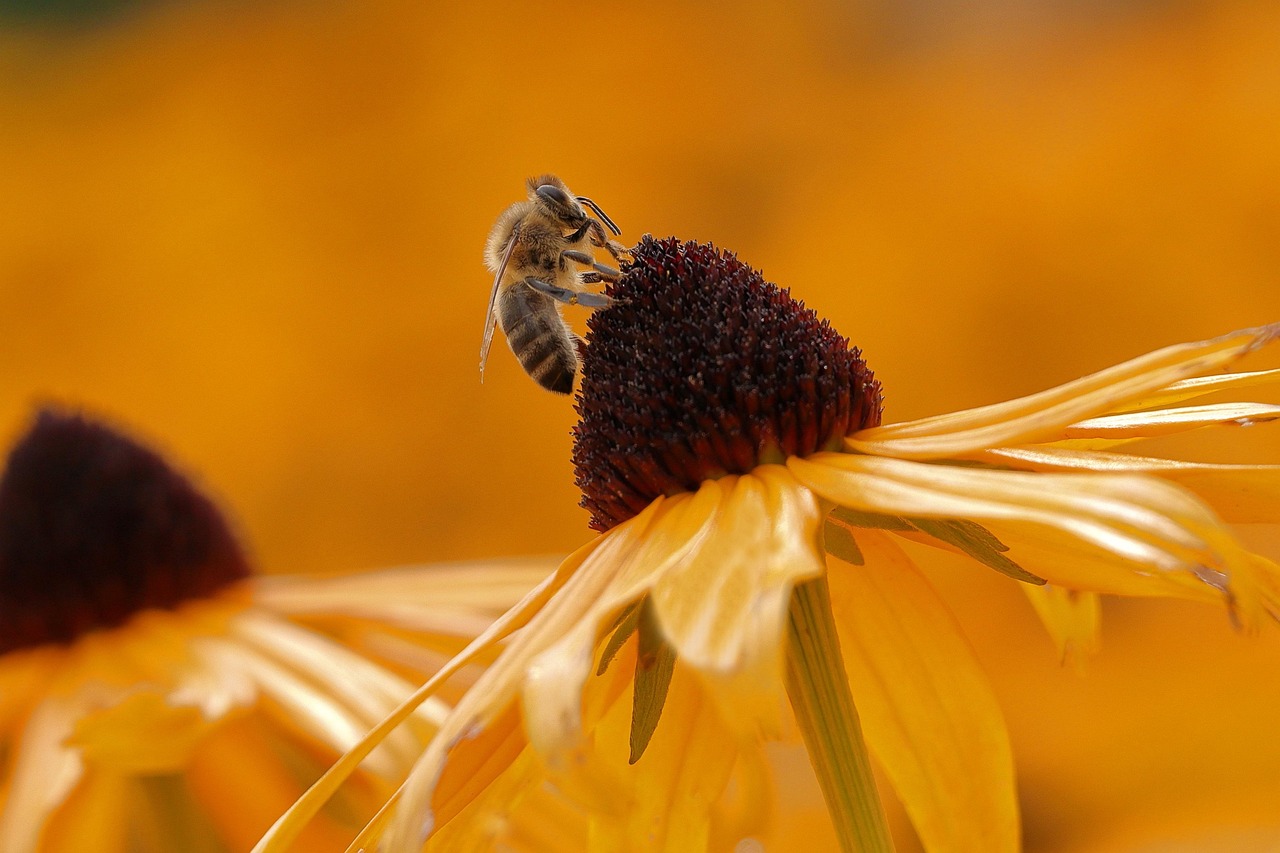
**: With their bright yellow petals and dark centers, Black-eyed Susans are a garden staple and are not listed as toxic to cats.
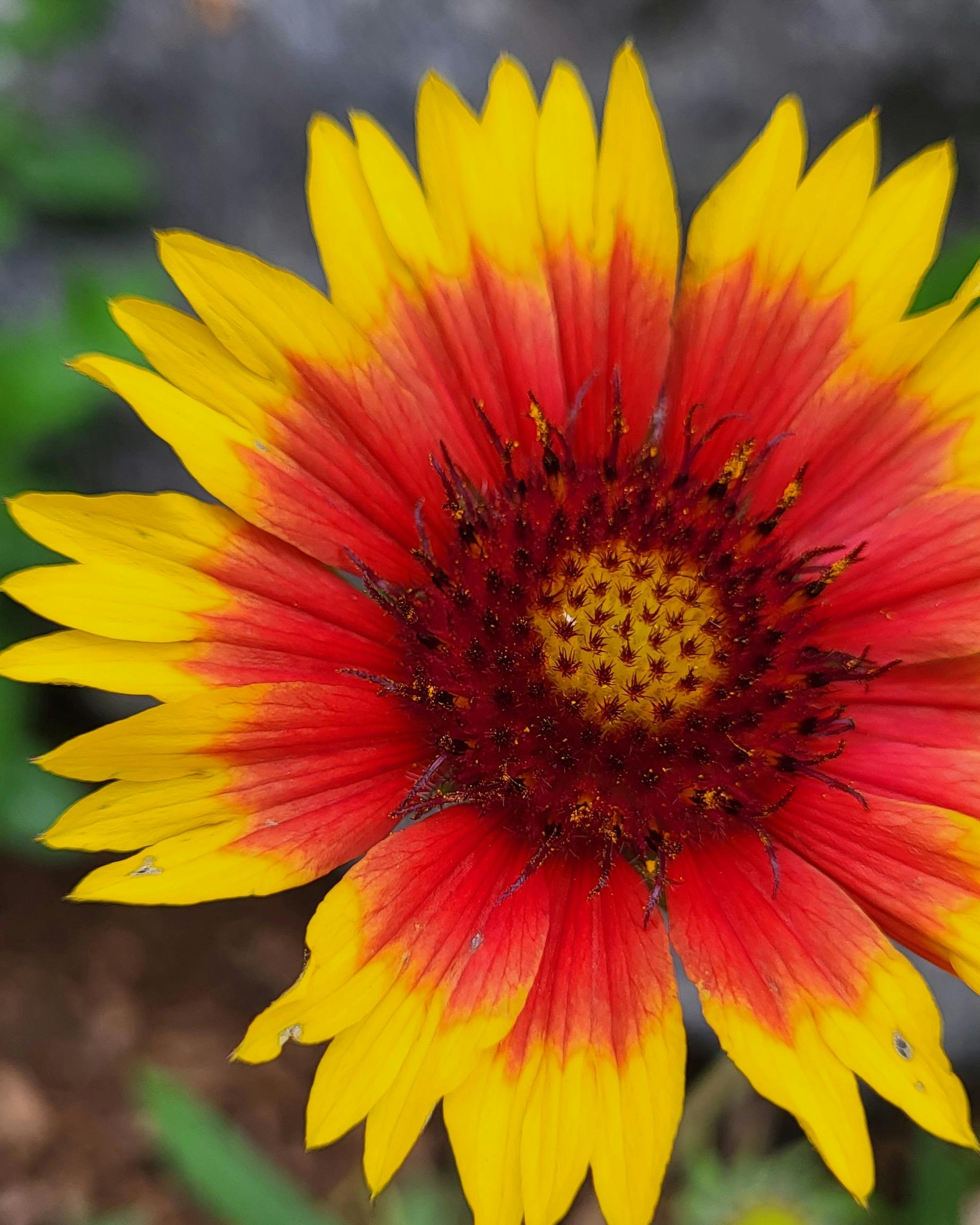
**: Known for their vibrant, often bi-colored blooms, Blanket Flowers are drought-tolerant and not listed as toxic to cats.
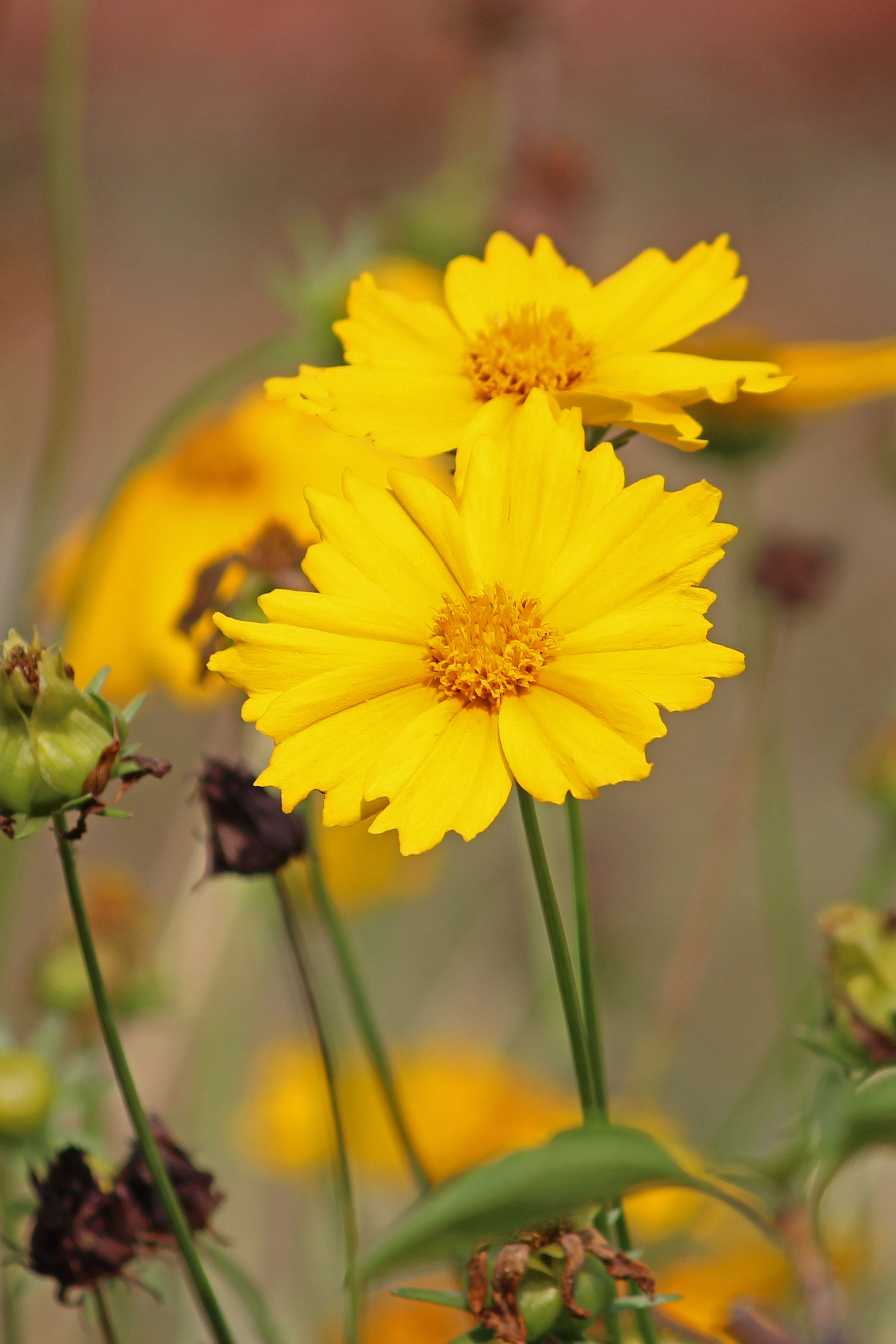
**: Also known as Tickseed, Coreopsis offers a profusion of bright, often yellow, flowers and is not listed as toxic to cats.
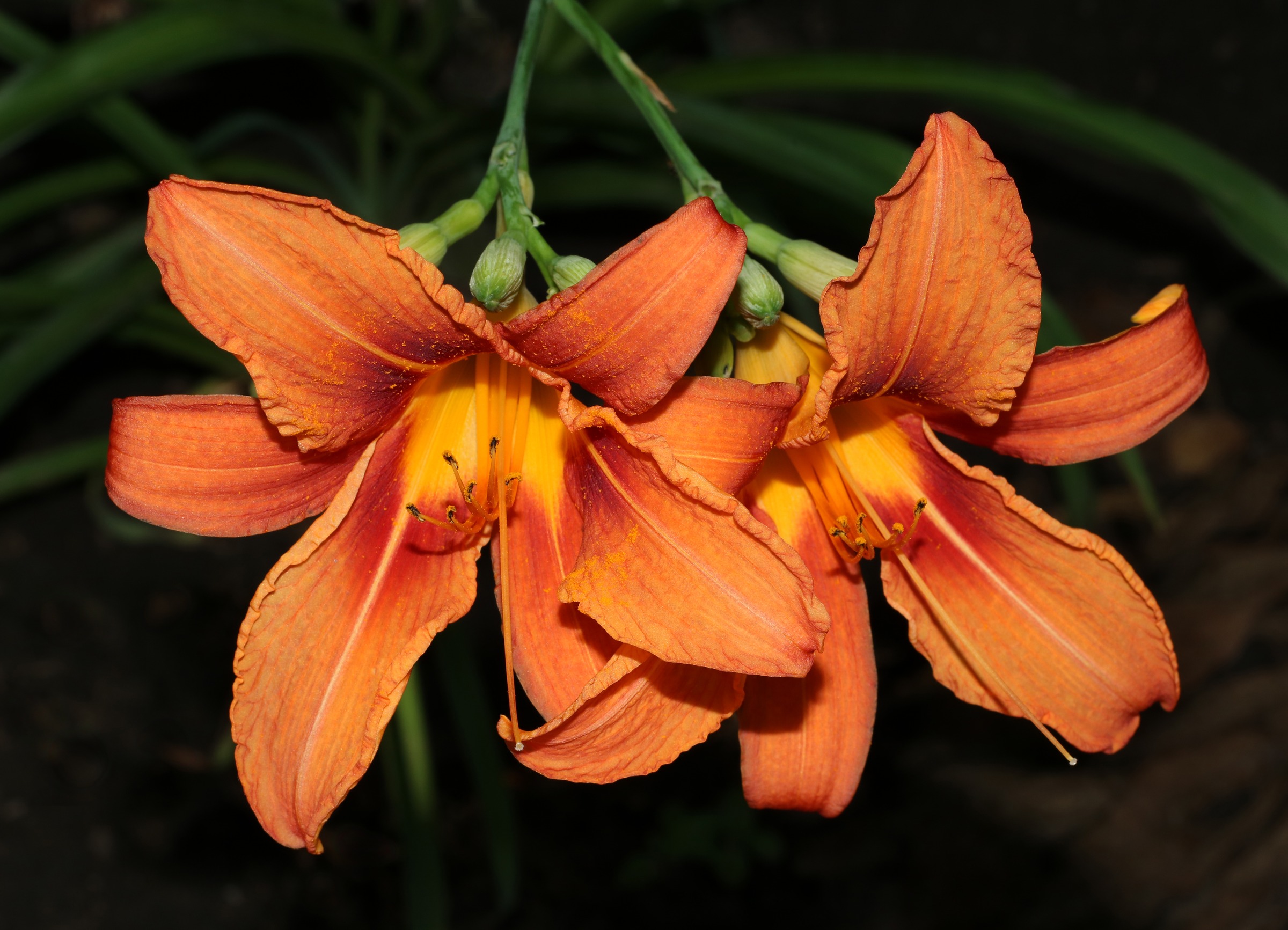
**: While many parts of the Daylily are not listed as toxic to cats, it's crucial to note that true Lilies (Lilium and Hemerocallis genera) are highly toxic and can cause acute kidney failure. Daylilies are in the Hemerocallis genus, so it's best to exercise extreme caution or avoid them if you have cats.
Always double-check the specific plant species with the ASPCA's toxic and non-toxic plant lists, as common names can sometimes be misleading. When in doubt, it's always safer to choose a plant explicitly listed as not toxic or to keep it out of your cat's reach.
Final Thoughts on Marigolds and Cat Safety
While marigolds are beautiful and beneficial in the garden, their potential to cause mild irritation in cats means they require careful consideration for pet owners. By understanding the risks and implementing preventative measures, you can ensure both your garden and your feline companions thrive safely. If you ever observe your cat exhibiting symptoms after plant ingestion, remember to contact your veterinarian or the ASPCA Animal Poison Control Center immediately.
Ready to find the perfect plants for your yard? Try the PlantWise Plant Finder →