Are Marigolds Safe for Dogs? Complete Guide
As gardeners and pet parents, we often wonder about the safety of our beloved plants for our furry friends. When it comes to marigolds, the short answer is that marigolds are generally not listed as toxic to dogs by the ASPCA, meaning they are considered to have a low level of toxicity. However, it's important to understand that "not listed as toxic" doesn't mean they are entirely without risk. Ingesting parts of a marigold plant, especially in larger quantities, can still lead to mild gastrointestinal upset or skin irritation in some sensitive dogs.
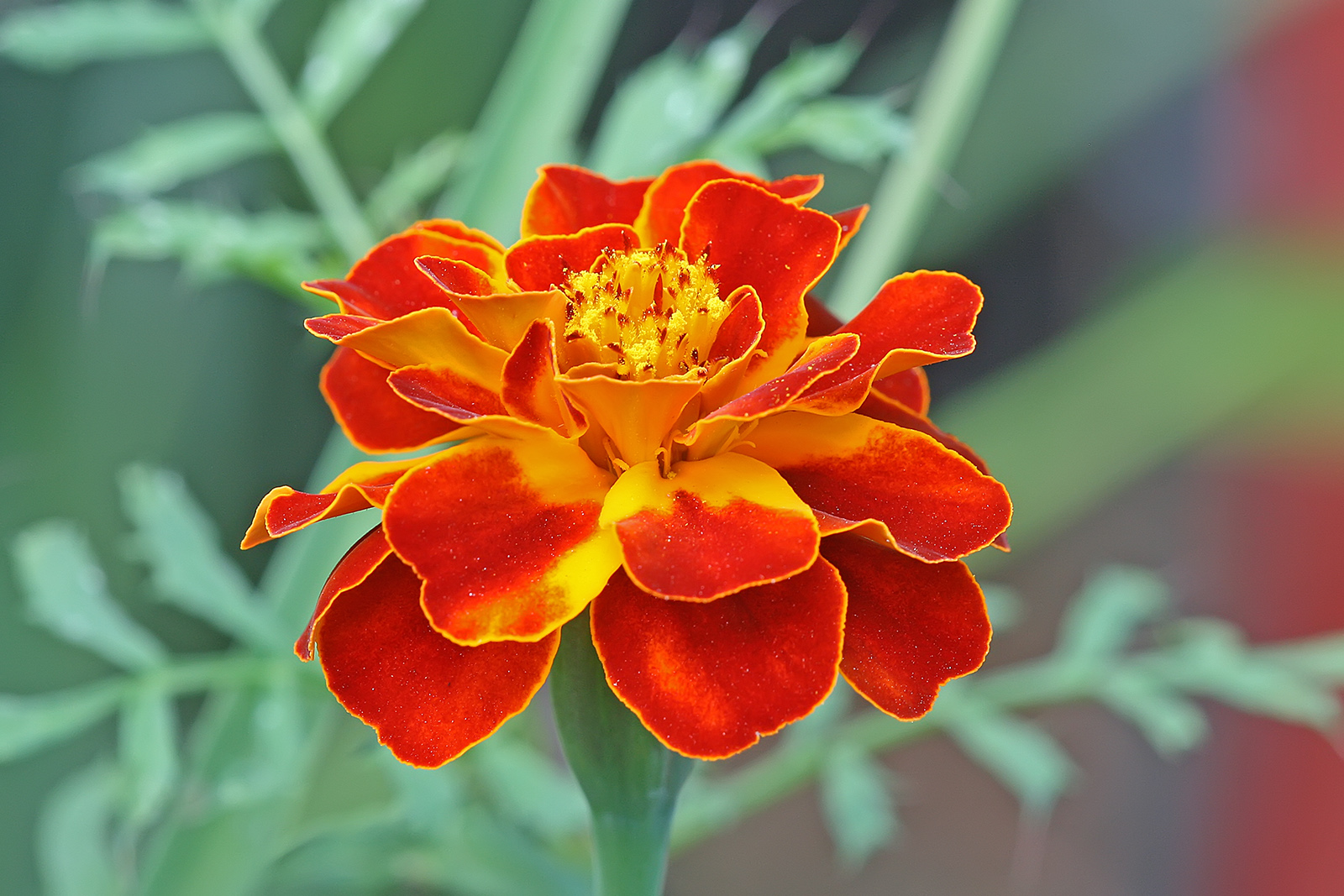
Marigolds (genus Tagetes and Calendula) are popular annuals known for their vibrant, cheerful blooms and often their distinctive scent. While they can add a beautiful splash of color to your garden, it's wise to be informed about their potential effects on your canine companions. This guide will delve into what the experts say, what symptoms to watch for, and how to create a dog-friendly garden that includes these sunny flowers.
🌱 Get Personalized Plant Picks
Answer a few quick questions and we’ll match plants to your exact yard conditions.
Find My Plants →What Does the ASPCA Say About Marigolds and Dogs?
The American Society for the Prevention of Cruelty to Animals (ASPCA) is a leading authority on pet toxicology. According to their extensive database, marigolds (specifically Tagetes species, the common garden marigold) are listed as having "minor toxicity" to dogs, cats, and horses. This classification means that while ingestion may cause mild symptoms, it's generally not life-threatening.
The other type of plant often referred to as "marigold" is the Pot Marigold (Calendula officinalis). The ASPCA also lists Calendula officinalis as not listed as toxic to dogs, cats, and horses.
So, whether you're growing the classic French or African marigolds (Tagetes) or the cheerful Pot Marigold (Calendula), both are generally considered to pose a low risk. The primary concerns are usually mild and temporary.
What Are the Potential Symptoms If a Dog Eats Marigolds?
Even though marigolds are not listed as toxic, some dogs may experience adverse reactions, particularly if they consume a significant amount of the plant. The most common symptoms associated with marigold ingestion or contact include:
- Mild Gastrointestinal Upset: This is the most frequent reaction. Symptoms can include:
- Vomiting
- Diarrhea
- Abdominal pain
- Loss of appetite (anorexia)
- Skin Irritation (Dermatitis): The sap or oils from marigold plants can sometimes cause contact dermatitis in sensitive dogs. This might manifest as:
- Redness
- Itching
- Rash
- Inflammation of the skin, especially around the mouth or paws if the dog has been chewing on the plant.
These symptoms are typically mild and resolve on their own once the plant material has passed through the dog's system or contact is removed. However, if symptoms are severe, persistent, or if your dog seems to be in significant discomfort, veterinary attention is always recommended.
If you suspect your pet has ingested a toxic plant, call the ASPCA Animal Poison Control Center immediately at (888) 426-4435.
Quick Reference: Marigolds and Dogs
| Feature | Tagetes Marigolds (French, African) | Calendula officinalis (Pot Marigold) |
|---|---|---|
| ASPCA Toxicity Level | Minor Toxicity | Not listed as toxic |
| Potential Symptoms | Mild GI upset (vomiting, diarrhea), skin irritation | Mild GI upset (vomiting, diarrhea), skin irritation |
| Risk Level | Low | Low |
| Recommendation | Generally safe to plant with supervision | Generally safe to plant with supervision |
How Can I Safely Incorporate Marigolds into a Dog-Friendly Garden?
While marigolds are a low-risk plant, responsible pet ownership means taking precautions. Here are some tips for growing marigolds in a garden shared with dogs:
- Observe Your Dog: The best defense is a good offense. Pay attention to your dog's habits. Is your dog a notorious plant chewer, or do they generally leave plants alone? If your dog tends to sample everything, you might want to reconsider planting marigolds in easily accessible areas.
- Placement is Key: Plant marigolds in areas that are less accessible to your dog. Raised beds, containers on elevated surfaces, or behind fencing can help deter curious chewers.
- Provide Alternatives: Ensure your dog has plenty of appropriate chew toys and enrichment activities to keep them from getting bored and turning to your garden plants for entertainment.
- Supervision: When your dog is in the garden, supervise them, especially if they are young or new to the environment.
- Training: Teach your dog commands like "leave it" or "drop it" to prevent them from ingesting plants.
- Healthy Diet: A well-fed dog is less likely to forage for plants out of hunger or nutritional deficiency.
- Consider Other Dog-Friendly Plants: If you're looking for vibrant, pet-friendly blooms, there are many other options to choose from.
What Are Some Other Dog-Friendly Garden Plant Alternatives?
If you're still concerned about marigolds or simply want more variety in your dog-friendly garden, here are a few beautiful and generally not listed as toxic options:
- Sunflower (Helianthus annuus): These cheerful giants are not listed as toxic and add a dramatic flair.
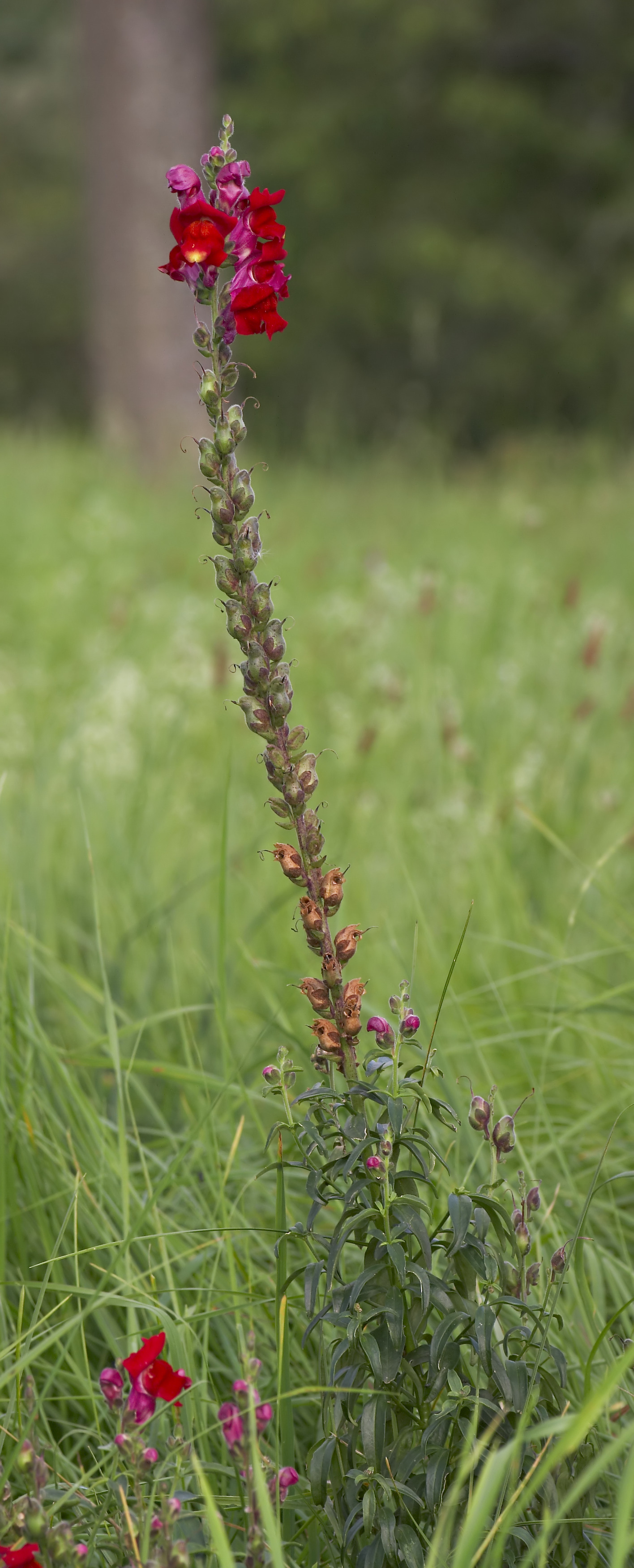
- Snapdragon (Antirrhinum majus): With their unique blooms, snapdragons are a fun addition and are not listed as toxic.
- Rose (Rosa spp.): While the thorns can be a hazard, the flowers themselves are not listed as toxic.
- African Violet (Saintpaulia spp.): A lovely choice for containers or indoor gardens, not listed as toxic.
- Orchids (Phalaenopsis spp.): Another beautiful, not listed as toxic option for indoors.
For outdoor garden beds, consider these vibrant, generally not listed as toxic perennials:
Final Thoughts on Marigolds and Your Canine Companion
Marigolds are a beloved garden staple for many reasons, including their pest-repelling qualities and bright, long-lasting blooms. For most dogs, having marigolds in the garden poses a very low risk. While they are not listed as toxic, it's always wise to be aware of the potential for mild gastrointestinal upset or skin irritation. By understanding your dog's habits, practicing smart garden design, and knowing the signs to watch for, you can enjoy the beauty of marigolds while keeping your furry friend safe and happy.
Ready to find the perfect plants for your yard? Try the PlantWise Plant Finder →