Is Monarda (Bee Balm) Deer Resistant? Complete Guide
If you're looking to add vibrant color and attract pollinators to your garden without inviting deer for a snack, Monarda, commonly known as Bee Balm, is an excellent choice. Yes, Monarda is generally considered deer resistant. Its aromatic foliage, which contains essential oils, is typically unappealing to deer, making it a reliable option for gardens in areas with deer pressure. While no plant is truly deer-proof, Bee Balm is consistently ranked among plants that deer tend to avoid.
This guide will delve into why Monarda is deer resistant, how to grow it successfully, and what other plants pair well with it to create a beautiful, wildlife-friendly landscape.
🌱 Get Personalized Plant Picks
Answer a few quick questions and we’ll match plants to your exact yard conditions.
Find My Plants →Why Do Deer Avoid Monarda (Bee Balm)?
Deer are selective eaters, often relying on their sense of smell to determine what's palatable. Monarda's strong, minty, and somewhat spicy fragrance is a major deterrent for them. This scent comes from the volatile essential oils present in its leaves and stems. While we might find the aroma pleasant, deer typically find it off-putting, signaling that the plant isn't a tasty meal.
Beyond the scent, some sources suggest that the texture of Monarda's leaves, which can be slightly rough or hairy depending on the species, might also contribute to its unappetizing nature for deer. This combination of strong scent and potentially unappealing texture makes Monarda a smart choice for gardeners battling browsing deer.
What Are the Best Monarda Varieties for Deer Resistance?
All species and cultivars of Monarda are generally considered deer resistant due to their inherent aromatic properties. There isn't one specific variety that stands out as "more" deer resistant than others. The key is that it's a Monarda!
However, choosing the right variety for your garden depends more on factors like bloom color, mature size, and resistance to powdery mildew. Some popular and reliable options include:
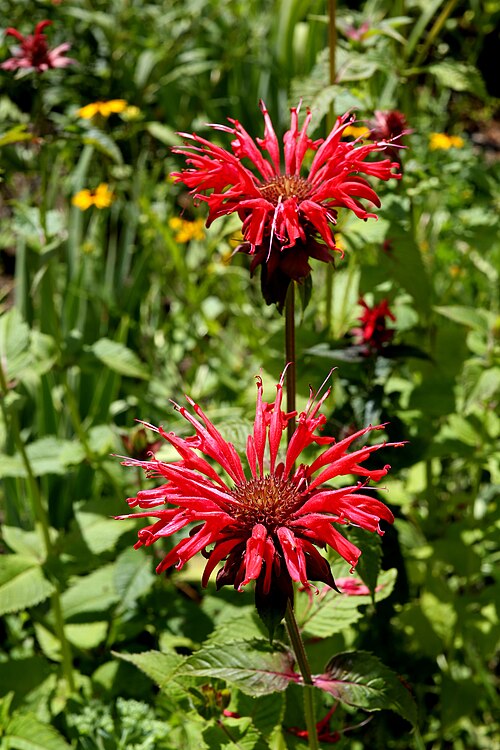
- Monarda didyma (Scarlet Bee Balm): Known for its bright red, shaggy flowers. Can be prone to powdery mildew in humid conditions if not given good air circulation.
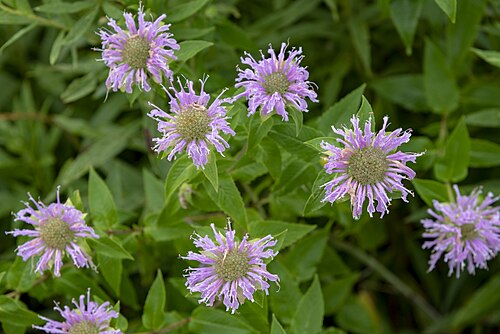
- Monarda fistulosa (Wild Bergamot): Features lavender-pink to purple flowers. Often more drought-tolerant and less susceptible to powdery mildew than M. didyma.
- Monarda 'Jacob Cline': A popular M. didyma cultivar celebrated for its exceptionally vibrant red flowers and good resistance to powdery mildew.
- Monarda 'Grape Gumdrop' or 'Sugar Buzz' series: These are newer, more compact cultivars that offer a range of colors (pink, purple, red) and improved disease resistance, making them great for smaller gardens or containers.
When selecting your Monarda, consider its mature height and spread to ensure it fits well within your garden design.
How Do I Grow Monarda Successfully?
Growing Monarda is relatively straightforward, as it's a hardy perennial native to North America. Providing the right conditions will ensure a healthy, deer-resistant display.
Sunlight: Monarda thrives in full sun (at least 6 hours of direct sunlight per day). While it can tolerate partial shade, too little sun can lead to leggy growth, fewer blooms, and increased susceptibility to powdery mildew.
Soil: It prefers rich, moist, well-drained soil. Amend heavy clay soils with compost to improve drainage, and sandy soils to improve water retention. A slightly acidic to neutral pH (6.0-7.0) is ideal.
Watering: Keep the soil consistently moist, especially during dry spells and the plant's establishment phase. However, avoid waterlogging, which can lead to root rot. Good air circulation is crucial.
Spacing: Space plants adequately (18-24 inches apart, depending on the variety) to ensure good air circulation. This is vital for preventing powdery mildew, a common fungal issue for Monarda.
Fertilizing: Monarda is not a heavy feeder. A light application of balanced granular fertilizer in spring or a layer of compost around the base of the plant is usually sufficient.
Maintenance:
- Deadheading: Removing spent flowers (deadheading) can encourage a second flush of blooms and prevent self-seeding.
- Division: Monarda spreads readily by rhizomes and can become crowded over time. Divide clumps every 2-3 years in early spring or fall to maintain vigor and prevent overcrowding, which also helps with air circulation.
- Powdery Mildew: If powdery mildew becomes an issue, ensure good air circulation, avoid overhead watering, and consider planting more resistant cultivars. In severe cases, organic fungicides can be used.
Quick Reference: Monarda Growing Conditions
| Feature | Ideal Conditions |
|---|---|
| Deer Resistance | High (due to aromatic foliage) |
| Sunlight | Full sun (6+ hours direct sun) |
| Soil | Rich, moist, well-drained; pH 6.0-7.0 |
| Watering | Consistently moist; avoid waterlogging |
| Hardiness Zone | USDA Zones 3-9 (varies by species/cultivar) |
| Bloom Time | Mid to late summer |
| Pollinators | Attracts hummingbirds, butterflies, bees |
| Maintenance | Deadhead, divide every 2-3 years, ensure air circulation |
What Other Deer-Resistant Plants Pair Well with Monarda?
Creating a deer-resistant garden doesn't mean sacrificing beauty or variety. Many other plants share Monarda's deer-averse qualities and make excellent companions. Combining plants with similar growing requirements (full sun, moist, well-drained soil) will ensure a thriving garden.
Here are some fantastic deer-resistant companions for Monarda:
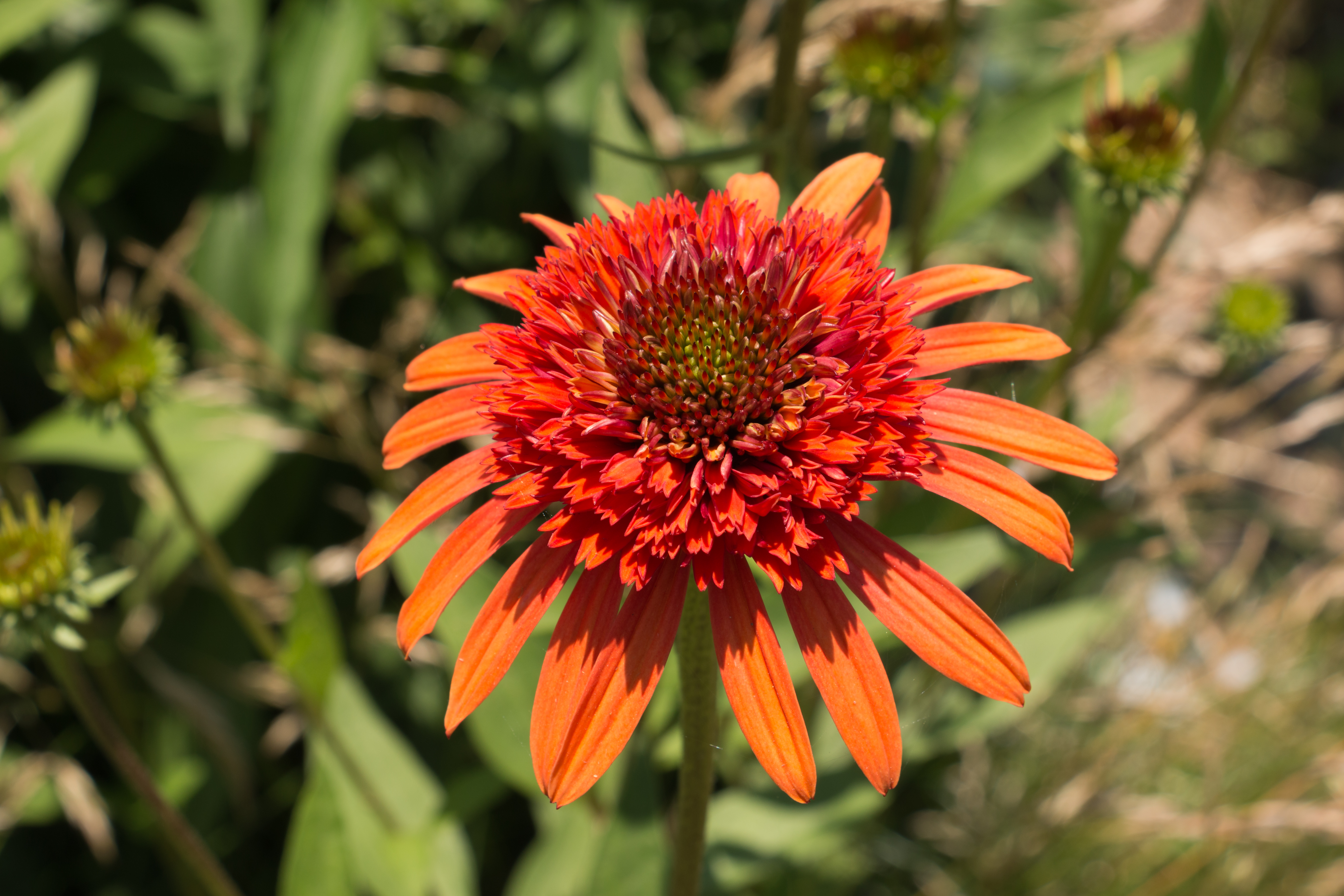
Coneflower (Echinacea purpurea):
Known for its daisy-like flowers with prominent central cones, coneflower blooms from summer into fall, providing a long season of interest. Deer tend to avoid its rough, bristly foliage.
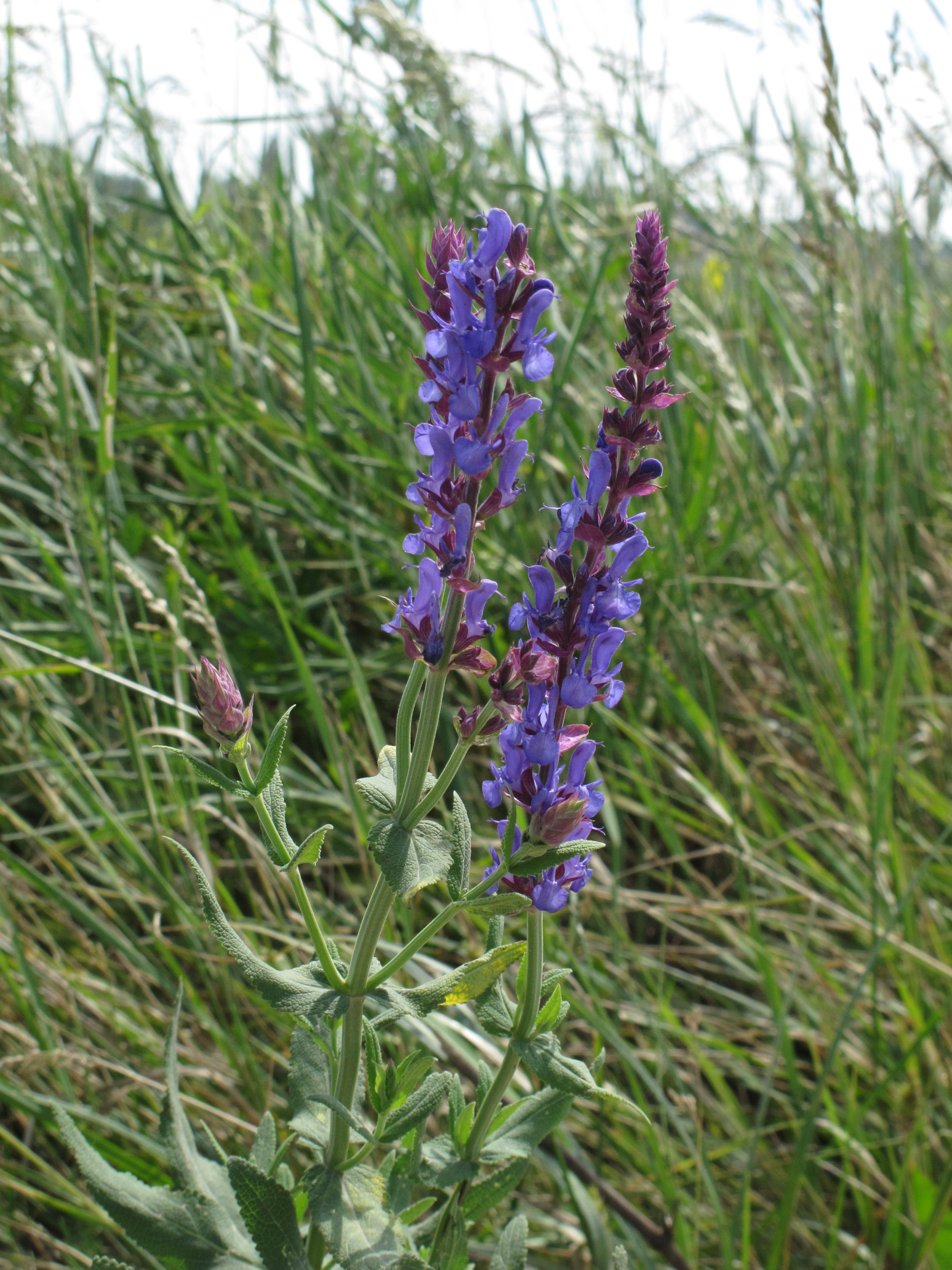
Salvia (Salvia spp.):
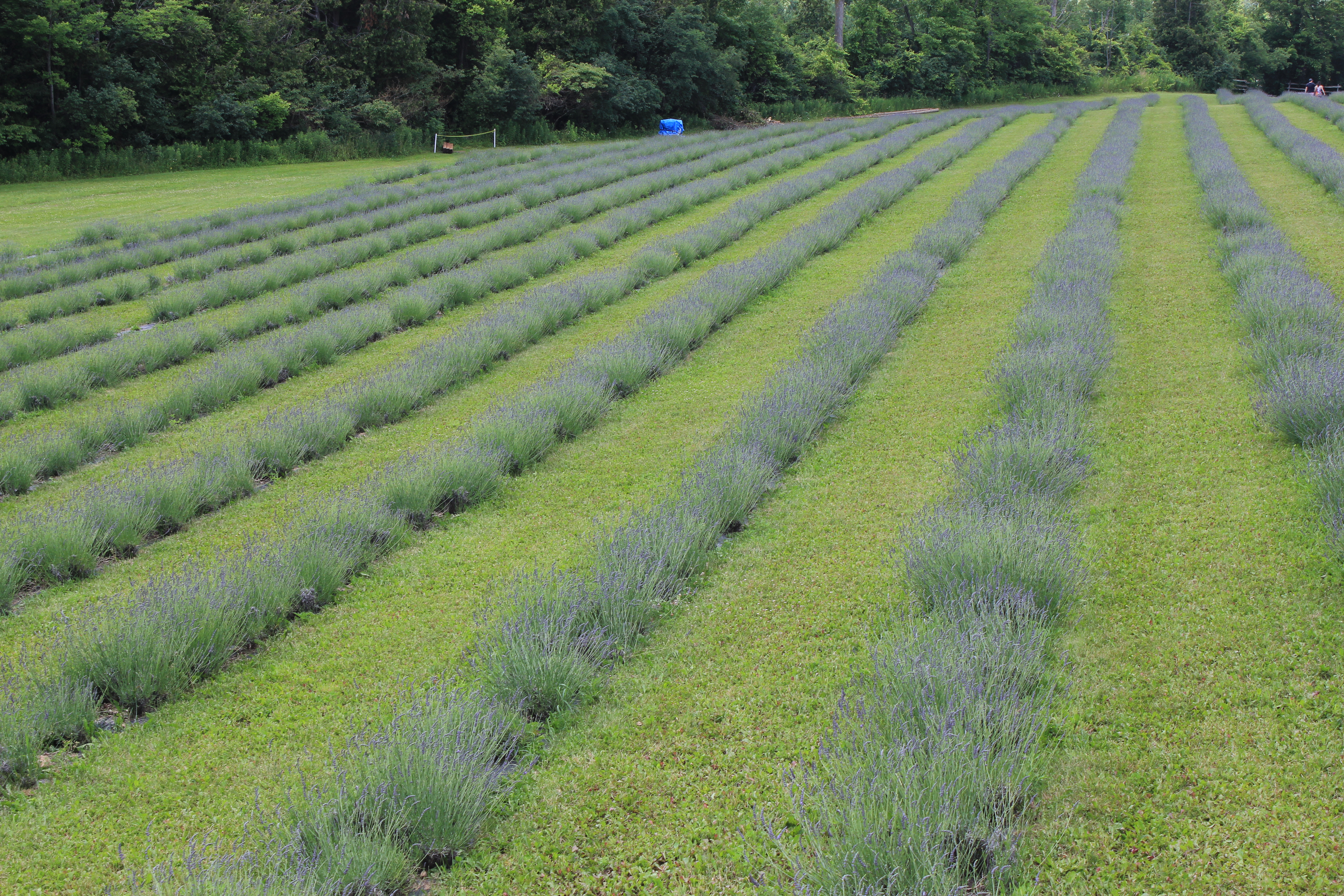
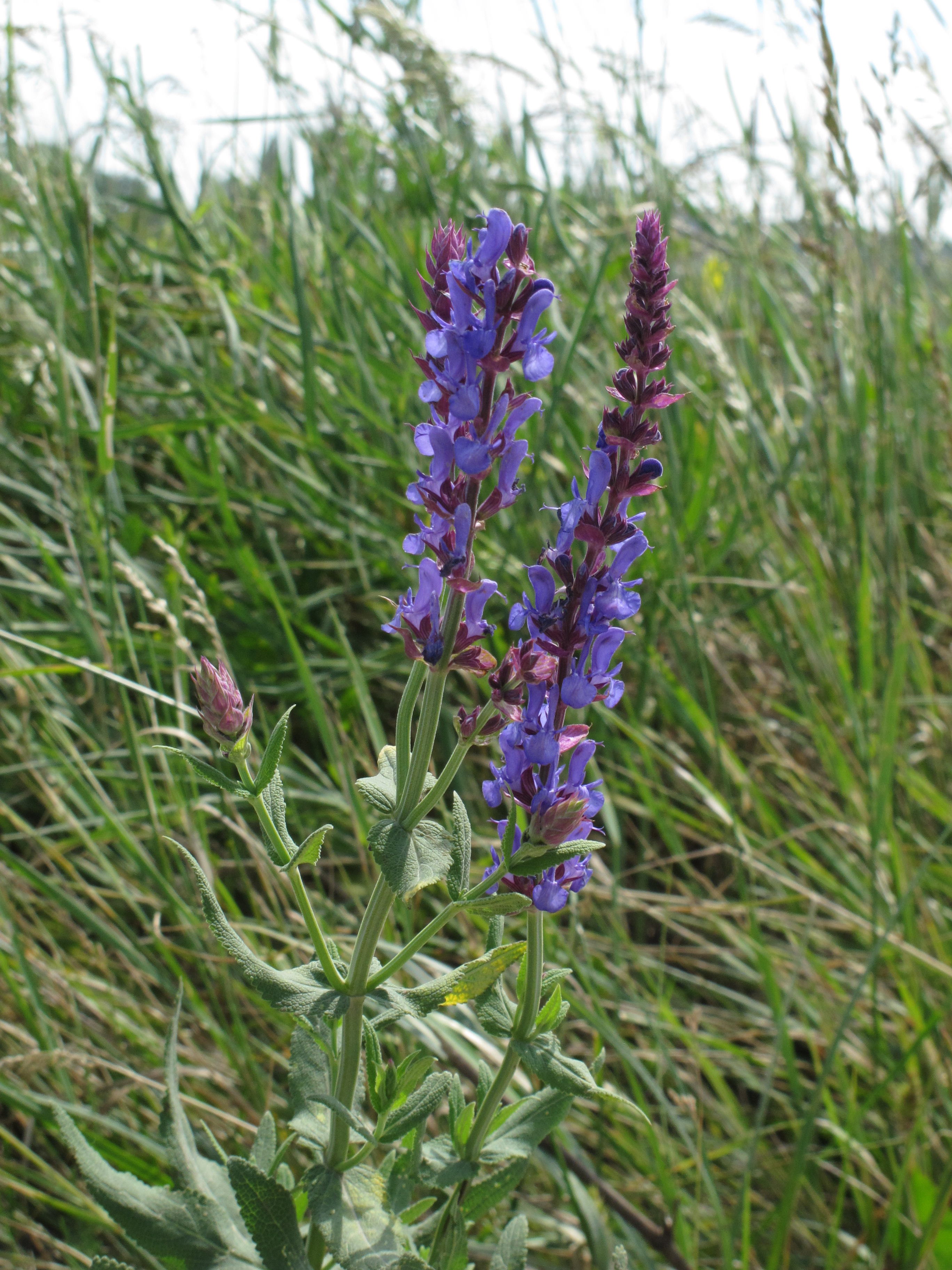
Many varieties of Salvia, especially perennial types like Salvia nemorosa or Salvia x superba, are highly deer resistant. Their aromatic foliage and spikes of blue, purple, or pink flowers complement Monarda beautifully.
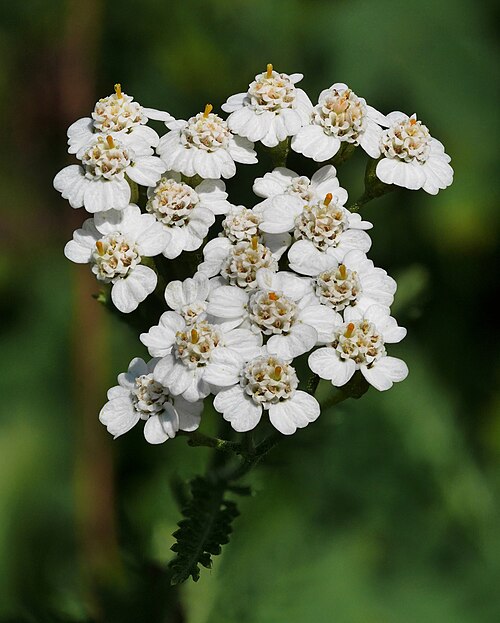
Yarrow (Achillea millefolium):
With its fern-like foliage and flat-topped clusters of flowers in shades of yellow, red, pink, and white, yarrow is a tough, drought-tolerant, and deer-resistant perennial that blooms for an extended period.
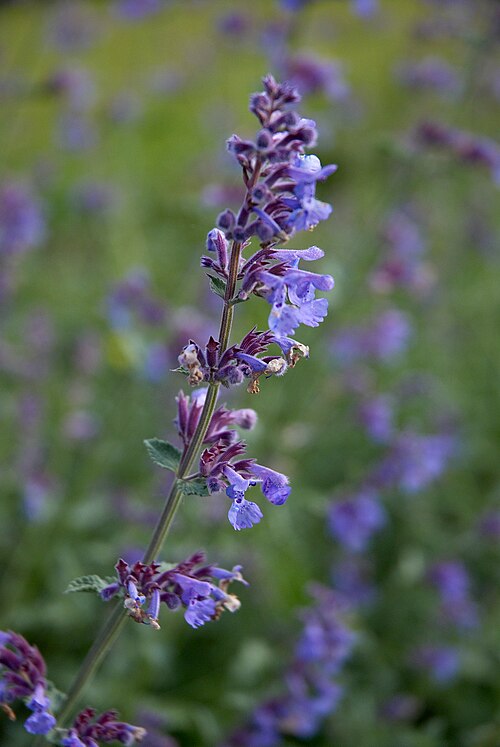
Catmint (Nepeta spp.):
Another member of the mint family, catmint is incredibly deer resistant due to its strong, minty aroma. Its soft, gray-green foliage and spikes of lavender-blue flowers create a lovely, billowy effect.
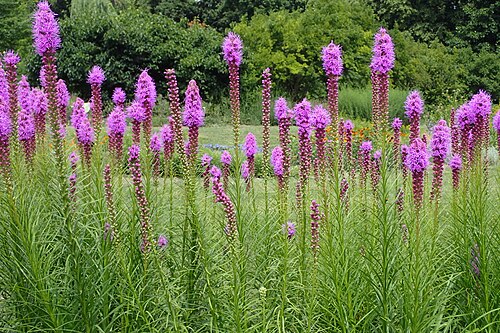
Blazing Star (Liatris spicata):
This native perennial features tall, spiky purple flowers that bloom from the top down. It's a favorite of pollinators and is reliably ignored by deer.
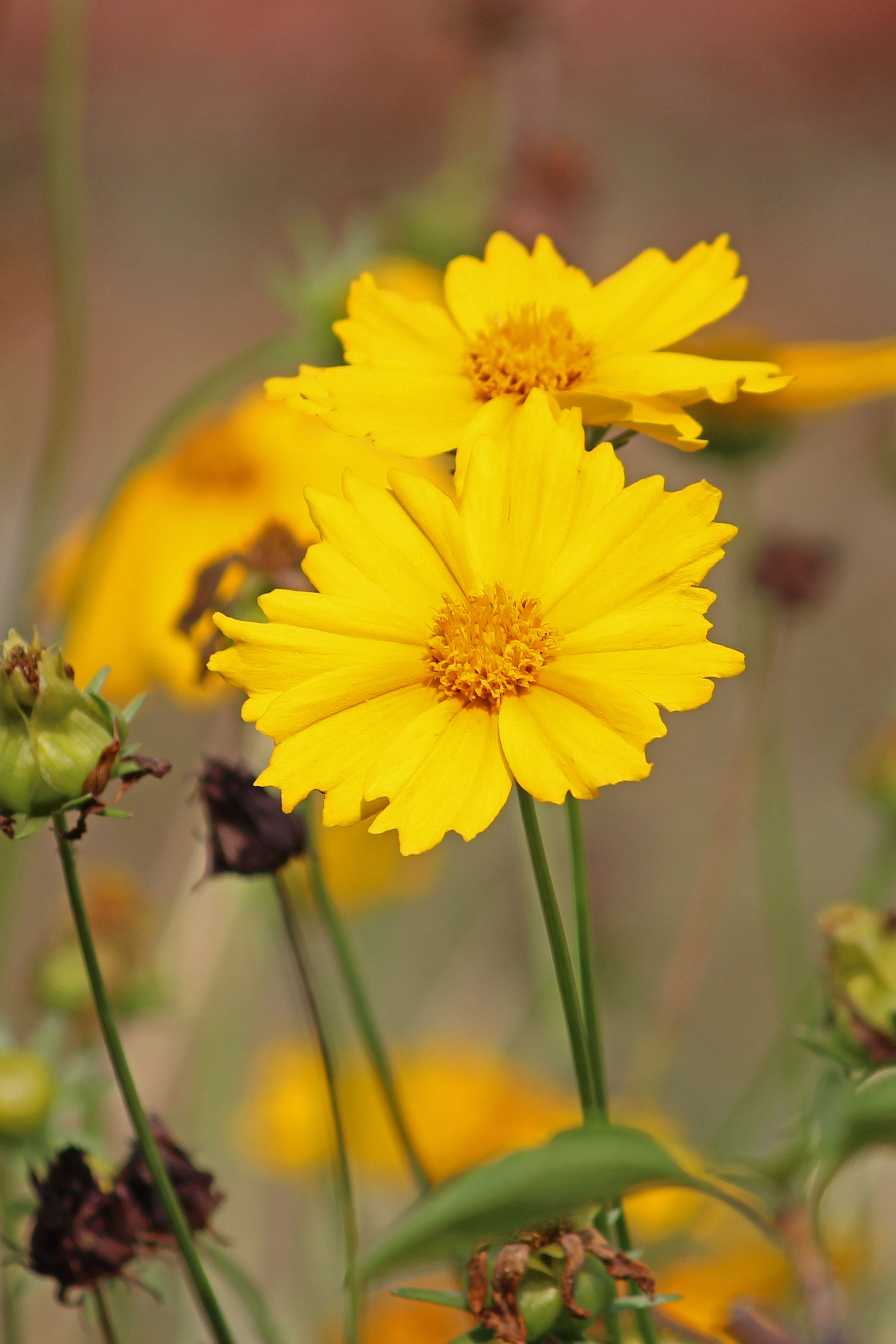
Coreopsis (Coreopsis spp.):
Often called Tickseed, Coreopsis offers a profusion of bright yellow, orange, or red daisy-like flowers. Its fine-textured foliage is generally unappealing to deer.
By combining Monarda with these and other deer-resistant plants, you can create a vibrant, biodiverse garden that attracts beneficial insects and birds while deterring unwanted browsing. Remember, "deer resistant" doesn't mean "deer proof," especially if deer are very hungry, but these plants significantly reduce the likelihood of damage.
Ready to find the perfect plants for your yard? Try the PlantWise Plant Finder →