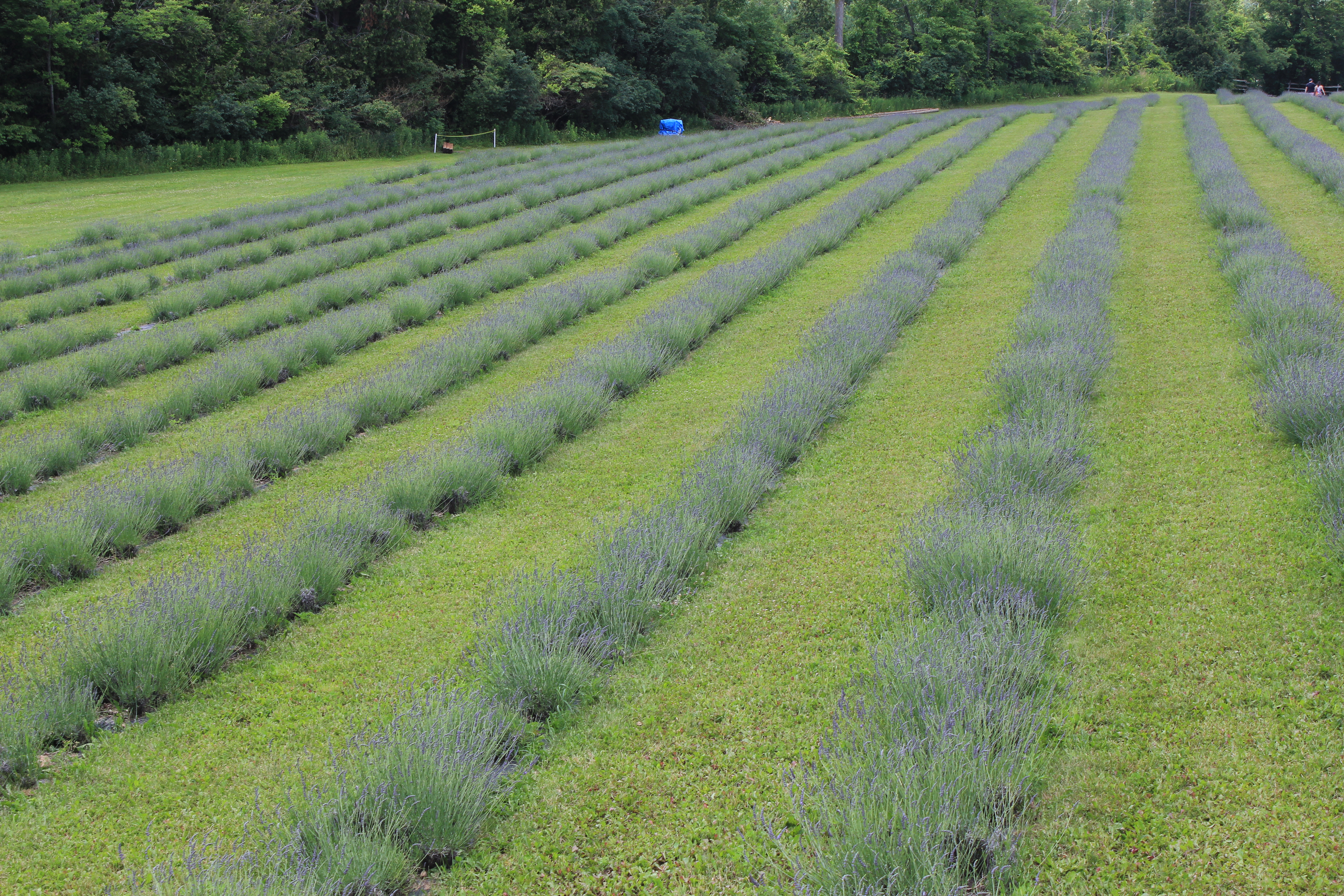
Is Nepeta (Catmint) Deer Resistant? Complete Guide
If you're battling deer in your garden, you've likely heard whispers of certain plants that seem to deter these hungry herbivores. Among the most frequently mentioned is Nepeta, commonly known as catmint. So, is Nepeta truly deer resistant? Yes, Nepeta is widely considered to be highly deer resistant. Its strong, aromatic foliage, often described as minty or herbaceous, is generally unappealing to deer, making it an excellent choice for gardens in areas with high deer pressure. While no plant is ever 100% deer-proof, catmint comes very close, offering a beautiful and low-maintenance solution for gardeners seeking to protect their landscape.
🌱 Get Personalized Plant Picks
Answer a few quick questions and we’ll match plants to your exact yard conditions.
Find My Plants →Why is Catmint Deer Resistant?
The secret to catmint's deer resistance lies in its distinctive aroma and taste. Like many plants in the mint family (Lamiaceae), Nepeta contains essential oils that produce a strong fragrance. While this scent is delightful to humans and intoxicating to cats, deer find it quite off-putting. Their sensitive noses pick up on the compounds in the plant, signaling to them that it's not a palatable food source.
Deer are browsers, and they tend to avoid plants with fuzzy, hairy, or strongly aromatic foliage. Catmint ticks all these boxes, making it a natural deterrent. Its slightly fuzzy leaves and robust scent act as a built-in defense mechanism, encouraging deer to look elsewhere for their next meal.
Quick Reference: Catmint & Deer Resistance
| Feature | Rating/Description |
|---|---|
| Deer Resistance | High - Generally avoided by deer due to strong aroma and taste. |
| Attracts | Bees, butterflies, hummingbirds, and of course, cats! |
| Sun Exposure | Full sun to partial shade (prefers full sun for best flowering). |
| Soil Needs | Well-draining soil; tolerant of poor soil. |
| Water Needs | Drought-tolerant once established. |
| Maintenance | Low; deadhead for rebloom, cut back in late fall/early spring. |
| Bloom Time | Late spring to fall. |
| Flower Color | Typically lavender-blue, purple, pink, or white. |
| Foliage | Gray-green, aromatic, slightly fuzzy. |
What Other Wildlife Does Catmint Attract (or Deter)?
While catmint is a champion against deer, it's a magnet for other beneficial creatures, making it a fantastic addition to a pollinator garden.
- Pollinators: Bees, especially bumblebees, absolutely adore catmint. Its numerous small flowers provide a long-lasting nectar source throughout the growing season. Butterflies and other beneficial insects are also frequent visitors.
- Hummingbirds: Some varieties with larger flowers may also attract hummingbirds.
- Cats: As its common name suggests, many cats are highly attracted to catmint. They may rub against it, roll in it, and even chew on it, often exhibiting playful or euphoric behaviors. If you have outdoor cats or neighborhood cats, be prepared for them to enjoy your catmint patch!
- Rabbits: Similar to deer, rabbits tend to avoid catmint due to its strong scent and fuzzy texture. This makes it a good choice for areas where both deer and rabbits are a problem.
How Can I Use Catmint in a Deer-Resistant Garden Design?
Integrating catmint into your landscape is a smart strategy for deterring deer. Here are some practical tips:
- Perimeter Planting: Create a "scent barrier" by planting catmint along the borders of your garden beds or around plants that are more susceptible to deer damage. The strong aroma can help mask the scent of more appealing plants.
- Mass Plantings: Planting large drifts or masses of catmint increases its visual impact and the concentration of its deterrent scent, making it even more effective.
- Companion Planting: Pair catmint with other deer-resistant plants to create a diverse and beautiful garden that deer will generally ignore. Good companions include:
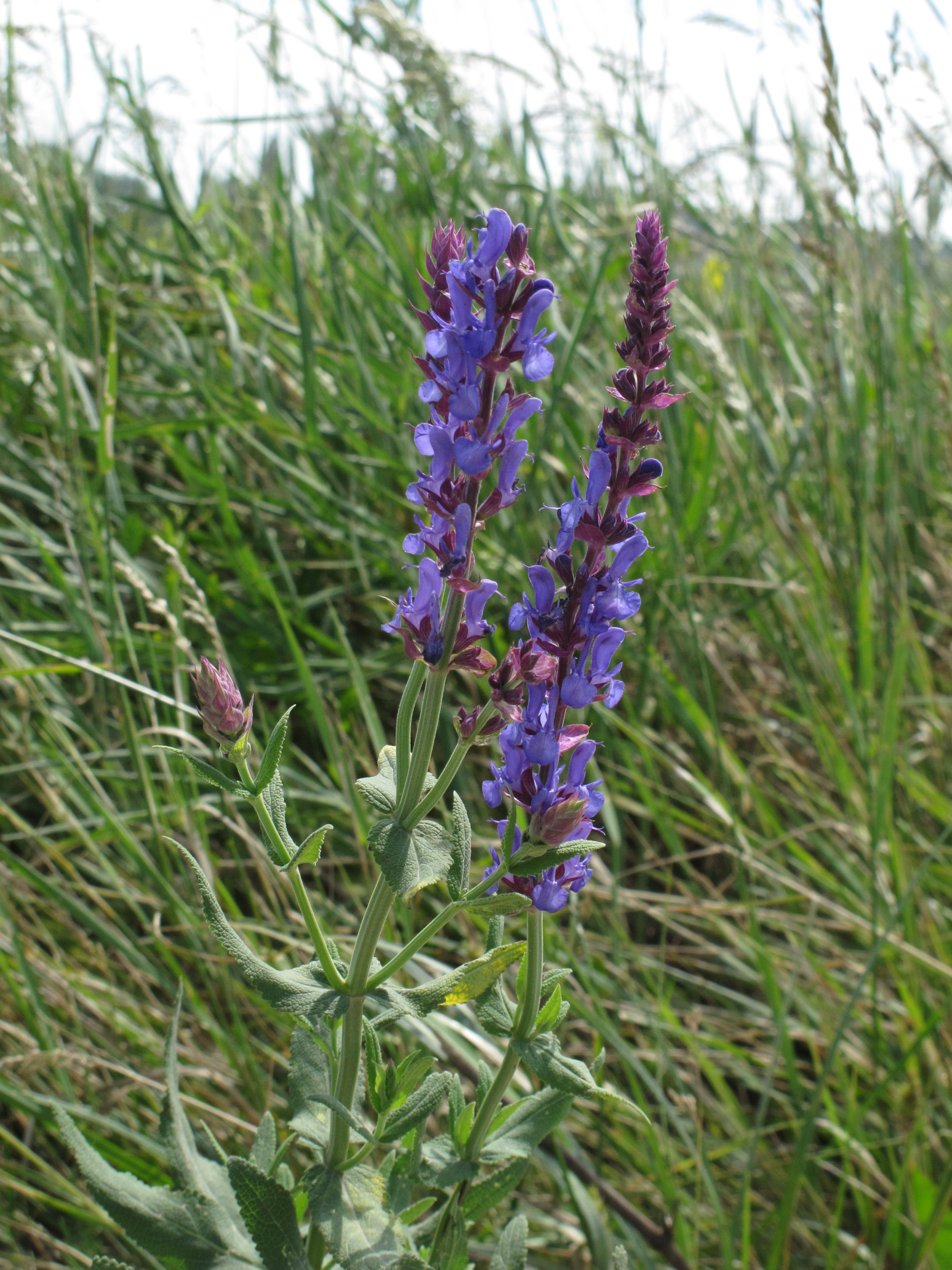
- {{salvia}}
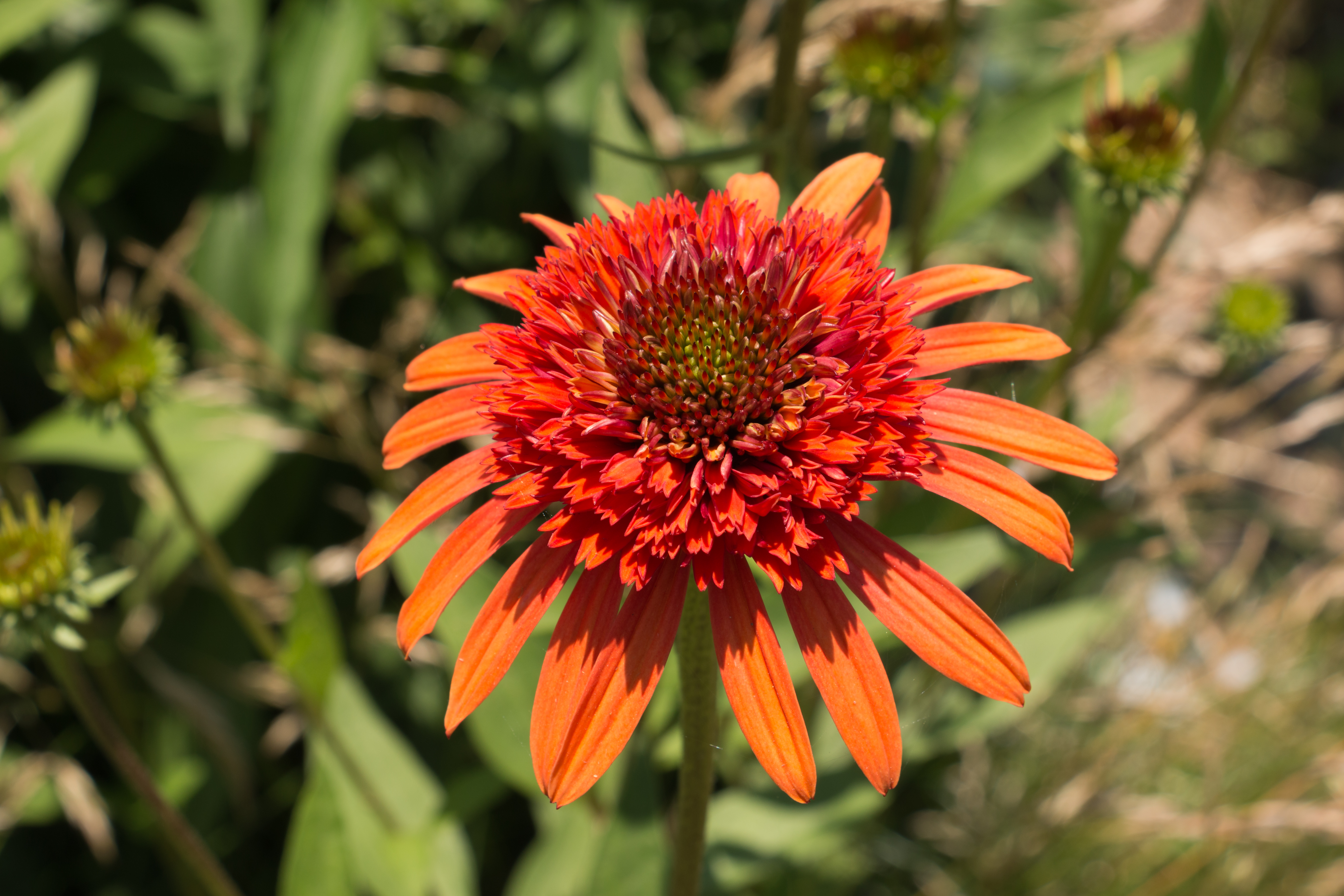
- {{coneflower}}
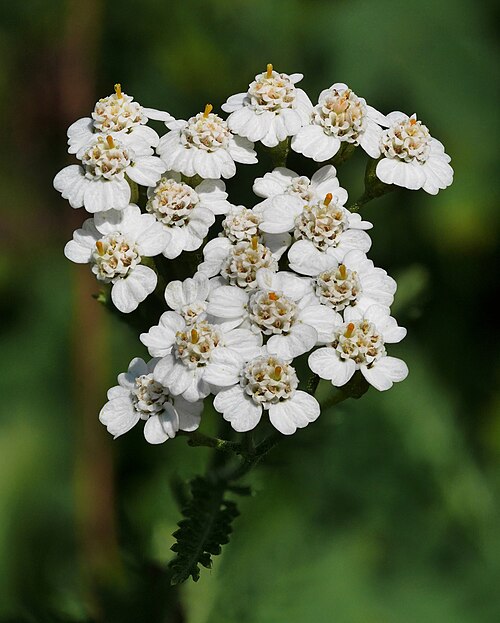
- {{yarrow}}
- {{black-eyed-susan}}
- {{bee-balm}}
- Pathways and Edges: Use catmint as an edging plant along pathways or at the front of borders. Its mounding habit and long bloom time make it an attractive and functional choice.
- Containers: Catmint can also thrive in containers, which can be strategically placed on patios or near vulnerable plants to add an extra layer of protection.
Remember, no plant is truly deer-proof, and a very hungry deer might sample anything. However, by incorporating highly resistant plants like catmint, you significantly reduce the likelihood of extensive damage.
What Are Some Popular Catmint Varieties?
There are many wonderful varieties of Nepeta, offering different sizes, bloom times, and flower colors. Here are a few popular choices:
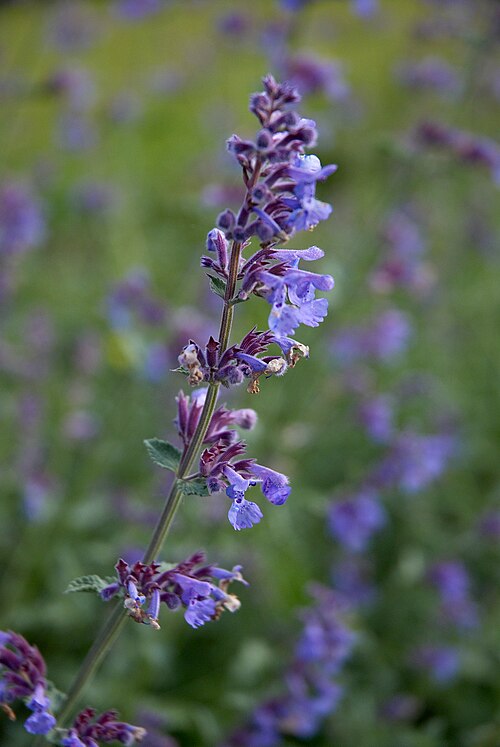
- 'Walker's Low' ({{catmint}}): This is perhaps the most famous catmint, despite its name, it's not particularly short. It forms a beautiful mound of lavender-blue flowers and gray-green foliage, growing to about 2-3 feet tall and wide. It's incredibly vigorous and long-blooming.
- 'Six Hills Giant': As its name suggests, this variety is larger, reaching up to 3-4 feet tall and wide, with abundant lavender-blue flowers.
- 'Cat's Meow': A more compact and tidy variety, growing 1-1.5 feet tall and wide, with deep lavender-blue flowers. It's known for its excellent heat and drought tolerance.
- 'Junior Walker': A smaller version of 'Walker's Low', perfect for smaller spaces or containers, typically growing 1-1.5 feet tall.
- 'Purrsian Blue': Another compact variety with vibrant purple-blue flowers and a neat, rounded habit.
When choosing a variety, consider the mature size and your garden's specific needs. All Nepeta varieties share the characteristic aromatic foliage that deer dislike.
How Do I Care for Catmint for Best Results?
Catmint is renowned for its low-maintenance nature, making it a favorite among busy gardeners.
- Sunlight: Plant in full sun (at least 6 hours of direct sunlight per day) for the best flowering and most compact growth. It can tolerate partial shade, but may become leggy and have fewer blooms.
- Soil: Catmint prefers well-draining soil and is highly tolerant of poor or rocky soils. Avoid heavy, waterlogged clay, as this can lead to root rot.
- Watering: Once established, catmint is remarkably drought-tolerant and requires minimal watering. Water deeply but infrequently, allowing the soil to dry out between waterings. Overwatering is a common cause of problems.
- Pruning/Deadheading:
- Deadheading: While not strictly necessary for continuous bloom (many varieties are self-cleaning to some extent), deadheading spent flower spikes can encourage a tidier appearance and promote an even more prolific rebloom, extending the flowering season well into fall.
- Shearing: After the first flush of flowers, you can shear the entire plant back by about one-third to one-half. This rejuvenates the plant, encourages fresh foliage, and promotes a strong second flush of blooms.
- Spring Cutback: In late fall or early spring, you can cut the entire plant back to a few inches above the ground. This helps maintain a neat shape and encourages vigorous new growth.
- Fertilizing: Catmint generally doesn't require much fertilizer, especially if planted in reasonably fertile soil. An annual application of compost around the base of the plant in spring is usually sufficient.
- Pests and Diseases: Catmint is largely pest and disease-free, another reason for its popularity. Its strong aroma even deters some common garden pests.
By following these simple care guidelines, your catmint will thrive, providing continuous beauty, attracting pollinators, and standing guard against deer in your garden for years to come.
Ready to find the perfect plants for your yard? Try the PlantWise Plant Finder →