Is Peony Deer Resistant? Complete Guide
Peonies are a beloved garden classic, cherished for their lush, fragrant blooms that signal the arrival of late spring and early summer. If you live in an area where deer are frequent visitors, you're probably wondering if these magnificent flowers will fall victim to their appetites. The good news is that peonies are generally considered deer resistant. While no plant is truly deer-proof, peonies are not typically a preferred food source for deer, making them an excellent choice for gardens in deer-prone regions. Their strong scent and bitter taste are usually enough to deter most deer from munching on their foliage and flowers.
🌱 Get Personalized Plant Picks
Answer a few quick questions and we’ll match plants to your exact yard conditions.
Find My Plants →Why Are Peonies Deer Resistant?
Deer are opportunistic feeders, and while they might sample almost anything if food is scarce enough, they tend to avoid plants with certain characteristics. Peonies possess a few traits that make them unappealing to deer:
- Strong Scent: Peony foliage and flowers have a distinct, somewhat pungent aroma that deer often find off-putting. Their sensitive noses guide them away from plants with strong scents.
- Bitter Taste: The leaves and stems of peonies contain compounds that give them a bitter taste. Once a deer takes a nibble, they're likely to quickly move on to something more palatable.
- Texture: While not as prickly as some deer-resistant plants, the texture of peony leaves might also contribute to their general lack of appeal.
These combined factors mean that peonies are rarely a deer's first choice, or even their tenth, making them a relatively safe bet for your garden.
Quick Reference: Peonies and Deer
| Feature | Description AReaching out to your garden with deer-resistant plants is a smart strategy to enjoy a beautiful landscape without constant worry about damage. While no plant is truly deer-proof, some plants are significantly less appealing to deer due to their taste, texture, or scent. This guide will help you understand how to choose and protect your plants effectively.
What Makes a Plant Deer Resistant?
Deer-resistant plants typically share one or more of the following characteristics:
- Strong Aromatic Scents: Deer often avoid plants with strong, pungent odors. Herbs like lavender, rosemary, and mint are good examples.
- Fuzzy or Thorny Textures: Plants with fuzzy, hairy, or prickly leaves and stems are less palatable to deer. Lamb's ear or roses (though roses can still be browsed) fall into this category.
- Bitter Taste: Many plants contain compounds that make them taste bitter or unpleasant to deer.
- Toxicity: Some plants are toxic to deer, which they instinctively avoid.
It's important to remember that deer preferences can vary based on local deer populations, available food sources, and environmental conditions. A plant that is deer resistant in one area might occasionally be browsed in another, especially during periods of drought or severe winter weather when other food is scarce.
How Can I Protect My Plants from Deer?
Even with deer-resistant plants, it's wise to employ additional strategies to safeguard your garden.
Physical Barriers: The most effective way to keep deer out is with a physical barrier.
- Fencing: A fence at least 8 feet tall is generally recommended to deter deer. Lower fences might work if deer pressure is low, but determined deer can easily jump anything shorter.
- Netting: For individual plants or small beds, temporary netting can be effective, especially for young plants that are more vulnerable.
- Tree Guards: Protect young tree trunks from antler rubbing with plastic or wire guards.
Repellents: Deer repellents work by taste or smell, making plants unappealing.
- Scent-based: These repellents often contain ingredients like putrefied egg solids, garlic, or predator urine. They need to be reapplied regularly, especially after rain.
- Taste-based: These are applied directly to plants and make them taste bad. They also require reapplication.
- Homemade: Some gardeners use bars of strong-smelling soap, human hair, or blood meal, but their effectiveness is often debated and temporary.
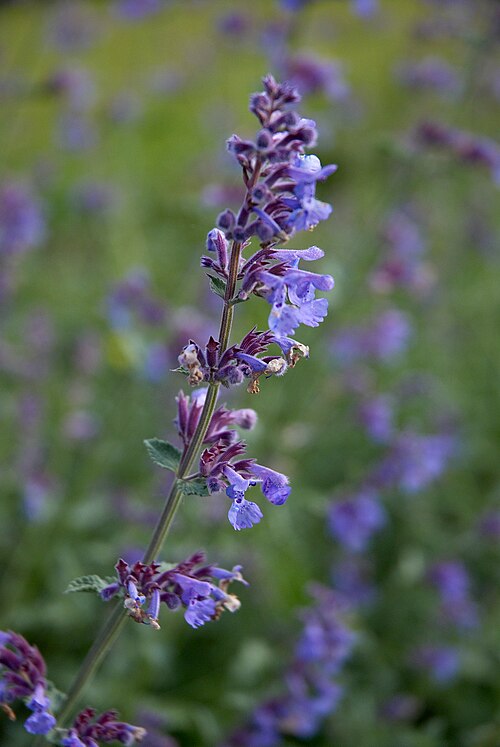
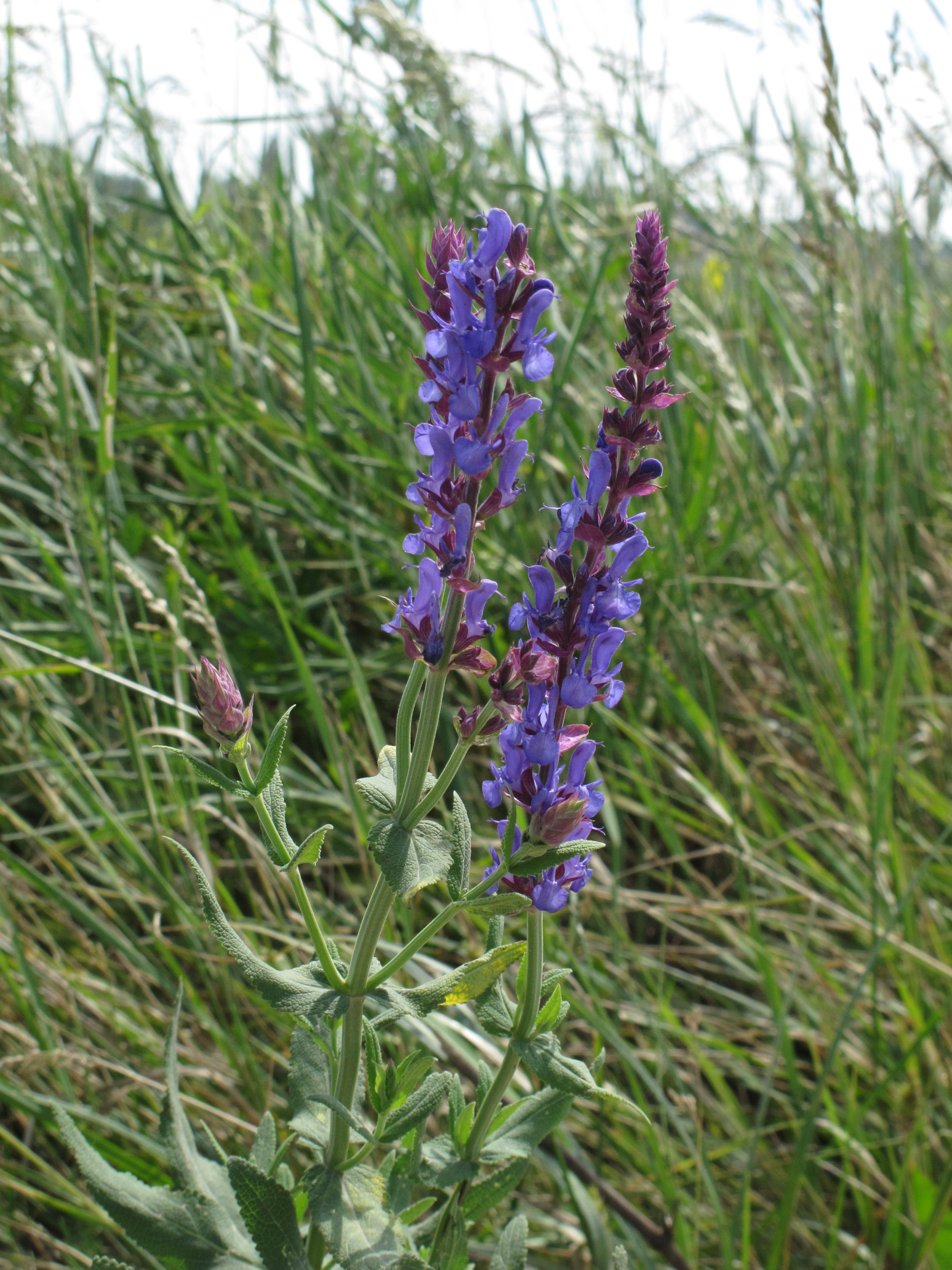
Companion Planting: Strategically planting deer-resistant species around more vulnerable ones can offer some protection. For example, planting {{catmint}} or {{salvia}} around your favorite hostas might make deer think twice.
Habitat Modification:
- Remove Attractants: Don't leave out pet food, birdseed, or fallen fruit that might draw deer into your yard.
- Vary Your Garden: A diverse garden with a mix of deer-resistant and less-resistant plants can sometimes confuse deer and make your garden less of a target.
Motion-Activated Sprinklers: These can startle deer with a sudden burst of water, deterring them from entering a specific area.
What Are Some Other Great Deer-Resistant Plants?
Beyond peonies, many beautiful and reliable plants can thrive in deer-prone gardens. Incorporating a variety of these can create a vibrant and diverse landscape that deer tend to ignore.
Perennials:
- {{Salvia}}: Known for its spiky blooms and aromatic foliage, salvias are rarely bothered by deer.
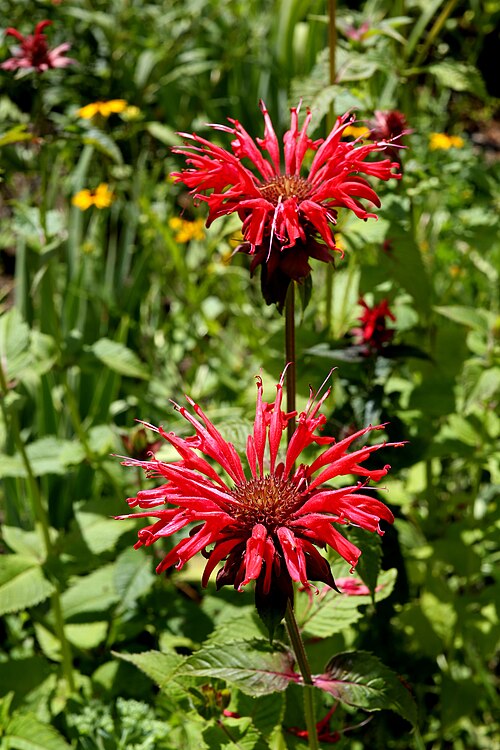
- {{Bee Balm}}: This pollinator magnet has a strong, minty scent that deer dislike.
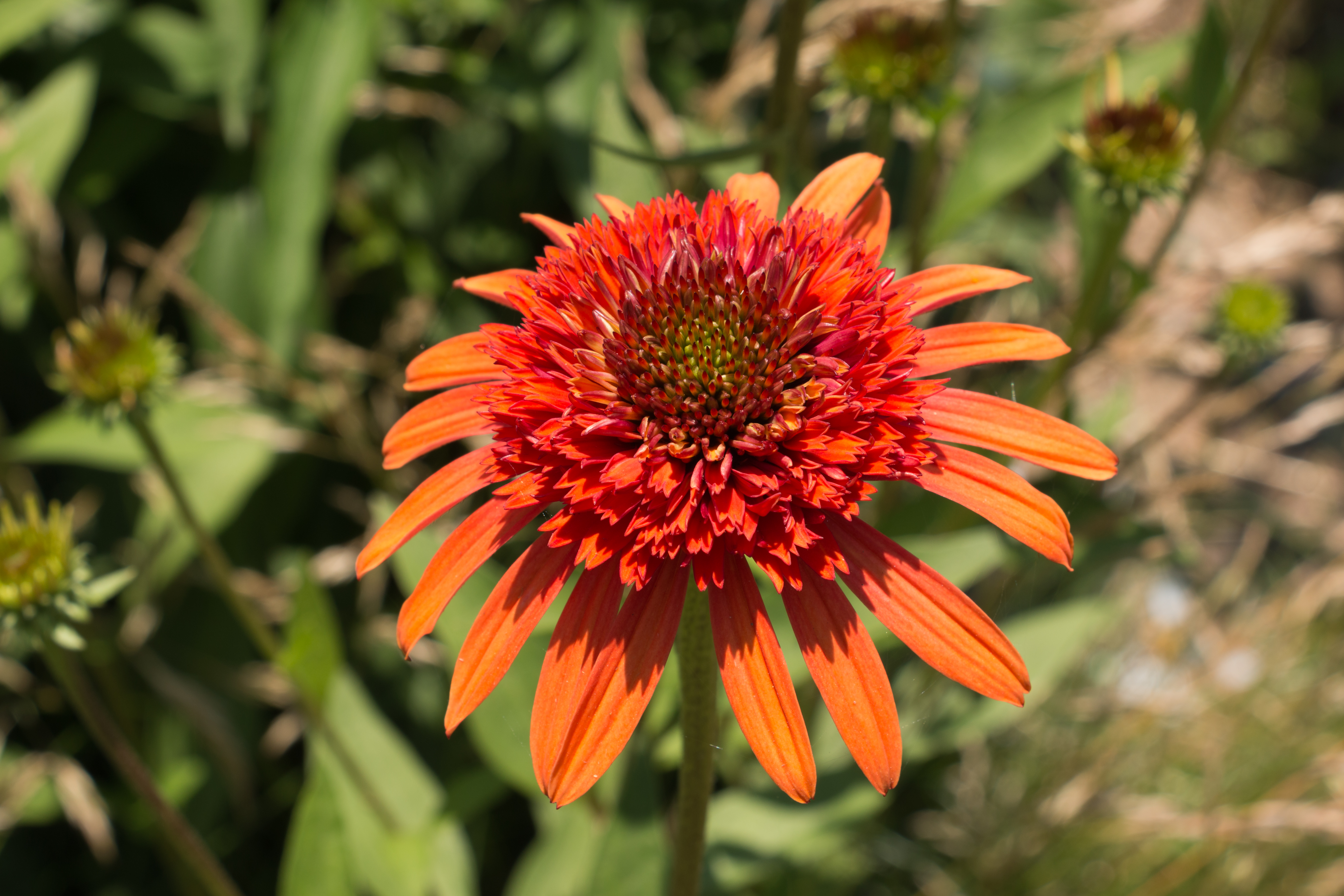
- {{Coneflower}}: Their coarse texture and sturdy stems make them unappealing.
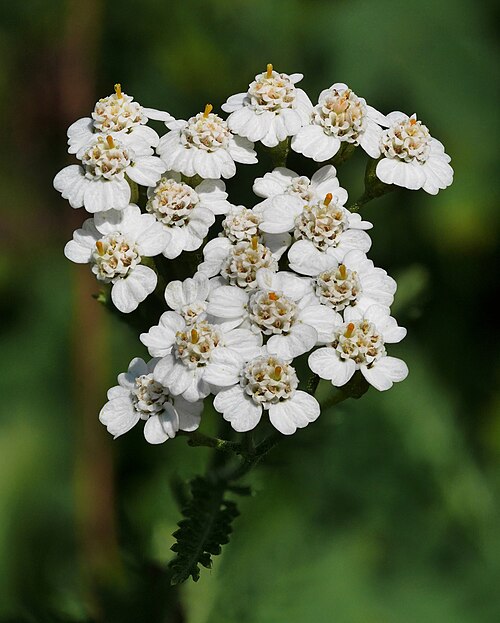
- {{Yarrow}}: Aromatic foliage and tough, drought-tolerant nature make yarrow a great choice.
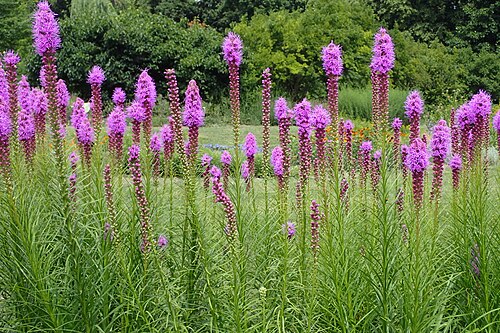
- {{Blazing Star}}: The tall, spiky flowers are generally left alone.
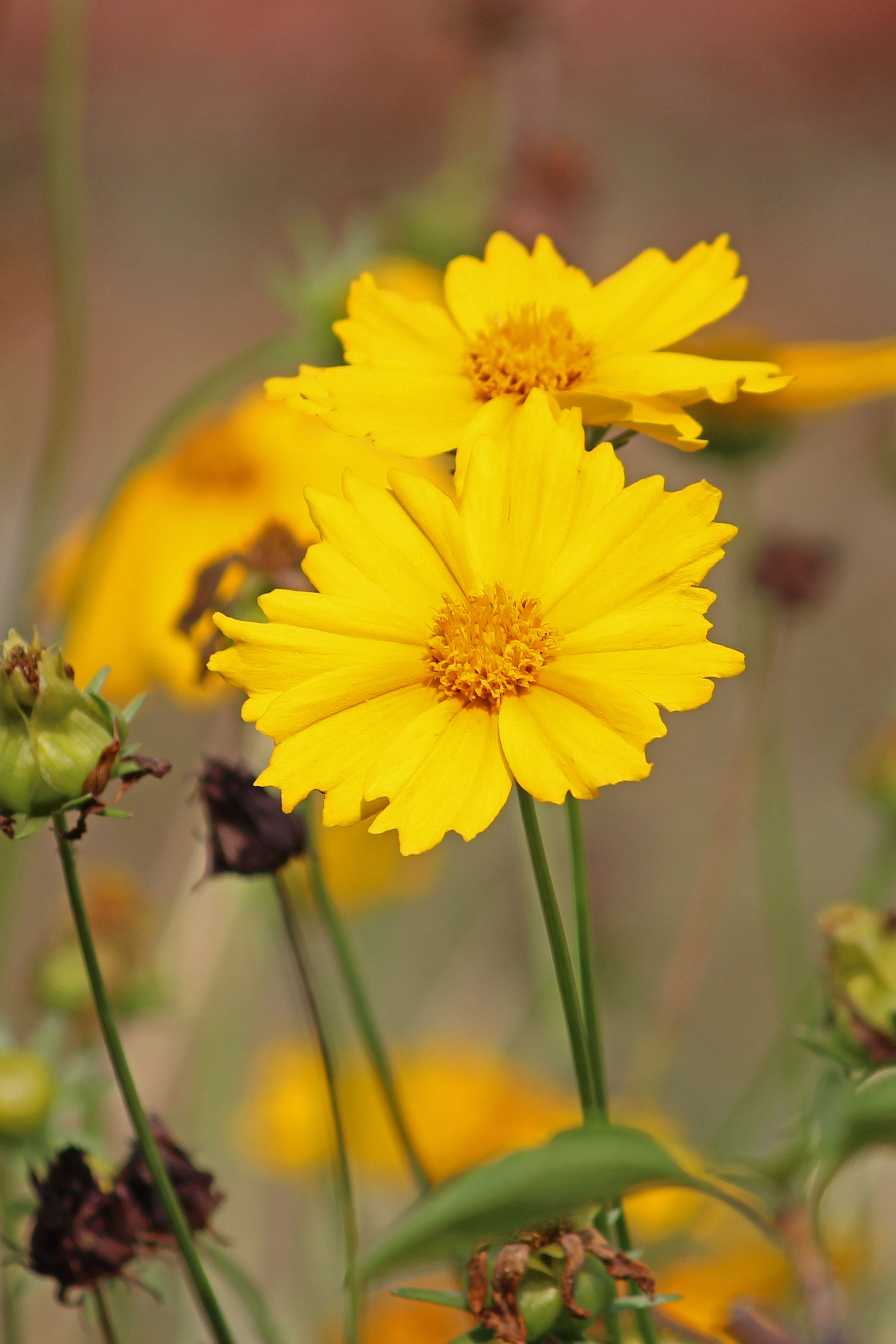
- {{Coreopsis}}: While deer might occasionally browse some varieties, they are generally low on their preference list.
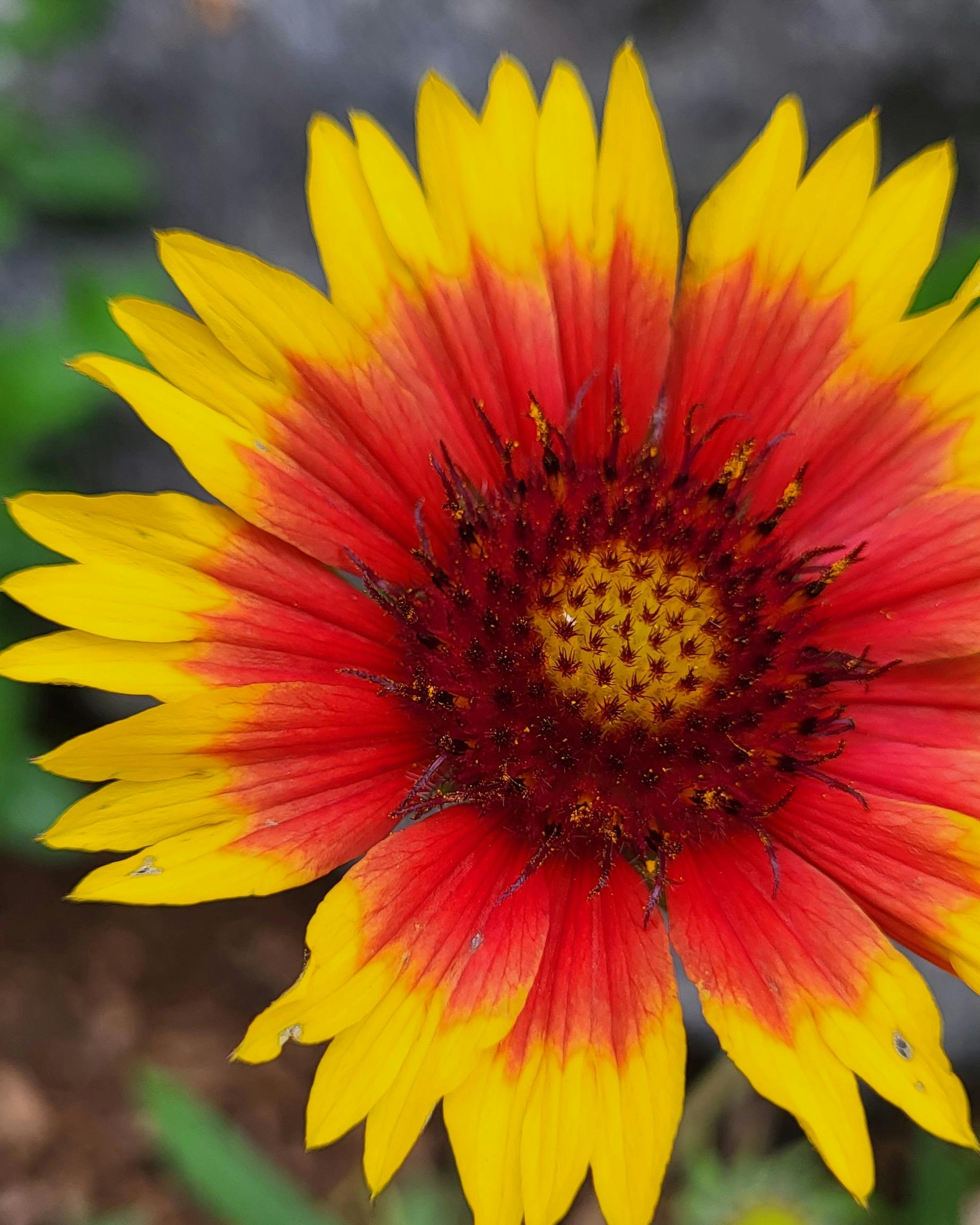
- {{Blanket Flower}}: Bright, cheerful, and usually ignored by deer.
- {{Catmint}}: Highly aromatic, this plant is a deer deterrent and a pollinator favorite.
Shrubs: Many woody shrubs like Boxwood, Spirea, and Forsythia are also considered deer resistant.
Annuals: Marigolds, Lantana, and Snapdragons are good choices for adding annual color without attracting deer.
Remember, the key is observation. Watch what the deer in your area are eating and adjust your planting strategy accordingly. A combination of deer-resistant plants and proactive protection methods will give you the best chance of enjoying a beautiful, undisturbed garden.
Ready to find the perfect plants for your yard? Try the PlantWise Plant Finder →