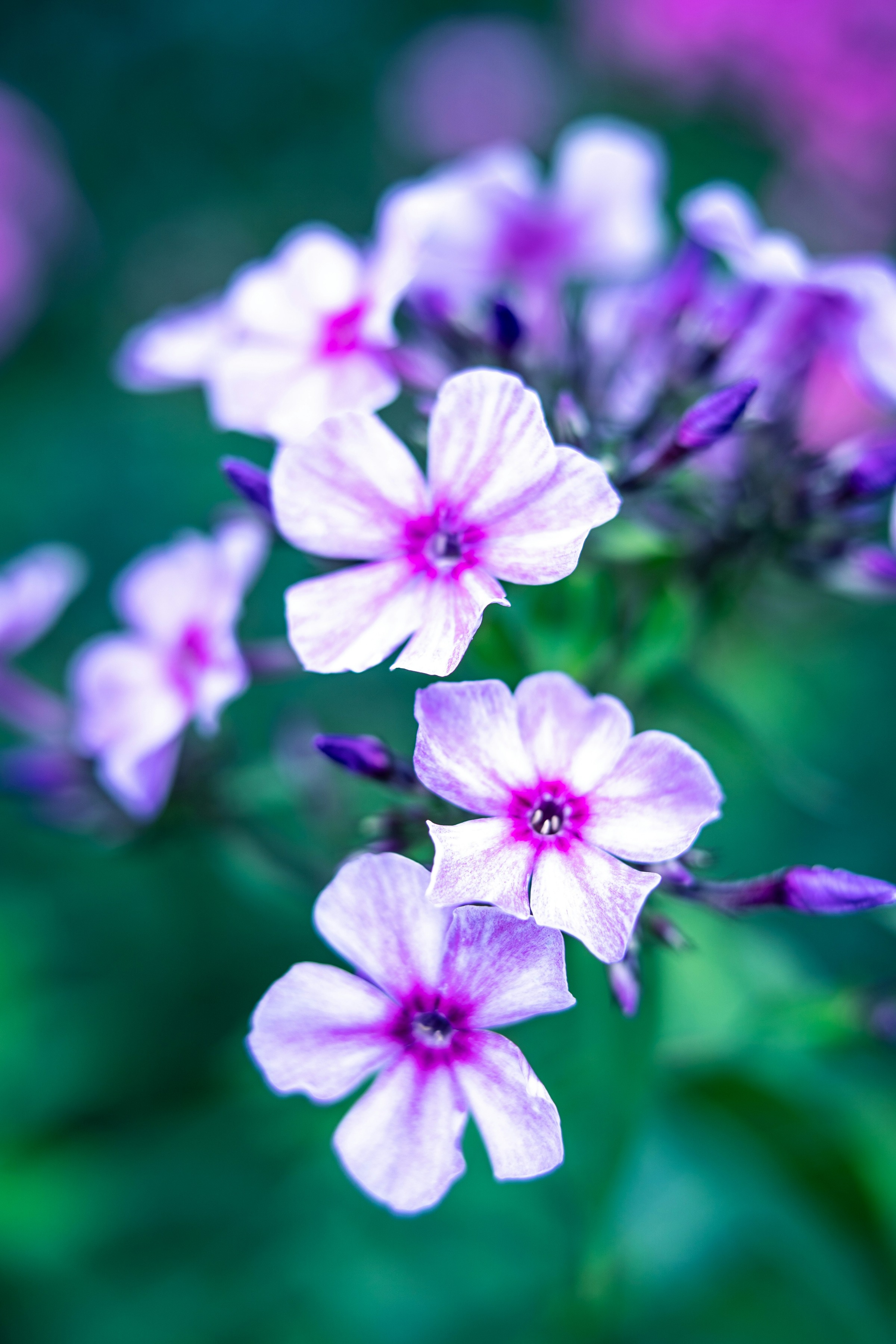
Is Phlox Deer Resistant? Complete Guide
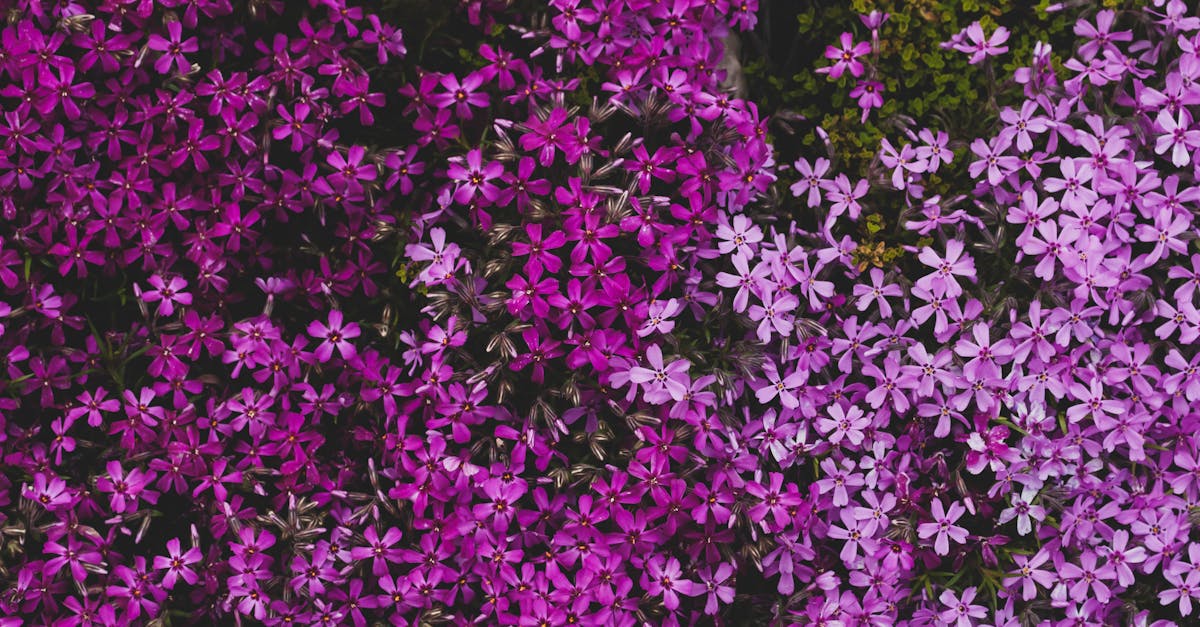
Phlox is a beloved genus of flowering plants, known for its vibrant blooms and often sweet fragrance, making it a popular choice for many gardeners. However, when it comes to deer resistance, the answer isn't a simple yes or no. Generally, phlox is considered to have moderate deer resistance, meaning it's not their top choice, but they might browse it, especially when other food sources are scarce. The level of resistance can vary significantly between different species and cultivars of phlox. While some types, like creeping phlox, are often left alone, others, particularly the tall garden phlox ( Phlox paniculata ), can be more susceptible to deer damage.
No plant is truly deer-proof, and a hungry deer will eat almost anything. However, by understanding which phlox varieties are less appealing and implementing other deterrent strategies, you can significantly reduce the chances of your beautiful phlox becoming a deer's dinner. Let's delve into the specifics to help you protect your blooms.
🌱 Get Personalized Plant Picks
Answer a few quick questions and we’ll match plants to your exact yard conditions.
Find My Plants →Which Phlox Varieties Are Most (and Least) Deer Resistant?
The Phlox genus is diverse, encompassing both perennial and annual varieties, with different growth habits and characteristics. This diversity also extends to their appeal to deer.
Generally More Deer Resistant Phlox Varieties:
- Creeping Phlox ( Phlox subulata ): This low-growing, mat-forming phlox is a spring favorite, covering slopes and rock gardens with a carpet of colorful blooms. Its small, needle-like leaves are generally less palatable to deer. It's often listed as "rarely damaged" by deer.
- Moss Phlox ( Phlox nivalis ): Similar to creeping phlox, this variety also forms dense mats and is typically ignored by deer.
- Wild Blue Phlox ( Phlox divaricata ): Also known as woodland phlox, this native species often grows in shaded areas and is usually passed over by deer. Its delicate, often light blue or lavender flowers are a welcome sight in spring.
Phlox Varieties with Moderate to Low Deer Resistance (More Susceptible):
- Tall Garden Phlox ( Phlox paniculata ): This is the most commonly grown perennial phlox, known for its large, fragrant flower clusters in summer. Unfortunately, its broad, tender leaves and succulent stems are often quite appealing to deer, especially the new growth. If you have deer pressure, this variety is likely to be browsed.
- Annual Phlox ( Phlox drummondii ): While not as widely planted as the perennial types, annual phlox can also be susceptible to deer browsing.
Quick Reference: Phlox Deer Resistance
| Phlox Type | Scientific Name | Deer Resistance Level | Notes |
|---|---|---|---|
| Creeping Phlox | Phlox subulata | High | Small, needle-like leaves; rarely browsed. |
| Moss Phlox | Phlox nivalis | High | Similar to creeping phlox; generally avoided. |
| Wild Blue Phlox | Phlox divaricata | High | Native woodland species; usually left alone. |
| Tall Garden Phlox | Phlox paniculata | Moderate to Low | Most susceptible, especially new growth and flower buds. |
| Annual Phlox | Phlox drummondii | Moderate to Low | Can be browsed, though less common in large plantings. |
Why Do Deer Eat Some Phlox But Not Others?
Deer are opportunistic feeders, and their preferences can be influenced by several factors:
- Texture: Deer generally prefer plants with tender, broad leaves over those with tough, leathery, or needle-like foliage. This is why creeping phlox, with its small, somewhat prickly leaves, is often less appealing than the softer leaves of tall garden phlox.
- Scent: Some plants emit strong scents that deer find unappealing. While phlox has a lovely fragrance to humans, it doesn't seem to be a consistent deterrent for deer across all varieties.
- Availability: When natural food sources are abundant, deer are pickier. However, during harsh winters, droughts, or in areas with high deer populations, they will browse almost any plant, including those they typically avoid.
- New Growth: Tender new shoots and flower buds are often the most attractive parts of any plant to deer, as they are packed with nutrients and are easy to digest.
How Can I Protect My Phlox from Deer?
Even if you choose a more deer-resistant phlox variety, it's wise to employ additional strategies, especially if you live in an area with significant deer pressure.
Physical Barriers:
- Fencing: The most effective way to deter deer is a physical barrier. A fence at least 8 feet tall is generally required to keep deer out of a specific area. Shorter, angled fences can also be effective.
- Netting: For individual plants or small beds, you can temporarily drape netting over your phlox, especially during periods of high deer activity or when new growth is emerging.
Deer Repellents:
- Scent-based repellents: These products work by emitting odors that deer find offensive (e.g., rotten eggs, garlic, putrefied meat). They need to be reapplied regularly, especially after rain.
- Taste-based repellents: These make the plant taste bad to deer. They are often combined with scent repellents.
- Homemade remedies: Some gardeners swear by things like bars of strong-smelling soap hung from stakes, human hair, or predator urine, but their effectiveness can vary greatly and may not last long.
Companion Planting:
Strategic Placement:
- If possible, plant your most susceptible phlox varieties closer to your house or in areas that are frequently visited by people or pets, as deer are generally more wary of these locations.
Vary Your Tactics:
- Deer can become accustomed to single deterrents. It's often most effective to rotate different types of repellents or combine strategies (e.g., repellent spray and a motion-activated sprinkler).
What Are Good Deer-Resistant Alternatives to Phlox?
If you're looking for vibrant, long-blooming flowers that deer are less likely to bother, there are many excellent choices that can provide similar color and texture to phlox.
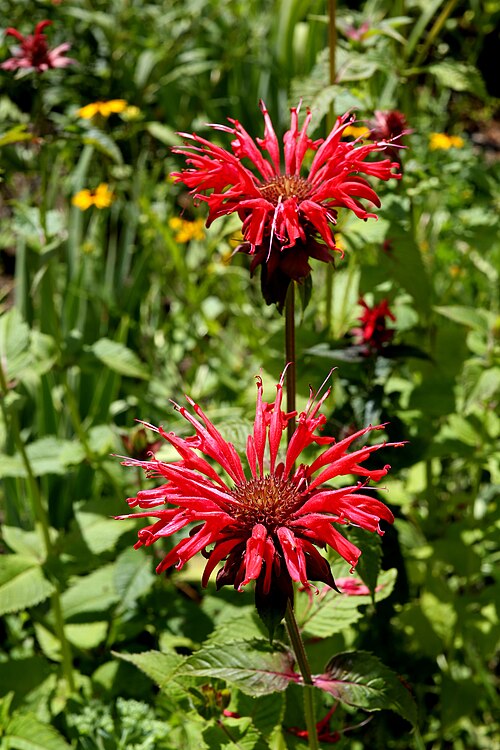
- Bee Balm ( Monarda didyma ): {{bee-balm}} Known for its unique, shaggy flowers and minty fragrance, bee balm is rarely bothered by deer. It also attracts hummingbirds and butterflies.
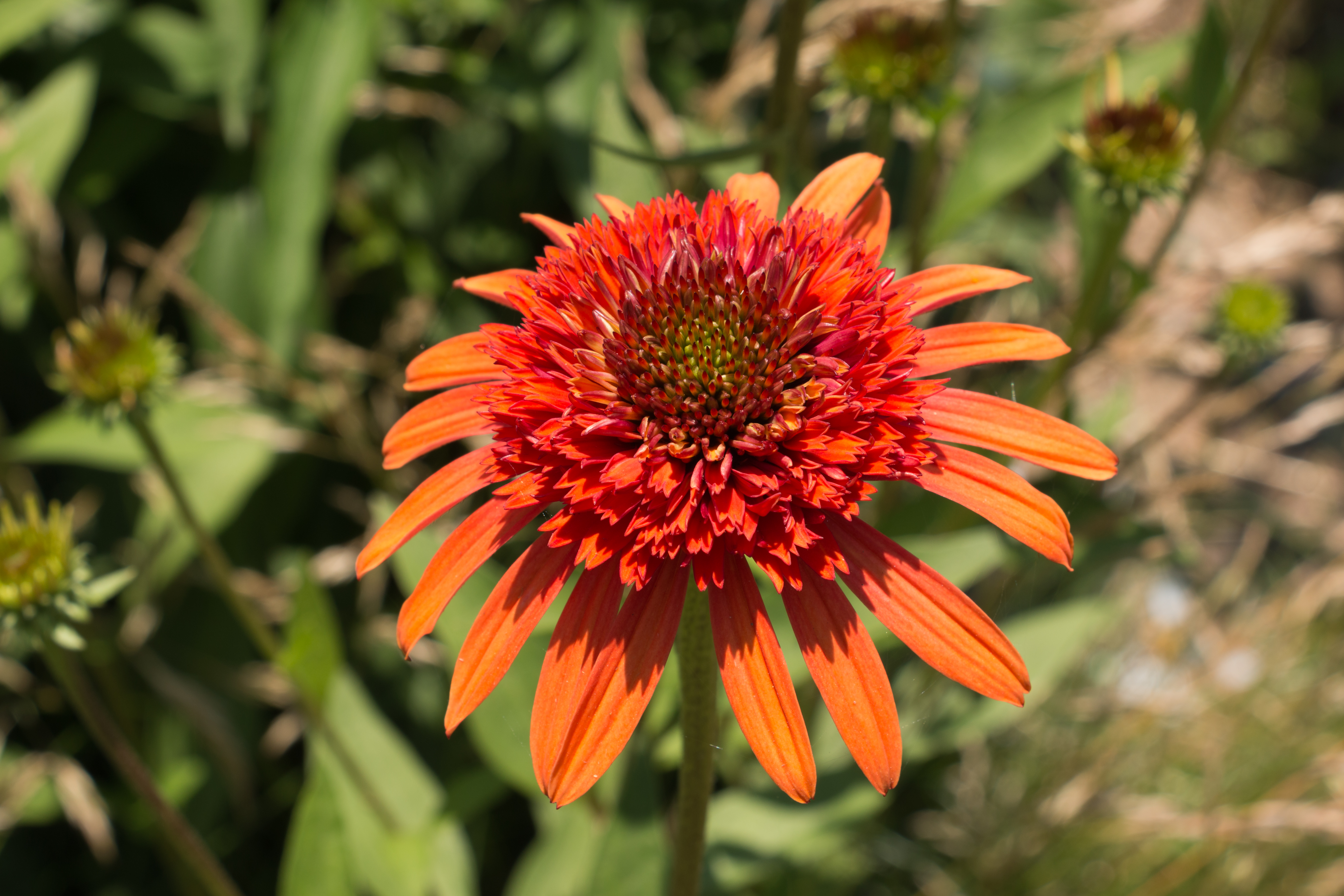
- Coneflower ( Echinacea purpurea ): {{coneflower}} These daisy-like flowers are a staple in sunny gardens and are generally ignored by deer. They offer long-lasting blooms and are drought-tolerant once established.
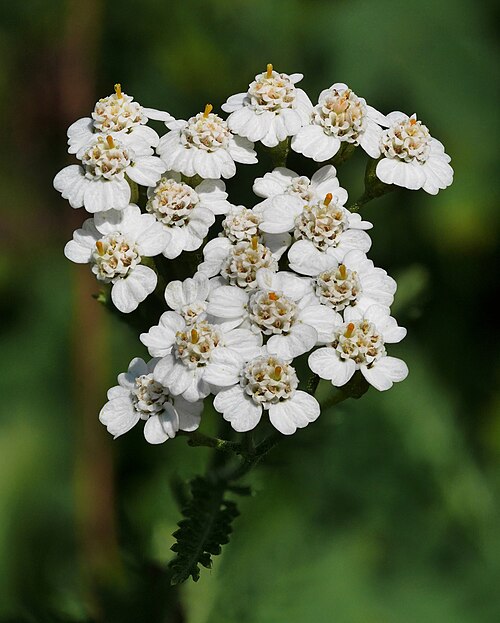
- Yarrow ( Achillea millefolium ): {{yarrow}} With its feathery foliage and flat-topped flower clusters, yarrow is highly deer resistant and comes in a range of colors.
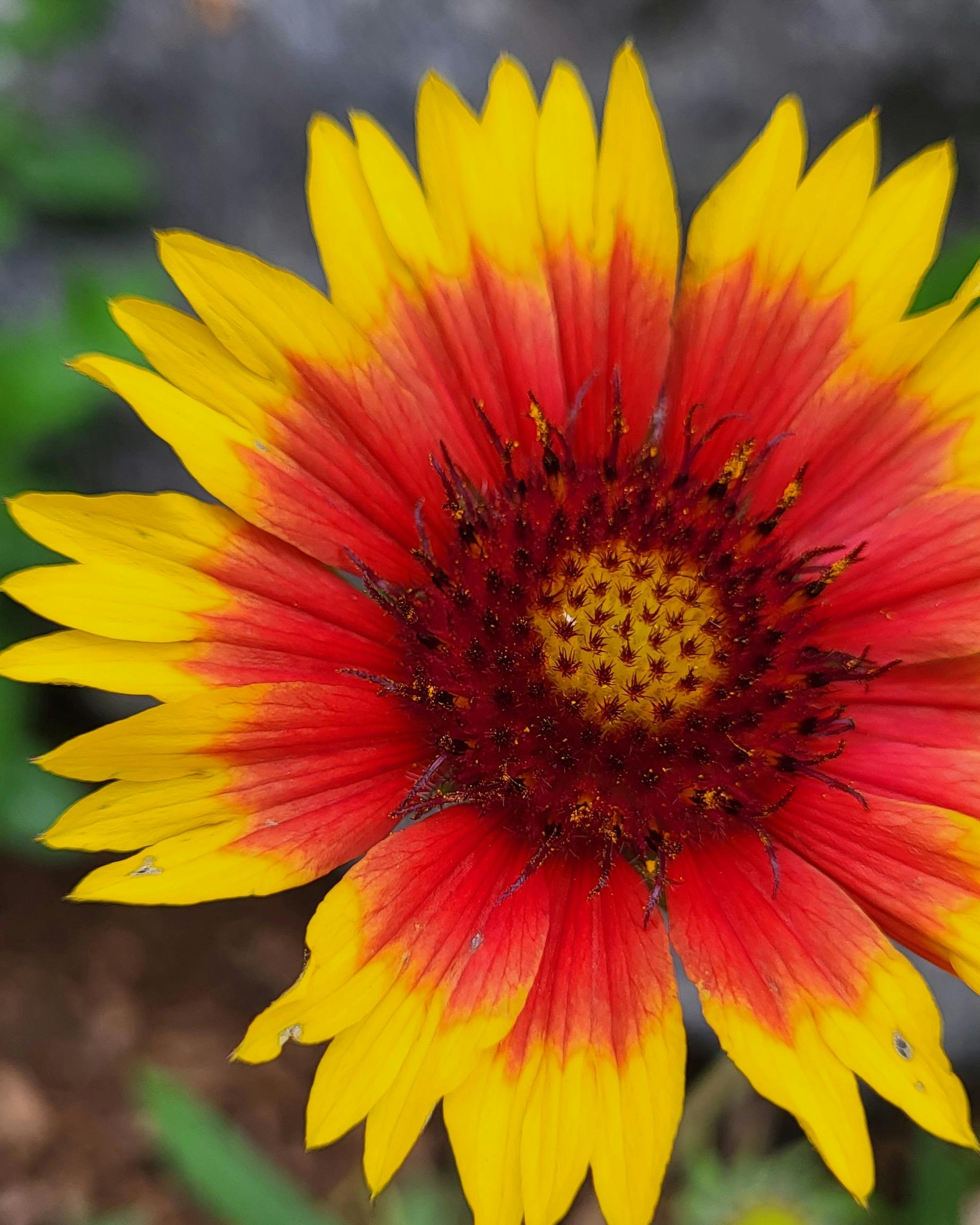
- Blanket Flower ( Gaillardia ): {{blanket-flower}} Bright, cheerful, and incredibly tough, blanket flowers are known for their long blooming season and are typically left alone by deer.
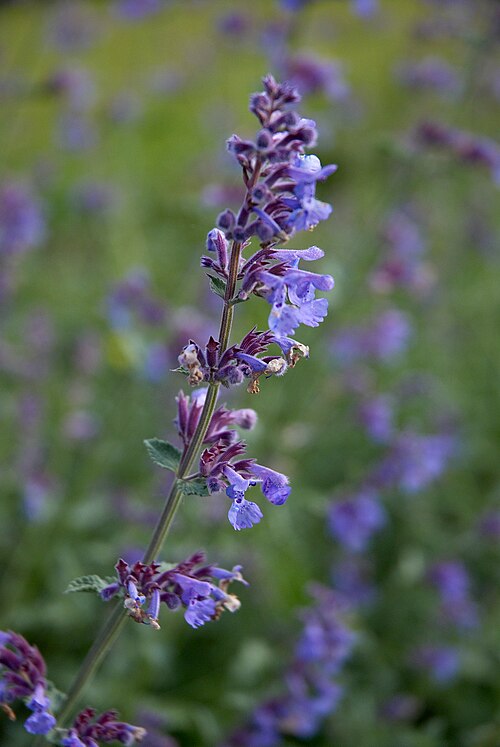
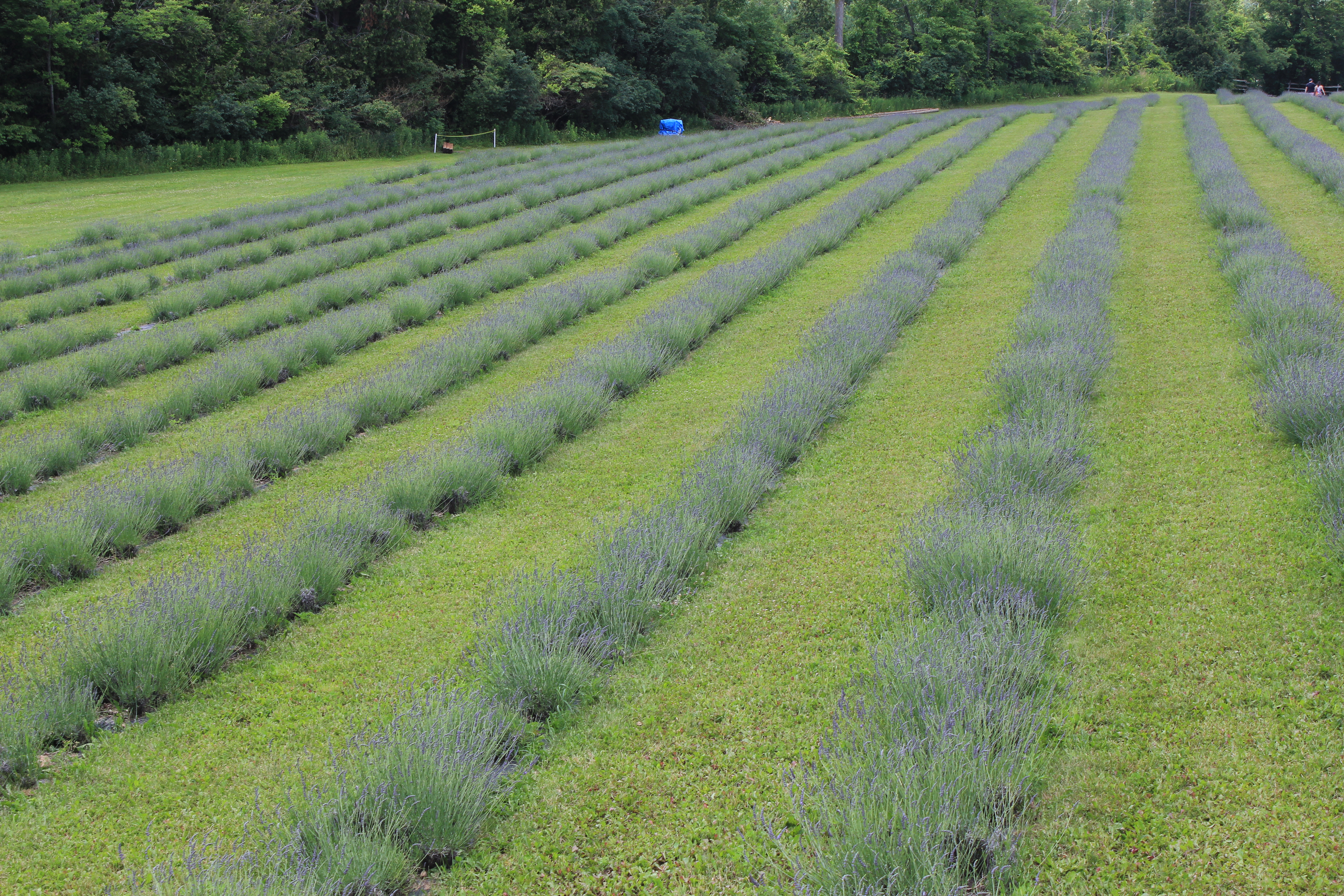
- Catmint ( Nepeta ): {{catmint}} This plant's aromatic foliage is a strong deterrent to deer. It produces masses of lavender-blue flowers for months on end.
While some phlox varieties are more resistant than others, it's always best to be proactive if you have deer in your area. By understanding their preferences and employing a few protective measures, you can enjoy the beauty of phlox in your garden without constant worry.
Ready to find the perfect plants for your yard? Try the PlantWise Plant Finder →