Is Pothos Safe for Dogs? Complete Guide
As a dog owner, ensuring the safety of your furry friend is always a top priority, especially when it comes to the plants in your home and garden. Pothos ( Epipremnum aureum ), also known as Devil's Ivy, is a ubiquitous and beloved houseplant, famous for its trailing vines and easy-care nature. However, when it comes to canine companions, the answer to "Is Pothos safe for dogs?" is a definitive no. The ASPCA lists Pothos as toxic to dogs due to the presence of insoluble calcium oxalates. Ingesting any part of the plant can cause a range of unpleasant symptoms for your pet.
Understanding the risks and knowing how to prevent exposure is crucial for any dog owner who loves this popular houseplant. In this guide, we'll delve into why Pothos is harmful, what symptoms to look for, and how to create a pet-safe environment without sacrificing your love for indoor greenery.
🌱 Get Personalized Plant Picks
Answer a few quick questions and we’ll match plants to your exact yard conditions.
Find My Plants →Why is Pothos Toxic to Dogs?
The toxicity of Pothos stems from microscopic, needle-shaped crystals called insoluble calcium oxalates. These crystals are present in all parts of the plant - leaves, stems, and roots. When a dog chews on or ingests Pothos, these sharp crystals are released and embed themselves into the tissues of the mouth, throat, esophagus, and digestive tract.
This mechanical irritation is what causes the immediate and often painful symptoms. It's not a systemic toxin that affects organs like the liver or kidneys, but rather a direct irritant that can cause significant discomfort and inflammation.
What Happens if a Dog Eats Pothos? Symptoms to Watch For
The symptoms of Pothos ingestion in dogs typically appear quickly due to the immediate irritation caused by the calcium oxalate crystals. The severity of the symptoms can vary depending on the amount of plant material consumed and the dog's sensitivity.
Common symptoms include:
- Oral Irritation: Intense burning and irritation of the mouth, tongue, and lips. Your dog might paw at their mouth, drool excessively, or refuse to eat or drink.
- Vomiting: The irritation can extend to the esophagus and stomach, leading to nausea and vomiting.
- Difficulty Swallowing: Swelling and pain in the throat can make swallowing difficult or painful.
- Decreased Appetite: Due to oral pain and discomfort, your dog may lose interest in food.
- Swelling: Visible swelling of the mouth, tongue, or lips.
While these symptoms are generally not life-threatening, they can be very distressing for your pet and require prompt attention.
Quick Reference: Pothos Toxicity
| Feature | Detail |
|---|---|
| Plant Name | Pothos (Epipremnum aureum), Devil's Ivy |
| Toxic Component | Insoluble Calcium Oxalates |
| Toxic Parts | All parts (leaves, stems, roots) |
| Symptoms | Oral irritation, intense burning, excessive drooling, pawing at mouth, vomiting, difficulty swallowing, swelling |
| Severity | Generally mild to moderate, but can be very uncomfortable. Rarely fatal, but veterinary attention is needed. |
My Dog Ate Pothos - What Should I Do?
If you suspect your dog has ingested Pothos, it's important to act quickly and calmly.
- Remove any remaining plant material: Gently remove any pieces of Pothos from your dog's mouth or fur to prevent further ingestion.
- Observe your dog: Note any immediate symptoms like drooling, pawing at the mouth, or vomiting.
- Contact your veterinarian or animal poison control: This is the most crucial step. Even if your dog isn't showing severe symptoms, it's best to get professional advice. They can guide you on whether to induce vomiting (which is usually not recommended for calcium oxalate ingestion as it can cause further irritation) or if an immediate vet visit is necessary.
If you suspect your pet has ingested a toxic plant, call the ASPCA Animal Poison Control Center immediately at (888) 426-4435.
Your vet may recommend supportive care, such as flushing the mouth with water, administering anti-inflammatory medication, or providing fluids if your dog is dehydrated from vomiting.
How Can I Keep My Pothos and My Dog Safe?
Living with Pothos and a curious canine requires proactive measures. Here are some strategies to minimize risk:
- Placement is Key: The most effective method is to place your Pothos plants completely out of your dog's reach. This means high shelves, hanging baskets, or rooms that are inaccessible to your pet. Remember that Pothos vines can trail several feet, so ensure the trailing parts are also out of reach.
- Training: Teach your dog the "leave it" command. This can be invaluable for preventing them from investigating plants or other forbidden items.
- Deterrents: Some pet owners use bitter-tasting sprays (specifically designed for plants and pets) on plant leaves to discourage chewing. However, these are not foolproof and should be used in conjunction with other methods.
- Supervision: Always supervise your dog, especially if they are prone to chewing or are new to your home.
- Provide Alternatives: Ensure your dog has plenty of appropriate chew toys and mental stimulation to prevent boredom, which can sometimes lead to destructive chewing.
Are There Any Dog-Friendly Alternatives to Pothos?
Absolutely! If you're looking for trailing plants or easy-care houseplants that offer a similar aesthetic to Pothos but are not listed as toxic to dogs, you have several excellent options. Here are a few popular choices:
- Spider Plant (Chlorophytum comosum): These popular plants are incredibly easy to care for and produce "spiderettes" that trail beautifully. They are not listed as toxic to dogs by the ASPCA.
- Boston Fern (Nephrolepis exaltata): A classic, lush fern that adds a touch of green elegance. Not listed as toxic to dogs.
- Prayer Plant (Maranta leuconeura): Known for its striking foliage and habit of folding its leaves at night. Not listed as toxic to dogs.
- Friendship Plant (Pilea involucrata): A small, textured plant with beautiful bronze-green leaves. Not listed as toxic to dogs.
- **African Violet (Saintpaulia spp.)**: If you're looking for a flowering plant, African violets are compact, beautiful, and not listed as toxic to dogs.
For outdoor options, consider these beautiful and generally pet-friendly choices:
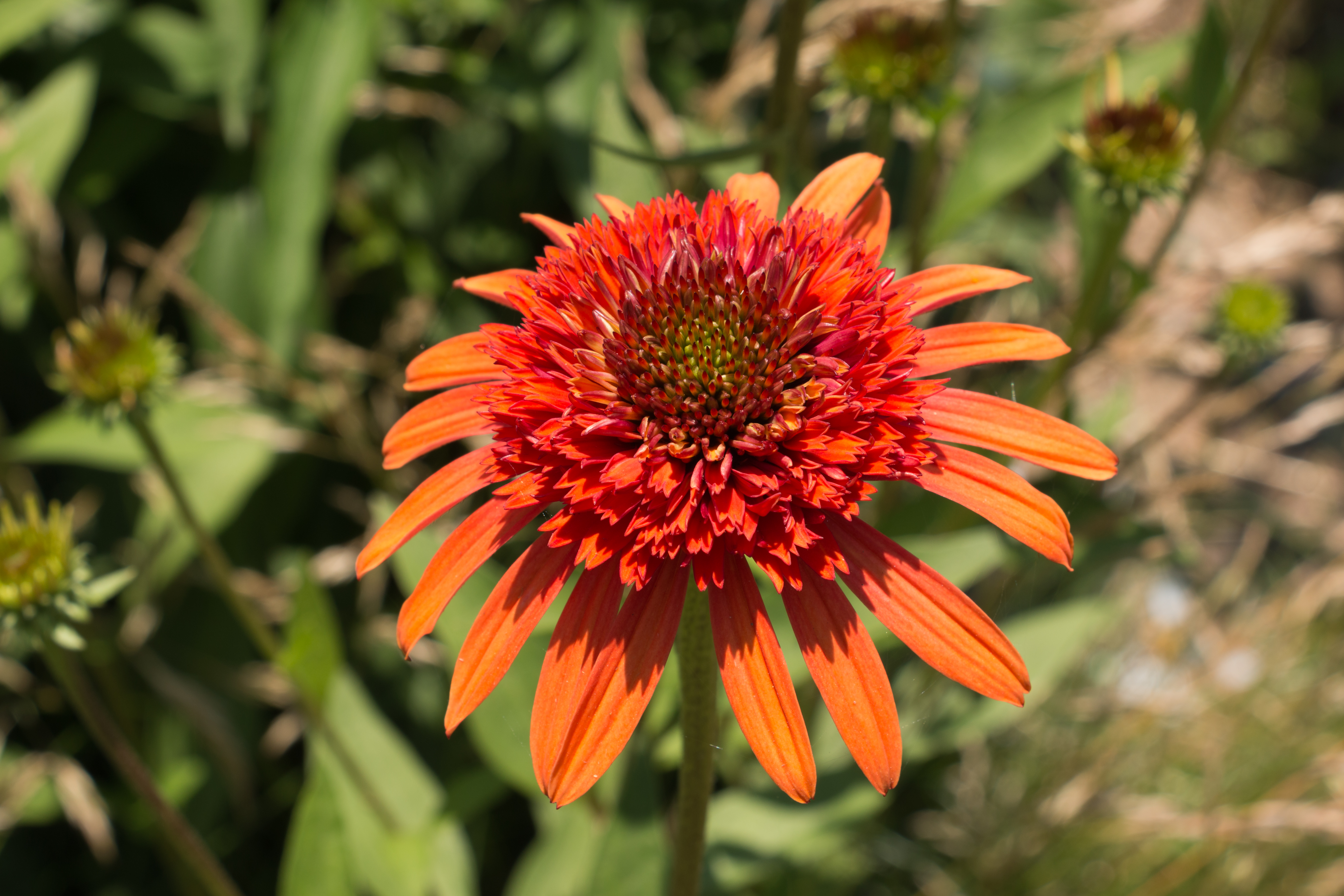
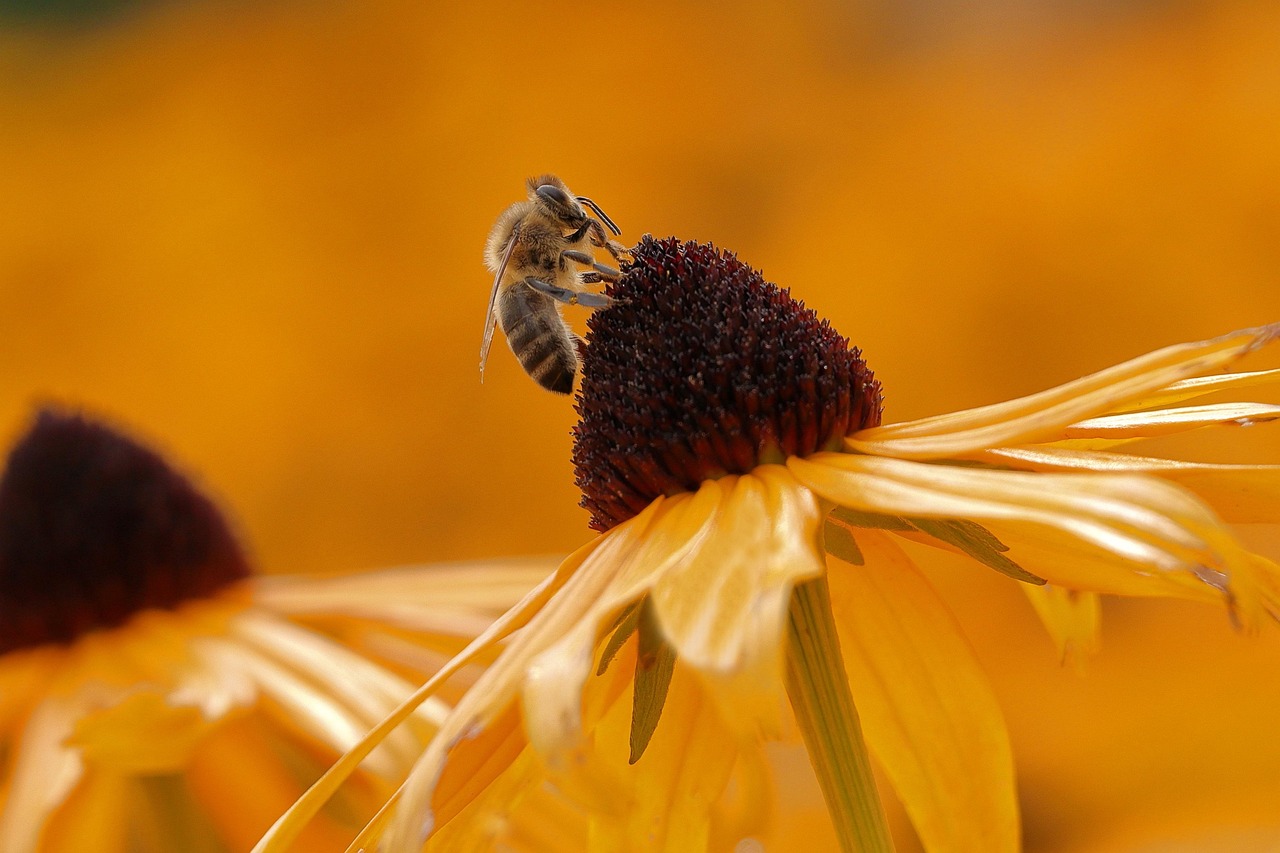
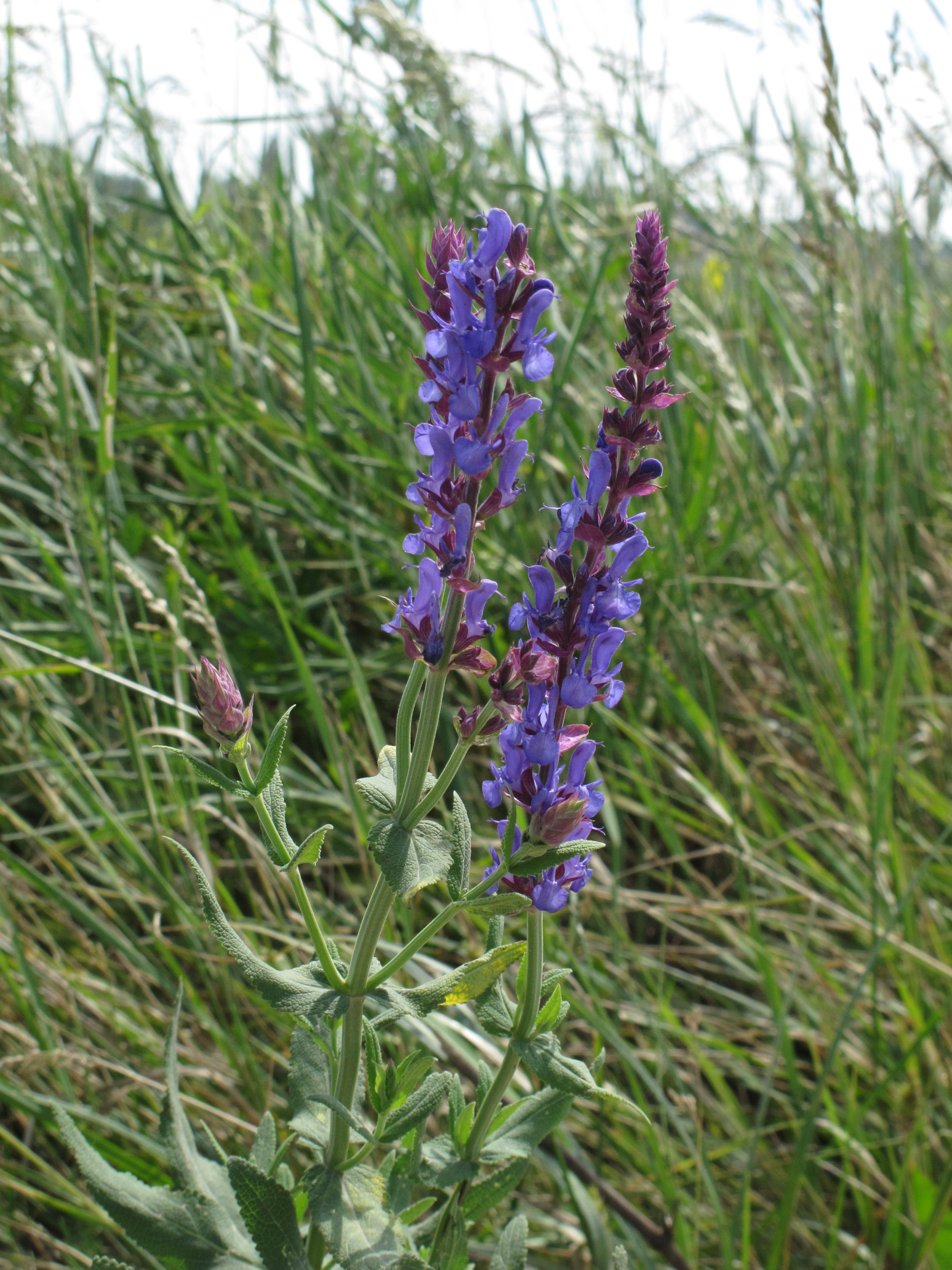
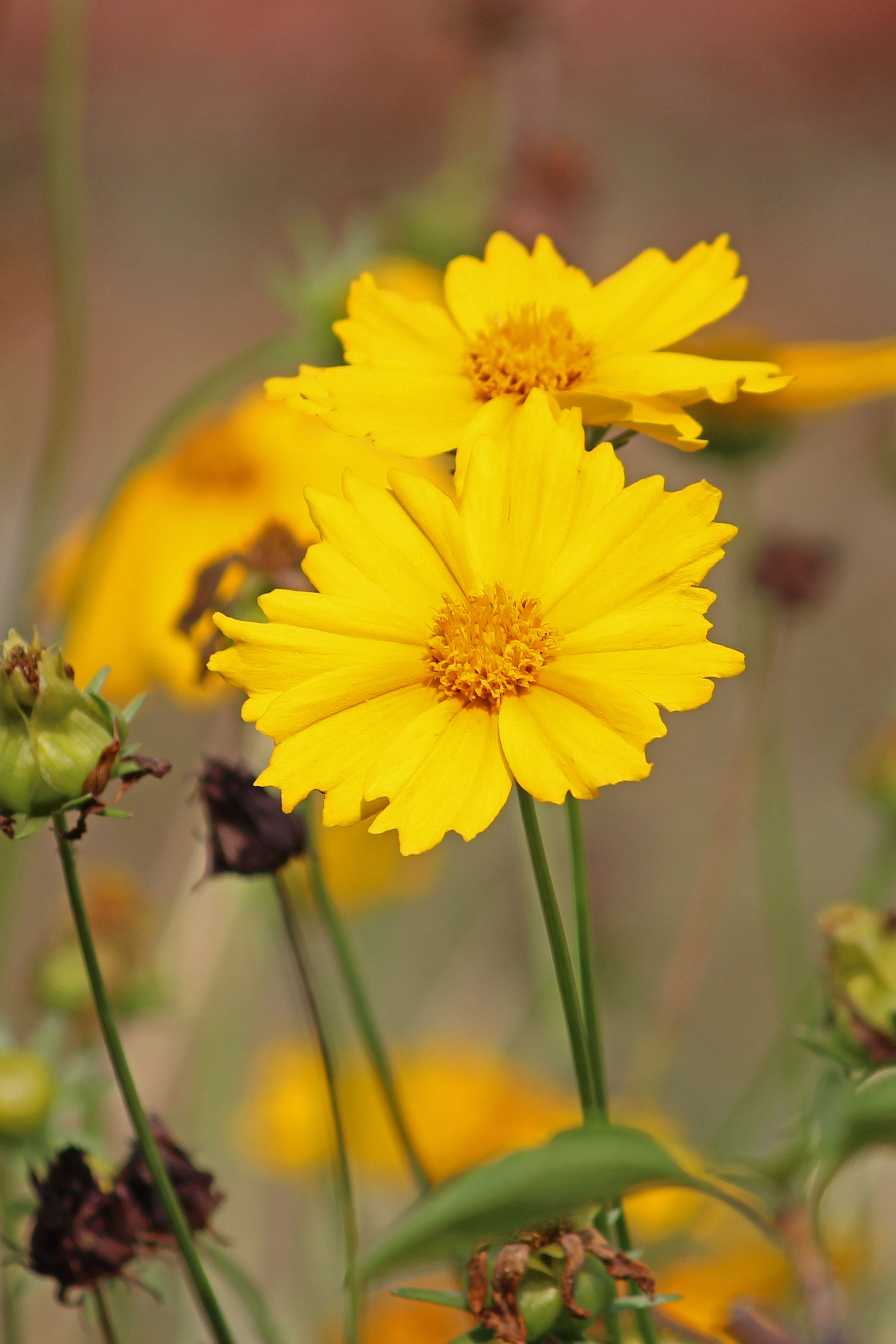
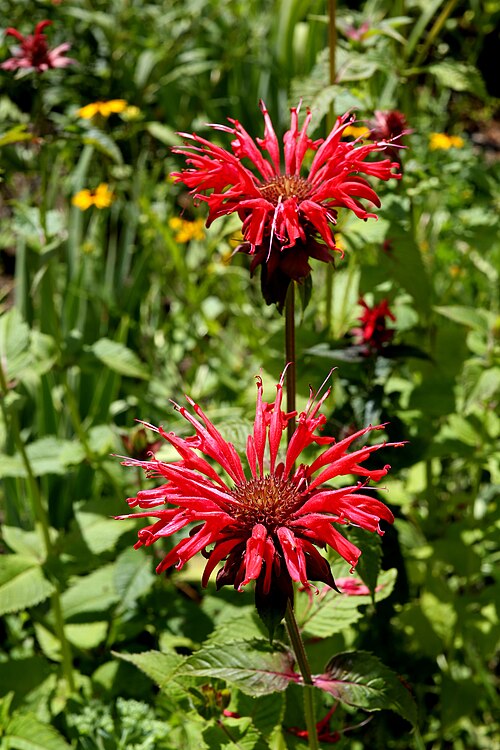
Coneflower Black-eyed Susan Bee Balm Salvia Coreopsis
While these plants are generally considered safer, it's always a good practice to supervise your pet around any plant and consult reliable sources like the ASPCA for the most up-to-date information. Even "safe" plants can cause mild stomach upset if consumed in large quantities.
In conclusion, while Pothos is a beautiful and low-maintenance houseplant, its toxicity to dogs means it requires careful management in a pet-owning household. By understanding the risks, knowing the symptoms, and implementing preventative measures, you can ensure both your beloved plants and your furry family members thrive safely.
Ready to find the perfect plants for your yard? Try the PlantWise Plant Finder →