Is Rosemary Safe for Dogs? Complete Guide
As gardeners and pet parents, we often find ourselves wondering about the safety of our beloved plants for our furry friends. When it comes to rosemary, the good news is that Rosmarinus officinalis is not listed as toxic to dogs by the ASPCA. This aromatic herb, cherished for its culinary and ornamental value, can generally be considered safe for dogs in small quantities. While it's not known to cause severe poisoning, moderation is always key, and large ingestions could potentially lead to mild digestive upset. Understanding how to incorporate rosemary into your garden safely, and what to do if your dog eats a significant amount, is crucial for every pet owner.
🌱 Get Personalized Plant Picks
Answer a few quick questions and we’ll match plants to your exact yard conditions.
Find My Plants →What are the Benefits and Risks of Rosemary for Dogs?
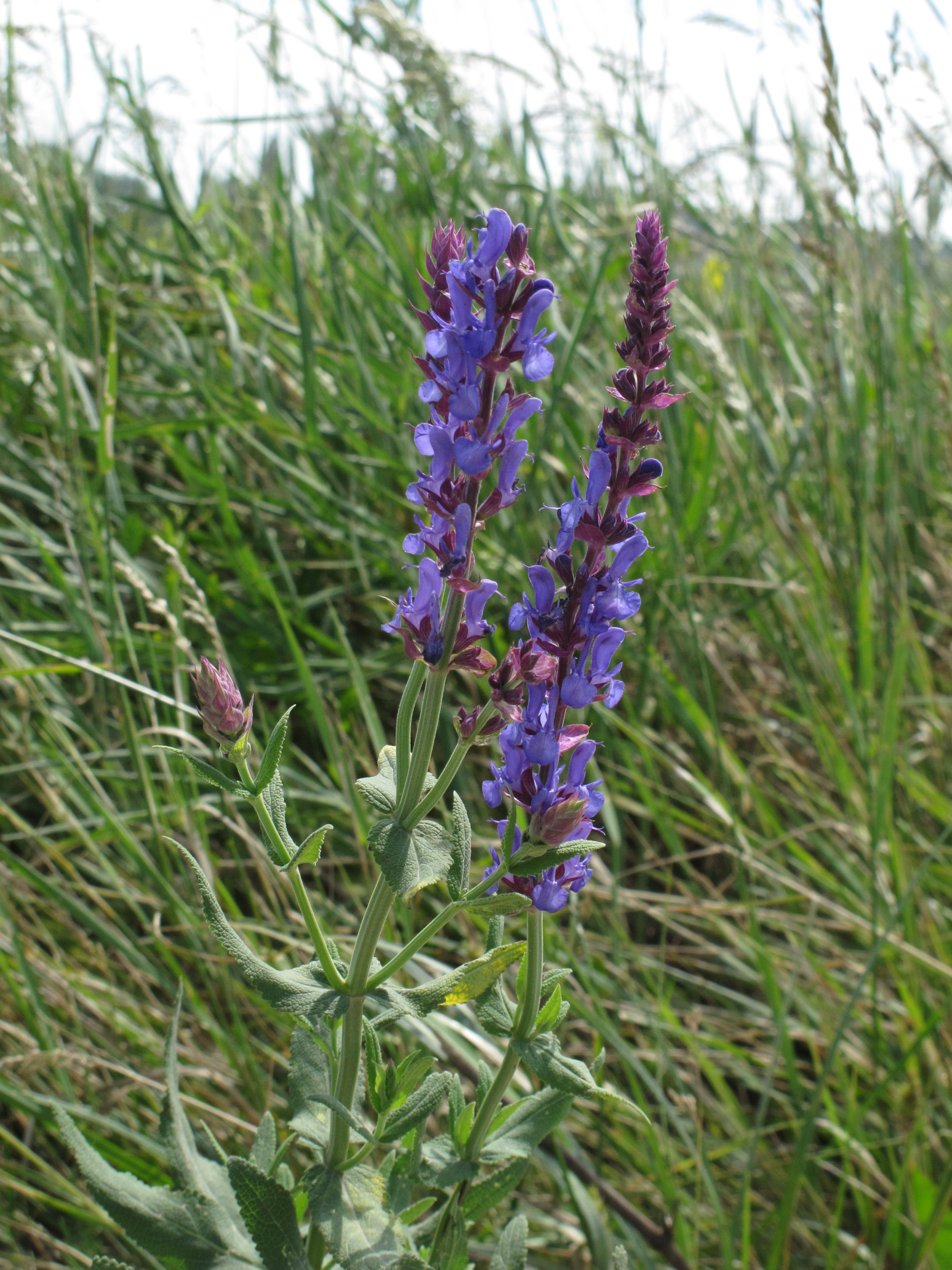
Rosemary (
), a fragrant evergreen shrub, is a popular herb in many gardens due to its culinary uses and attractive appearance. While generally considered safe, it's important to understand both its potential benefits and any risks for your canine companions.
Potential Benefits: Historically, rosemary has been used in various forms for its purported health benefits. For dogs, some pet food manufacturers include rosemary extract as a natural preservative due to its antioxidant properties. These antioxidants can help combat free radicals in the body, potentially supporting overall cellular health. Some holistic veterinarians and pet owners also use rosemary in small amounts for its anti-inflammatory properties or to help with bad breath, though scientific evidence specifically for these uses in dogs is limited and not widely endorsed by veterinary medicine for direct supplementation without professional guidance.
Potential Risks (in large quantities): While rosemary is not listed as toxic, "safe" does not mean "eat all you want." The primary concern with dogs ingesting large amounts of rosemary is gastrointestinal upset. This can manifest as:
- Vomiting: Your dog might throw up if their stomach is irritated.
- Diarrhea: Loose stools can occur due to digestive distress.
- Lethargy: A dog experiencing stomach upset might seem less energetic than usual.
These symptoms are typically mild and resolve on their own once the rosemary has passed through their system. However, if symptoms are severe or persist, veterinary attention is recommended.
Important Note on Essential Oils: It's crucial to differentiate between the fresh or dried herb and concentrated rosemary essential oil. Essential oils are highly potent and can be toxic to dogs, whether ingested, applied topically, or even inhaled in high concentrations. Never use rosemary essential oil on or around your dog without explicit veterinary guidance. The information in this post pertains to the plant material itself.
How Can I Safely Grow Rosemary in a Dog-Friendly Garden?
Incorporating rosemary into your garden while ensuring your dog's safety is quite manageable. Here are some practical tips:
- Strategic Placement: Consider planting rosemary in areas that are less accessible to your dog. Raised garden beds, containers on elevated surfaces, or behind a low fence can deter casual nibbling. If you have a designated "dog run" area, keep rosemary out of that space.
- Supervision: Especially with puppies or new dogs, supervise them in the garden. This allows you to redirect them if they show too much interest in munching on plants.
- Offer Alternatives: Provide your dog with plenty of appropriate chew toys and dog-safe plants in their accessible areas. Some dogs chew plants out of boredom or curiosity.
- Training: Teach your dog commands like "leave it" or "drop it." This can be invaluable for preventing them from eating anything undesirable in the garden.
- Pruning: Regularly prune your rosemary to keep it tidy. This also helps remove any dead or low-hanging branches that might be more tempting for a dog to chew on.
- Avoid Pesticides/Herbicides: If you're growing rosemary for culinary use or just as an ornamental, avoid using chemical pesticides or herbicides that could be harmful to your dog if they ingest the plant. Opt for organic pest control methods if needed.
Remember, the goal isn't to create a sterile environment, but a balanced one where both your garden and your dog can thrive.
What Should I Do If My Dog Eats Rosemary?
If you notice your dog has eaten some rosemary, don't panic. Here's a step-by-step guide:
- Assess the Amount: Try to estimate how much rosemary your dog ingested. A few leaves are likely harmless, but a significant portion of the plant might warrant closer observation.
- Observe for Symptoms: Watch your dog closely for any signs of gastrointestinal upset, such as vomiting, diarrhea, lethargy, or loss of appetite. These symptoms usually appear within a few hours.
- Provide Fresh Water: Ensure your dog has access to plenty of fresh water to help with hydration, especially if they experience vomiting or diarrhea.
- Contact Your Vet:
- If your dog ate a large amount.
- If they are showing any symptoms of illness.
- If you are at all concerned.
- If you suspect your pet has ingested a toxic plant, call the ASPCA Animal Poison Control Center immediately at (888) 426-4435.
Your veterinarian can provide the best advice based on your dog's size, the amount ingested, and their overall health. In most cases of rosemary ingestion, supportive care for mild digestive upset is all that's needed.
Quick Reference: Rosemary & Dogs
| Feature | Details
The PlantWise team is excited to share insights on rosemary's safety for dogs, a common question for many pet-owning gardeners.
Is Rosemary Safe for Dogs?
Yes, rosemary (Rosmarinus officinalis) is not listed as toxic to dogs by the ASPCA. This means that if your dog ingests a small amount of the herb, it's generally not expected to cause severe poisoning. However, "not toxic" does not mean it's entirely without potential for mild issues, especially if consumed in large quantities.
For featured snippet targeting: Rosemary is generally considered safe for dogs in small amounts. The ASPCA does not list Rosmarinus officinalis as toxic to canines. While not poisonous, excessive ingestion can lead to mild gastrointestinal upset.
What Happens if a Dog Eats Too Much Rosemary?
While rosemary is not listed as toxic, consuming a large quantity of any plant material can cause digestive upset in dogs. If your dog eats a significant amount of rosemary, you might observe symptoms such as:
- Vomiting: The most common reaction to stomach irritation.
- Diarrhea: Loose stools can occur due to digestive distress.
- Abdominal Pain: Your dog might seem uncomfortable, restless, or reluctant to eat.
- Lethargy: A general lack of energy or enthusiasm.
These symptoms are usually mild and self-limiting, meaning they should resolve on their own within a day or two as the rosemary passes through your dog's system. However, if symptoms are severe, persistent, or if your dog is particularly small or has underlying health conditions, it's always best to contact your veterinarian.
A critical distinction: This information applies to the fresh or dried herb. Rosemary essential oil is highly concentrated and can be toxic to dogs. Never administer essential oils internally or topically to your dog without explicit guidance from a veterinarian. Diffusing essential oils in an enclosed space can also be problematic for pets.
Are There Any Benefits to Rosemary for Dogs?
Rosemary has been used for centuries in traditional medicine and is known for its antioxidant and anti-inflammatory properties. Some commercial dog foods and supplements include rosemary extract, primarily as a natural preservative due to its antioxidant capabilities, which can help prevent spoilage and support cellular health.
However, directly feeding your dog large amounts of rosemary from your garden for perceived health benefits is not recommended without veterinary consultation. While small amounts might not be harmful, the benefits of significant dietary inclusion are not well-established for dogs, and potential risks of overconsumption outweigh unproven advantages. Always consult your vet before adding any new herbs or supplements to your dog's diet.
How Can I Keep My Dog Safe Around Garden Rosemary?
Even though rosemary isn't listed as toxic, taking precautions in a shared garden space is always a good idea.
- Observe Your Dog's Habits: Some dogs are notorious plant nibblers, while others show no interest. Understanding your dog's tendencies will help you determine the level of supervision needed.
- Strategic Planting: If your dog is a known plant chewer, consider planting rosemary in areas that are less accessible. Raised garden beds, containers placed on elevated surfaces, or behind a decorative fence can provide a barrier.
- Provide Alternatives: Ensure your dog has plenty of appropriate chew toys and enrichment activities to keep them from getting bored and turning to your garden plants for entertainment.
- Training: Basic obedience commands like "leave it" or "drop it" are invaluable for preventing your dog from ingesting undesirable items in the garden.
- Avoid Chemical Sprays: If you use pesticides or herbicides on your rosemary, be mindful that these chemicals can be harmful to your pet if they then chew on the plant. Opt for organic or pet-safe solutions whenever possible.
- Pruning: Keep your rosemary well-pruned. Low-hanging branches or fallen leaves might be more tempting for a curious dog.
Cultivating a harmonious garden where both your plants and your pets can thrive is all about thoughtful planning and observation.
What Other Garden Plants Are Generally Not Listed as Toxic to Dogs?
Creating a pet-friendly garden involves knowing which plants are generally safe and which to avoid. Here are a few popular garden plants that are not listed as toxic to dogs by the ASPCA, making them good choices for a shared space:
- **Coneflower (
):** These cheerful, daisy-like flowers are a pollinator magnet and generally considered safe.
- **Black-Eyed Susan (
):** Another bright and hardy perennial that adds a splash of color without posing a significant threat.
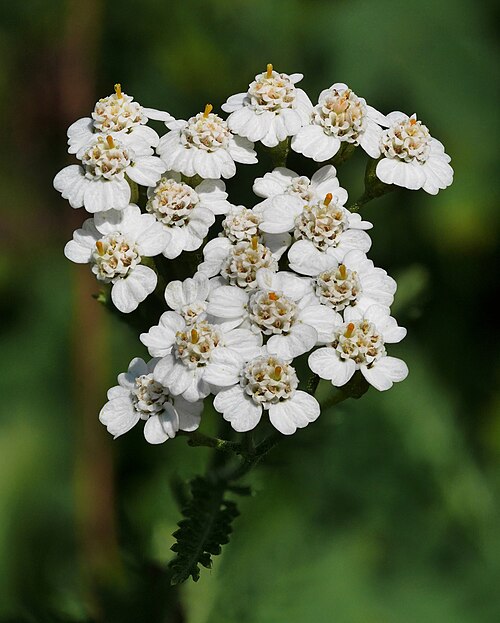
- **Yarrow (
):** Known for its feathery foliage and flat-topped flower clusters, yarrow is a tough, dog-friendly option.
- **Catmint (
):** While it might attract cats, catmint is not listed as toxic to dogs and is a beautiful, low-maintenance plant.
- **Blanket Flower (
):** These vibrant, drought-tolerant flowers are a great addition to a sunny, pet-friendly garden.
Remember, "not listed as toxic" doesn't mean "eat in unlimited quantities." Any plant, if consumed in large enough amounts, can cause mild digestive upset. Always supervise your pet in the garden and consult your veterinarian if you have concerns.
Ready to find the perfect plants for your yard? Try the PlantWise Plant Finder →