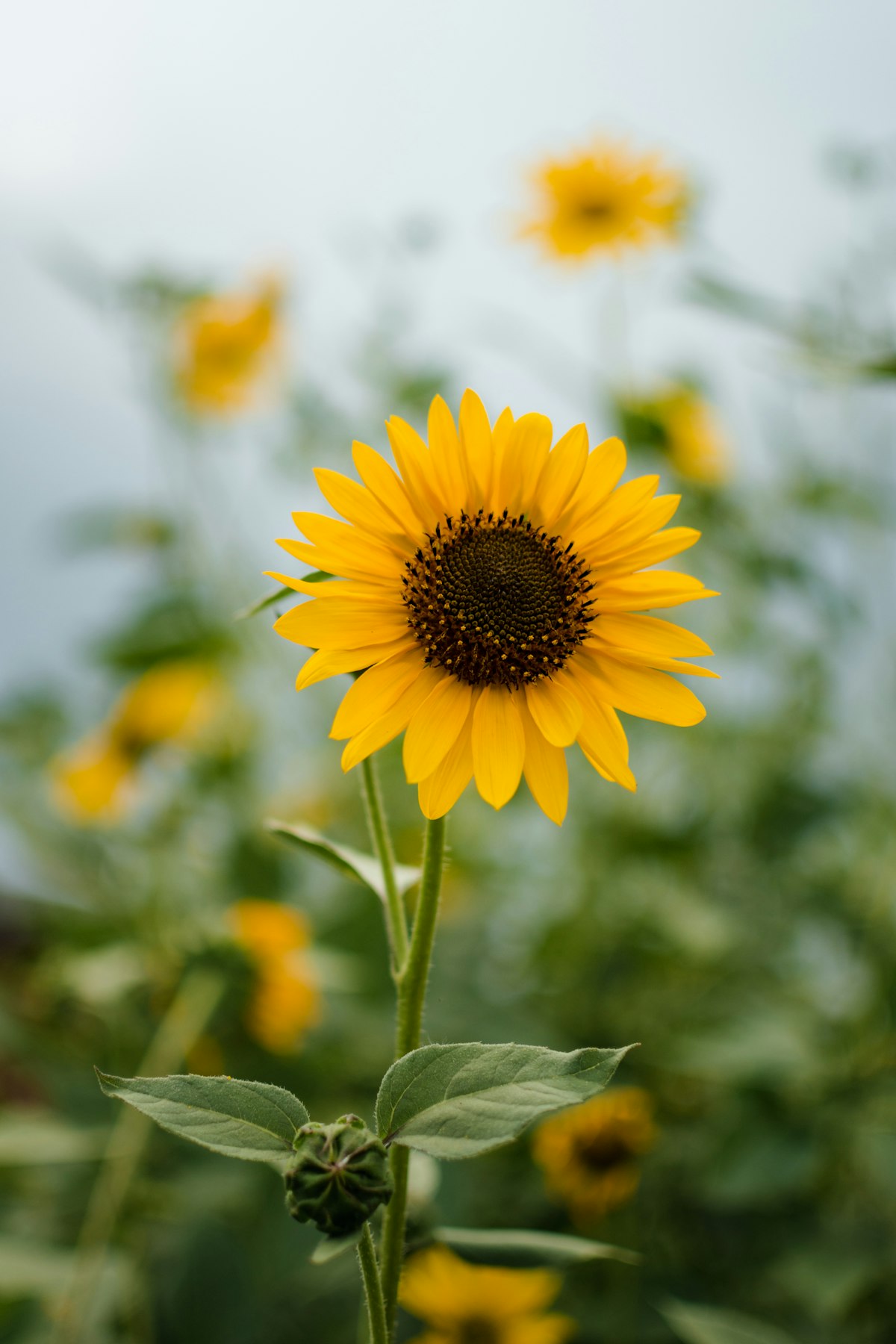
Are Sunflowers Safe for Cats? Complete Guide
As a cat owner, ensuring the safety of your beloved feline friend is always a top priority, especially when it comes to the plants in your home and garden. Sunflowers (genus Helianthus) are iconic, cheerful plants known for their vibrant blooms and stately presence. The good news for cat lovers is that sunflowers are generally considered not listed as toxic to cats by the ASPCA (American Society for the Prevention of Cruelty to Animals). While ingestion of any plant material can potentially cause mild stomach upset in sensitive pets, sunflowers do not contain compounds known to be severely poisonous to felines. This means you can likely enjoy their beauty without significant worry, though moderation and observation are always key.
🌱 Get Personalized Plant Picks
Answer a few quick questions and we’ll match plants to your exact yard conditions.
Find My Plants →What Does "Not Listed as Toxic" Mean for Sunflowers and Cats?
When the ASPCA lists a plant as "not listed as toxic," it means that based on their extensive research and veterinary resources, the plant does not contain compounds that are known to cause severe poisoning or life-threatening reactions in pets. This is different from saying a plant is "safe" or "non-toxic," as even benign plant material can sometimes cause mild gastrointestinal upset if consumed in large quantities.
For sunflowers, this generally means:
- Low Risk of Severe Poisoning: You shouldn't expect severe symptoms like organ damage, neurological issues, or death if your cat nibbles on a sunflower.
- Potential for Mild Upset: In some cases, ingesting plant matter (including sunflowers) can lead to mild digestive issues such as vomiting, diarrhea, or a loss of appetite. This is usually due to the fibrous nature of the plant or a mild individual sensitivity, rather than a specific toxin.
- All Parts Included: This typically applies to all parts of the sunflower plant - petals, leaves, stems, and seeds.
Why Do Cats Chew on Plants?
Cats are naturally curious creatures, and chewing on plants is a common behavior for several reasons:
- Instinct: In the wild, felines might chew on grass or other plants to aid digestion, induce vomiting to expel hairballs, or obtain certain nutrients.
- Boredom/Play: A plant can be an engaging toy, especially if it rustles or moves.
- Curiosity: New textures and smells are often irresistible to a cat.
- Dietary Needs: While not a primary food source, some cats may seek out plant material to supplement their diet with fiber.
Understanding these motivations can help you manage your cat's interactions with your garden and houseplants.
Are Sunflower Seeds Safe for Cats?
Sunflower seeds, in their raw, unsalted, and unflavored form, are generally considered not listed as toxic for cats. In fact, they contain beneficial nutrients like Vitamin E, B vitamins, and healthy fats. However, they should only be offered in moderation as an occasional treat, not as a regular part of their diet.
Important considerations for sunflower seeds:
- Shells: The tough outer shells can be a choking hazard or cause digestive upset if ingested. Always offer shelled seeds.
- Salt/Flavorings: Avoid salted, roasted, or flavored sunflower seeds, as high sodium content and artificial additives can be harmful to cats.
- Choking Hazard: Even shelled seeds can be a choking hazard for small kittens or if swallowed whole. Consider crushing them slightly.
- Fat Content: Sunflower seeds are high in fat, which can lead to weight gain or digestive issues like pancreatitis if given in excess.
What About Sunflower Oil?
Sunflower oil, extracted from sunflower seeds, is often used in human cooking. In small, controlled amounts, it can sometimes be recommended by veterinarians as a supplement to improve coat health or aid in digestion due to its omega-6 fatty acid content. However, it should never be given without veterinary consultation, as too much oil can lead to diarrhea, weight gain, or other health problems. Always use food-grade, unrefined sunflower oil if your vet approves.
What Symptoms Should I Watch For If My Cat Eats Sunflower?
Even though sunflowers are not listed as toxic, it's always wise to observe your cat after they've ingested any plant material. If your cat has eaten a significant amount of sunflower, or if they have a sensitive stomach, you might notice:
- Vomiting: Your cat may throw up the plant material.
- Diarrhea: Loose stools can occur.
- Lethargy: A general decrease in energy or activity.
- Loss of Appetite: Your cat may refuse to eat their regular food.
These symptoms are typically mild and resolve on their own within 24 hours. If symptoms are severe, persistent, or if you notice any other unusual behaviors, it's crucial to contact your veterinarian.
If you suspect your pet has ingested a toxic plant, call the ASPCA Animal Poison Control Center immediately at (888) 426-4435.
How Can I Keep My Cat Away From Garden Plants?
While sunflowers pose a low risk, it's a good practice to discourage your cat from eating garden plants, especially since many common garden plants are toxic. Here are some strategies:
- Provide Alternatives: Offer your cat their own "cat grass" (like wheatgrass, oat grass, or barley grass) indoors. This provides a safe outlet for their chewing instincts.
- Physical Barriers: Use netting, chicken wire, or decorative fences around garden beds that contain plants you want to protect.
- Repellents: Some cats dislike the smell of citrus. You can spray diluted lemon juice or place citrus peels around plants. Commercial pet repellents are also available, but always check if they are safe for plants and pets.
- Enrichment: Ensure your cat has plenty of toys, scratching posts, and playtime to keep them stimulated and less likely to seek entertainment in your plants.
- Supervision: When your cat is outdoors, supervise them, especially if they have a habit of munching on plants.
- Plant Smart: If you know your cat is a prolific plant chewer, consider planting more cat-friendly options in accessible areas.
Quick Reference: Sunflowers & Cats
| Feature | Safety for Cats ``` This blog post is not sponsored and contains no affiliate links.
Are Sunflowers Safe for Cats? Complete Guide
As a cat owner, ensuring the safety of your beloved feline friend is always a top priority, especially when it comes to the plants in your home and garden. Sunflowers (genus Helianthus) are iconic, cheerful plants known for their vibrant blooms and stately presence. The good news for cat lovers is that sunflowers are generally considered not listed as toxic to cats by the ASPCA (American Society for the Prevention of Cruelty to Animals). While ingestion of any plant material can potentially cause mild stomach upset in sensitive pets, sunflowers do not contain compounds known to be severely poisonous to felines. This means you can likely enjoy their beauty without significant worry, though moderation and observation are always key.
What Does "Not Listed as Toxic" Mean for Sunflowers and Cats?
When the ASPCA lists a plant as "not listed as toxic," it means that based on their extensive research and veterinary resources, the plant does not contain compounds that are known to cause severe poisoning or life-threatening reactions in pets. This is different from saying a plant is "safe" or "non-toxic," as even benign plant material can sometimes cause mild gastrointestinal upset if consumed in large quantities.
For sunflowers, this generally means:
- Low Risk of Severe Poisoning: You shouldn't expect severe symptoms like organ damage, neurological issues, or death if your cat nibbles on a sunflower.
- Potential for Mild Upset: In some cases, ingesting plant matter (including sunflowers) can lead to mild digestive issues such as vomiting, diarrhea, or a loss of appetite. This is usually due to the fibrous nature of the plant or a mild individual sensitivity, rather than a specific toxin.
- All Parts Included: This typically applies to all parts of the sunflower plant - petals, leaves, stems, and seeds.
Why Do Cats Chew on Plants?
Cats are naturally curious creatures, and chewing on plants is a common behavior for several reasons:
- Instinct: In the wild, felines might chew on grass or other plants to aid digestion, induce vomiting to expel hairballs, or obtain certain nutrients.
- Boredom/Play: A plant can be an engaging toy, especially if it rustles or moves.
- Curiosity: New textures and smells are often irresistible to a cat.
- Dietary Needs: While not a primary food source, some cats may seek out plant material to supplement their diet with fiber.
Understanding these motivations can help you manage your cat's interactions with your garden and houseplants.
Are Sunflower Seeds Safe for Cats?
Sunflower seeds, in their raw, unsalted, and unflavored form, are generally considered not listed as toxic for cats. In fact, they contain beneficial nutrients like Vitamin E, B vitamins, and healthy fats. However, they should only be offered in moderation as an occasional treat, not as a regular part of their diet.
Important considerations for sunflower seeds:
- Shells: The tough outer shells can be a choking hazard or cause digestive upset if ingested. Always offer shelled seeds.
- Salt/Flavorings: Avoid salted, roasted, or flavored sunflower seeds, as high sodium content and artificial additives can be harmful to cats.
- Choking Hazard: Even shelled seeds can be a choking hazard for small kittens or if swallowed whole. Consider crushing them slightly.
- Fat Content: Sunflower seeds are high in fat, which can lead to weight gain or digestive issues like pancreatitis if given in excess.
What About Sunflower Oil?
Sunflower oil, extracted from sunflower seeds, is often used in human cooking. In small, controlled amounts, it can sometimes be recommended by veterinarians as a supplement to improve coat health or aid in digestion due to its omega-6 fatty acid content. However, it should never be given without veterinary consultation, as too much oil can lead to diarrhea, weight gain, or other health problems. Always use food-grade, unrefined sunflower oil if your vet approves.
What Symptoms Should I Watch For If My Cat Eats Sunflower?
Even though sunflowers are not listed as toxic, it's always wise to observe your cat after they've ingested any plant material. If your cat has eaten a significant amount of sunflower, or if they have a sensitive stomach, you might notice:
- Vomiting: Your cat may throw up the plant material.
- Diarrhea: Loose stools can occur.
- Lethargy: A general decrease in energy or activity.
- Loss of Appetite: Your cat may refuse to eat their regular food.
These symptoms are typically mild and resolve on their own within 24 hours. If symptoms are severe, persistent, or if you notice any other unusual behaviors, it's crucial to contact your veterinarian.
If you suspect your pet has ingested a toxic plant, call the ASPCA Animal Poison Control Center immediately at (888) 426-4435.
Quick Reference: Sunflowers & Cats
| Feature | Safety for Cats ```