Are Sunflowers Safe for Dogs? Complete Guide
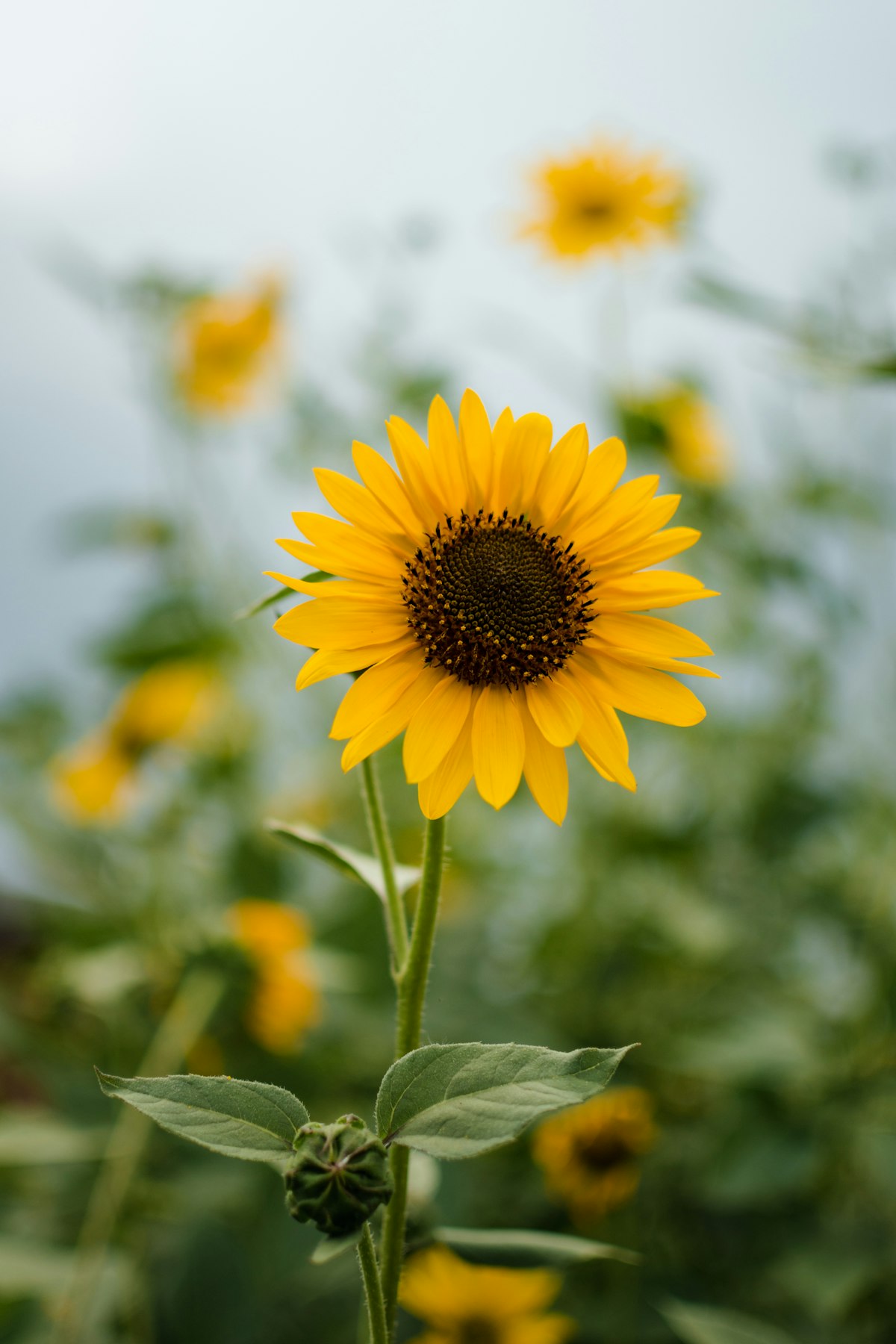
As dog owners and garden enthusiasts, we often wonder if our beloved plants pose any risk to our furry friends. When it comes to the cheerful, sun-loving sunflower (Helianthus annuus), the good news is that sunflowers are not listed as toxic to dogs by the ASPCA (American Society for the Prevention of Cruelty to Animals). This means that if your curious canine nibbles on a sunflower plant or its seeds, serious poisoning is generally not expected. However, while not toxic, there are still a few things to keep in mind to ensure your dog's safety and comfort around these iconic blooms.
🌱 Get Personalized Plant Picks
Answer a few quick questions and we’ll match plants to your exact yard conditions.
Find My Plants →Are Sunflower Plants Truly Safe for Dogs to Eat?
While sunflowers are not listed as toxic, it's important to understand what "not listed as toxic" truly means. It doesn't necessarily mean they are beneficial or should be a regular part of your dog's diet. Ingesting large quantities of any plant material, even non-toxic ones, can lead to mild gastrointestinal upset in dogs. This might include symptoms like vomiting, diarrhea, or a mild stomach ache. This is typically due to the plant's fibrous nature or the presence of oils in the seeds, which can be rich.
The main concern with sunflowers isn't toxicity, but rather potential physical issues or digestive upset. For instance, the tough, fibrous stalks and leaves can be difficult for dogs to digest. The outer shells of sunflower seeds, while not toxic, can be sharp and potentially cause irritation if swallowed in large amounts, or even a choking hazard for smaller dogs.
Quick Reference: Sunflowers & Dogs
| Plant Part | Toxicity (ASPCA) | Potential Concerns |
|---|---|---|
| Leaves & Stems | Not listed toxic | Fibrous, can cause GI upset if eaten in quantity |
| Flower Petals | Not listed toxic | Generally safe, minimal concern |
| Seeds (shelled) | Not listed toxic | High in fat, can cause GI upset, pancreatitis risk |
| Seed Shells | Not listed toxic | Choking hazard, GI irritation |
What Parts of the Sunflower Plant Might Cause Issues for Dogs?
While the entire sunflower plant is generally considered non-toxic, different parts can present different considerations for your dog:
- Leaves and Stems: These are very fibrous. If a dog eats a significant amount, it could lead to digestive upset like vomiting or diarrhea. They are also not very palatable, so most dogs won't gorge on them.
- Flower Heads and Petals: These are generally the safest part. Dogs might chew on them out of curiosity, but they are unlikely to cause significant issues.
- Sunflower Seeds: This is where you need to be a bit more cautious.
- Shelled Seeds: While not toxic, sunflower seeds are high in fat. Too many can lead to an upset stomach, diarrhea, or, in more severe cases, contribute to pancreatitis, especially in dogs prone to the condition. Always offer unsalted, unshelled seeds in moderation if you choose to share.
- Unshelled Seeds: The hard outer shells can be a choking hazard, especially for smaller dogs. They can also be sharp and cause irritation or blockages in the digestive tract if swallowed. It's best to avoid letting your dog eat unshelled seeds.
If you suspect your pet has ingested a toxic plant, call the ASPCA Animal Poison Control Center immediately at (888) 426-4435.
How Can I Safely Grow Sunflowers in a Dog-Friendly Garden?
Growing sunflowers in a garden shared with dogs is absolutely doable with a few simple precautions:
- Placement Matters: Consider planting sunflowers in areas of your garden that are less accessible to your dog. Raised beds or behind a fence can help deter curious sniffers and nibblers.
- Supervision: When your dog is in the garden, especially when the sunflowers are young and tender, keep an eye on them. Redirect them with a toy or treat if they show too much interest in munching on your plants.
- Harvest Seeds Promptly: Once the sunflowers mature and the seeds are ready, harvest them promptly. This prevents seeds from falling to the ground where your dog might easily find and consume them, especially the unshelled variety.
- Clean Up Debris: After harvesting or if petals and leaves fall, clean up any plant debris to minimize opportunities for your dog to ingest parts of the plant.
- Offer Alternatives: Ensure your dog has plenty of appropriate chew toys and treats available. A bored dog is more likely to experiment with garden plants.
- Training: Teach your dog a "leave it" command. This can be invaluable in the garden and in many other situations.
Sunflowers are a fantastic addition to any garden, attracting pollinators and adding vibrant color. Here are some other dog-friendly garden choices that can complement your sunflowers:
What Should I Do If My Dog Eats Sunflower Seeds or Plant Material?
If your dog has eaten a small amount of sunflower plant material or a few shelled seeds, they will likely be fine. Keep a close eye on them for any signs of digestive upset such as:
- Vomiting
- Diarrhea
- Lethargy
- Loss of appetite
- Abdominal discomfort (e.g., hunched posture, whining)
If you notice any of these symptoms, or if your dog has consumed a large quantity of seeds (especially unshelled) or plant material, it’s best to contact your veterinarian. They can provide guidance based on your dog's size, the amount ingested, and their individual health history. In most cases, mild GI upset can be managed at home with a bland diet and close observation, but it's always safest to consult a professional.
In summary, sunflowers are a beautiful and generally safe plant to have in a dog-owning household. With a little awareness and a few simple precautions, you can enjoy their beauty without undue worry for your canine companion.
Ready to find the perfect plants for your yard? Try the PlantWise Plant Finder →