Are Tulips Deer Resistant? (They Are Not)
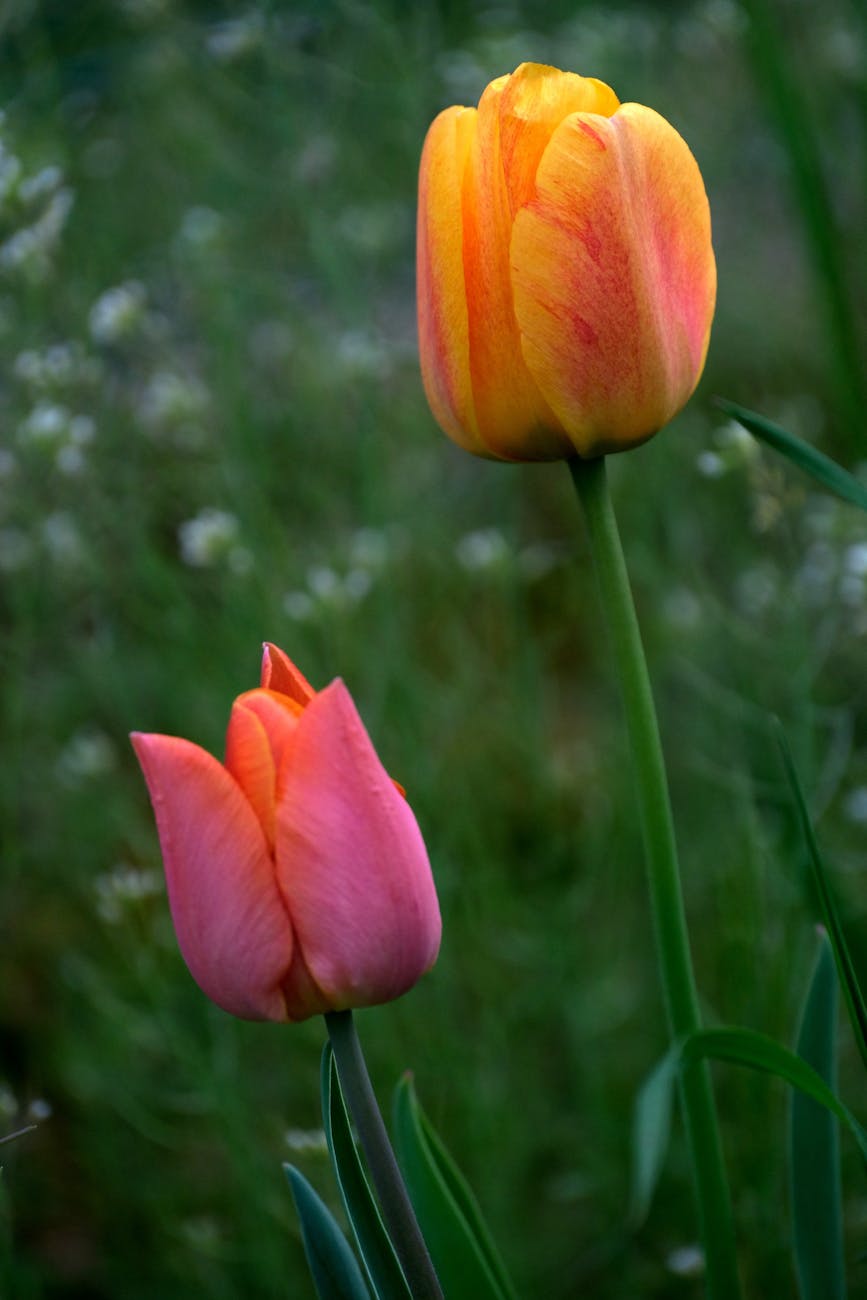
No, tulips are definitively not deer resistant. In fact, they are often considered a deer delicacy, one of the first plants deer will target in a garden. If you live in an area with a healthy deer population, planting tulips is almost an open invitation for them to browse your garden. Their tender leaves and sweet-smelling flowers are highly attractive to deer, especially in early spring when other food sources may be scarce. Many gardeners have woken up to find their beautiful tulip beds completely decapitated overnight, a clear sign that deer have paid a visit.
🌱 Get Personalized Plant Picks
Answer a few quick questions and we’ll match plants to your exact yard conditions.
Find My Plants →Why Do Deer Love Tulips So Much?
Deer are herbivores with a keen sense of smell and taste, and they are constantly on the lookout for nutritious and palatable food sources. Tulips, unfortunately, tick all the right boxes for them.
- Early Spring Food: Tulips emerge early in the spring, often before many other plants have started to grow. For deer that have spent a long winter scrounging for food, these fresh, green shoots are a welcome and easily accessible meal.
- Tender and Succulent: The leaves and flower buds of tulips are soft, juicy, and easy to digest. Deer prefer tender vegetation over tough, fibrous plants, making tulips an ideal snack.
- Nutrient-Rich: Like many bulbs, tulips store a lot of energy and nutrients, making them a good source of sustenance for deer, particularly does preparing for fawning season or bucks recovering from winter.
- Lack of Natural Defenses: Unlike some plants that have thorns, bitter tastes, or strong, unappealing odors, tulips offer no natural deterrents to deer. They are essentially an unprotected buffet.
It's important to remember that no plant is truly deer-proof, especially when deer are hungry or their natural food sources are limited. However, tulips are consistently at the top of their preferred menu.
How Can I Protect My Tulips from Deer?
If you're determined to grow tulips despite the deer, you'll need to employ some protective measures. Success often requires a multi-pronged approach and persistence.
- Fencing: This is by far the most effective method. An 8-foot tall fence is generally recommended to deter deer, as they can jump surprisingly high. For smaller garden beds, you might consider temporary netting or chicken wire enclosures that can be removed once the tulips have bloomed.
- Repellents: Deer repellents work by making plants taste or smell unpleasant to deer. They come in two main types:
- Contact repellents: Applied directly to the plant, they make the foliage taste bad. These need to be reapplied frequently, especially after rain or new growth.
- Area repellents: These emit an odor that deer dislike, deterring them from the area. They are often less effective than contact repellents.
- Rotation is Key: Deer can become accustomed to repellents, so it's best to rotate different types to keep them guessing.
- Companion Planting: While not foolproof, planting tulips among strong-smelling, deer-resistant plants can sometimes offer a degree of camouflage. Plants with fuzzy leaves, strong aromatic oils, or toxic properties are generally less appealing to deer.
- Deterrents: Motion-activated sprinklers or ultrasonic devices can sometimes scare deer away, but their effectiveness can vary, and deer may eventually habituate to them.
- Planting in Containers: If you have a patio or deck that deer don't frequent, growing tulips in containers can be a good option. You can also move containers to a protected area at night.
Remember, deer pressure varies by location and season. What works for one gardener might not work for another. Be prepared for some trial and error.
What Are Some Deer-Resistant Alternatives to Tulips with Spring Color?
If the thought of battling deer for your tulips is too much, or if you're looking for more reliable spring color without the hassle, many beautiful deer-resistant plants can fill the void. Here are some excellent choices that offer vibrant blooms and are generally avoided by deer:
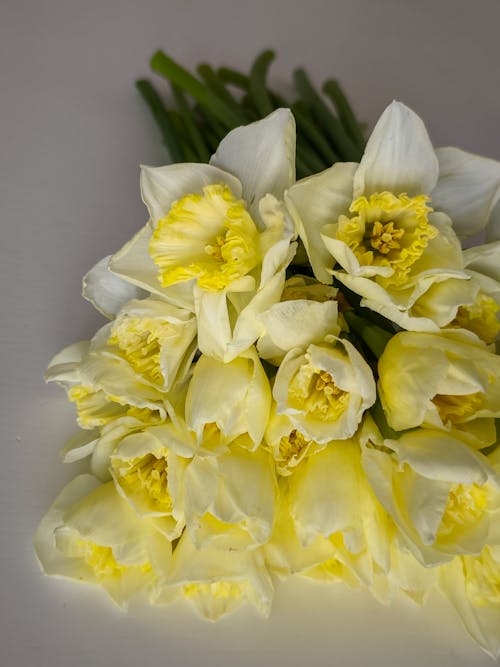
- Daffodils (Narcissus): These are perhaps the quintessential deer-resistant spring bulb. Deer avoid them due to the presence of lycorine, an alkaloid that is toxic if ingested. They come in a wide array of colors, shapes, and sizes, blooming from early to late spring.
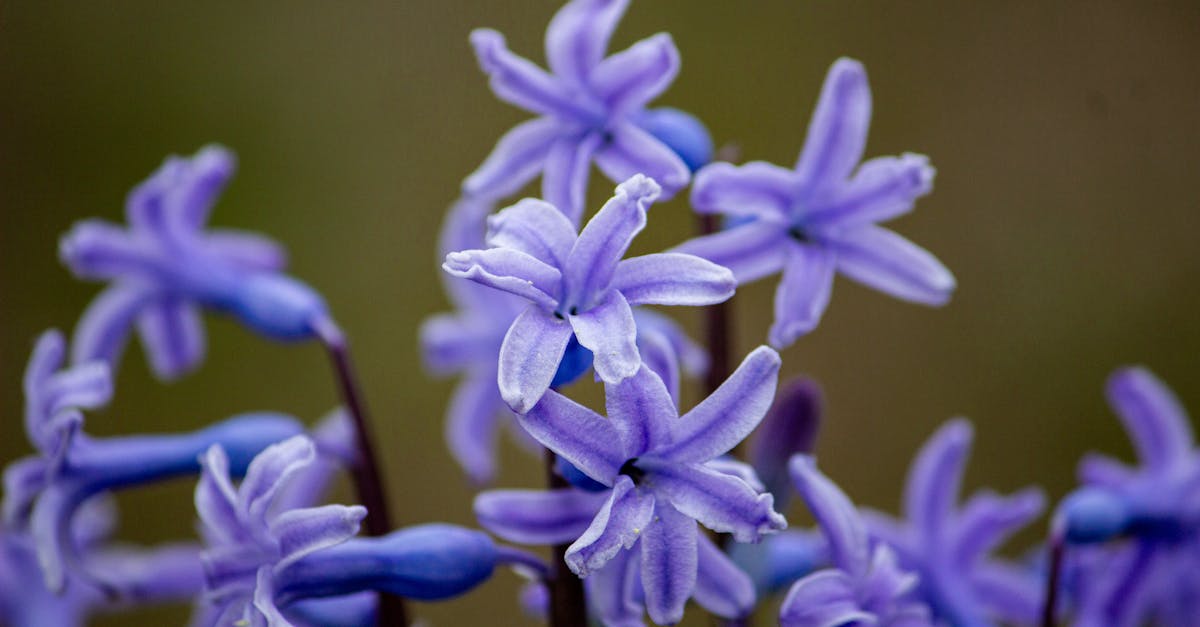
- Hyacinths (Hyacinthus orientalis): Another fragrant spring bulb, hyacinths are also toxic to deer and are rarely bothered. Their dense flower spikes offer intense color and a delightful perfume.
- Grape Hyacinths (Muscari): These charming, small, blue, purple, or white flower spikes are deer-resistant and naturalize easily, creating beautiful carpets of color.
- Fritillaria: Many species of Fritillaria, such as Crown Imperial (Fritillaria imperialis) and Checkered Lily (Fritillaria meleagris), are deer-resistant. Crown Imperials, in particular, have a skunky odor that deer find very off-putting.
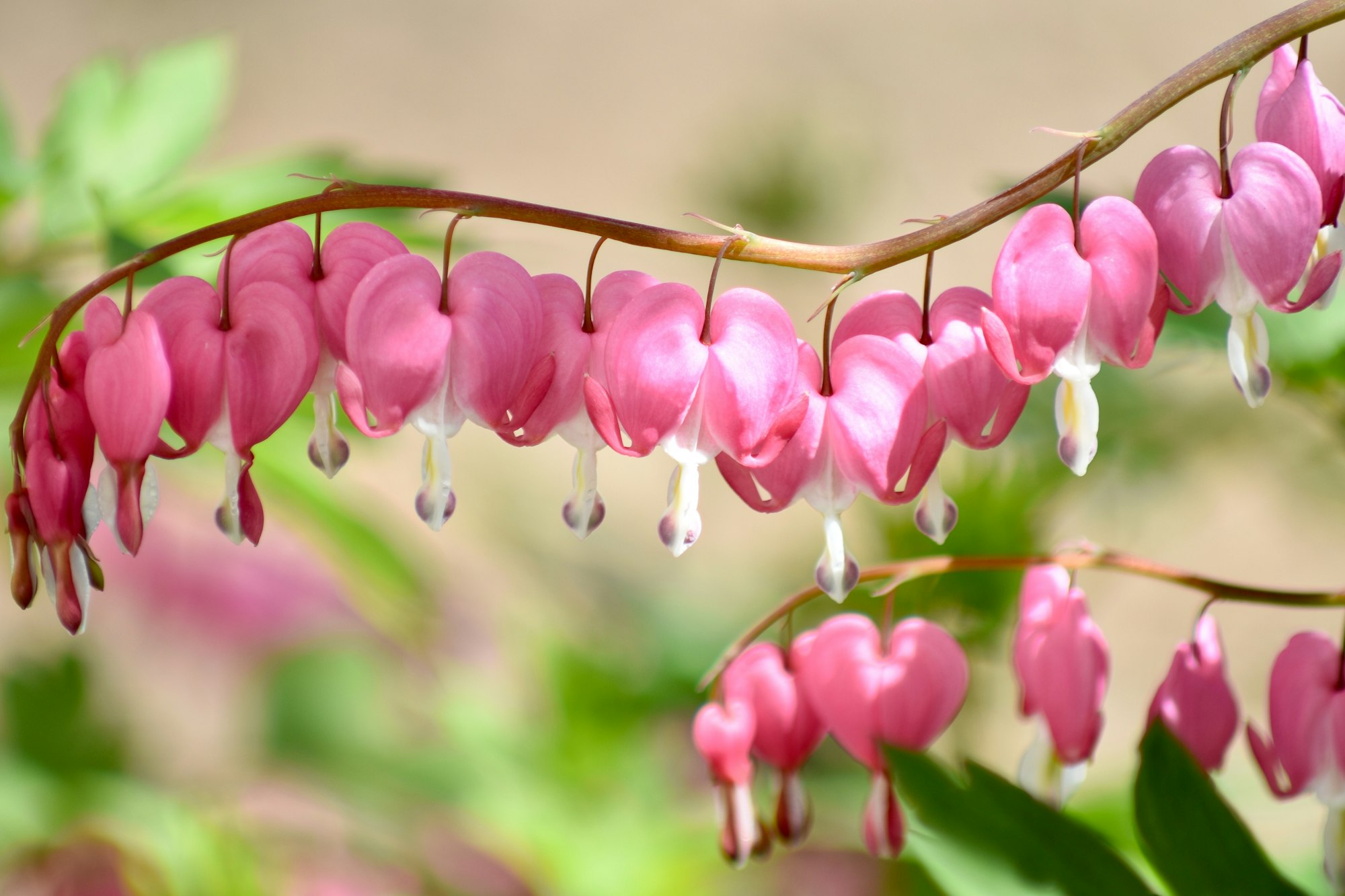
- Bleeding Hearts (Dicentra spectabilis): With their distinctive heart-shaped flowers, Bleeding Hearts are a shade-loving perennial that deer tend to leave alone.
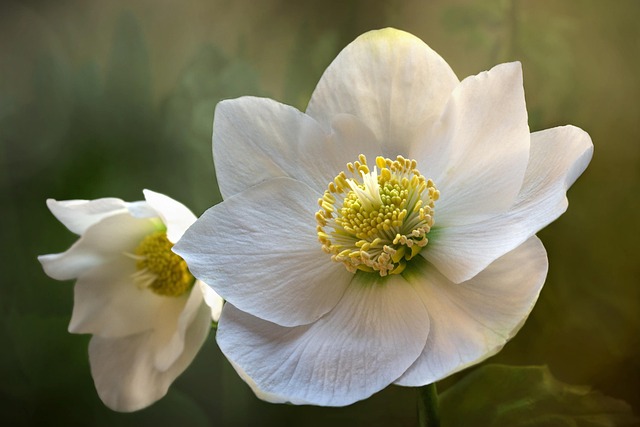
- Hellebores (Helleborus spp.): Also known as Lenten Rose, these tough, evergreen perennials bloom in late winter to early spring, offering beautiful cup-shaped flowers in various colors. Deer find them unpalatable.
- Siberian Squill (Scilla siberica): These small, vibrant blue flowers emerge very early in spring and are deer-resistant, naturalizing well in lawns and under trees.
- Pulsatilla (Pasque Flower): A charming early spring bloomer with bell-shaped flowers and feathery seed heads. Deer generally avoid this plant.
Quick Reference: Deer-Resistant Spring Bloomers
| Plant Name | Bloom Time | Flower Color | Deer Resistance | Notes |
|---|---|---|---|---|
| Daffodils | Early-Late Spring | Yellow, White, Orange, Pink | High | Toxic to deer, wide variety of forms |
| Hyacinths | Mid-Spring | Blue, Purple, Pink, White | High | Very fragrant, toxic to deer |
| Grape Hyacinths | Early-Mid Spring | Blue, Purple, White | High | Naturalizes easily, charming small blooms |
| Fritillaria | Mid-Spring | Red, Orange, Yellow, Purple | High | Some species have strong odor (Crown Imperial) |
| Bleeding Hearts | Mid-Late Spring | Pink, White | Medium-High | Shade-loving, unique flower shape |
| Hellebores | Late Winter-Early Spring | White, Pink, Purple, Green | High | Evergreen foliage, very early bloomer |
| Siberian Squill | Early Spring | Blue | High | Naturalizes well, small but vibrant |
| Pulsatilla | Early Spring | Purple, White, Red | Medium-High | Fuzzy foliage and seed heads |
Ready to find the perfect plants for your yard? Try the PlantWise Plant Finder →