Are Zinnias Safe for Dogs? Complete Guide
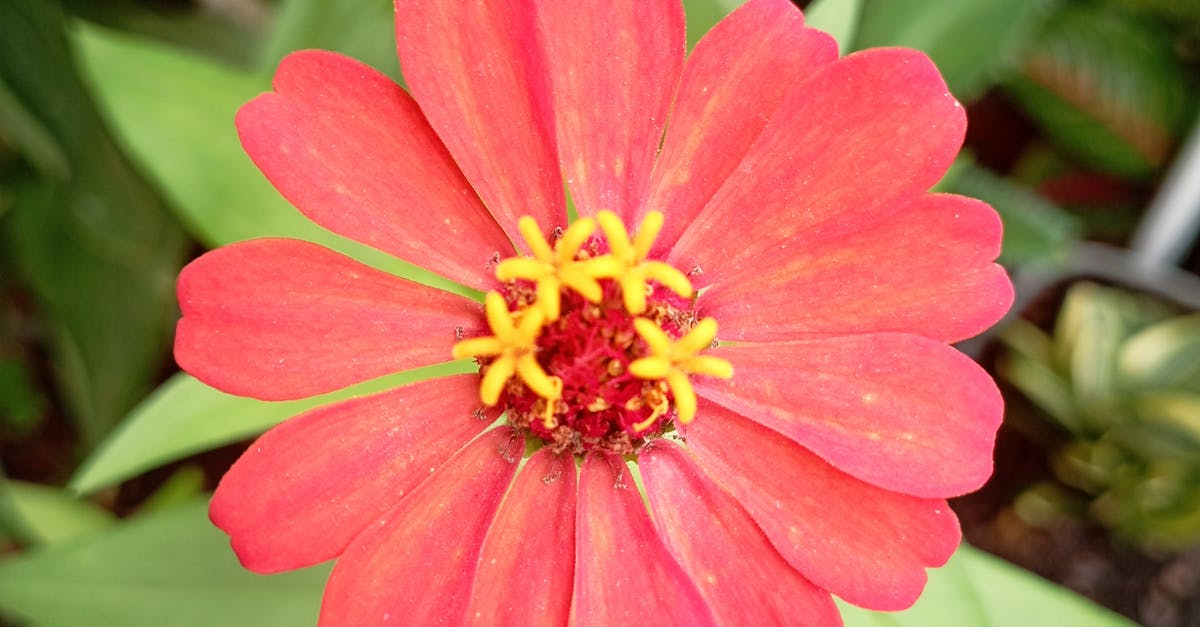
Zinnias are cheerful, vibrant flowers that bring a burst of color to any garden. For dog owners, a primary concern is always the safety of their beloved pets around garden plants. The good news is that zinnias (genus Zinnia) are not listed as toxic to dogs by the ASPCA (American Society for the Prevention of Cruelty to Animals). This means that while ingestion of any plant material can potentially cause mild digestive upset in some sensitive dogs, zinnias are generally considered a low-risk plant for your canine companions. You can enjoy their beauty without significant worry about serious poisoning.
🌱 Get Personalized Plant Picks
Answer a few quick questions and we’ll match plants to your exact yard conditions.
Find My Plants →What Are Zinnias and Why Are They So Popular?
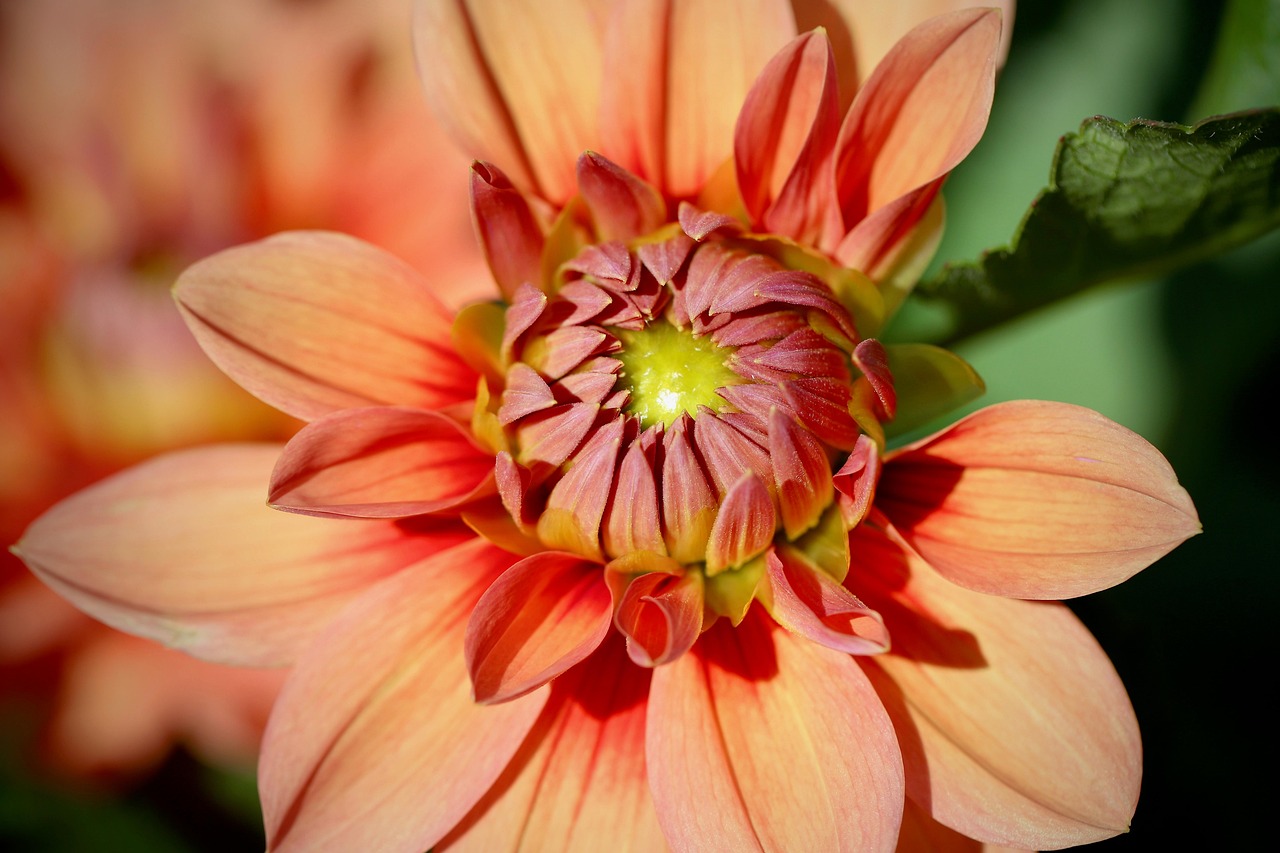
Zinnias are annual flowering plants belonging to the daisy family (Asteraceae). Native to the Americas, particularly Mexico, they are cherished for their wide array of colors, diverse flower forms, and ease of cultivation. From single-petaled varieties to dahlia-flowered and cactus-flowered types, zinnias offer a spectacular show from summer until the first frost.
Gardeners love zinnias for many reasons:
- Vibrant Colors: They come in almost every color imaginable, except true blue.
- Long Blooming Season: They bloom continuously for months, providing consistent color.
- Easy to Grow: They are relatively low-maintenance, thriving in full sun and well-drained soil.
- Pollinator Magnets: Bees, butterflies, and hummingbirds are highly attracted to their nectar-rich blooms.
- Excellent Cut Flowers: Their sturdy stems and long vase life make them perfect for bouquets.
Are There Any Risks Even If Zinnias Are Not Listed As Toxic?
While zinnias are not listed as toxic, it's important to understand that "not listed as toxic" doesn't mean "zero risk." Here's what dog owners should consider:
- Mild Digestive Upset: Any plant material, including non-toxic ones, can potentially cause mild gastrointestinal upset if ingested in large quantities. This might include symptoms like vomiting, diarrhea, or a decreased appetite. A dog's digestive system isn't designed to process large amounts of fibrous plant matter.
- Pesticides and Fertilizers: The real danger often comes not from the plant itself, but from what's on the plant. If you use pesticides, herbicides, or certain chemical fertilizers in your garden, these can be harmful if ingested by your dog. Always follow product instructions carefully and keep pets away from treated areas.
- Allergic Reactions: Just like humans, dogs can have individual sensitivities or allergies to certain plants. While rare with zinnias, an individual dog might show an allergic reaction to contact or ingestion.
- Choking Hazard: For very small puppies or dogs, larger pieces of plant material could potentially pose a choking hazard, though this is less common with soft plant parts like zinnia petals or leaves.
If you suspect your pet has ingested a toxic plant, call the ASPCA Animal Poison Control Center immediately at (888) 426-4435.
How Can I Ensure My Dog's Safety Around Zinnias and Other Garden Plants?
Even with non-toxic plants, responsible pet ownership in the garden involves a few key practices:
- Observation is Key: Watch your dog in the garden. If they show an unusual interest in chewing on plants, try to redirect their attention with toys or training.
- Provide Alternatives: Offer your dog safe chew toys, or even grow a designated "dog garden" patch with pet-safe grasses (like oat grass or wheatgrass) for them to munch on.
- Supervise New Plants: When introducing new plants to your garden, supervise your dog closely until you're confident they won't try to eat them.
- Fence Off Problem Areas: If you have a particularly curious canine or a specific plant you want to protect, consider temporary fencing or barriers.
- Educate Yourself: Know which plants in your garden are toxic and which are not. The ASPCA website is an excellent resource.
- Store Chemicals Safely: Keep all garden chemicals, fertilizers, and pest control products securely stored out of reach of pets.
- Choose Pet-Friendly Pest Control: Opt for organic or pet-safe pest control methods whenever possible.
What Are Some Other Pet-Friendly Flowering Plants for My Garden?
Creating a beautiful garden that's also safe for your furry friends is entirely achievable. Beyond zinnias, many other popular garden flowers are not listed as toxic to dogs. Here are a few great choices:
- Sunflowers (Helianthus annuus): Cheerful and iconic, sunflowers are generally considered safe.
- Roses (Rosa spp.): While the thorns can be a hazard, the petals and leaves are not listed as toxic.
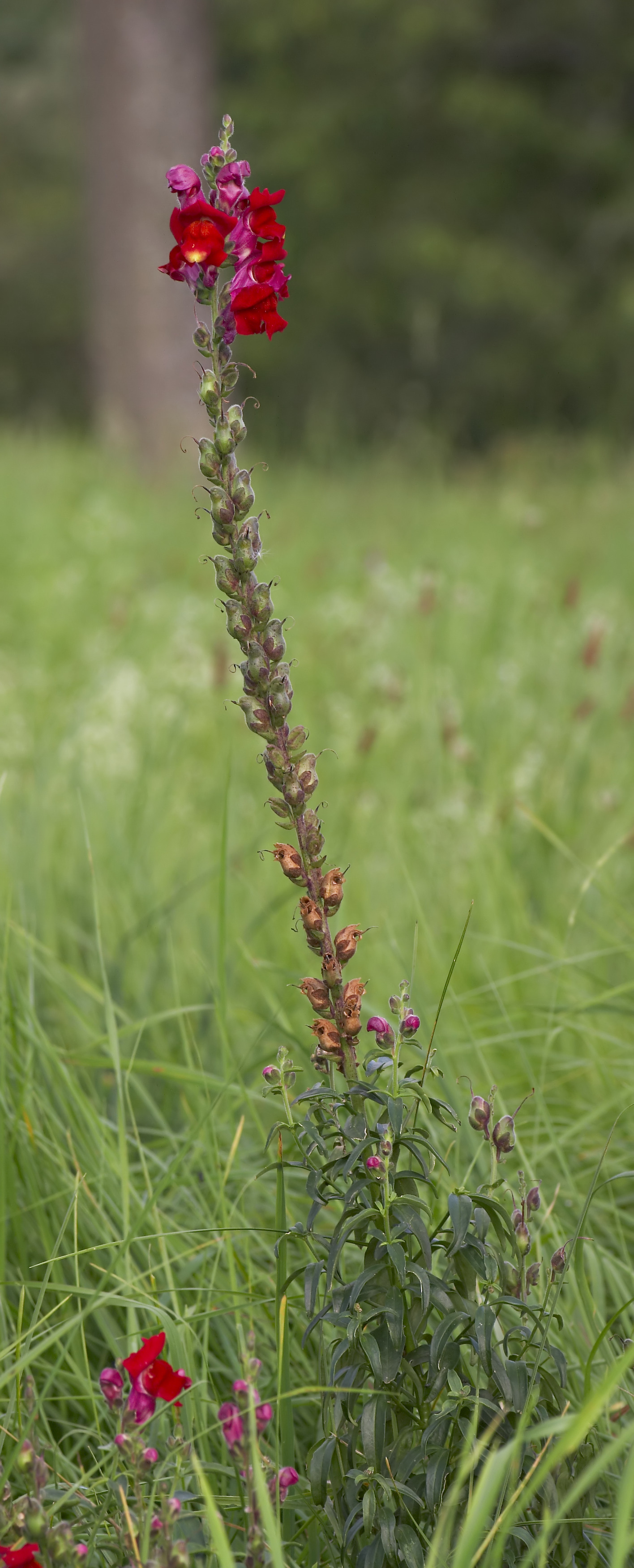
- Snapdragons (Antirrhinum majus): These whimsical flowers add vertical interest and are dog-friendly.
- African Violets (Saintpaulia spp.): A popular houseplant, also safe for dogs.
- Orchids (most Phalaenopsis spp.): Many common orchid varieties are not listed as toxic.
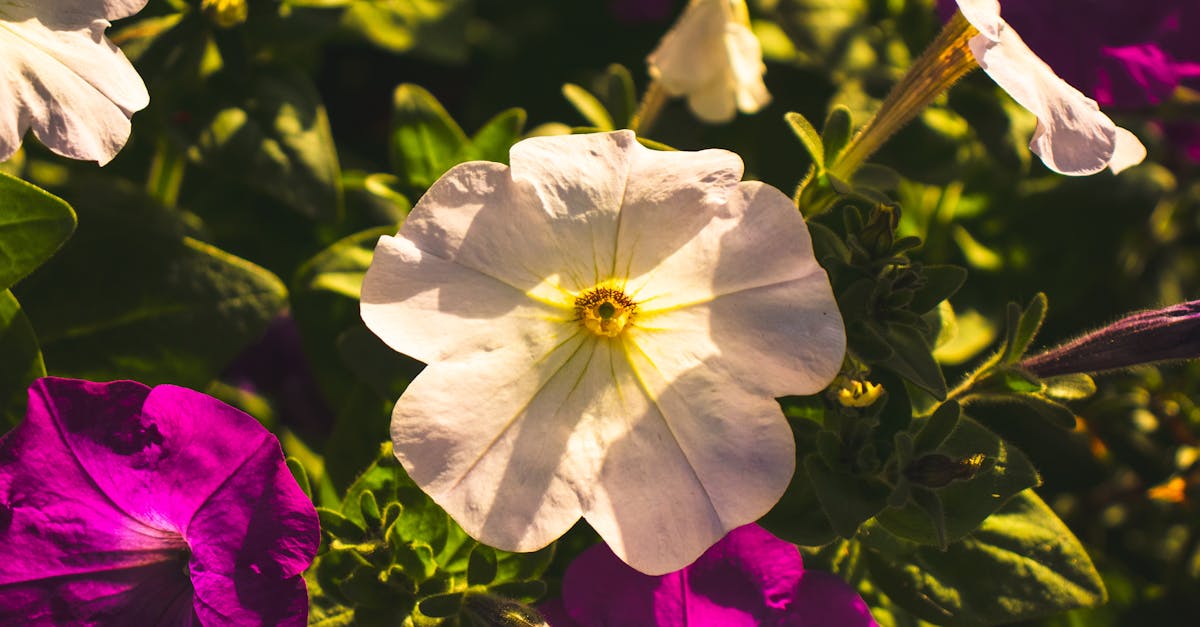
- Petunias (Petunia spp.): Another popular annual known for its prolific blooms.
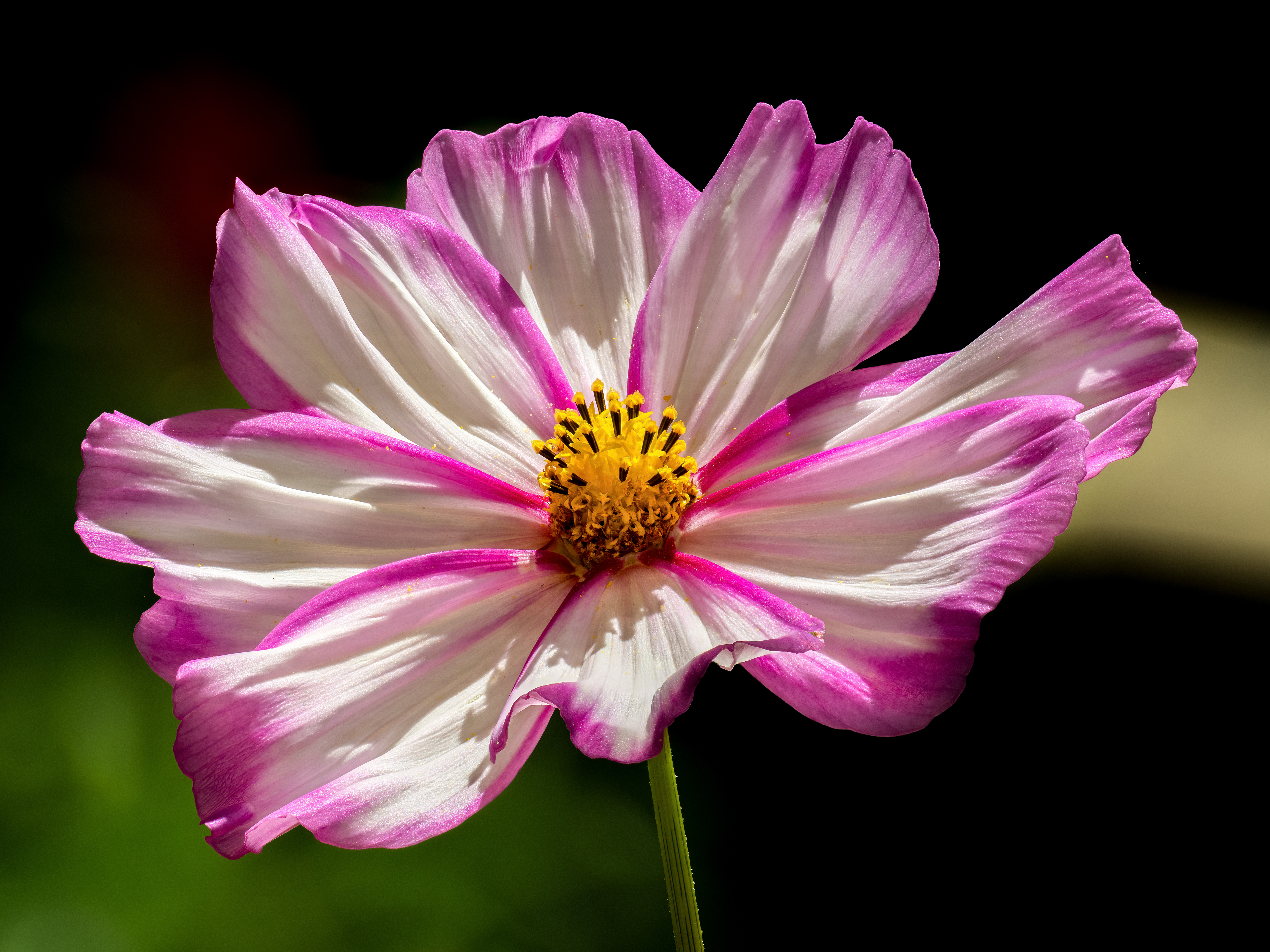
- Cosmos (Cosmos bipinnatus): Delicate and airy, cosmos are a lovely addition.
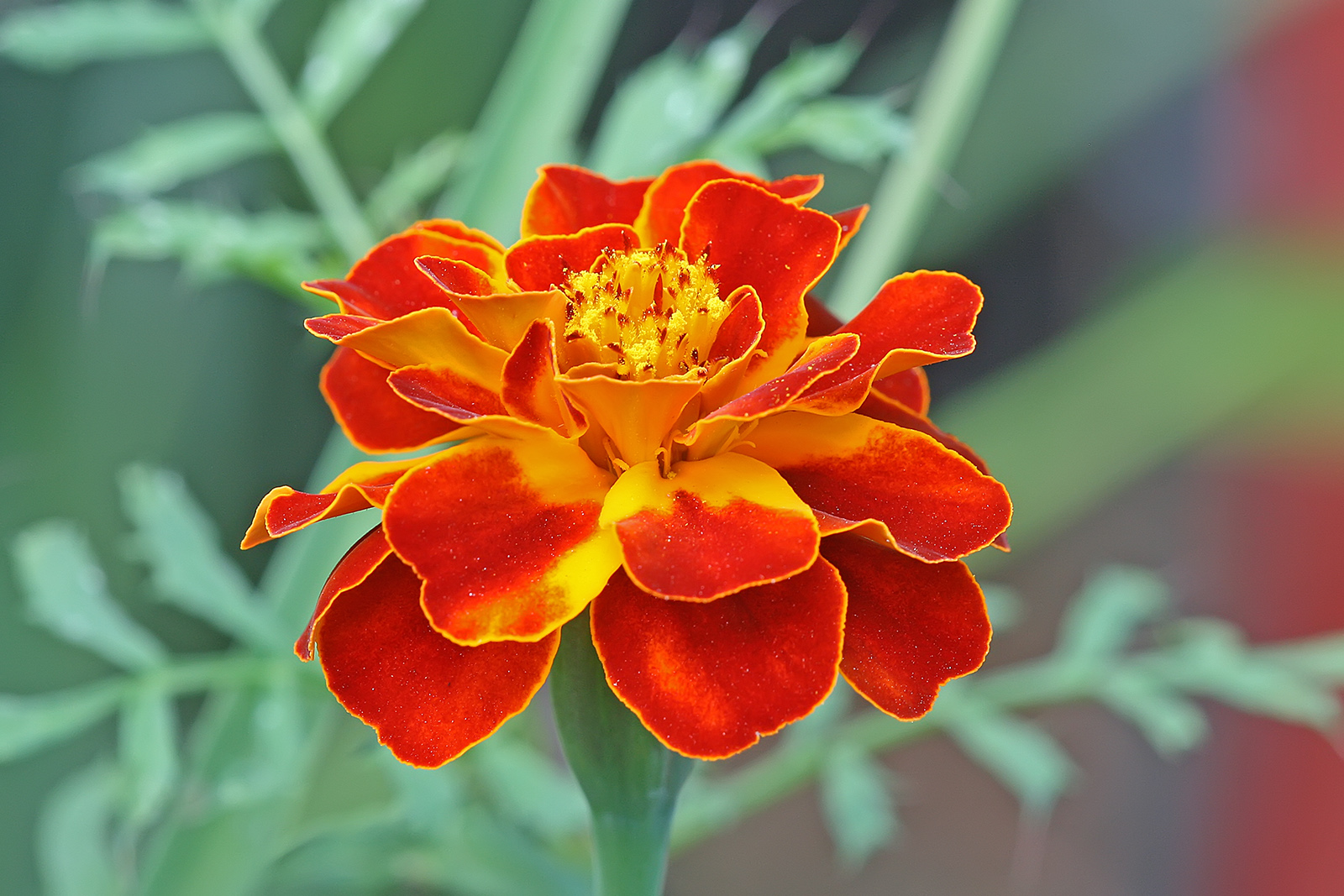
- Marigolds (Tagetes spp.): While some dogs might experience mild irritation from the oils, they are not listed as toxic.
Quick Reference: Zinnias & Dogs
| Feature | Status