Kentucky Bluegrass: Complete Pros, Cons, and Zone Guide
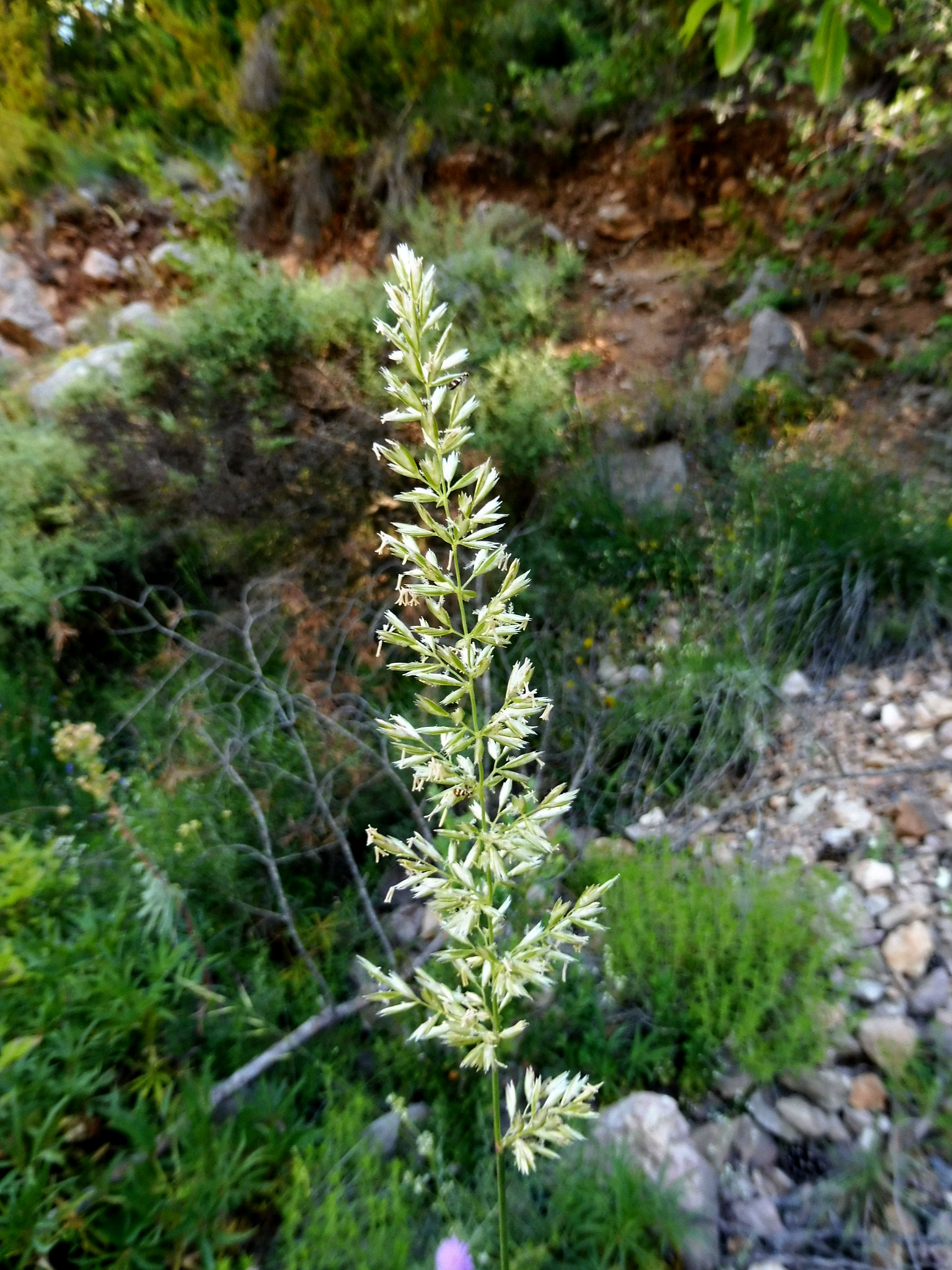
Kentucky bluegrass (Poa pratensis) is the quintessential cool-season lawn grass, celebrated for its lush, deep green color, fine texture, and remarkable ability to form a dense, carpet-like turf. While it offers unparalleled beauty and durability for lawns in cooler climates, its high maintenance requirements and specific growing conditions mean it's not the right choice for every homeowner. Ideal for USDA Hardiness Zones 2-7, Kentucky bluegrass excels where summers are not excessively hot and winters provide a dormant period. Its primary pros include its stunning appearance, self-repairing rhizomatous growth, and cold hardiness, while its cons involve high water and nutrient needs, slow establishment, and susceptibility to certain diseases.
🌱 Get Personalized Plant Picks
Answer a few quick questions and we’ll match plants to your exact yard conditions.
Find My Plants →What Makes Kentucky Bluegrass So Popular?
Kentucky bluegrass is often the gold standard against which other cool-season grasses are measured, and for good reason. Its aesthetic appeal is undeniable, creating a uniform, deep green lawn that many homeowners dream of. Beyond its beauty, it possesses several characteristics that contribute to its widespread use in lawns, sports fields, and golf courses across temperate regions.
Pros of Kentucky Bluegrass:
- Exceptional Appearance: Known for its fine to medium texture and rich, deep emerald green color, Kentucky bluegrass creates a dense, luxurious turf that is visually appealing.
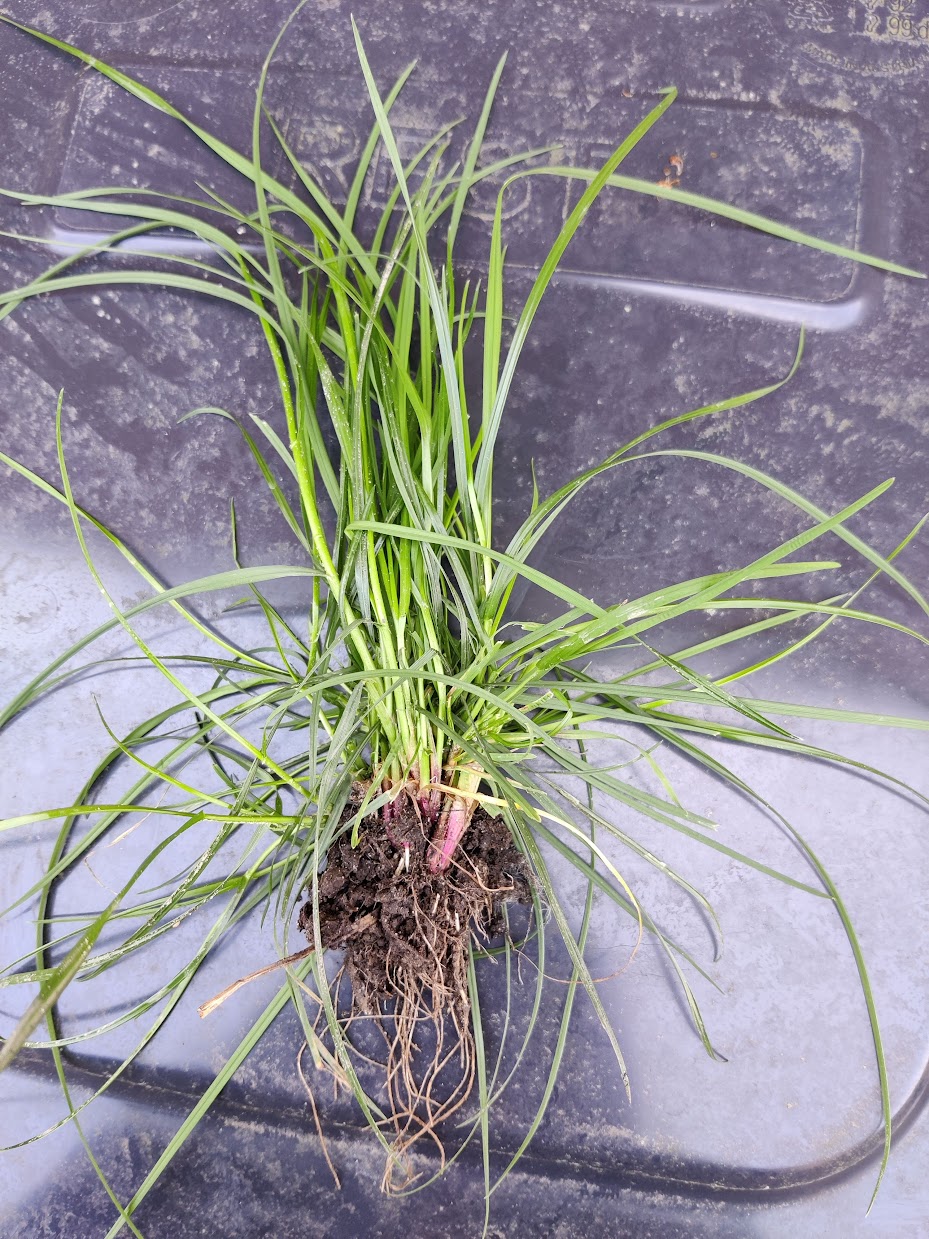
- Self-Repairing (Rhizomatous Growth): This is perhaps its most significant advantage. Kentucky bluegrass spreads via underground stems called rhizomes. These rhizomes allow the grass to fill in bare spots, recover from damage (like pet spots or foot traffic), and form a very dense, durable sod over time. This self-repairing quality reduces the need for frequent overseeding of small damaged areas.
- Cold Hardiness: It is extremely tolerant of cold temperatures and can survive harsh winters, making it ideal for northern climates. It goes dormant in winter but greens up quickly in spring.
- Drought Tolerance (Dormancy): While it needs consistent moisture to stay green and actively growing, Kentucky bluegrass has a remarkable ability to go dormant during periods of drought. It will turn brown but can recover and green up once watering resumes or rainfall returns, often with minimal long-term damage.
- Traffic Tolerance: Once established, its dense growth and rhizomatous nature make it quite tolerant of foot traffic, making it a good choice for active family lawns.
- Uniformity: When properly maintained, it forms a very uniform and even turf, free of clumping or patchiness.
What Are the Downsides of Choosing Kentucky Bluegrass?
Despite its many advantages, Kentucky bluegrass comes with a set of challenges that potential growers should be aware of. Its beauty and resilience often come at the cost of higher maintenance and specific environmental needs.
Cons of Kentucky Bluegrass:
- High Water Requirements: To maintain its lush green color and active growth, Kentucky bluegrass needs consistent and relatively high amounts of water, especially during dry periods. This can lead to higher water bills and is a concern in drought-prone areas.
- High Nutrient Requirements: It is a "heavy feeder," meaning it requires regular fertilization to maintain its color, density, and health. This adds to the cost and effort of lawn care.
- Slow Establishment: Compared to some other cool-season grasses like perennial ryegrass, Kentucky bluegrass is slow to germinate and establish from seed. It can take several weeks for seeds to sprout and even longer to form a dense turf, making it more susceptible to weeds during this vulnerable period.
- Poor Shade Tolerance: Kentucky bluegrass thrives in full sun. It struggles significantly in shaded areas, becoming thin, weak, and more prone to disease. For shady spots, fescues or other shade-tolerant grasses are a better choice.
- Susceptibility to Diseases: While generally robust, it can be susceptible to various lawn diseases, especially under conditions of improper watering, fertilization, or mowing. Common issues include dollar spot, rust, and necrotic ring spot.
- Thatch Buildup: Its dense growth and rhizomatous nature can lead to significant thatch buildup over time. Thatch is a layer of dead and living organic matter between the soil surface and the green grass blades, which can prevent water and nutrients from reaching the roots and harbor pests and diseases. Regular dethatching may be necessary.
- Heat Intolerance: While it can go dormant in heat, prolonged periods of extreme heat (especially combined with humidity) can stress the grass, making it more susceptible to disease and damage.
Where Does Kentucky Bluegrass Grow Best?
Kentucky bluegrass is a cool-season grass, meaning it performs optimally in regions with cold winters and moderate summers. Its ideal growing range is generally within USDA Hardiness Zones 2 through 7.
- Zones 2-5 (Northern US & Canada): This is its prime territory. Cold winters are not an issue, and summers are typically mild enough for it to thrive, though irrigation is still crucial during dry spells.
- Zone 6 (Mid-Atlantic & Midwest): Still an excellent choice, but summers can get warmer, requiring more diligent watering to prevent dormancy or stress.
- Zone 7 (Upper South & Transition Zone): This is generally the southern limit for Kentucky bluegrass. It can still perform well, especially in higher elevations or areas with slightly cooler summers. However, it will require significant irrigation and may struggle more with heat stress and humidity-related diseases. In the hottest parts of Zone 7, it may be better blended with more heat-tolerant fescues or even warm-season grasses.
- Zones 8-11 (Southern US): Kentucky bluegrass is generally not recommended for these zones. The summers are too hot and long, and the grass will struggle immensely, going dormant for extended periods or dying out. Warm-season grasses like Bermuda, Zoysia, or St. Augustine are far better suited for these climates.
Quick Reference: Kentucky Bluegrass
| Characteristic | Description (or more likely, a mix of fescues or ryegrass) for a more resilient and lower-maintenance lawn.
How Can I Get the Best Kentucky Bluegrass Lawn?
Achieving that perfect Kentucky bluegrass lawn requires consistent effort and attention to detail. Here are the key practices:
- Soil Preparation: Start with a soil test. Kentucky bluegrass prefers well-drained loamy soil with a pH between 6.0 and 7.0. Amend your soil with organic matter as needed and correct pH deficiencies before seeding or sodding.
- Seeding/Sodding:
- Seeding: The best time to seed Kentucky bluegrass is late summer to early fall (mid-August to mid-September in most cool-season zones) or early spring (March to April). Fall seeding is generally preferred as it allows the grass to establish before the stress of summer heat. Prepare a fine seedbed, spread seed evenly, and lightly rake it in. Keep the seedbed consistently moist until germination and for several weeks afterward. Remember, germination is slow!
- Sodding: For an instant lawn, sodding is an option. Lay sod on well-prepared soil, ensuring good contact between the sod and soil. Water thoroughly immediately after installation and keep it moist until the roots have established.
- Watering: This is critical. Kentucky bluegrass needs about 1 to 1.5 inches of water per week, either from rainfall or irrigation. Water deeply and infrequently to encourage deep root growth. Early morning is the best time to water to minimize evaporation and allow foliage to dry before nightfall, reducing disease risk.
- Fertilization: Fertilize 3-4 times a year, typically in early spring, late spring, early fall, and late fall (winterizer). Use a balanced lawn fertilizer, following package directions. A soil test will give you the most accurate recommendations for your specific lawn's needs.
- Mowing: Mow regularly, maintaining a height of 2.5 to 3 inches. Never remove more than one-third of the blade height at a time. Keep your mower blades sharp to prevent tearing the grass, which can lead to disease. Leave clippings on the lawn (mulch mowing) to return nutrients to the soil.
- Weed Control: A dense, healthy Kentucky bluegrass lawn is its own best weed deterrent. For existing weeds, use pre-emergent herbicides in early spring and fall to prevent germination, and spot-treat or broad-apply post-emergent herbicides for active weeds.
- Pest and Disease Management: Monitor your lawn for signs of pests or diseases. Proper cultural practices (watering, mowing, fertilizing) are the best defense. If issues arise, identify the problem and treat it appropriately with fungicides or insecticides if necessary.
- Aeration and Dethatching:
- Aeration: Annually or bi-annually, especially in high-traffic areas, aerate your lawn in the fall or spring. This helps alleviate soil compaction, allowing water, air, and nutrients to reach the roots more effectively.
- Dethatching: If thatch builds up to more than half an inch, dethatch in the early fall. This removes the excessive organic layer, improving air and water penetration.
Companion Plants for a Thriving Landscape
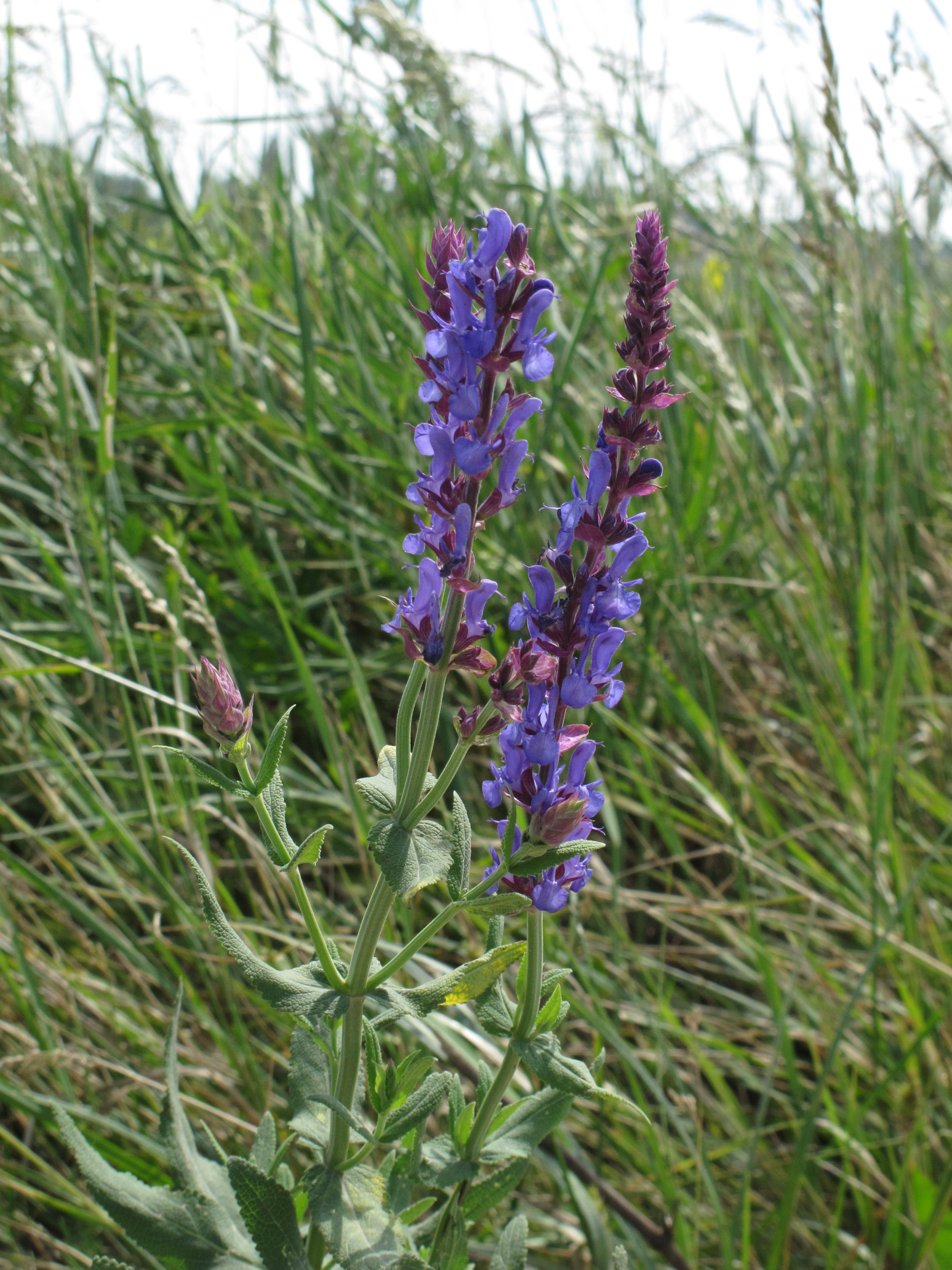
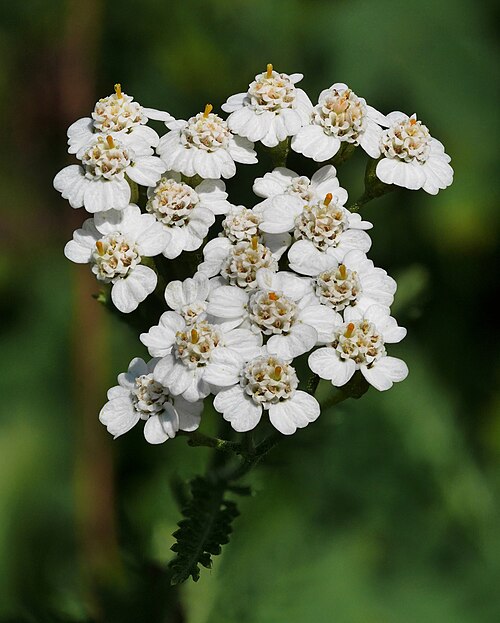
While your Kentucky bluegrass lawn forms the green canvas, consider adding vibrant, low-maintenance perennials to your garden beds that also thrive in similar cool-season climates. These plants can add color, texture, and attract beneficial pollinators, creating a more dynamic and eco-friendly yard.
{{coneflower}} {{black-eyed-susan}} {{salvia}} {{yarrow}}
Kentucky bluegrass, with its classic appeal and self-repairing nature, can create a truly stunning lawn. However, its high demands for water, nutrients, and sunlight mean it's a commitment. By understanding its pros, cons, and ideal growing zones, you can decide if this beautiful grass is the right fit for your landscape goals and be prepared to provide the care it needs to flourish.
Ready to find the perfect plants for your yard? Try the PlantWise Plant Finder →