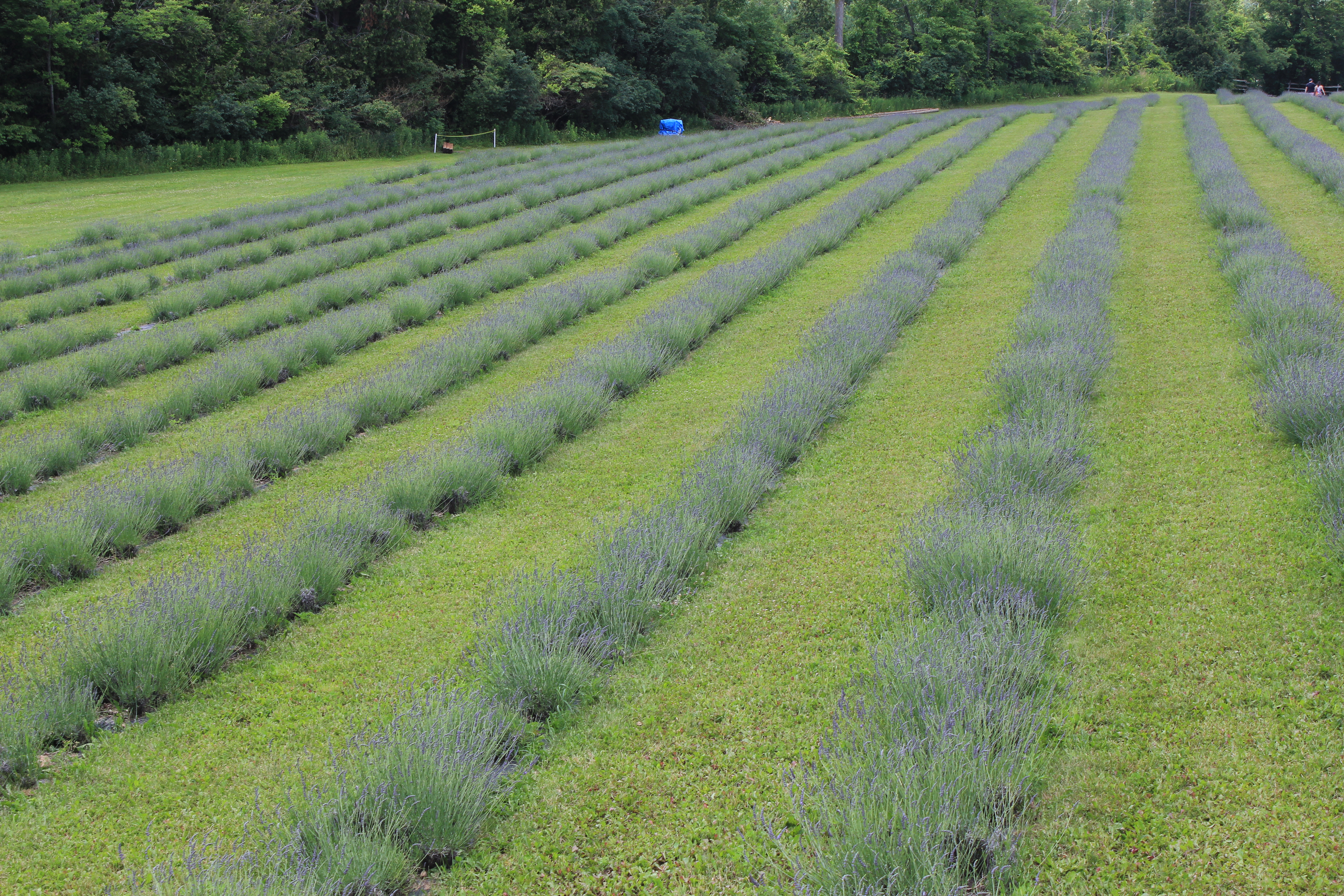
How to Grow Lavender: Complete Zone-by-Zone Guide
Lavender, with its intoxicating fragrance, beautiful purple blooms, and drought-tolerant nature, is a beloved plant for gardeners worldwide. Growing lavender successfully involves understanding its core needs: plenty of sunlight, well-draining soil, and appropriate pruning. While it thrives in Mediterranean climates, many varieties are surprisingly adaptable, allowing gardeners in various USDA hardiness zones to enjoy its beauty. This guide will walk you through everything you need to know to cultivate thriving lavender plants, from choosing the right type to zone-specific care tips and common challenges.
🌱 Get Personalized Plant Picks
Answer a few quick questions and we’ll match plants to your exact yard conditions.
Find My Plants →What are the Different Types of Lavender and Which is Right for My Zone?
Choosing the right lavender variety is crucial for success, especially when considering your USDA hardiness zone. There are four main types, each with slightly different characteristics and cold hardiness:
English Lavender ( Lavandula angustifolia ):
- Hardiness Zones: USDA 5-9. This is the most cold-hardy type.
- Characteristics: Known for its strong, sweet fragrance and compact growth. It has narrow, grayish-green leaves and dense flower spikes. Excellent for culinary use, essential oils, and dried arrangements.
- Popular Cultivars: 'Hidcote', 'Munstead', 'Lavender Lady', 'Royal Velvet'.
- Best for: Colder climates where other lavenders might struggle.
Lavandin ( Lavandula x intermedia ):
- Hardiness Zones: USDA 5-9 (some cultivars may push to 5b or 6). A hybrid of English and Spike lavender.
- Characteristics: Larger plants than English lavender, with longer flower stalks and a more camphoraceous (less sweet) scent. It produces more essential oil than English lavender.
- Popular Cultivars: 'Grosso', 'Provence', 'Grape', 'Super'.
- Best for: Larger landscapes, hedging, and commercial oil production. Good cold tolerance.
French Lavender ( Lavandula stoechas ):
- Hardiness Zones: USDA 7-10. Less cold-hardy than English or Lavandin.
- Characteristics: Distinctive "bunny ear" or "butterfly" bracts atop the flower spikes. The fragrance is often more resinous or pine-like, less sweet. Blooms earlier and often reblooms.
- Popular Cultivars: 'Anouk', 'Otto Quast', 'Silver Anouk'.
- Best for: Warmer climates and containers where it can be moved indoors in winter.
Fringed Lavender ( Lavandula dentata ):
- Hardiness Zones: USDA 8-11. The least cold-hardy.
- Characteristics: Toothed, gray-green leaves and pale purple flowers. Blooms almost continuously in warm climates.
- Best for: Mild, frost-free regions or as an annual elsewhere.
Quick Reference: Lavender Types by Hardiness Zone
| Lavender Type | USDA Hardiness Zones | Key Characteristics | Best For |
|---|---|---|---|
| English | 5-9 | Strong, sweet fragrance; compact; culinary & essential oil | Colder climates, culinary, small gardens |
| Lavandin | 5-9 | Larger plants; camphoraceous scent; long stalks; high oil yield | Larger landscapes, hedging, commercial oil |
| French | 7-10 | "Bunny ear" bracts; pine-like scent; early & reblooming | Warmer climates, containers |
| Fringed | 8-11 | Toothed leaves; continuous bloom; mild fragrance | Mild, frost-free regions, annuals |
What are Lavender's Basic Growing Requirements?
Regardless of the variety, lavender has a few non-negotiable needs to thrive:
- Sunlight: Lavender absolutely demands full sun, meaning at least 6-8 hours of direct sunlight per day. Less sun will result in leggy growth, fewer flowers, and a weaker fragrance.
- Soil: This is perhaps the most critical factor. Lavender requires exceptionally well-draining soil. It hates "wet feet" and will quickly succumb to root rot in heavy, waterlogged conditions.
- Ideal Soil pH: Slightly alkaline to neutral (pH 6.5-7.5). If your soil is acidic, amend it with a bit of horticultural lime.
- Improving Drainage: If you have clay soil, amend generously with organic matter like compost, grit, or sand to improve drainage. Raised beds or planting on mounds are excellent solutions.
- Watering: Once established, lavender is very drought-tolerant. Water deeply but infrequently. Allow the soil to dry out completely between waterings. Overwatering is a common killer.
- First Year: Water more regularly during the first growing season to help the plant establish a strong root system.
- Air Circulation: Good air circulation helps prevent fungal diseases. Space plants appropriately according to their mature size.
- Fertilizing: Lavender is not a heavy feeder. In fact, too much fertilizer, especially nitrogen, can lead to lush foliage but fewer flowers. A light application of compost in spring is usually sufficient. Avoid high-nitrogen fertilizers.
How Do I Plant and Prune Lavender for Best Results?
Planting:
- Timing: Plant lavender in spring after the last frost, once the soil has warmed up.
- Location: Choose a sunny spot with excellent drainage.
- Preparation: Dig a hole twice as wide as the root ball and just as deep. If planting in heavy soil, consider amending the entire bed or planting in a raised bed.
- Placement: Gently remove the plant from its container. If roots are circling, tease them apart. Place the plant so the top of the root ball is level with the soil surface.
- Backfill: Fill the hole with amended soil, gently firming around the base.
- Water: Water thoroughly after planting.
- Mulch (Optional): In very hot, dry climates, a light layer of gravel or light-colored mulch can help keep roots cool and suppress weeds. Avoid organic mulches that retain moisture around the crown.
Pruning: Regular pruning is essential for maintaining lavender's shape, promoting vigorous growth, and encouraging abundant blooms. Without it, plants can become woody, leggy, and produce fewer flowers.
- First Year (Establishment Pruning): After the first flush of flowers, prune back the spent flower stalks and about 1/3 of the foliage. This encourages branching and a bushier plant.
- Annual Pruning (Spring): In early spring, just as new growth begins to appear, prune back about 1/3 of the plant's overall size, focusing on removing any dead, damaged, or woody stems. Aim to maintain a rounded, compact shape. Avoid cutting into old, woody stems that have no green growth, as they may not regenerate.
- Post-Bloom Pruning (Summer): After the main flowering period, deadhead spent flower stalks. You can also give the plant a light trim, removing about 2-3 inches of the top growth to encourage a second, smaller flush of blooms and maintain shape.
What are Common Pests and Diseases of Lavender?
Lavender is generally quite pest and disease resistant, especially when its basic needs are met. However, a few issues can arise:
- Root Rot: The most common killer, caused by overly wet, poorly draining soil. Prevention is key: ensure excellent drainage and avoid overwatering.
- Fungal Diseases (e.g., Botrytis Blight): Can occur in humid conditions or with poor air circulation. Symptoms include gray mold on leaves and stems. Improve air circulation, avoid overhead watering, and prune affected parts.
- Cercospora Leaf Spot: Small, dark spots on leaves. Usually not severe, but can be managed by improving air circulation and removing affected foliage.
- Aphids: Small, soft-bodied insects that can cluster on new growth. Usually not a major problem for lavender; a strong spray of water can dislodge them.
- Spittlebugs: Produce frothy "spittle" on stems. Harmless to the plant, but can be unsightly. Wash off with water.
- Deer and Rabbits: Lavender is generally considered deer and rabbit resistant due to its strong fragrance and somewhat bitter taste. However, no plant is truly deer-proof, especially when food sources are scarce.
Is Lavender Safe for Pets?
Good news for pet owners! Lavender ( Lavandula angustifolia and other common garden varieties) is generally not listed as toxic to dogs or cats by the ASPCA. However, it's important to note that consuming large quantities of any plant material can cause mild gastrointestinal upset in pets, such as vomiting or diarrhea. Essential oils, which are highly concentrated, are a different story and can be toxic if ingested or applied topically to pets. Stick to the plant itself for garden enjoyment.
If you suspect your pet has ingested a toxic plant, call the ASPCA Animal Poison Control Center immediately at (888) 426-4435.
Companion Plants for Lavender
Lavender pairs beautifully with other sun-loving, drought-tolerant plants that also prefer well-drained soil. Consider these companions for a stunning and low-maintenance garden:
- Roses: The classic combination, providing contrasting textures and complementary fragrances.
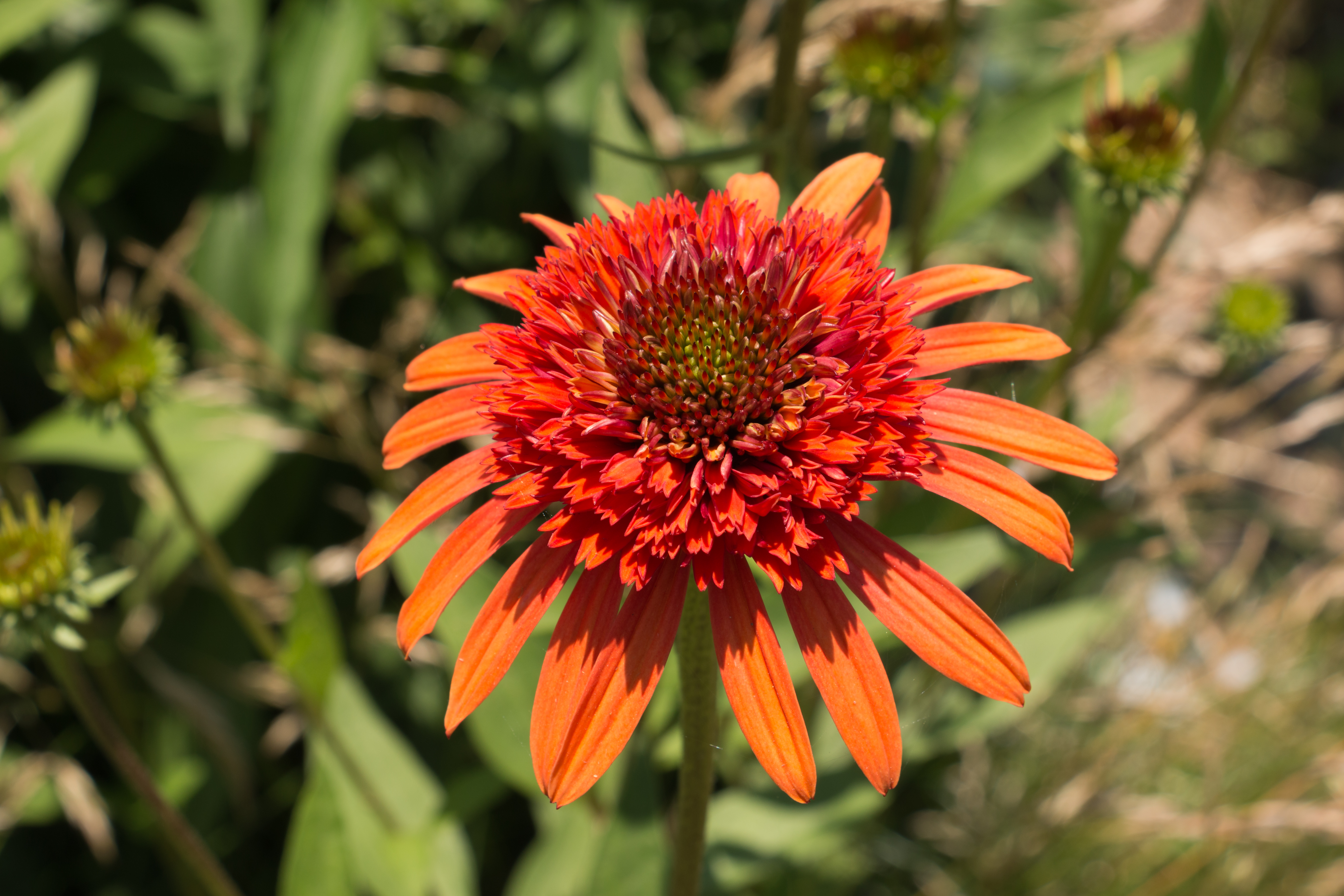
- Coneflower ( Echinacea ): Adds bright, daisy-like blooms and similar growing requirements.
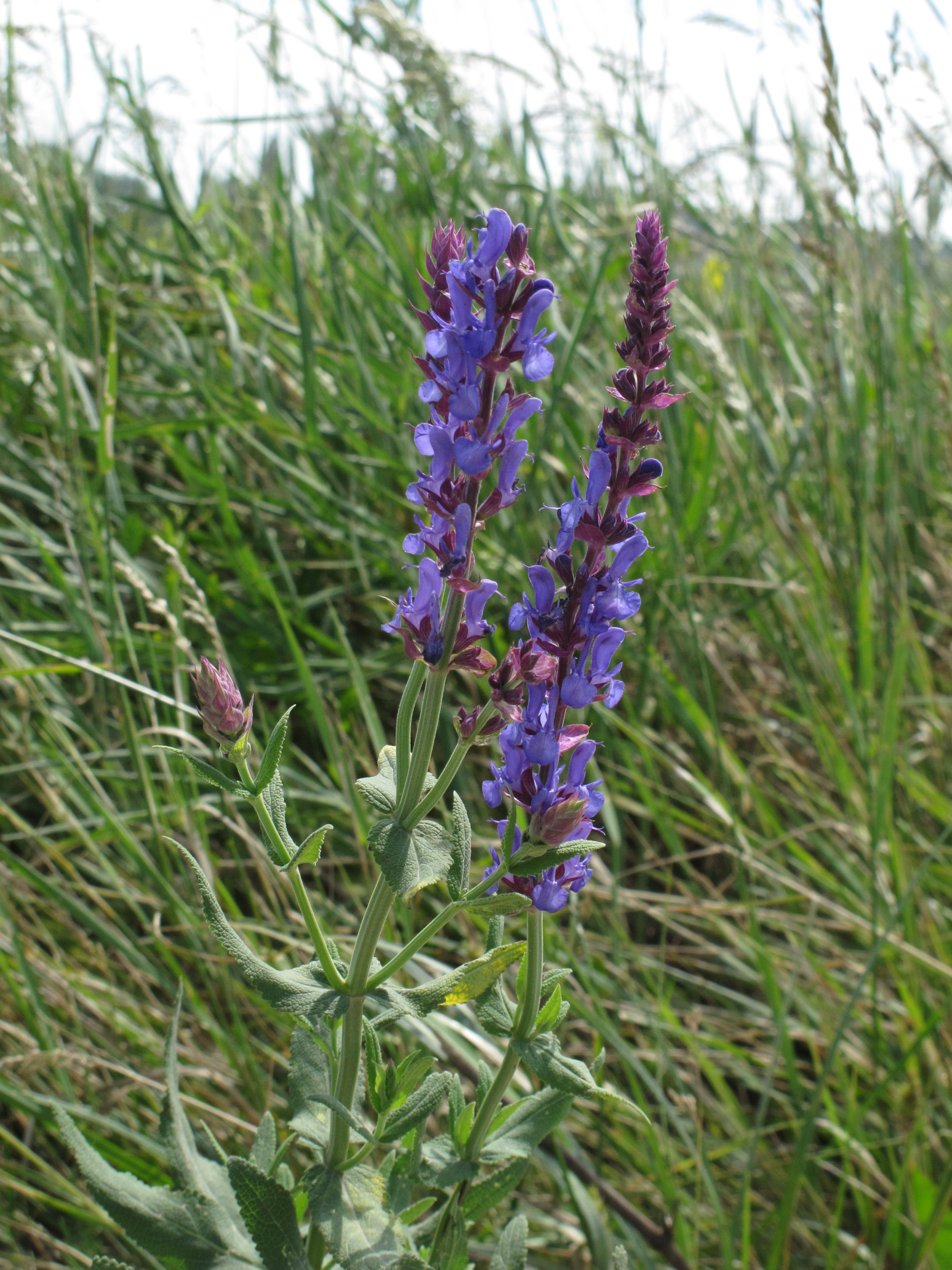
- Salvia: Many varieties of Salvia (like 'May Night' or 'Caradonna') offer spikes of purple or blue flowers that echo lavender's form.
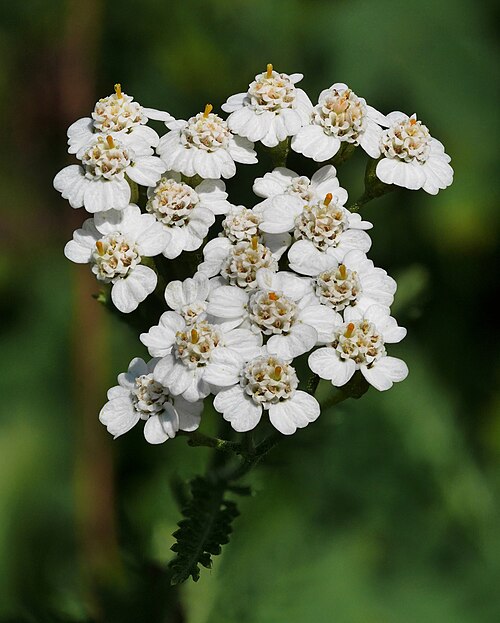
- Yarrow ( Achillea ): Flat-topped flower clusters in various colors, excellent for dry conditions.
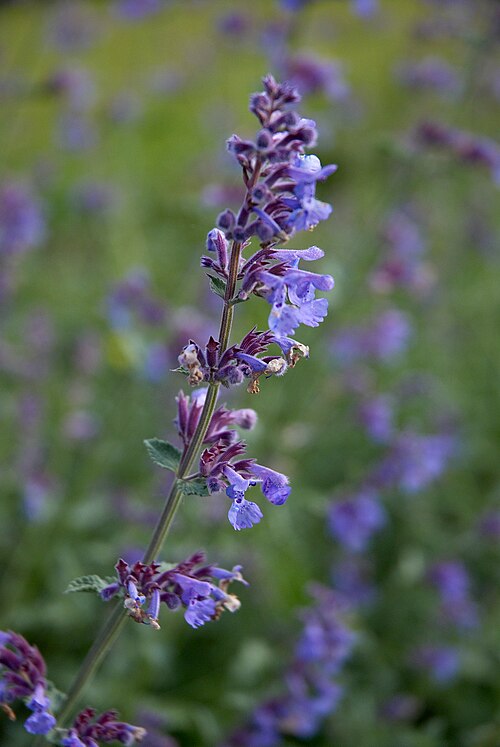
- Catmint ( Nepeta ): Similar appearance to lavender but often more tolerant of a wider range of conditions, extending the purple bloom season.
- Sedum: Succulent foliage and late-season blooms provide great texture.
- Ornamental Grasses: Offer movement and a contrasting fine texture.
Ready to find the perfect plants for your yard? Try the PlantWise Plant Finder →