Lawn & Turf Mastery: The Complete Guide to a Perfect Lawn
Achieving a perfect lawn involves a holistic approach, starting with understanding your soil, selecting the right grass type, and consistently applying proper care techniques like watering, mowing, fertilizing, and pest management. A perfect lawn isn't just about aesthetics; it's a healthy ecosystem that enhances your home's curb appeal, provides a soft space for recreation, and even contributes to local environmental health by filtering water and producing oxygen. This guide will walk you through every step to cultivate a lush, green carpet you'll be proud of.
🌱 Get Personalized Plant Picks
Answer a few quick questions and we’ll match plants to your exact yard conditions.
Find My Plants →Understanding Your Soil: The Foundation of a Great Lawn
Before you even think about seeding or sodding, understanding your soil is paramount. Healthy soil is the bedrock of a thriving lawn.
Soil Testing: The most crucial first step is a soil test. You can purchase a kit online or send a sample to your local extension office. A soil test will reveal:
- pH Level: Most turf grasses prefer a slightly acidic to neutral pH (6.0-7.0). If your pH is too high (alkaline), you might need to add sulfur; if too low (acidic), lime can help.
- Nutrient Levels: It will tell you if your soil is deficient in essential nutrients like nitrogen (N), phosphorus (P), and potassium (K), as well as micronutrients. This information is vital for selecting the right fertilizer.
- Soil Composition: While a basic test might not detail clay, sand, and silt percentages, it can give clues about drainage and water retention.
Soil Amendments: Based on your soil test, you might need to amend your soil.
- Organic Matter: Incorporating compost or other organic materials improves soil structure, drainage in clay soils, and water retention in sandy soils. It also provides a slow release of nutrients.
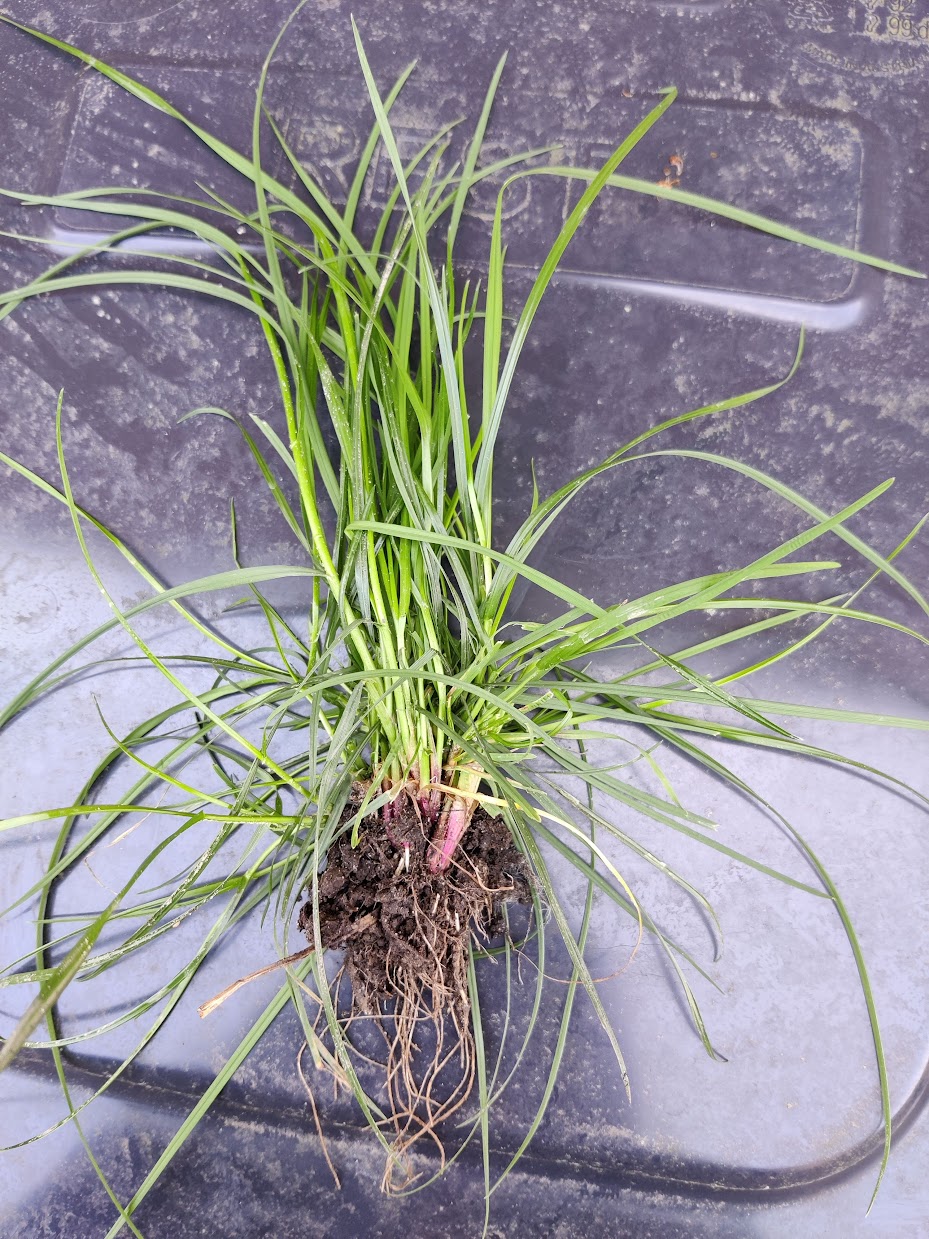
- Aeration: Compacted soil prevents water, air, and nutrients from reaching grass roots. Core aeration, which removes small plugs of soil, is an excellent way to alleviate compaction, especially in high-traffic areas. Do this in spring or fall when your grass is actively growing.
Choosing the Right Grass Type
Selecting the appropriate grass for your climate and conditions is critical for long-term success. Grasses are generally categorized into cool-season and warm-season varieties.
Cool-Season Grasses: These thrive in regions with cold winters and hot summers, growing most actively in spring and fall.
- Kentucky Bluegrass: Known for its beautiful color and dense growth, but requires more water and maintenance.
- Perennial Ryegrass: Establishes quickly, good for overseeding and high-traffic areas.
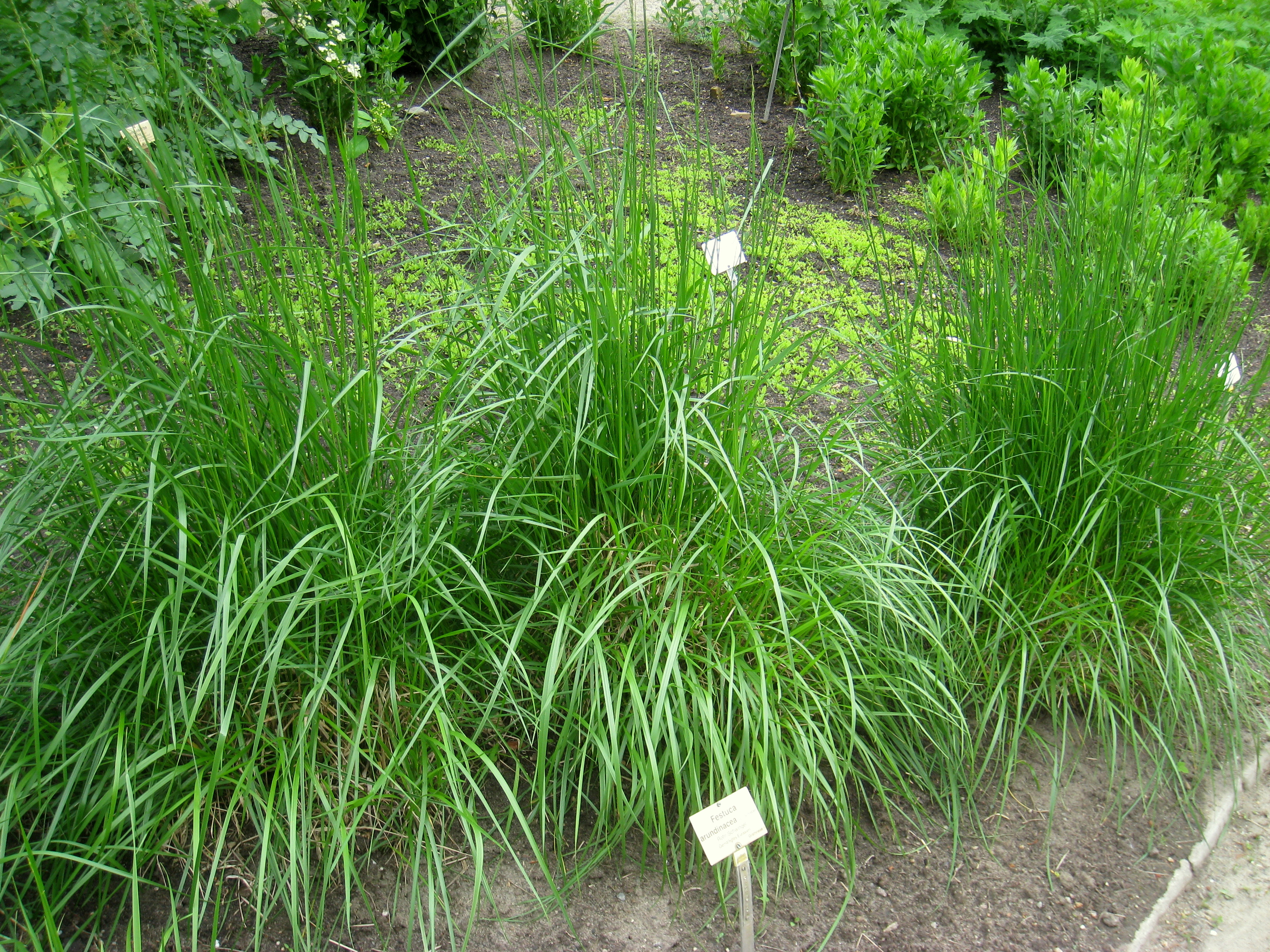
- Tall Fescue: Drought-tolerant, heat-tolerant, and adaptable to various soil types.
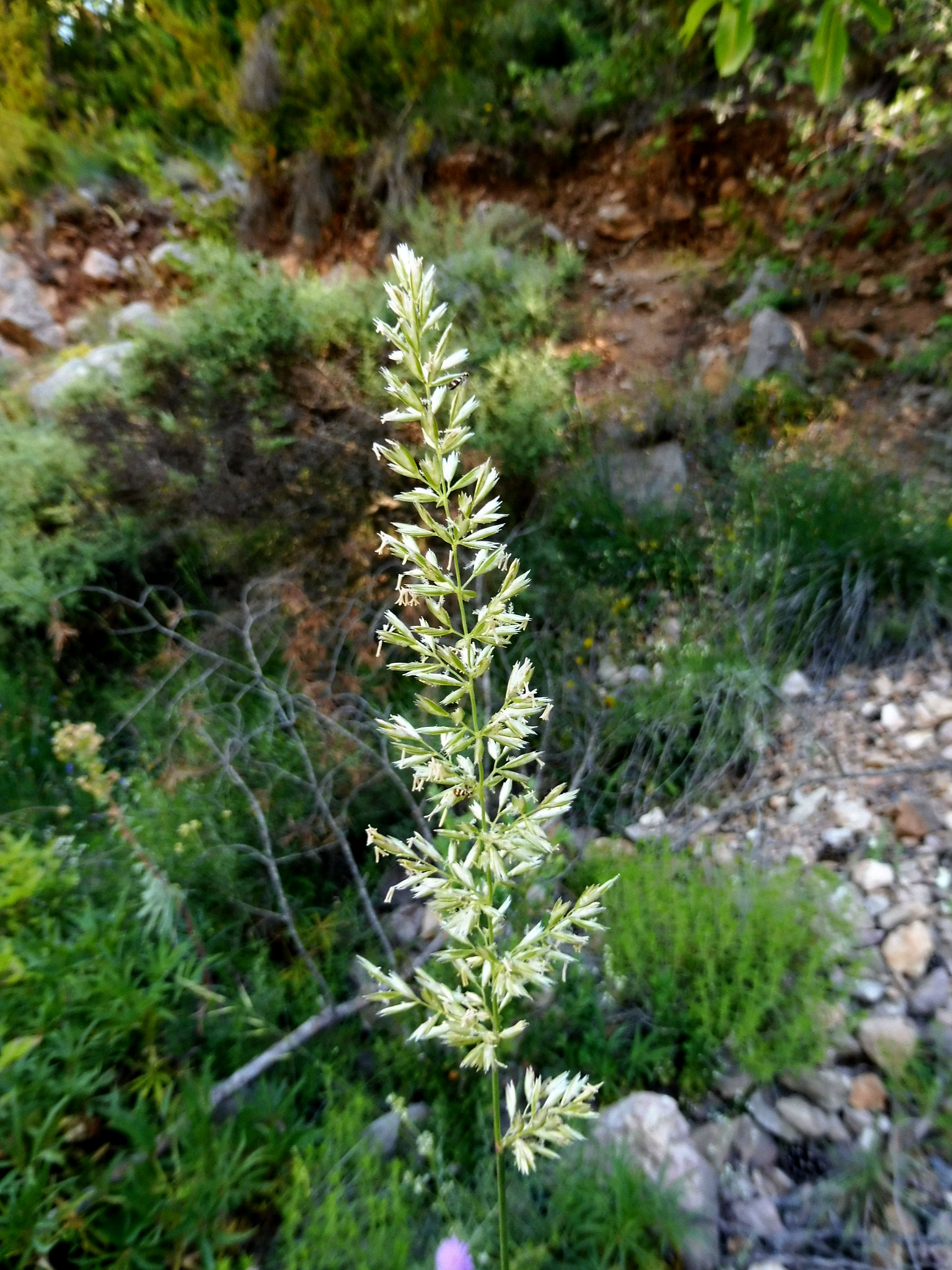
- Fine Fescue (Creeping Red, Chewings, Hard): Excellent for shady areas and low-maintenance lawns.
Warm-Season Grasses: These prefer hot climates, growing actively in late spring and summer, often going dormant and turning brown in winter.
- Bermudagrass: Very heat and drought-tolerant, aggressive spreader, good for high-traffic.
- Zoysiagrass: Dense, slow-growing, very drought and shade tolerant once established.
- St. Augustinegrass: Coarse texture, good for warm, humid climates, tolerant of shade.
- Centipedegrass: Low-maintenance, heat-tolerant, prefers acidic soil.
Consider your local climate, sun exposure, traffic levels, and desired maintenance commitment when making your choice.
Essential Lawn Care Practices
Consistent and proper care is what truly transforms a good lawn into a great one.
Mowing
Mowing isn't just about tidiness; it's a vital health practice.
- Height: Mow at the highest recommended height for your grass type (usually 2.5-3.5 inches). Taller grass shades the soil, reducing weed germination and moisture evaporation, and encourages deeper root growth.
- Frequency: Mow often enough so that you're never removing more than one-third of the grass blade's height at a time. This prevents stressing the grass.
- Sharp Blades: Dull mower blades tear grass, leaving ragged edges that turn brown and are more susceptible to disease. Sharpen your blades annually or every 25 hours of use.
- Clippings: Leave grass clippings on the lawn. They return valuable nutrients and organic matter to the soil, acting as a natural fertilizer.
Watering
Proper watering is key to a deep, healthy root system.
- Deep and Infrequent: Water deeply (to saturate the top 4-6 inches of soil) but infrequently. This encourages roots to grow deeper in search of water, making the lawn more drought-tolerant.
- Timing: Water early in the morning (before 10 AM) to minimize evaporation and allow grass blades to dry before nightfall, which reduces fungal disease risk.
- Signs of Thirst: Watch for grass blades that appear dull, bluish-gray, or remain flat after being stepped on.
Fertilizing
Fertilizer provides the nutrients your grass needs to grow strong and green.
- Soil Test First: Always base your fertilization plan on your soil test results.
- N-P-K Ratio: Fertilizers are labeled with three numbers (e.g., 10-10-10) representing the percentage of nitrogen (N), phosphorus (P), and potassium (K).
- Nitrogen (N): Promotes lush, green growth.
- Phosphorus (P): Important for root development and seedling growth.
- Potassium (K): Enhances overall plant health, disease resistance, and stress tolerance.
- Timing: Cool-season grasses benefit from applications in early spring and fall. Warm-season grasses prefer late spring and summer applications. Avoid fertilizing dormant grass.
Weed, Pest, and Disease Management
A perfect lawn is one free from unwanted invaders.
- Weeds:
- Prevention: A thick, healthy lawn is the best defense against weeds. Proper mowing height and watering help.
- Pre-emergents: Apply in early spring or fall to prevent weed seeds from germinating.
- Post-emergents: Spot treat existing weeds with appropriate herbicides.
- Manual Removal: For a few weeds, pulling them by hand (especially before they go to seed) is effective.
- Pests: Common lawn pests include grubs, chinch bugs, and armyworms. Identify the pest before treating, as different pests require different solutions. Beneficial nematodes can be a natural control for grubs.
- Diseases: Fungal diseases (like brown patch or dollar spot) often appear due to excessive moisture, poor air circulation, or nutrient imbalances. Proper watering, aeration, and avoiding over-fertilization can prevent many issues.
Quick Reference: Lawn Care Schedule (General)
| Season | Cool-Season Grasses | Warm-Season Grasses |
|---|---|---|
| Early Spring | Apply pre-emergent for weeds. Light fertilization. | Apply pre-emergent for weeds. Wait to fertilize. |
| Late Spring | Fertilize. Aerate if needed. Overseed bare spots. | Fertilize. Begin regular mowing. |
| Summer | Mow high. Water deeply as needed. Spot treat weeds. | Fertilize. Mow regularly. Water deeply as needed. |
| Early Fall | Fertilize. Aerate. Overseed. Apply pre-emergent for winter weeds. | Apply pre-emergent for winter weeds. |
| Late Fall | Winterize fertilizer (high K). Final mow. | Reduce watering. Prepare for dormancy. |
Note: This is a general guide. Always consult local extension resources for specific timing and product recommendations for your region.
Beyond the Lawn: Companion Planting for a Thriving Yard
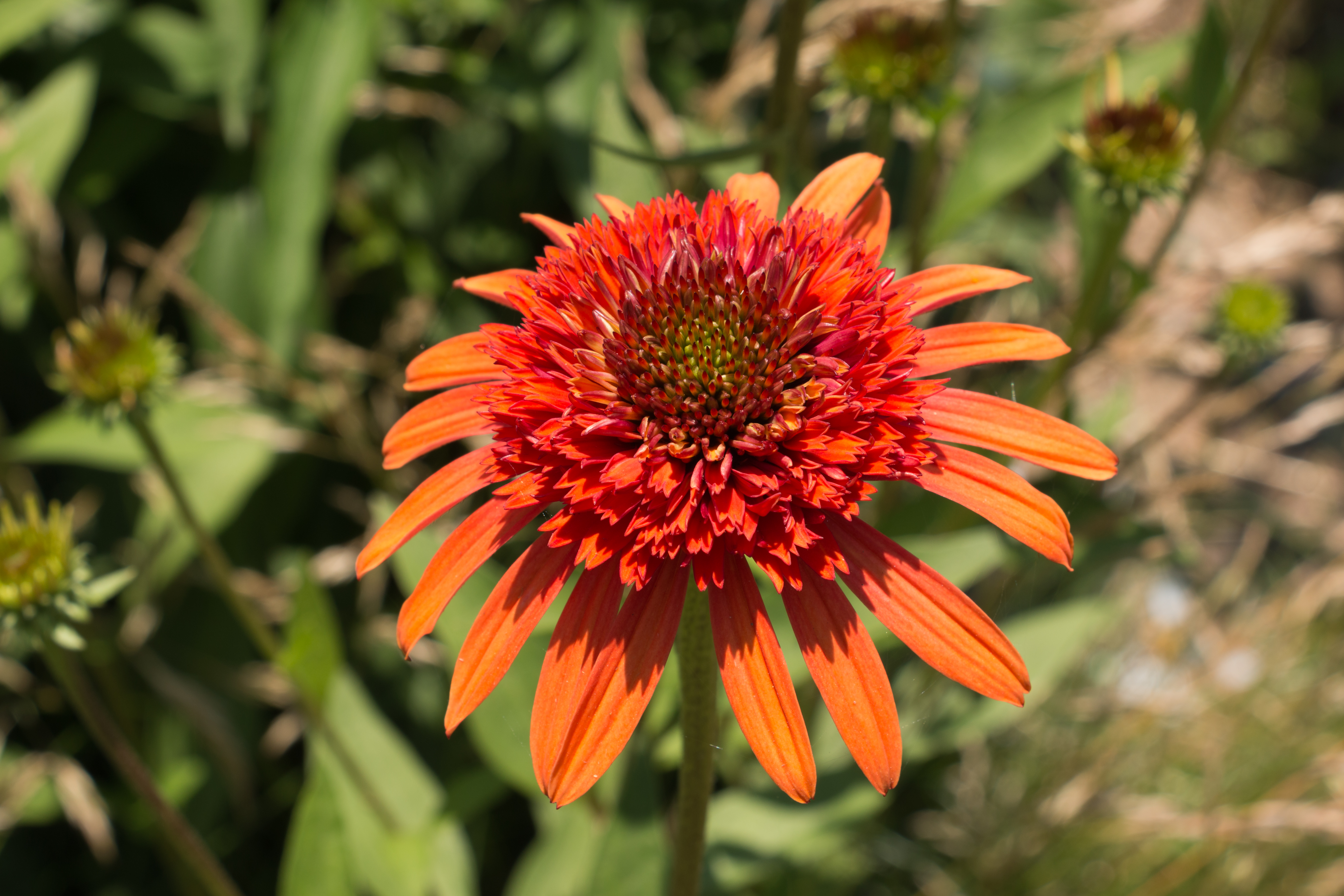
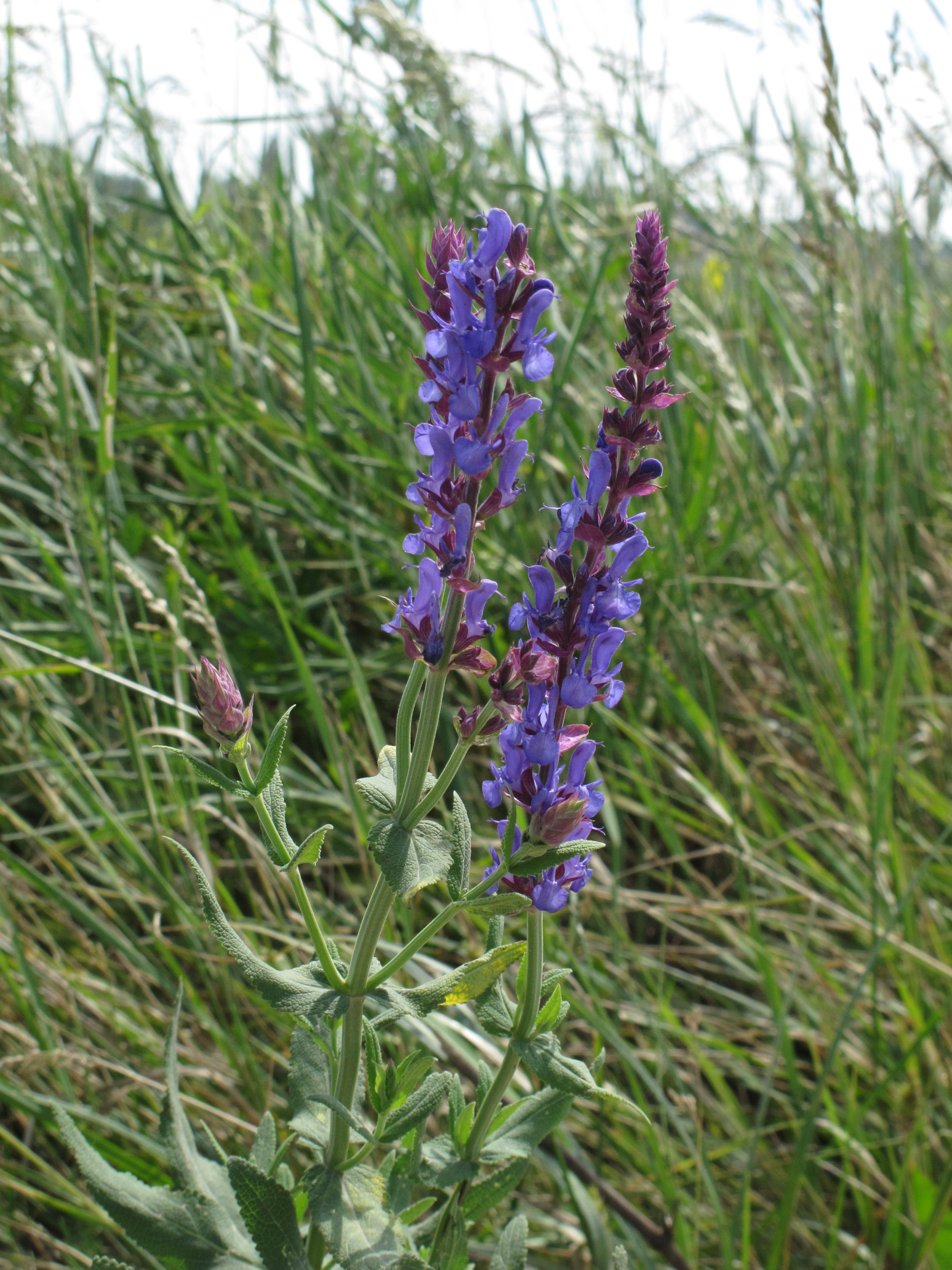
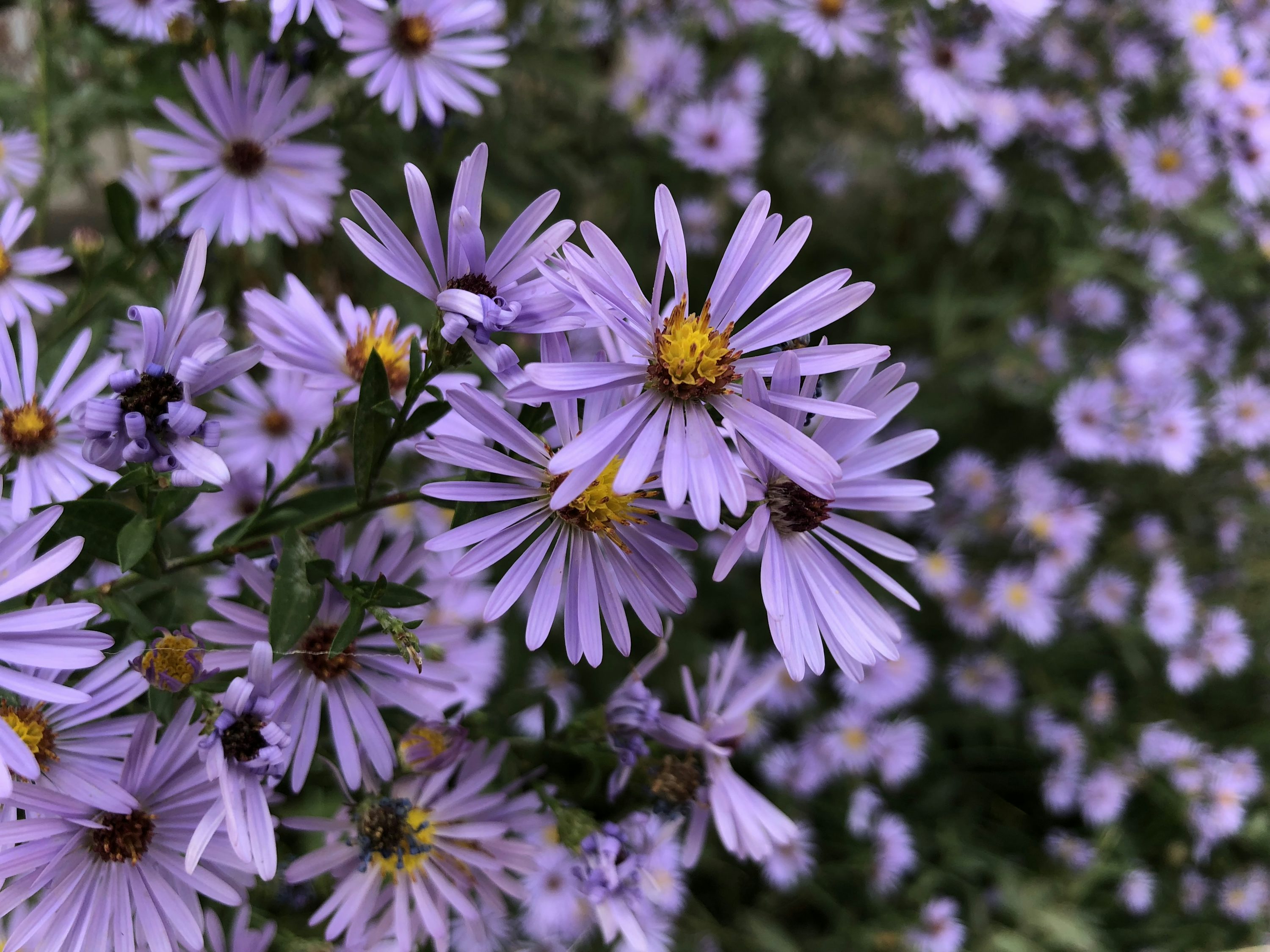
While a lush lawn is beautiful, integrating native plants and perennials can enhance biodiversity, attract pollinators, and reduce the overall lawn footprint, leading to a more sustainable and vibrant yard. Consider planting along your lawn's edges or in dedicated garden beds.
Mastering your lawn takes patience and consistent effort, but the rewards of a vibrant, healthy green space are well worth it. By understanding your soil, choosing the right grass, and following these essential care practices, you'll be well on your way to achieving the perfect lawn you've always dreamed of.
Ready to find the perfect plants for your yard? Try the PlantWise Plant Finder →