A living greens centerpiece is a row of small rooted plants, left in their nursery pots and set into a long tray or trough, then dressed with moss so it looks like one planting. Keep it under about 12 inches tall so guests can see each other, pick plants that tolerate a few days of lower light, use flameless candles instead of real flames, and move the plants back to a bright window after the meal. Done this way, the same plants decorate the table for several gatherings and then keep growing as houseplants.
Cut greens look lovely for a week or two and then go in the compost. Rooted plants keep going. The trick is to treat the table as a short visit, not a new home: the plants live in good light most of the time and come to the table for the event.
Pick plants that handle a few days on the table
Most dining tables sit well back from windows, so choose plants that can handle a few days of medium or low light without sulking. Small plants in 3 to 4 inch pots are easiest to arrange.
- Rosemary gives a fresh scent and a fine, needle like texture. It needs the brightest window you have between events. See bay laurel and rosemary topiaries indoors.
- Small ferns such as Boston fern and button fern add soft, trailing green. Keep their mix evenly moist.
- Parlor palm seedlings give height in the middle of a long trough and tolerate lower light well.
- Peperomia, nerve plant (fittonia), and polka dot plant add color and pattern at the front edge. Nerve plant wilts dramatically when dry and recovers quickly after a drink.
- Thyme and other small herbs work for a kitchen or harvest table and can be snipped for the meal.
Avoid tall or floppy plants, anything with strong pollen, and any plant your guests or pets could have trouble with (see the pet notes below). For a no fuss alternative, tabletop succulent centerpieces handle low light and dry air with almost no watering.
🌱 Get Personalized Plant Picks
Answer a few quick questions and we’ll match plants to your exact yard conditions.
Find My Plants →Build it in a tray, not in soil
Leave every plant in its own nursery pot. That way you can water each one at the sink, swap out a tired plant, and take the whole thing apart without disturbing roots.
- Choose a long, shallow, waterproof container. A narrow indoor trough, a lined wooden box, or a rimmed serving tray all work. Aim for roughly a third to half the length of the table.
- Line it. Set saucers or a plastic liner in the bottom so no water reaches the table finish.
- Arrange the pots. Put the tallest plant, such as a parlor palm, near the middle, mid height plants on either side, and trailing or low plants at the ends and front edge. Tilt a few pots slightly so the foliage fills gaps.
- Hide the rims. Tuck preserved sheet moss over the pots and between them, then add a few smooth stones, pine cones, or small ornaments in the open spaces.
- Check sight lines. Sit in a chair and look across. If you cannot see the person across from you, lower or trim the tallest plant.
Shop centerpiece supplies on Amazon
A long indoor trough to hold small nursery pots, preserved sheet moss to hide the rims, and saucers to keep water off the table. We may earn a commission at no extra cost to you.
Amazon · Long indoor trough planter Amazon · Preserved sheet moss Amazon · Plant saucers
Light and water around the event
Two or three days at the table is fine for most of these plants. For longer displays, rotate them back to a bright window every few days, or pull the centerpiece apart and return the plants to their usual spots right after the gathering.
Water each pot at the sink a day before the event, let it drain completely, and set it back in the tray. That keeps water out of the liner and off the table. Mist ferns and nerve plant lightly if your heating runs dry, but keep water off candles and table linens. For dry winter rooms, humidity trays and grouping help the same plants once they are back on the windowsill, and grow light basics explains how to add light where windows are short.
Mix living plants with cut accents
A few cut stems make a living centerpiece look finished. Lay a short run of fresh eucalyptus, cedar, or berried branches along the front of the trough, or tuck single stems between pots. Keep cut stems out of the plant pots themselves. See eucalyptus bundles and fresh greenery care and branch and berry arrangements for stems that last.
Candles and safety
Use battery powered flameless candles. Real flames near dry moss, rosemary, or cut greens can catch fire faster than most people expect, and a centerpiece in the middle of a busy table is easy to bump. Keep the trough well back from the table edge so a tablecloth cannot pull it off, and lift it with both hands, since a long trough full of damp pots is heavier than it looks.
Shop lighting and care gear on Amazon
Flameless LED candles that run cool next to leaves, a fine mister, a narrow spout watering can, and decorative stones for the gaps. We may earn a commission at no extra cost to you.
Amazon · Flameless LED candles Amazon · Fine mister spray bottle Amazon · Long spout watering can Amazon · Decorative river rocks
After the gathering
Take the pots out of the tray, check each one for dry or soggy mix, and return the plants to their best light. Pinch off any yellow leaves. Shake out and store the moss and stones for the next event. Treat plants that came straight from a store like any new arrival: see gift plant acclimation after purchase for the two week quarantine routine.
Pet notes
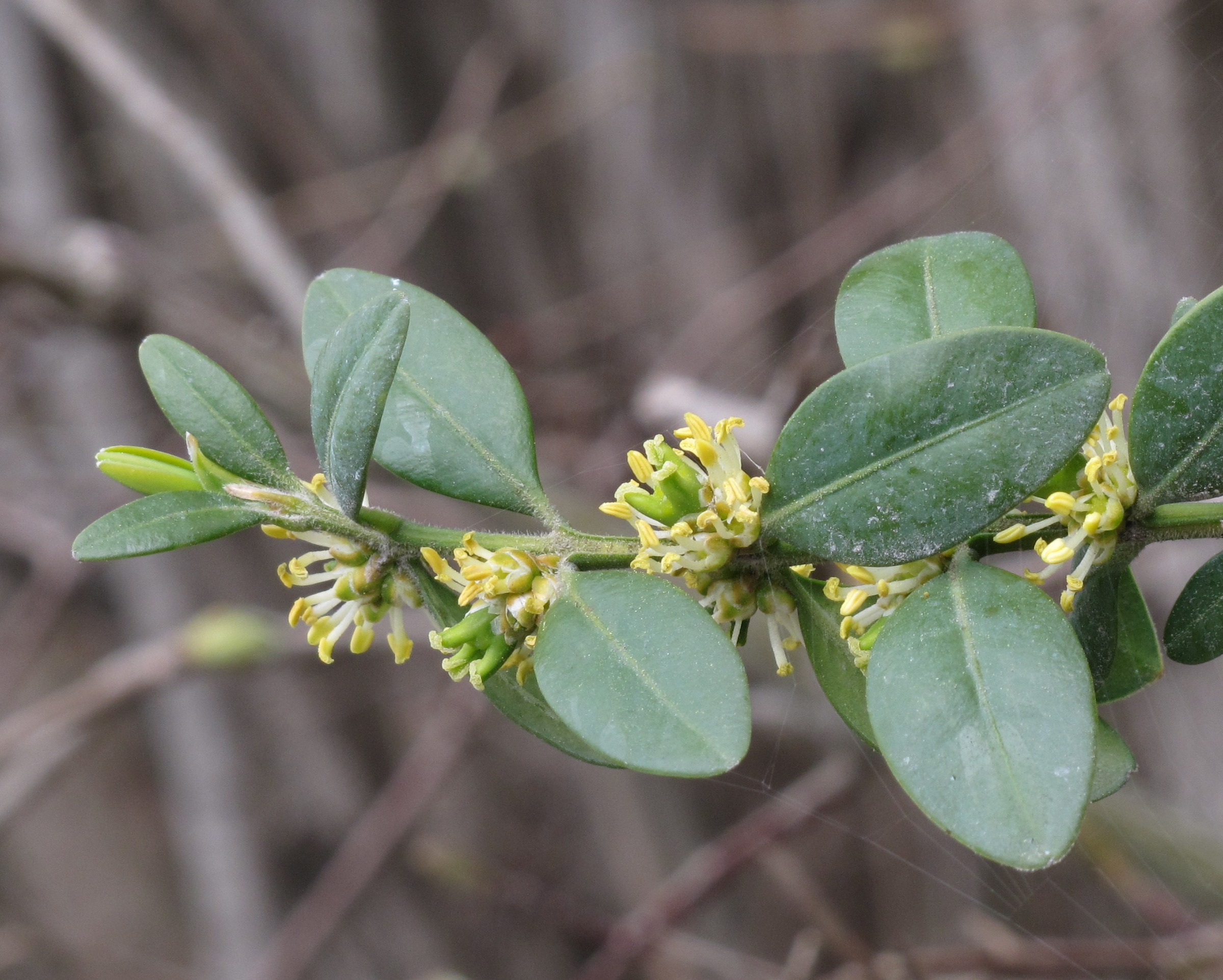
Choose centerpiece plants with pets in mind, because a table at nose height invites chewing. The ASPCA lists Boston fern, parlor palm, peperomia, nerve plant (fittonia), polka dot plant, rosemary, and thyme as non toxic to dogs and cats, although any plant can cause mild stomach upset if a pet eats a lot of it. Common table plants that the ASPCA lists as toxic include English ivy, pothos, cyclamen, kalanchoe, and boxwood. Lilies in cut flower add ins are highly toxic to cats. Moss, ribbon, wire, and small ornaments can cause a blockage if swallowed. If a pet chews a centerpiece plant and seems unwell, call your veterinarian or the ASPCA Animal Poison Control Center at (888) 426-4435. See what to do if a cat eats a plant and what to do if a dog eats a plant.
Bottom line
Keep plants in their nursery pots, set them in a lined trough, dress the top with moss, keep it low, light it with flameless candles, and send the plants back to a bright window after the meal. The same small plants can dress the table for every gathering through the cold months.
Related reading
- Tabletop succulent centerpieces for indoor gatherings
- Eucalyptus bundles and fresh greenery care
- Evergreen wreath freshness care
- Humidity trays and grouping for winter houseplants
Ready to match plants to your location? Try the PlantWise Plant Finder →