Branch and Berry Arrangements for Fall and Winter
The longest-lasting fall and winter arrangements use bare or berried branches: red or yellow twig dogwood, curly willow, birch, winterberry, rose hips, and beautyberry. Cut stems 2 to 4 feet long with sharp bypass pruners or loppers, condition them in cool water overnight, and set them in a heavy vase or urn. Dry branches last for months; berried stems in water usually hold color for 2 to 4 weeks indoors and much longer outdoors in the cold.
Branches give height and structure that flowers cannot match in the cool months, and many can be cut from shrubs you already grow while you tidy them.
Best branches to cut
- Red twig and yellow twig dogwood: bright stems that color up after leaf drop. Cutting the oldest stems actually improves the shrub.
- Curly willow: twisting stems for drama. Fresh stems often root in water.
- Birch: white bark for a winter look; use fallen or pruned limbs.
- Pussy willow: cut in late winter for soft gray catkins.
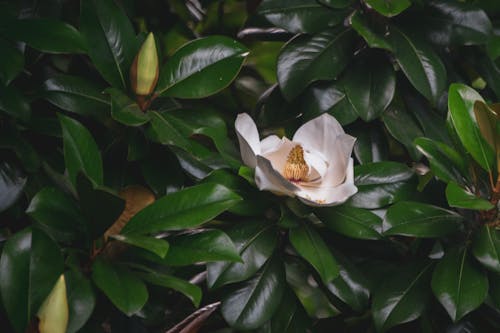
- Magnolia and southern magnolia: glossy evergreen leaves with bronze undersides.
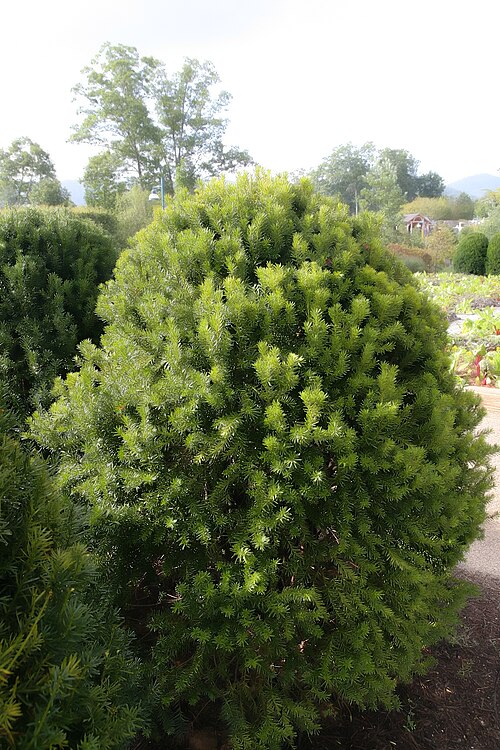
- Evergreen boughs: cedar, pine, and juniper add fullness at the base.
🌱 Get Personalized Plant Picks
Answer a few quick questions and we’ll match plants to your exact yard conditions.
Find My Plants →Best berries for arrangements
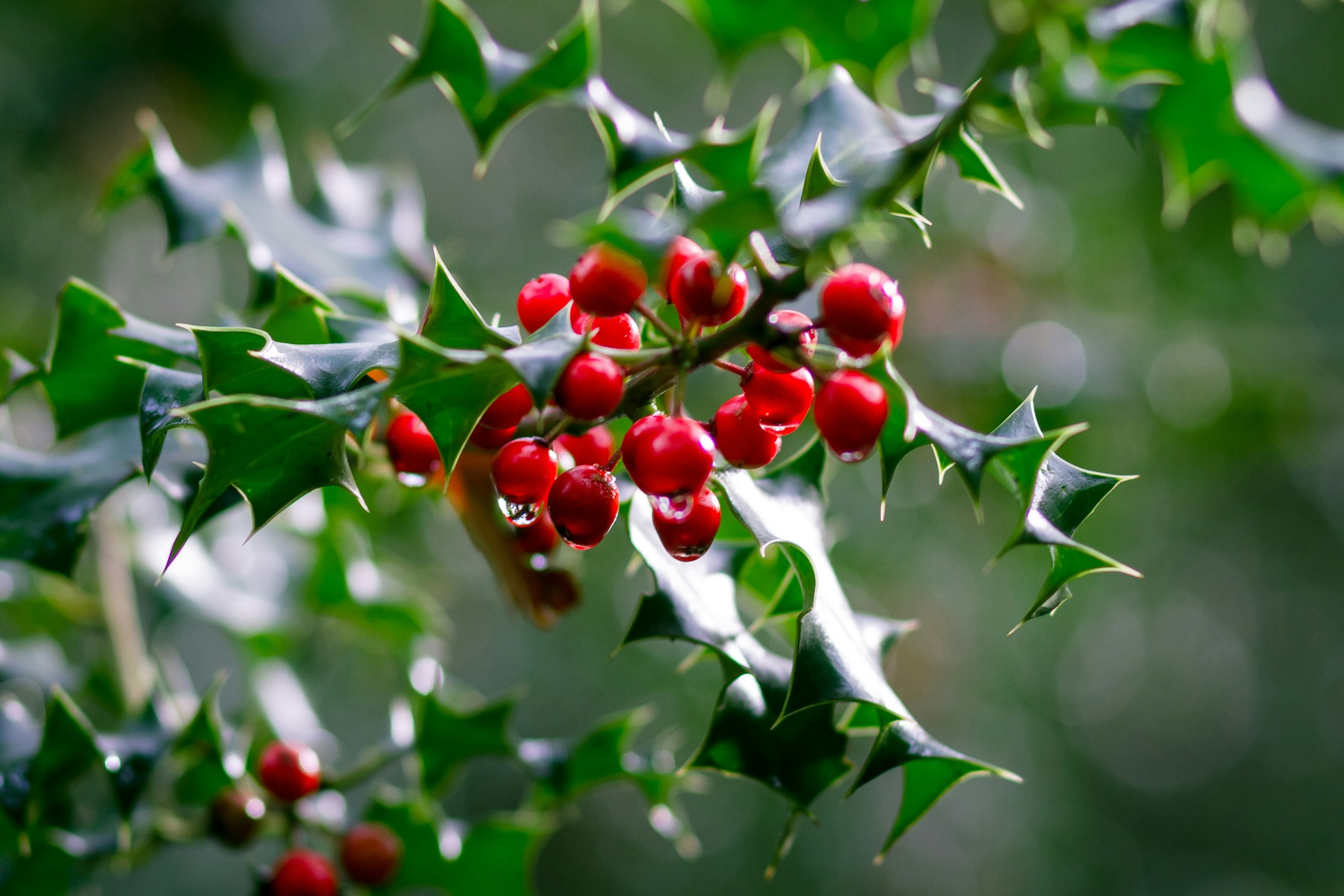
- Winterberry (Ilex verticillata): clusters of red berries on bare stems; the classic winter choice. Cut female plants only; they are the ones that fruit.
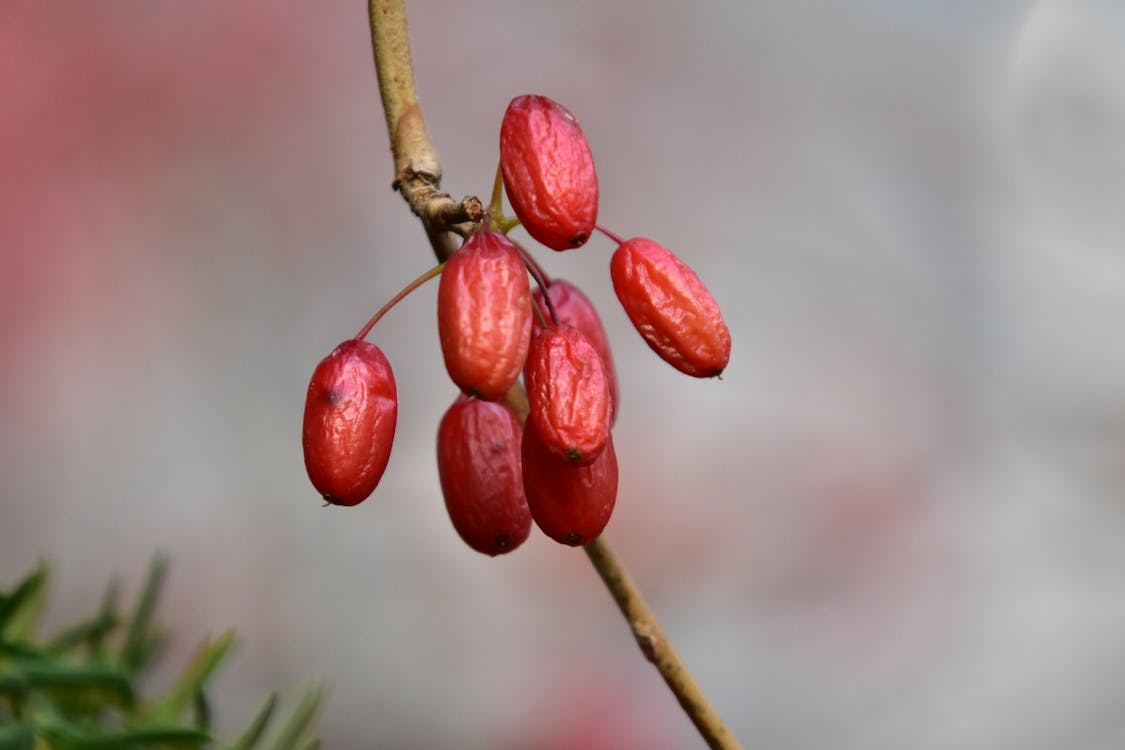
- Rose hips: red and orange hips from rugosa and other shrub roses.
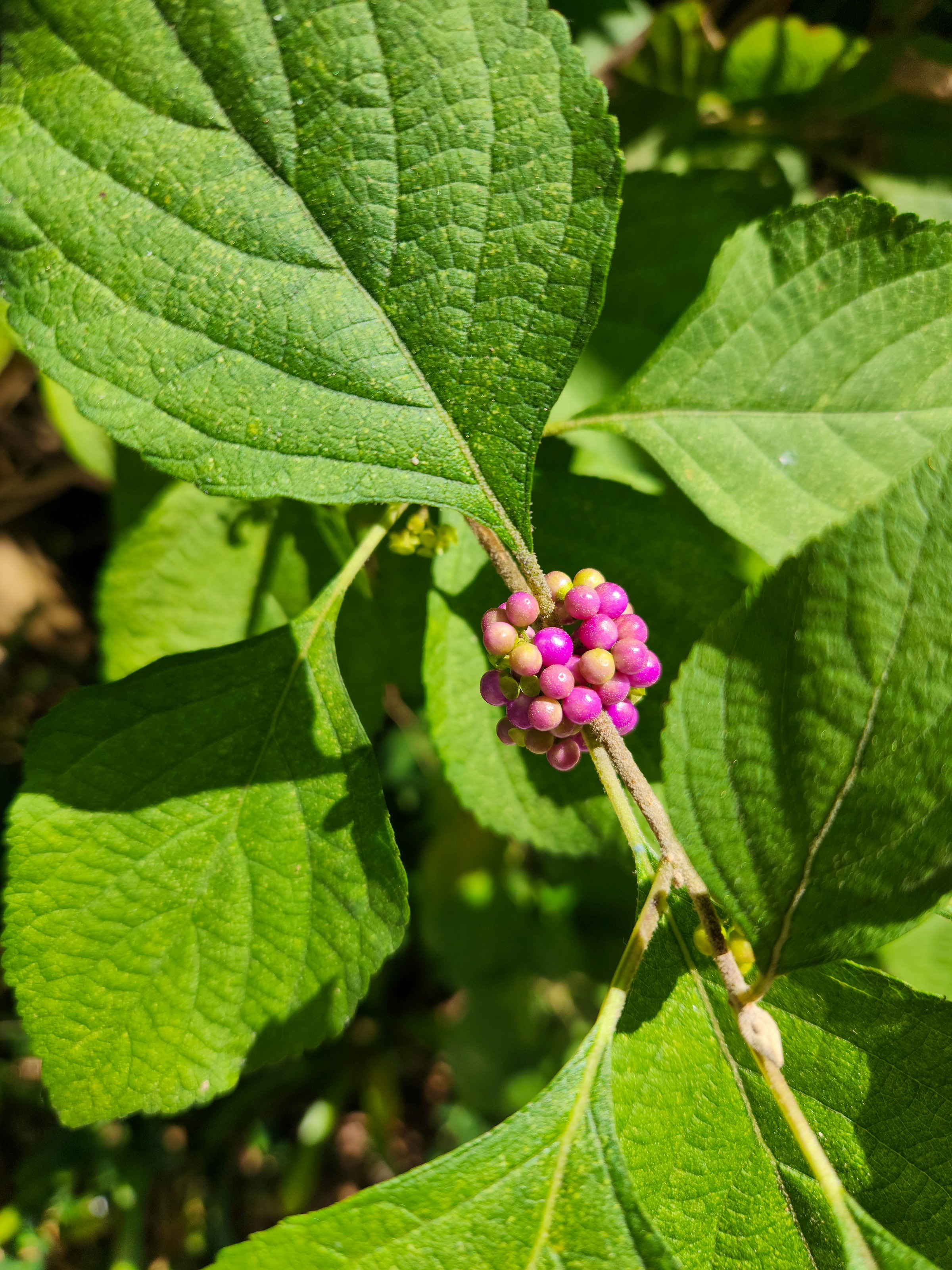
- Beautyberry: vivid purple clusters in early fall; they drop sooner, so use them for short displays.
- Viburnum: red, blue, or black fruit depending on the type.
- Hypericum and pepperberry: from florists, for color in mixed arrangements.
Skip invasive Oriental bittersweet even though it is sold for wreaths. Discarded vines spread seed. American bittersweet or winterberry give a similar look.
Shop branch cutting gear on Amazon
Sharp bypass pruners and loppers for clean cuts, plus gloves and eye protection. We may earn a commission at no extra cost to you.
Amazon · Bypass pruning shears Amazon · Heavy-duty bypass loppers Amazon · Leather gardening gloves Amazon · Clear safety glasses
How to cut branches safely
- Use sharp bypass pruners for stems up to about three quarters of an inch, and bypass loppers for stems up to about an inch and a half.
- Wear gloves and eye protection. Twigs snap back, and berried shrubs like holly and barberry scratch.
- Cut just above a bud or side branch at a slight angle, keeping your free hand clear of the blades and cutting away from your body.
- Stay off ladders with cutting tools. For anything high or larger than loppers can handle, the job calls for a pole saw or chainsaw. Those are dangerous tools: read and follow the manufacturer's manual, wear a helmet, eye and hearing protection, and gloves, and never work overhead near power lines. If you are not experienced, hire a certified arborist. See pole saws for fall tree limbs.
- Take only a few stems from each shrub and spread cuts around so the plant keeps its shape. Check shrubs you should not prune in fall before cutting spring bloomers.
Conditioning and arranging
- Recut stems indoors and make a short vertical slit at the base of woody stems so they drink.
- Soak overnight in a bucket of cool water in a garage or mudroom.
- Use a heavy, tall vase or urn, at least a third as tall as the branches, so they do not tip. Add stones or gravel to the bottom for weight.
- Build in layers: tall twigs first, then berries, then evergreen fill at the rim.
- Hold stems in place with a flower frog or a ball of chicken wire in the vase mouth.
- Change the water weekly. Berries last longest in a cool room away from heat vents.
Shop vases and stem holders on Amazon
A tall, heavy vase plus a flower frog or chicken wire to hold branches upright. We may earn a commission at no extra cost to you.
Amazon · Tall glass floor vase Amazon · Flower frog stem holder Amazon · Floral chicken wire
Outdoor urns and window boxes
Branch and berry stems shine in porch urns after the annuals fade. Push stems deep into the leftover potting mix, add evergreen boughs around them, and they hold all winter in cold zones; frozen soil locks them in place. See evergreen urns for Thanksgiving porches. Birds may eat winterberry outdoors, which many gardeners count as a bonus.
Pet notes
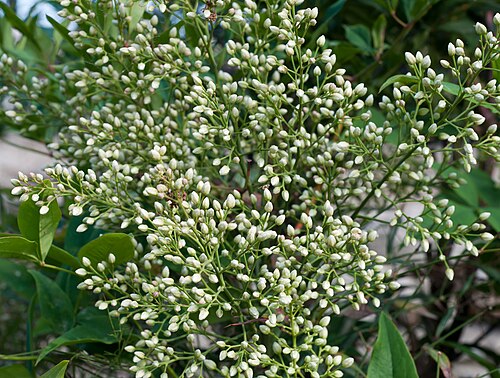
Holly is listed as toxic to dogs, cats, and horses by the ASPCA, and winterberry is a holly, so treat its berries the same way; they can cause vomiting and diarrhea. Nandina berries, yew, and mistletoe are listed as toxic too. Sweep up fallen berries, keep arrangements out of reach, and call your veterinarian or the ASPCA Animal Poison Control Center at (888) 426-4435 if a pet eats any. See the plants toxic to dogs list before choosing berries for a home with pets.
Bottom line
Cut twig dogwood, curly willow, and berried stems like winterberry with sharp bypass pruners or loppers, condition them overnight, and anchor them in a heavy vase or urn. They give fall and winter arrangements height and color for weeks, with far less upkeep than flowers.