Cornucopia Planter Ideas with Kale and Mums
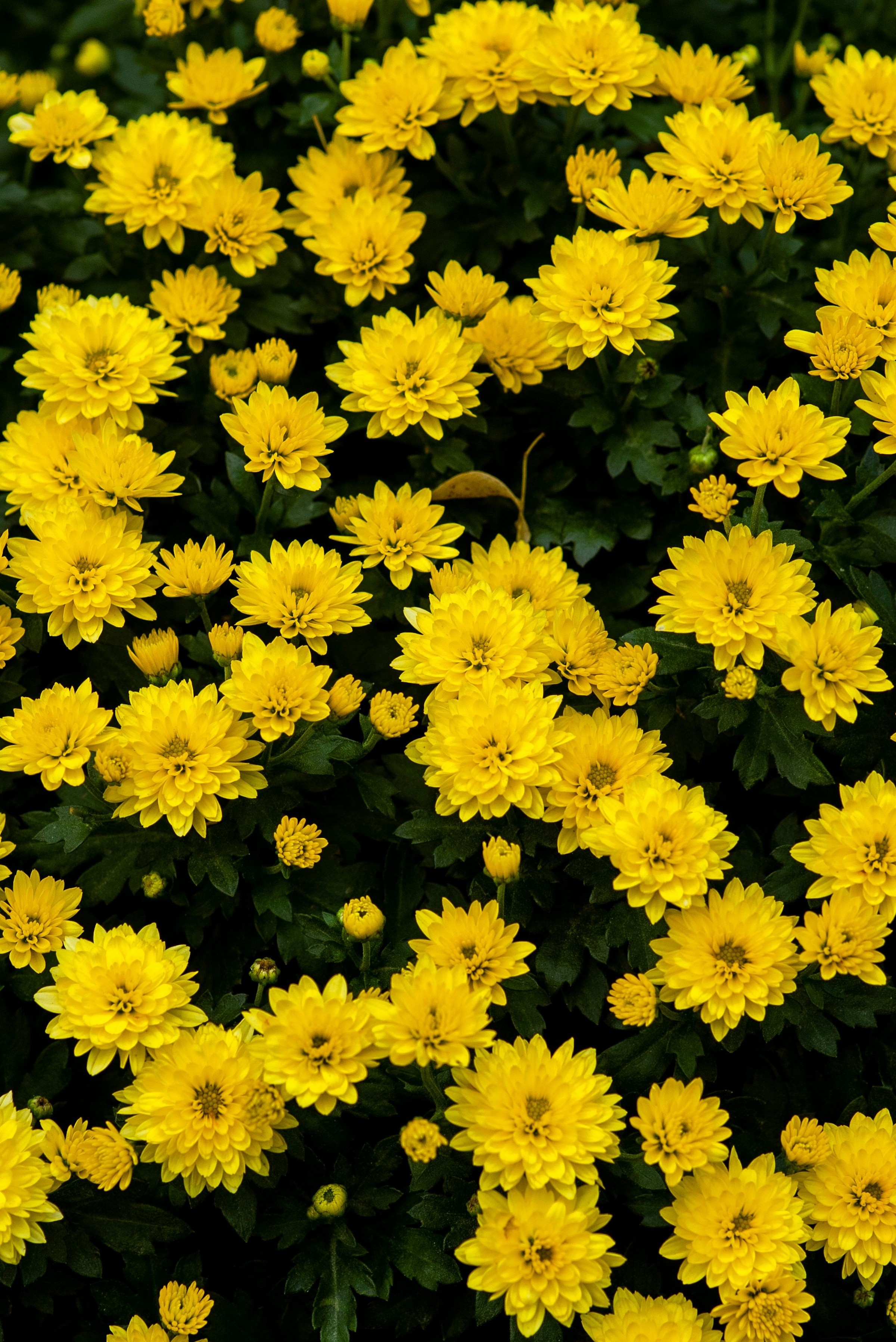
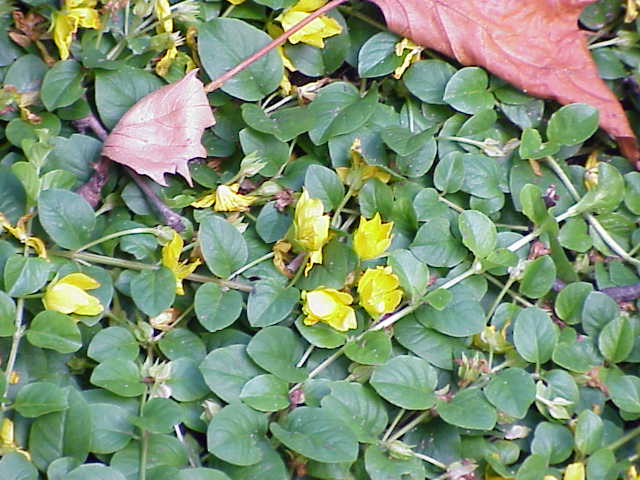
A living cornucopia planter is a wicker horn basket lined with plastic and coir, planted with 4-inch or 6-inch mums and ornamental kale at the open end, and filled out with trailing ivy or creeping jenny, small gourds, and seed heads. Build it from early October through mid November for a porch table, front step, or Thanksgiving centerpiece. Keep it in bright light, water when the mix dries an inch down, and it will look fresh for 3 to 5 weeks, then the plants can move to the garden or compost.
The trick is scale. Full-size mums and kale overwhelm a basket, so buy the smallest pots you can find and let a few spill out of the mouth.
What you need
- A wicker or rattan cornucopia basket, 14 to 24 inches long. Larger horns hold more soil and dry out less.
- A liner: a coir sheet or moss inside, with a plastic layer behind it to protect the table. Poke a few small holes in the plastic at the lowest point if the basket will sit outdoors.
- Outdoor potting mix, about 4 to 8 quarts for a medium horn.
- Plants: 1 or 2 small mums, 1 or 2 small ornamental kales or cabbages, and 2 or 3 trailers.
- Accents: mini pumpkins, gourds, pine cones, wheat stalks, or dried seed heads.
🌱 Get Personalized Plant Picks
Answer a few quick questions and we’ll match plants to your exact yard conditions.
Find My Plants →Shop cornucopia planter supplies on Amazon
A wicker horn basket, a coir liner, and outdoor mix for a living centerpiece. We may earn a commission at no extra cost to you.
Amazon · Wicker cornucopia basket Amazon · Coco coir planter liner Amazon · Potting mix for outdoor containers
Step-by-step build
- Line the basket. Press the coir sheet into the mouth and belly of the horn, then slip plastic behind it, trimming both an inch below the rim.
- Fill the back of the horn with crumpled newspaper or a sealed bag of packing peanuts so soil only sits where roots will grow. This keeps the basket light.
- Add 2 to 3 inches of potting mix in the opening.
- Set the anchor plant. Tilt a mum slightly forward at the mouth so blooms face out.
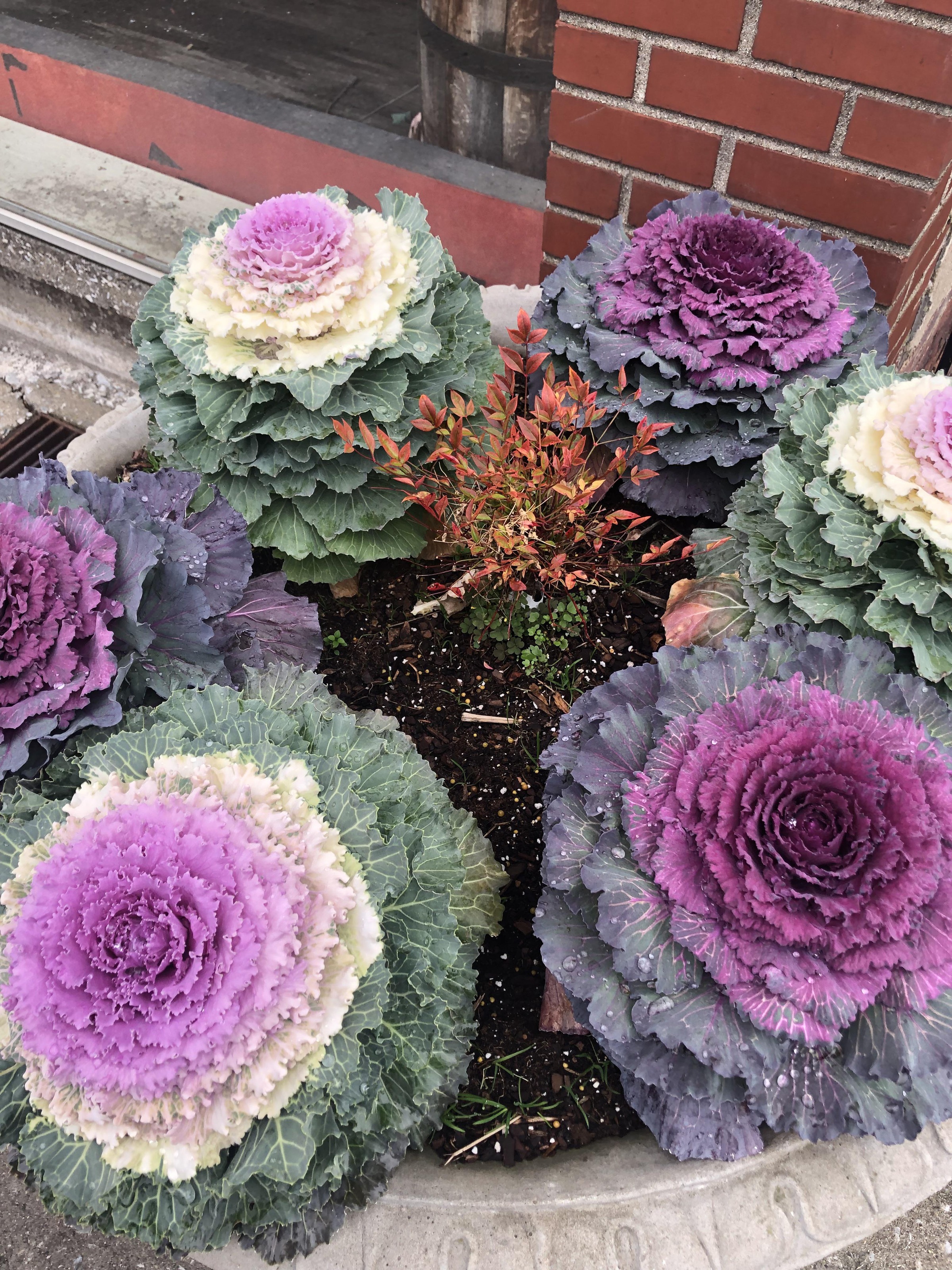
- Tuck kale beside it, angled so the rosette shows from the front.
- Add trailers along the lip so they spill over the edge and onto the table.
- Fill gaps with mix, firm gently, and water slowly until the mix is evenly damp but nothing drips.
- Arrange gourds and cones around and spilling out of the mouth for the classic horn of plenty look.
Plant combos that work
- Harvest gold: bronze mum, white kale, creeping jenny, and small orange pumpkins.
- Deep jewel tones: burgundy mum, purple kale, dark heuchera, and dried wheat.
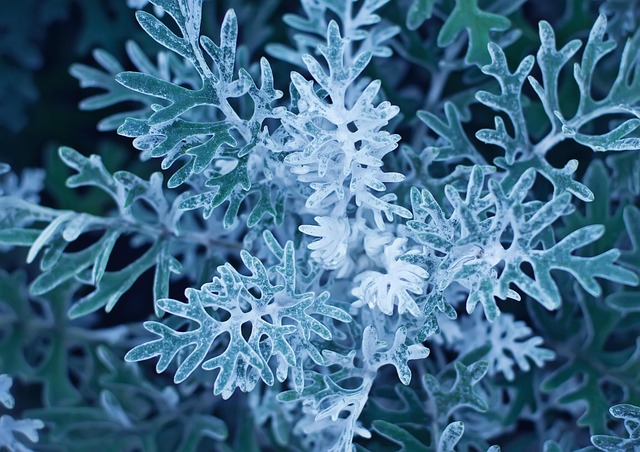
- Soft and silver: pale yellow mum, white kale, dusty miller, and white gourds. See dusty miller and silver foliage for cool containers.
- Cool-season color: swap the mum for pansies or violas, which keep blooming into colder weather. See pansies and violas for fall containers.
For choosing and caring for the plants themselves, see mums and fall containers for porch color and ornamental kale and cabbage for cool-season porch color.
Shop accents and trimming gear on Amazon
Natural cones to fill the horn, plus snips and gloves for deadheading and trimming. We may earn a commission at no extra cost to you.
Amazon · Decorative pine cones Amazon · Stainless garden snips Amazon · Nitrile-coated garden gloves
Care and how long it lasts
- Light: a bright porch or a sunny window. Indoors on a dim table, plan on 1 to 2 weeks of good looks; outdoors in bright shade, 3 to 5 weeks.
- Water: check every 2 to 3 days. Pour slowly at the base of the plants so water does not run through to the wicker.
- Temperature: mums and kale like cool weather. Kale colors up best after nights in the 40s °F, and both handle light frost outdoors.
- Deadhead mums by snipping spent flowers to keep the horn tidy.
- Swap accents once pumpkins soften; fresh gourds keep the display going toward Thanksgiving.
When it is done, plant the mums in a sunny bed if you want to try them as perennials, and add spent kale and trailers to the compost.
Pet and handling notes
Chrysanthemums are listed as toxic to dogs, cats, and horses by the ASPCA, and English ivy is listed as toxic as well. Kale is a cabbage relative, but ornamental types are grown for looks, not eating, and may have been treated for pests at the nursery, so keep them off the menu. Keep the cornucopia on a table or step pets cannot reach, and call your veterinarian or the ASPCA Animal Poison Control Center at (888) 426-4435 if a pet eats any of it. When you trim stems or cut wheat and seed heads, use sharp snips, cut away from your body, and keep your free hand clear of the blades. Gloves help with scratchy wicker and kale sap.
Bottom line
Line a wicker horn, plant small mums and ornamental kale at the mouth, spill trailers and gourds out the front, and keep it bright and evenly damp. You get a living horn of plenty for the porch or table that lasts well past a single dinner.