FTC Disclosure: This post contains affiliate links. If you make a purchase through these links, we may earn a commission at no extra cost to you.
If you live in USDA Hardiness Zone 6 and want a beautiful garden that doesn’t require constant watering, pruning, or pest control — while also keeping deer at bay — you’re in luck. There are plenty of low-maintenance deer-resistant plants well-suited to Zone 6’s climate that can add color, texture, and interest to your yard without demanding hours of care. Keep reading to discover 10 reliable choices that balance ease of care with natural deer resistance, helping you create a thriving garden that’s both scenic and practical.
Understanding Deer Resistance and Low Maintenance in Zone 6
Deer resistance in plants means that these species are generally unpalatable or unattractive to deer, often due to bitter tastes, tough textures, or toxic compounds. However, no plant is completely deer-proof—hungry deer may nibble on even the most resistant specimens when food is scarce. Therefore, combining deer-resistant plants with other deterrents is best for heavy deer pressure.
Zone 6 experiences cold winters (minimum temps between -10 to 0 °F) and moderate summers, so plants need to survive frost and occasional heat. Low-maintenance plants for this zone typically require minimal watering once established, little or no pruning, and are pest and disease resistant.
🌱 Get Personalized Plant Picks
Answer a few quick questions and we’ll match plants to your exact yard conditions.
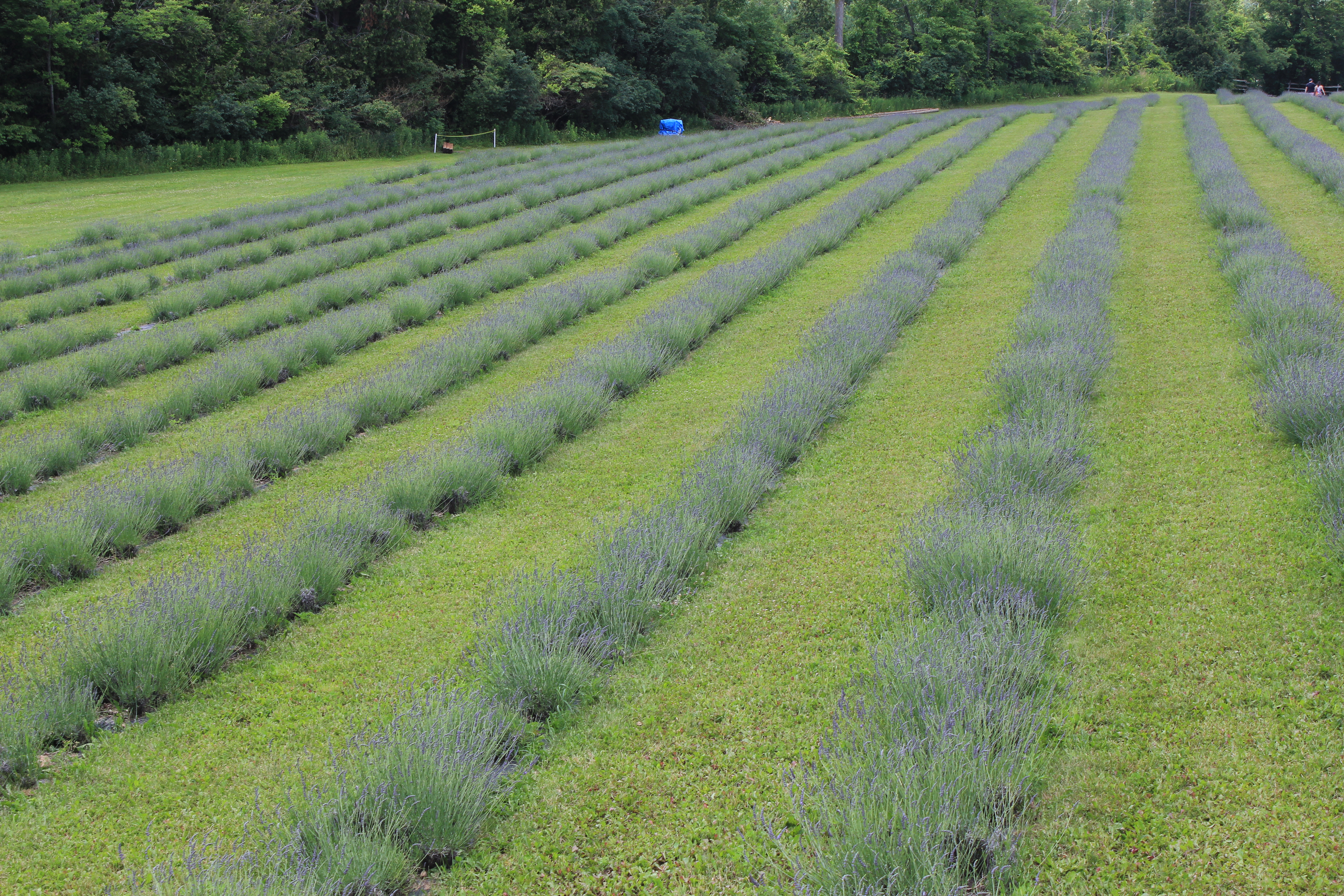
Find My Plants →1. Lavender (Lavandula angustifolia)
Lavender is a fragrant evergreen shrub known for its aromatic foliage and purple flower spikes. It thrives in full sun and well-drained soil, making it perfect for Zone 6 gardens.
- Deer resistance: The strong scent and oily leaves repel deer.
- Maintenance: Lavender requires little watering once established and minimal pruning—mainly to shape after flowering.
- Additional benefits: Attracts pollinators like bees and butterflies and can be harvested for dried bouquets or sachets.
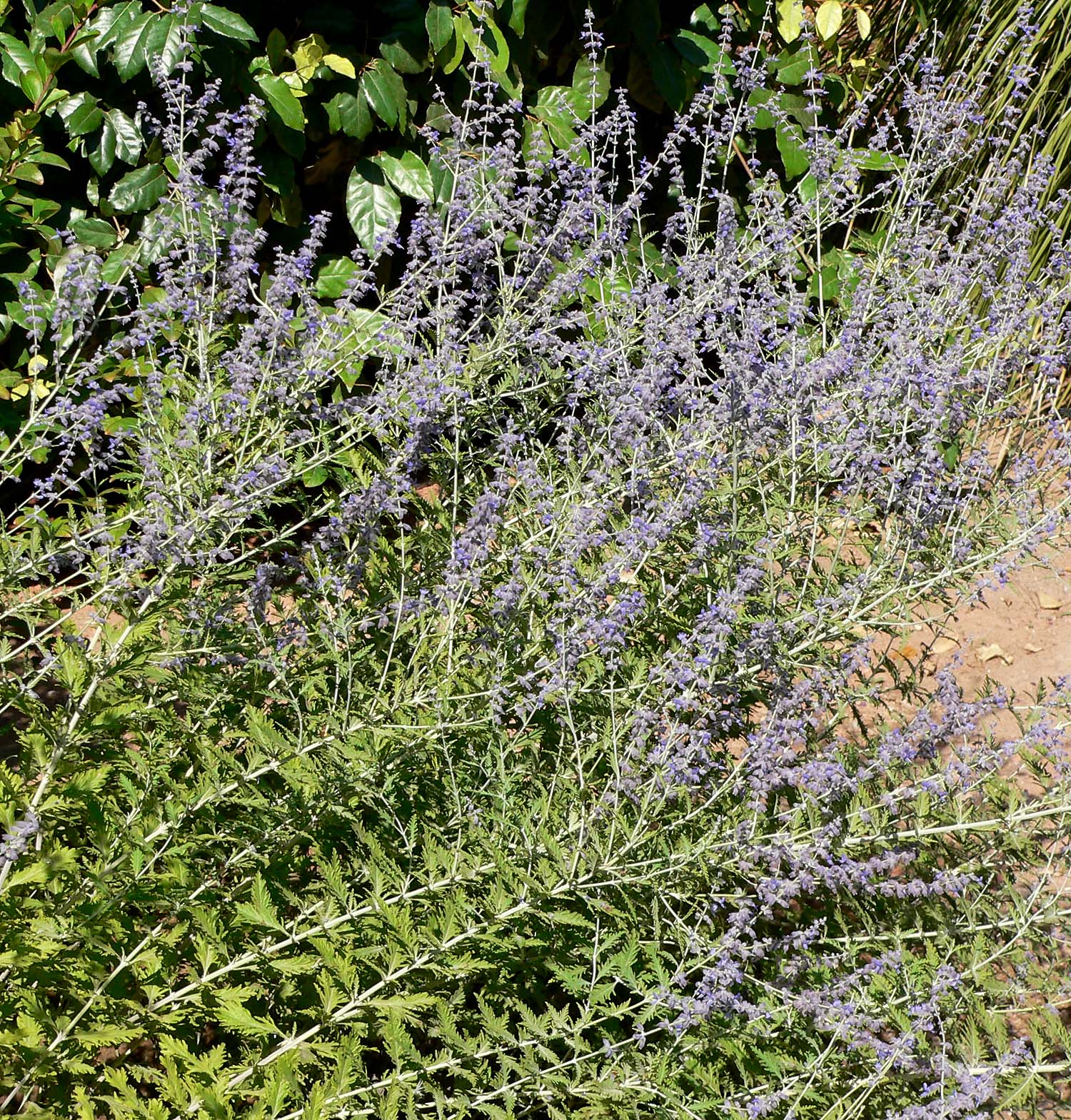
2. Russian Sage (Perovskia atriplicifolia)
Russian sage is a woody perennial with silvery foliage and airy spikes of lavender-blue flowers. It prefers full sun and tolerates poor soils and drought.
- Deer resistance: Aromatic leaves and tough texture deter deer.
- Maintenance: It’s drought tolerant, needs little fertilizer, and benefits from cutting back in early spring to encourage new growth.
- Additional benefits: Adds a soft, billowy texture to borders and attracts beneficial insects.
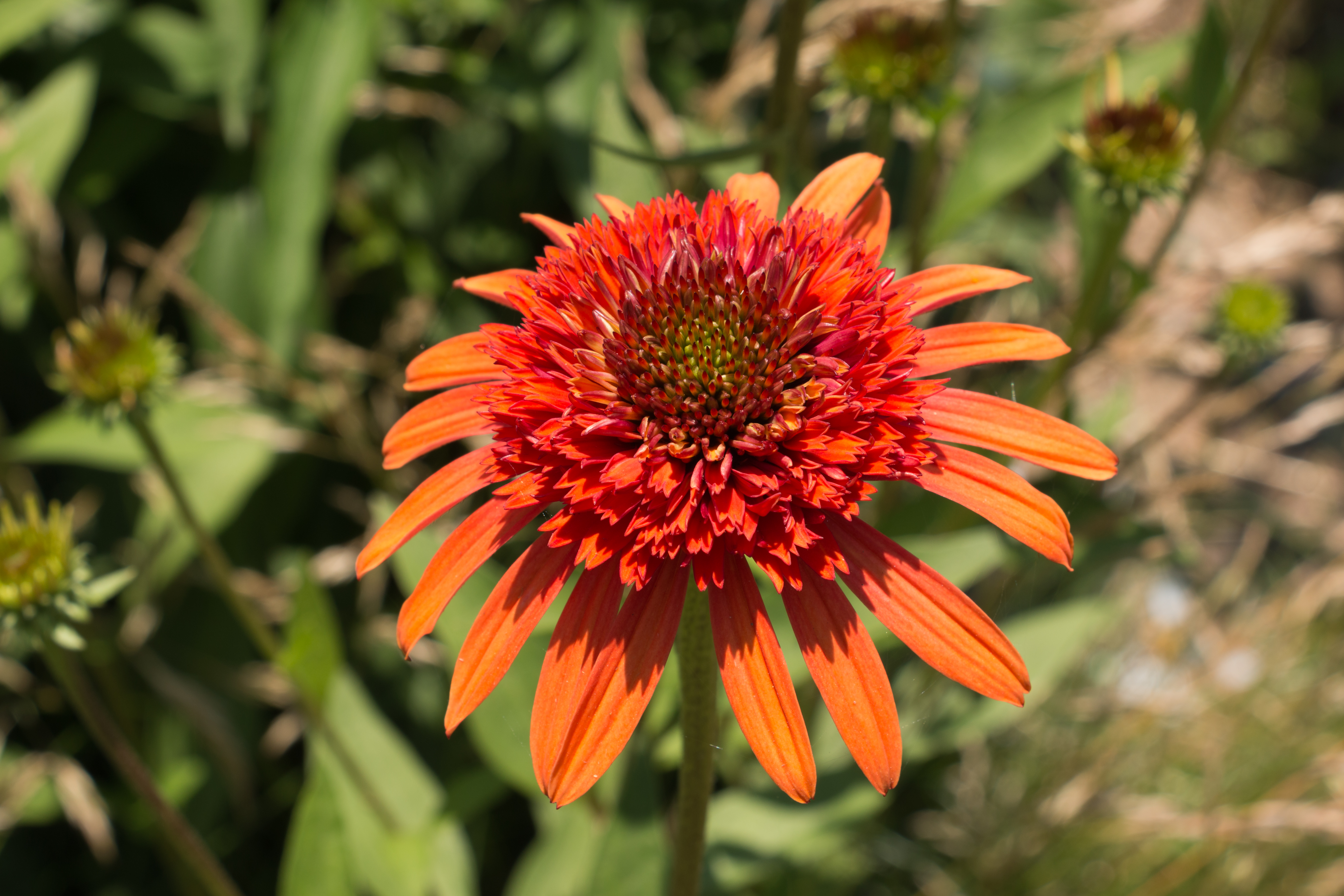
3. Coneflower (Echinacea purpurea)
Coneflowers are hardy perennials with daisy-like purple petals and prominent spiny centers. They bloom from mid-summer to fall.
- Deer resistance: The rough texture and bitter taste make them unappealing to deer.
- Maintenance: Once established, they tolerate drought and poor soil; deadheading prolongs blooming but is optional.
- Additional benefits: Excellent for pollinators and produces seeds that attract birds in winter.
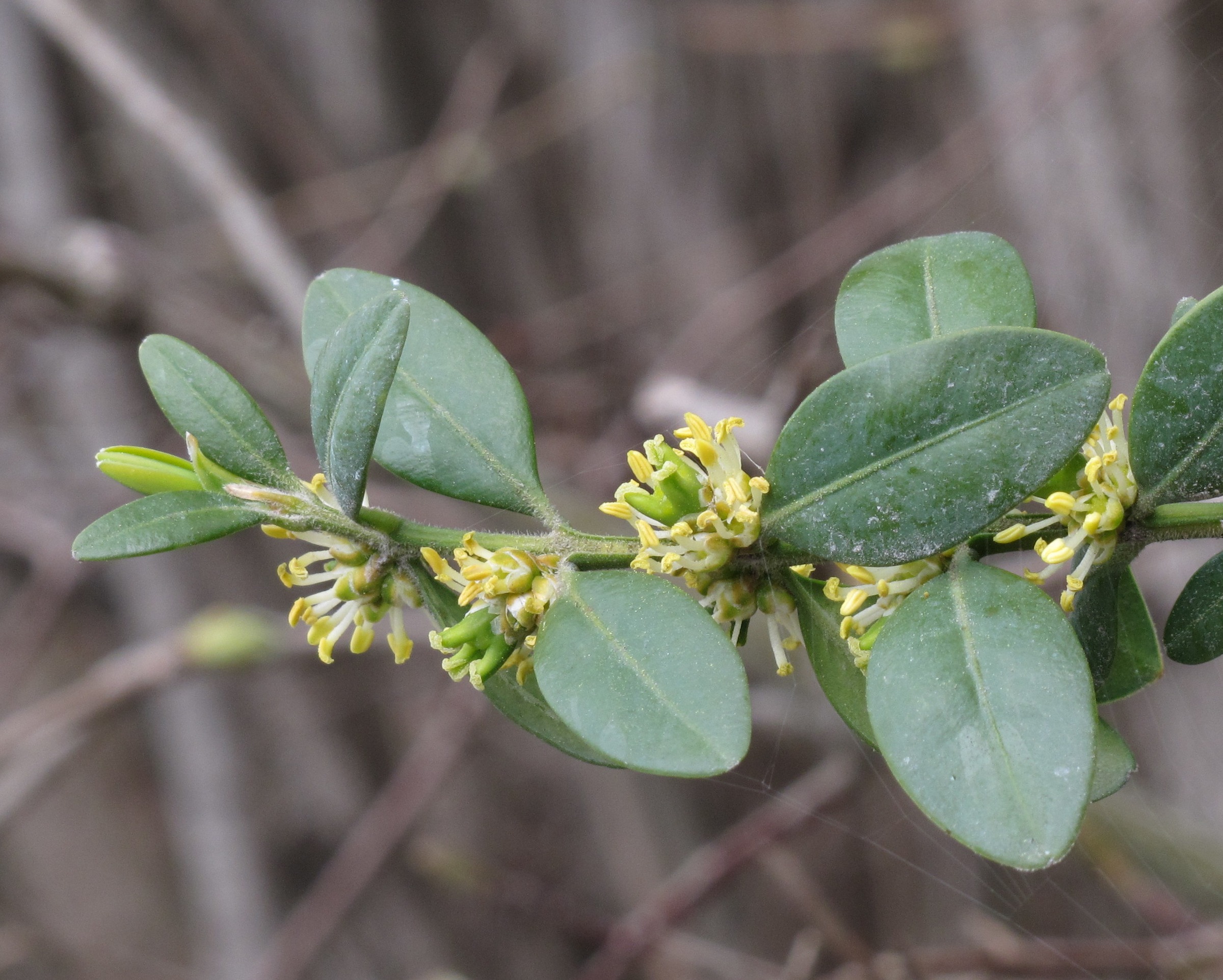
4. Boxwood (Buxus spp.)
Boxwood is a classic evergreen shrub often used for hedges and topiaries. It grows well in partial to full sun and well-drained soil.
- Deer resistance: Dense, leathery leaves and mild toxicity deter deer browsing.
- Maintenance: Requires minimal pruning if left natural, otherwise light shaping is needed; drought tolerant once established.
- Additional benefits: Provides year-round structure and can be used in formal or informal gardens.
5. Ornamental Grasses (Miscanthus spp., Pennisetum spp.)
Ornamental grasses add movement, texture, and seasonal interest. Many varieties are hardy in Zone 6 and deer-resistant.
- Deer resistance: Tough blades and unpalatable foliage keep deer away.
- Maintenance: Low water needs and minimal pruning (cutting back dead foliage in early spring).
- Additional benefits: Attract birds and small wildlife; provide winter interest with seed heads.
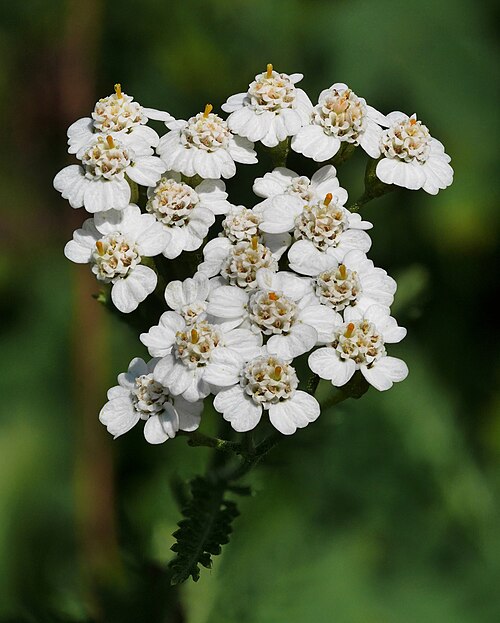
6. Yarrow (Achillea millefolium)
Yarrow features fern-like foliage and flat clusters of tiny flowers in white, yellow, pink, or red. It’s extremely drought-tolerant and thrives in full sun.
- Deer resistance: Bitter foliage discourages deer browsing.
- Maintenance: Very low water and nutrient needs; deadheading extends flowering.
- Additional benefits: Attracts pollinators and beneficial insects; can be used in herbal remedies.
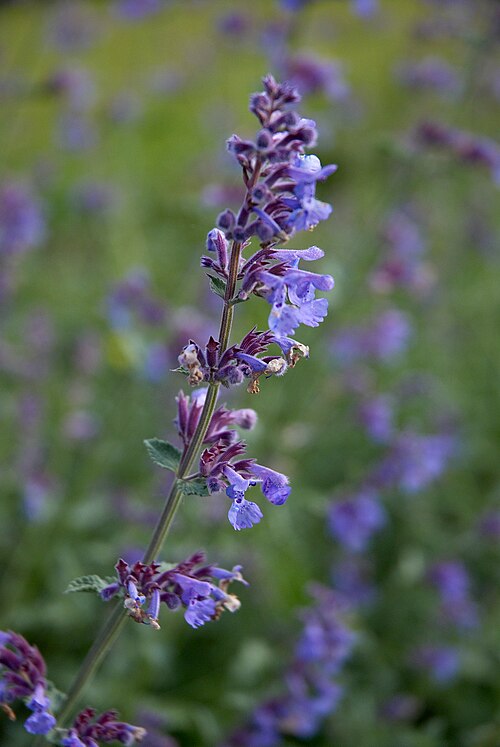
7. Catmint (Nepeta spp.)
Catmint is a hardy perennial with aromatic gray-green leaves and spikes of blue to lavender flowers that bloom for weeks.
- Deer resistance: Aromatic oils in foliage deter deer.
- Maintenance: Requires little water, deadheading prolongs bloom, and pruning after flowering keeps it compact.
- Additional benefits: Attracts bees and butterflies; often used as a groundcover or border plant.
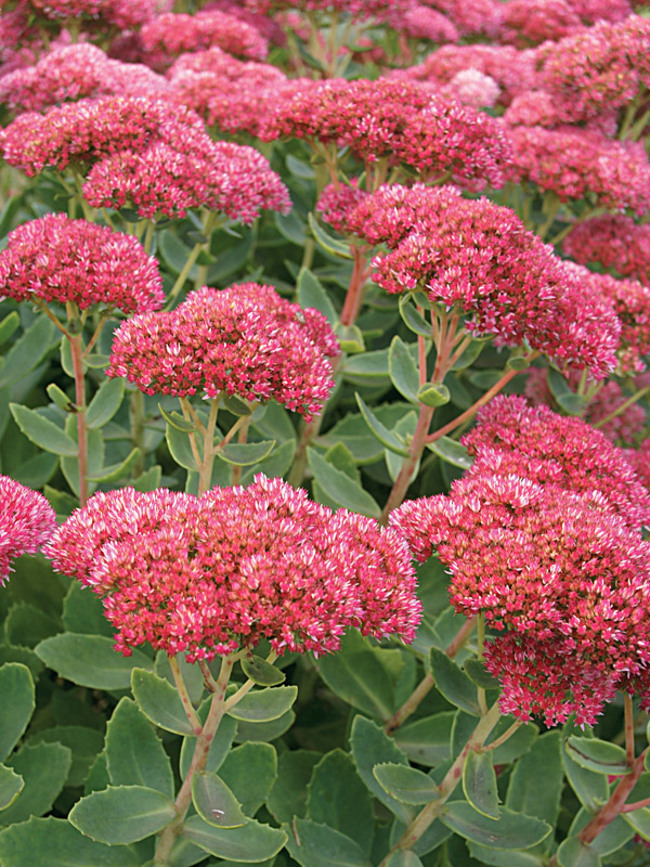
8. Sedum (Sedum spp.)
Sedum, or stonecrop, is a succulent perennial with fleshy leaves and star-shaped flowers. It tolerates poor, dry soils and full sun.
- Deer resistance: Thick, waxy leaves and bitter taste repel deer.
- Maintenance: Minimal watering and pruning; cut back in early spring if needed.
- Additional benefits: Excellent for rock gardens and containers; attracts pollinators.
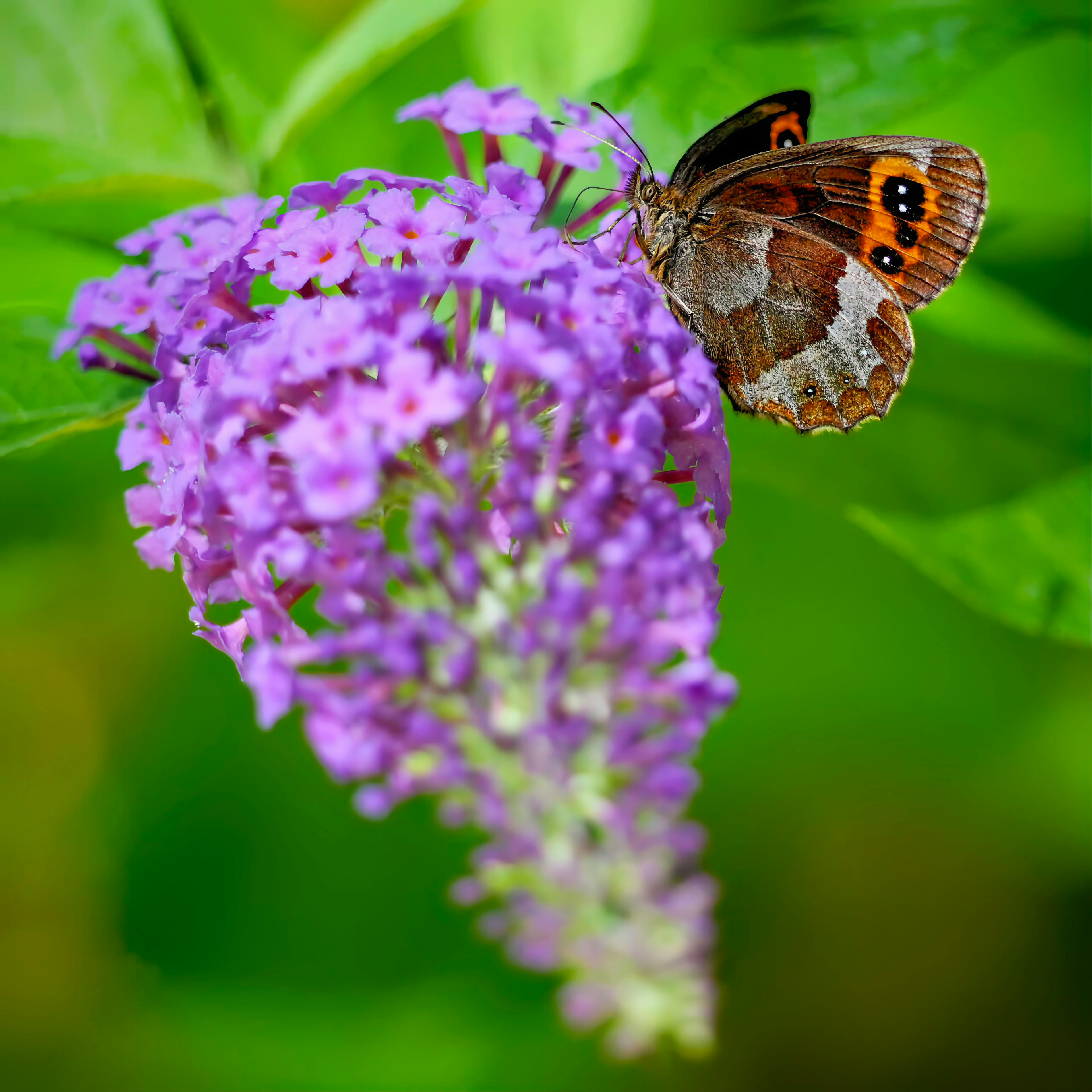
9. Butterfly Bush (Buddleja davidii)
Butterfly bush is a fast-growing shrub that produces long, fragrant flower spikes in summer and fall.
- Deer resistance: The strong scent and bitter leaves discourage deer.
- Maintenance: Requires minimal watering, pruning in early spring promotes vigorous growth.
- Additional benefits: Attracts butterflies and hummingbirds, adding wildlife interest.
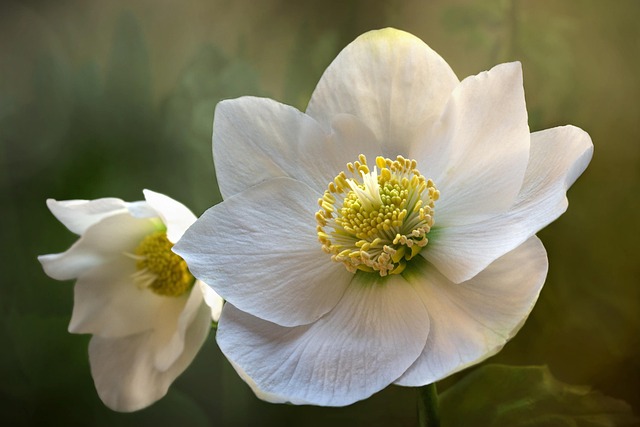
10. Hellebore (Helleborus spp.)
Hellebores are evergreen perennials prized for early spring flowers in shades of white, pink, purple, and green.
- Deer resistance: Toxic foliage and sap make them unappealing to deer.
- Maintenance: Prefers part shade and well-drained soil; minimal watering and deadheading needed.
- Additional benefits: Adds winter interest and blooms when few other plants do.
Pet Safety Reminder
While many deer-resistant plants contain compounds that deter deer, some may be considered toxic or harmful if ingested by pets. Always monitor pets around new plants and contact the ASPCA Animal Poison Control Center at 888-426-4435 if you suspect poisoning. Remember, "deer-resistant" does not mean "safe for pets."
Wildlife Resistance Disclaimer
No plant is completely deer-, rabbit-, or groundhog-proof. In times of food scarcity or high population pressure, wildlife may browse even resistant plants. Combining plant selection with fencing and repellents is the best strategy for protecting your garden.
Conclusion
Choosing low-maintenance deer-resistant plants for Zone 6 is a smart way to enjoy a beautiful, thriving garden with less hassle and fewer worries about wildlife damage. From aromatic lavender and tough Russian sage to bold coneflowers and evergreen boxwoods, these plants combine resilience, ease, and natural deer deterrence to keep your garden flourishing year-round.
Ready to find the perfect plants for your specific garden conditions? Use our Plant Finder wizard at /wizard to get personalized recommendations tailored to your zone, soil, sunlight, and deer pressure.
Happy gardening!
#Zone6 #DeerResistantPlants #LowMaintenanceGardening #WildlifeResistant #PlantWise