Best Plants for Native Bee Gardens
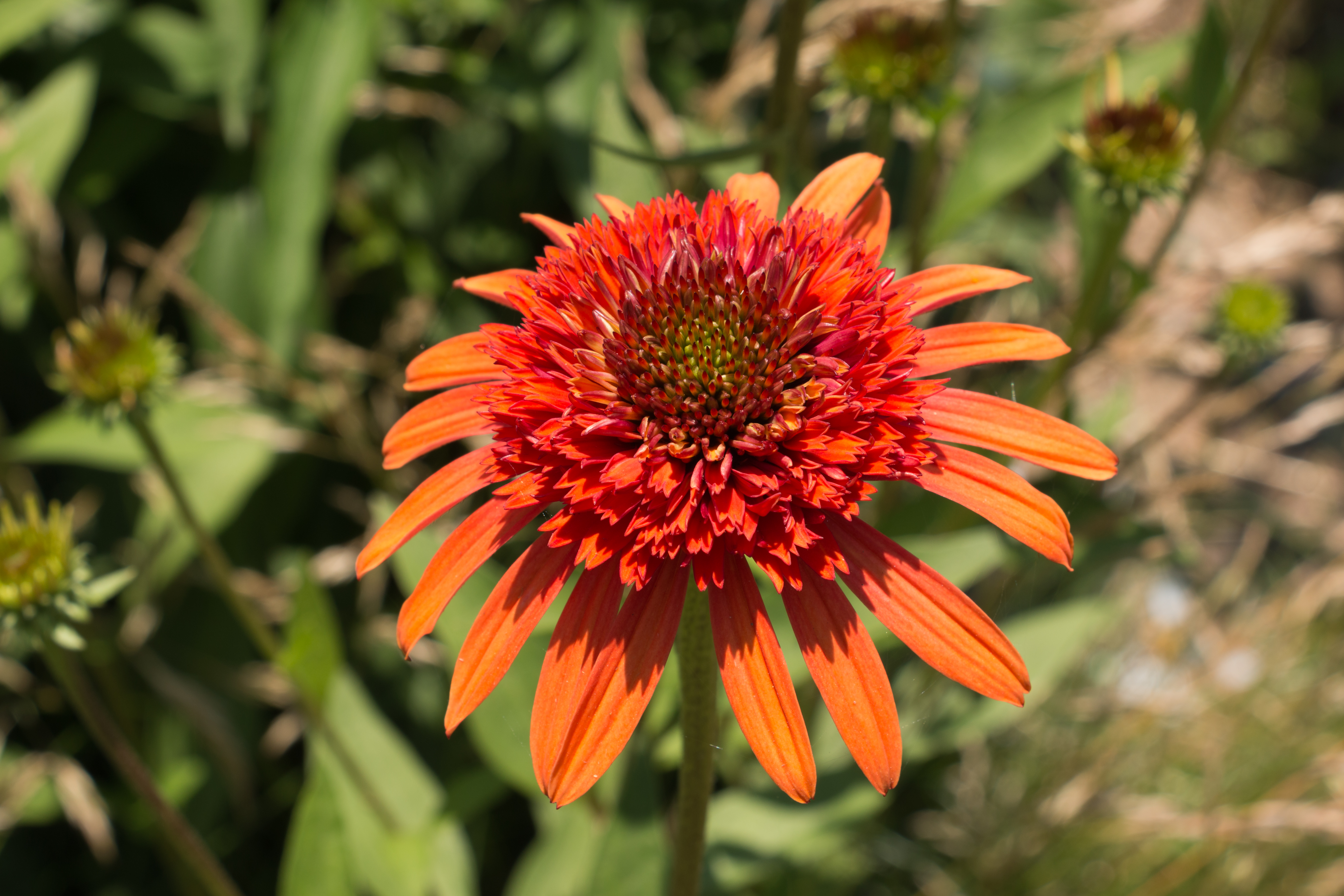
Creating a native bee garden is a fantastic way to support local ecosystems, and the best plants for these vital pollinators are often native species themselves! Top choices include coneflower, bee balm, blazing star, blanket flower, salvia, coreopsis, and black-eyed Susan. These plants provide abundant nectar and pollen, are adapted to local conditions, and offer a continuous bloom cycle, ensuring native bees have food sources throughout their active seasons. By focusing on a diverse selection of native plants, you can create a thriving habitat that benefits not just bees, but your entire garden.
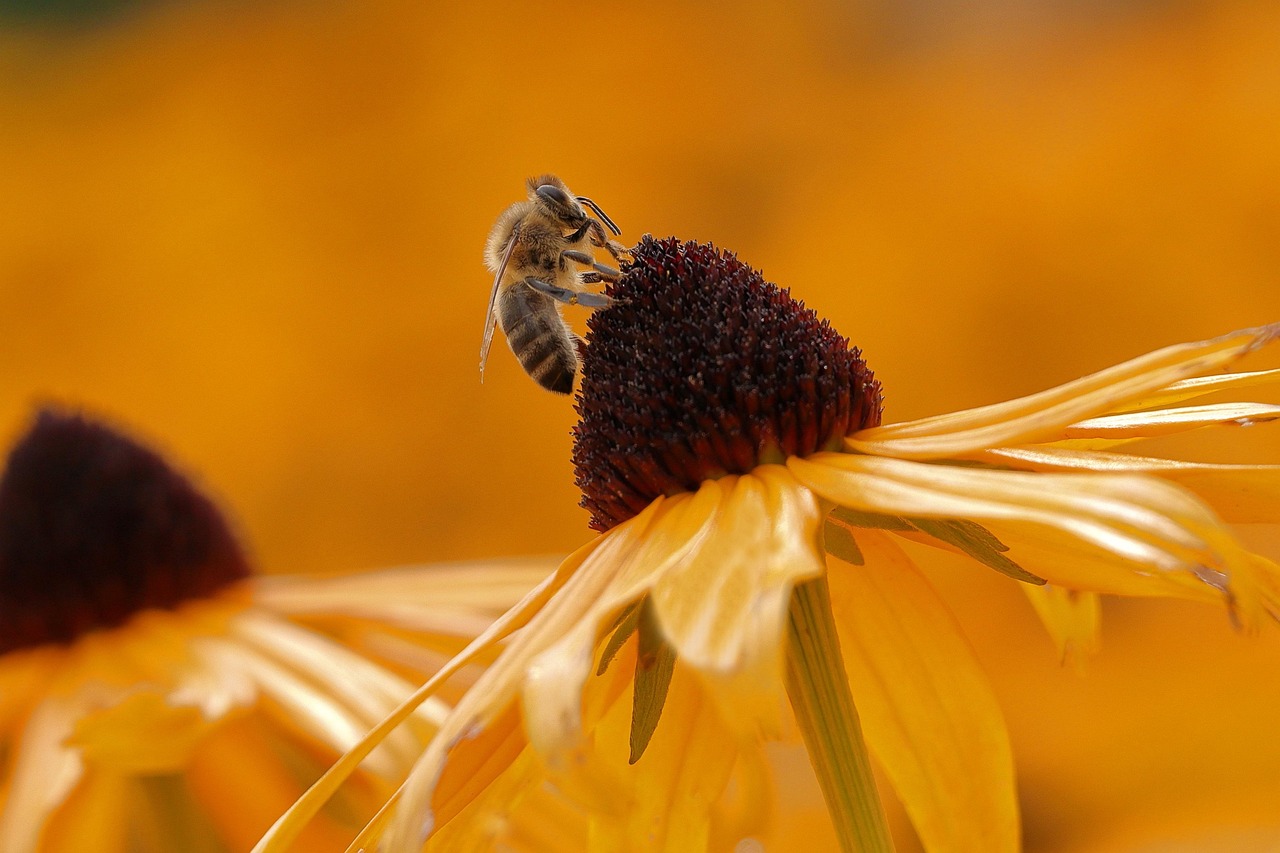
While honeybees often get all the glory, native bees are the true workhorses of our ecosystems. These incredible insects, which include species like bumblebees, mason bees, leafcutter bees, and sweat bees, are responsible for pollinating a vast majority of our wild plants and many of our food crops. Unlike honeybees, most native bees are solitary, don't live in hives, and don't produce honey. What they do, however, is provide invaluable pollination services, often being more efficient than honeybees for certain plants.
Supporting native bees in your garden is one of the most impactful things you can do for local biodiversity. It's not just about planting flowers; it's about creating a habitat that meets their needs for food, water, and shelter.
🌱 Get Personalized Plant Picks
Answer a few quick questions and we’ll match plants to your exact yard conditions.
Find My Plants →Why Are Native Bees So Important?
Native bees are perfectly adapted to pollinate native plants. Their unique body shapes, tongue lengths, and foraging behaviors make them highly specialized for specific flowers. For instance, bumblebees are excellent at "buzz pollination" (sonication), a technique required by plants like tomatoes and blueberries to release pollen.
Many native bee species are facing population declines due to habitat loss, pesticide use, and climate change. By planting a native bee garden, you're directly contributing to their survival and, by extension, the health of our environment. Plus, a garden buzzing with native bees is a sign of a healthy, vibrant ecosystem!
What Do Native Bees Need in a Garden?
To truly support native bees, you need to think beyond just flowers. A comprehensive native bee garden provides:
- Diverse Nectar and Pollen Sources: A variety of flowers with different shapes, sizes, and bloom times ensures a continuous food supply from spring through fall. Native plants are almost always the best choice as they co-evolved with native bees.
- Water: A shallow bird bath with rocks or pebbles for landing, or a bee bath, provides a safe drinking source.
- Nesting Sites: About 70% of native bees nest underground, while 30% nest in hollow stems or wood. Leaving patches of bare soil, brush piles, or hollow plant stems over winter can provide crucial nesting habitats. Avoid excessive mulching in all areas.
- Pesticide-Free Environment: Avoid all systemic and broad-spectrum pesticides, as these can be devastating to bee populations. Embrace a more natural approach to pest management.
Which Plants Are Best for Native Bees?
When selecting plants, aim for a variety of flower shapes, colors, and bloom times. Bees see colors differently than humans, often being attracted to blues, purples, yellows, and whites. Flat, open flowers are great for short-tongued bees, while tubular flowers attract long-tongued species like bumblebees.
Here are some top contenders for your native bee garden:
Coneflower (Echinacea purpurea): A classic for a reason! Coneflowers are magnets for a wide array of bees, including bumblebees, sweat bees, and mason bees. Their large, sturdy landing pads make them accessible to many different species. They provide both nectar and pollen.
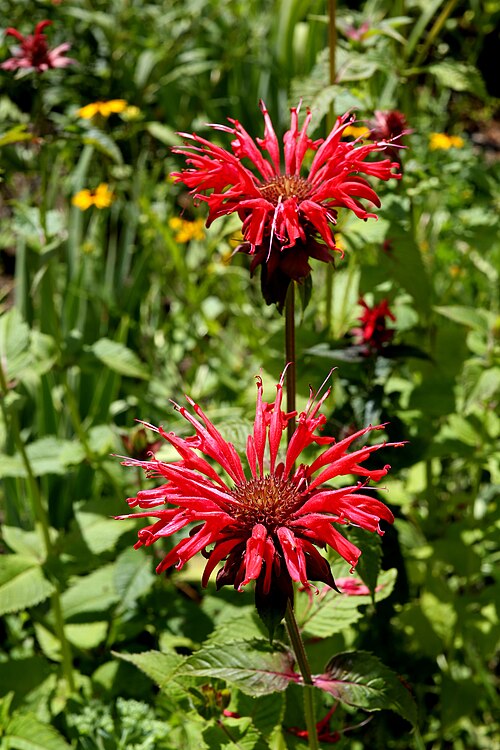
Bee Balm (Monarda spp.): As its name suggests, bee balm is a bee favorite. Its tubular flowers are particularly attractive to long-tongued bees like bumblebees, and its vibrant colors are a beacon for pollinators.
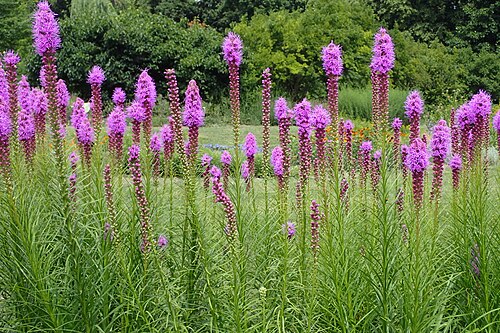
Blazing Star (Liatris spicata): These tall, spiky flowers bloom from the top down, providing a long-lasting nectar source. They are especially loved by bumblebees and monarch butterflies.
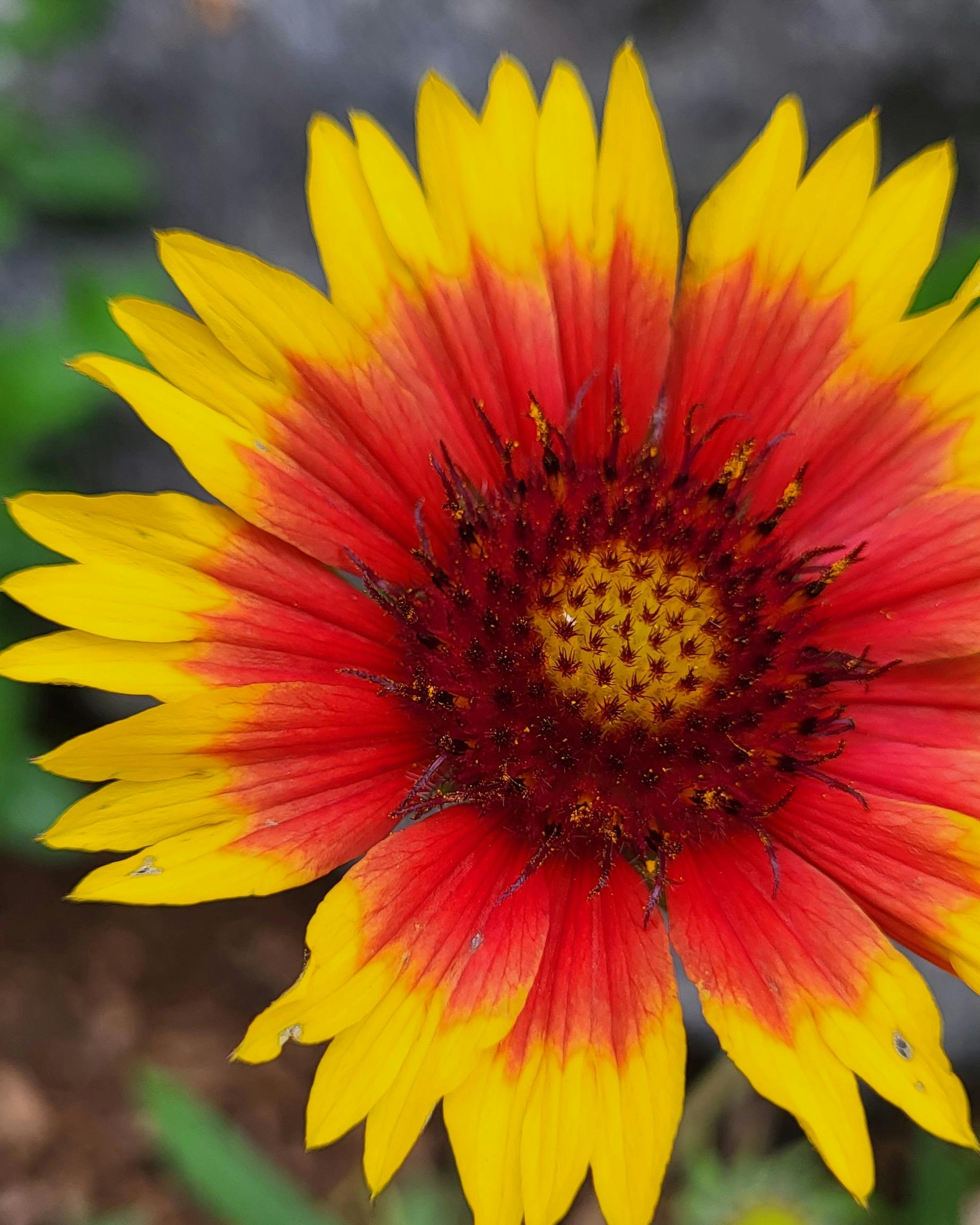
Blanket Flower (Gaillardia spp.): With their daisy-like appearance and warm colors, blanket flowers are excellent for short-tongued bees and provide a continuous bloom throughout the summer.
Black-Eyed Susan (Rudbeckia hirta): Another cheerful, daisy-like flower, Black-Eyed Susans offer abundant pollen and nectar, attracting various bees, including sweat bees and small carpenter bees.
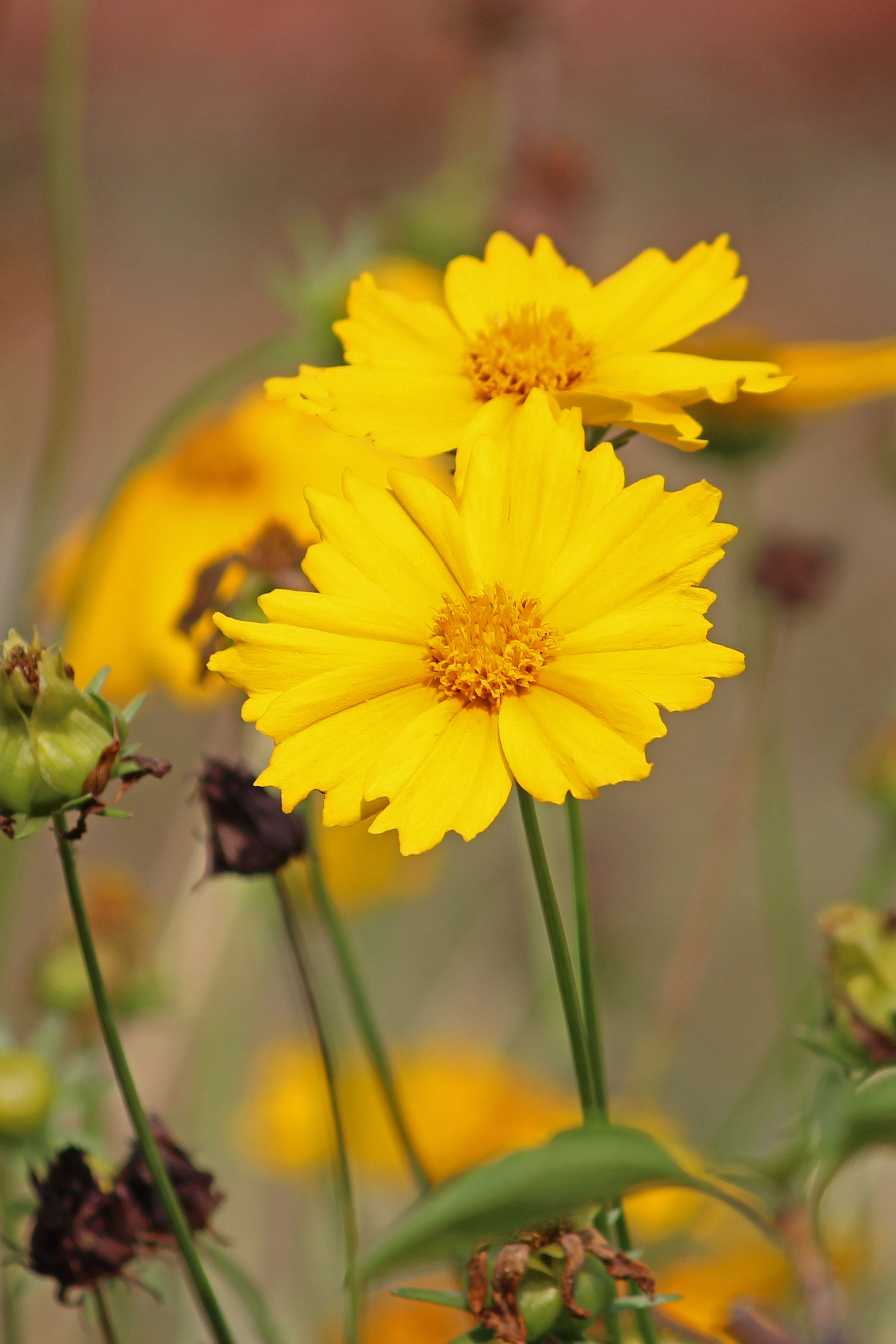
Coreopsis (Coreopsis spp.): Also known as Tickseed, these bright yellow or red flowers are prolific bloomers and provide a steady food source for many smaller native bees.
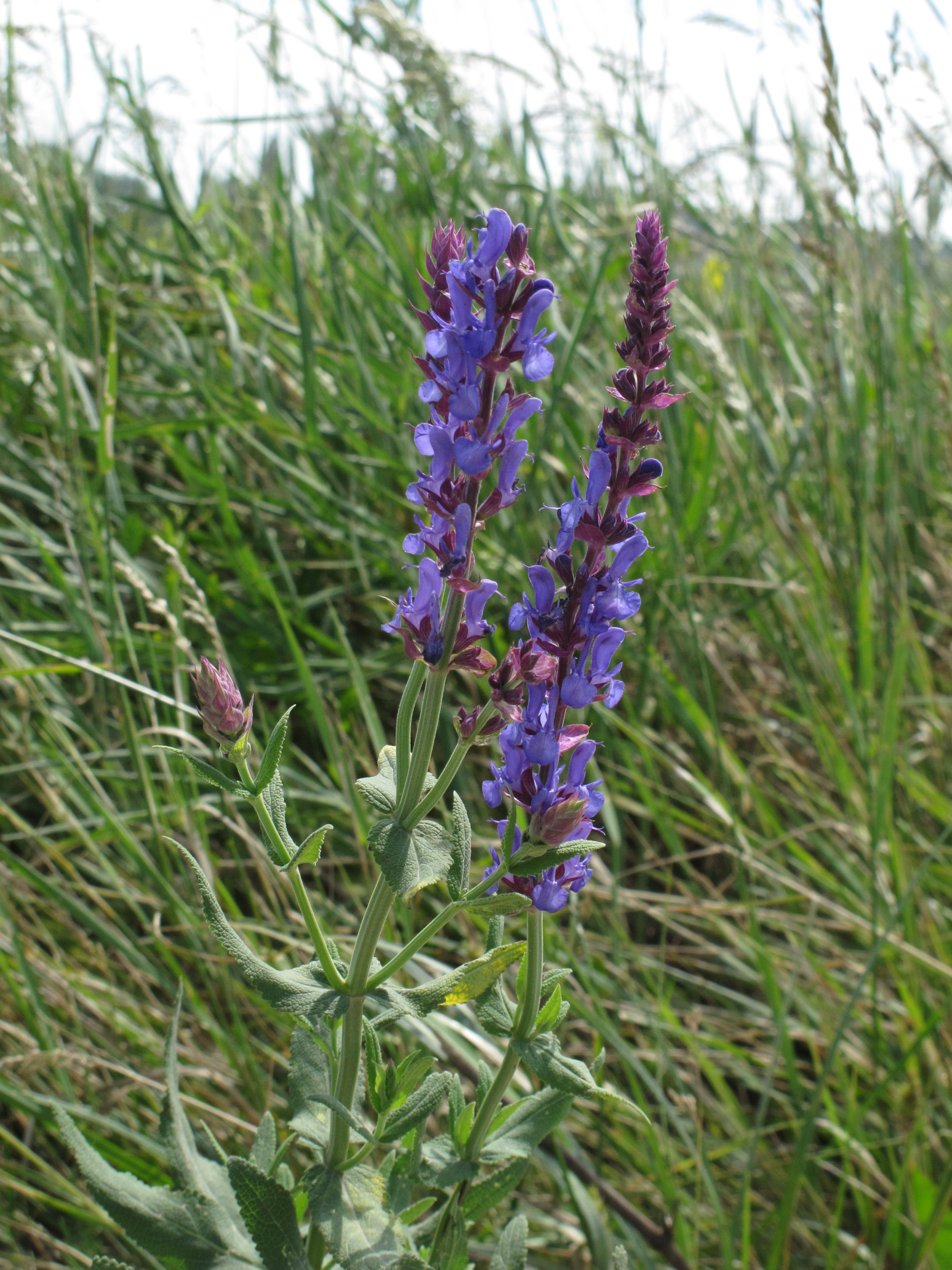
Salvia (Salvia spp.): Many native salvias offer a long blooming season and are particularly attractive to bumblebees and other long-tongued bees due to their tubular flowers.
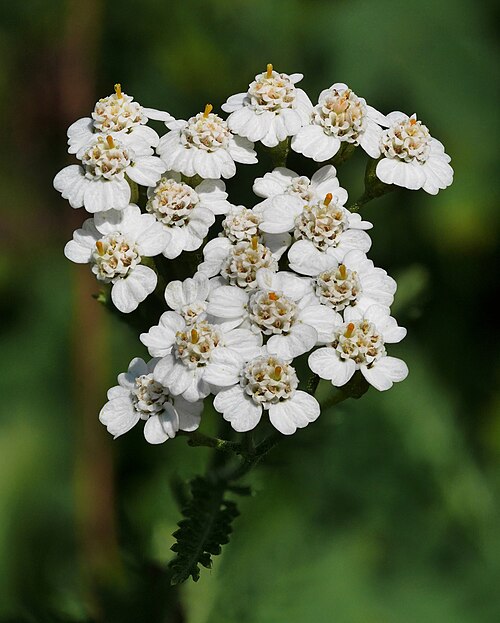
Yarrow (Achillea millefolium): The flat-topped clusters of tiny flowers on yarrow are perfect landing pads for small native bees and provide a good source of pollen.
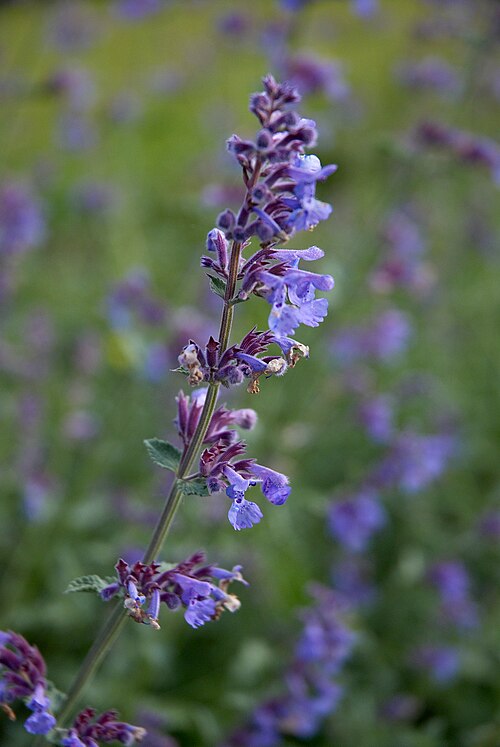
Catmint (Nepeta spp.): While not always native, catmint is a fantastic, long-blooming plant that is highly attractive to a wide range of bees and other pollinators.
How Can I Design a Native Bee Garden for Continuous Blooms?
A key strategy for a successful native bee garden is to ensure there's something in bloom from early spring to late fall. Bees need food throughout their active season.
Here’s a simple approach:
- Early Spring (March-May): Pussy willow, native spring ephemerals (like Virginia bluebells), serviceberry, redbud, wild geranium.
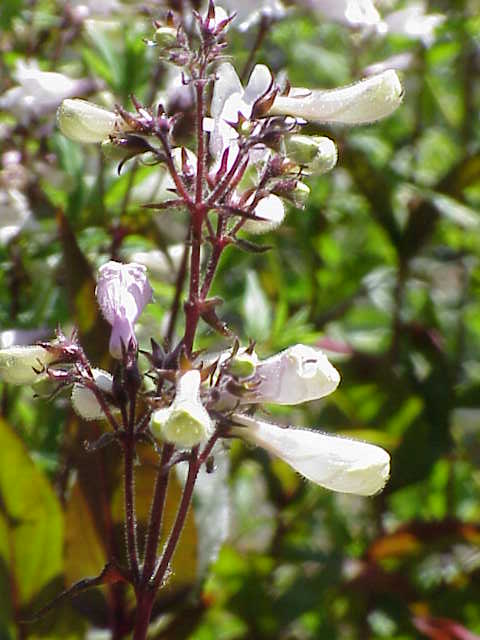
- Late Spring/Early Summer (May-July): Coneflower, Bee Balm, Wild Indigo, Penstemon, Lupine, Coreopsis, Salvia.
- Mid-Summer (July-August): Blazing Star, Black-Eyed Susan, Milkweed, Joe Pye Weed, Mountain Mint.
- Late Summer/Fall (August-October): Asters, Goldenrod, Ironweed, Sedum (native varieties).
Planting in drifts or clusters of the same species makes it easier for bees to forage efficiently, as they can collect more pollen and nectar from one type of flower before moving on.
Is It Safe to Have Bees in My Garden?
Absolutely! Native bees are generally very docile and pose little threat to humans or pets. Unlike honeybees or wasps, most native bees are solitary and do not have a hive to defend. They are far more interested in gathering nectar and pollen than in stinging. You can observe them up close without fear.
If you suspect your pet has ingested a toxic plant, call the ASPCA Animal Poison Control Center immediately at (888) 426-4435.
While no plant is truly deer-proof, many of the plants listed above are less palatable to deer due to their texture, scent, or taste.
Quick Reference: Native Bee Garden Plant Picks
| Plant Name | Bloom Time | Bee Attractors | Pet Safety (not listed as toxic) |
|---|---|---|---|
| Coneflower | Summer - Fall | Bumblebees, sweat bees, mason bees | Yes |
| Bee Balm | Summer | Bumblebees, long-tongued bees | Yes |
| Blazing Star | Summer | Bumblebees, various native bees | Yes |
| Blanket Flower | Summer - Fall | Short-tongued bees, various native bees | Yes |
| Black-Eyed Susan | Summer - Fall | Sweat bees, small carpenter bees, various bees | Yes |
| Coreopsis | Summer | Small native bees | Yes |
| Salvia | Spring - Fall | Bumblebees, long-tongued bees | Yes |
| Yarrow | Summer | Small native bees, hoverflies | Yes |
| Catmint | Spring - Fall | Wide range of bees, especially bumblebees | Yes |
| Asters (native) | Late Summer - Fall | Wide range of bees | Yes |
| Goldenrod (native) | Late Summer - Fall | Wide range of bees | Yes |
| Milkweed (native) | Summer | Bumblebees, monarch butterflies | No |
Creating a native bee garden is a rewarding experience that benefits both your local ecosystem and your own enjoyment of nature. By choosing the right plants and providing essential habitat elements, you'll be amazed at the diversity of life that visits your yard.
Ready to find the perfect plants for your yard? Try the PlantWise Plant Finder →