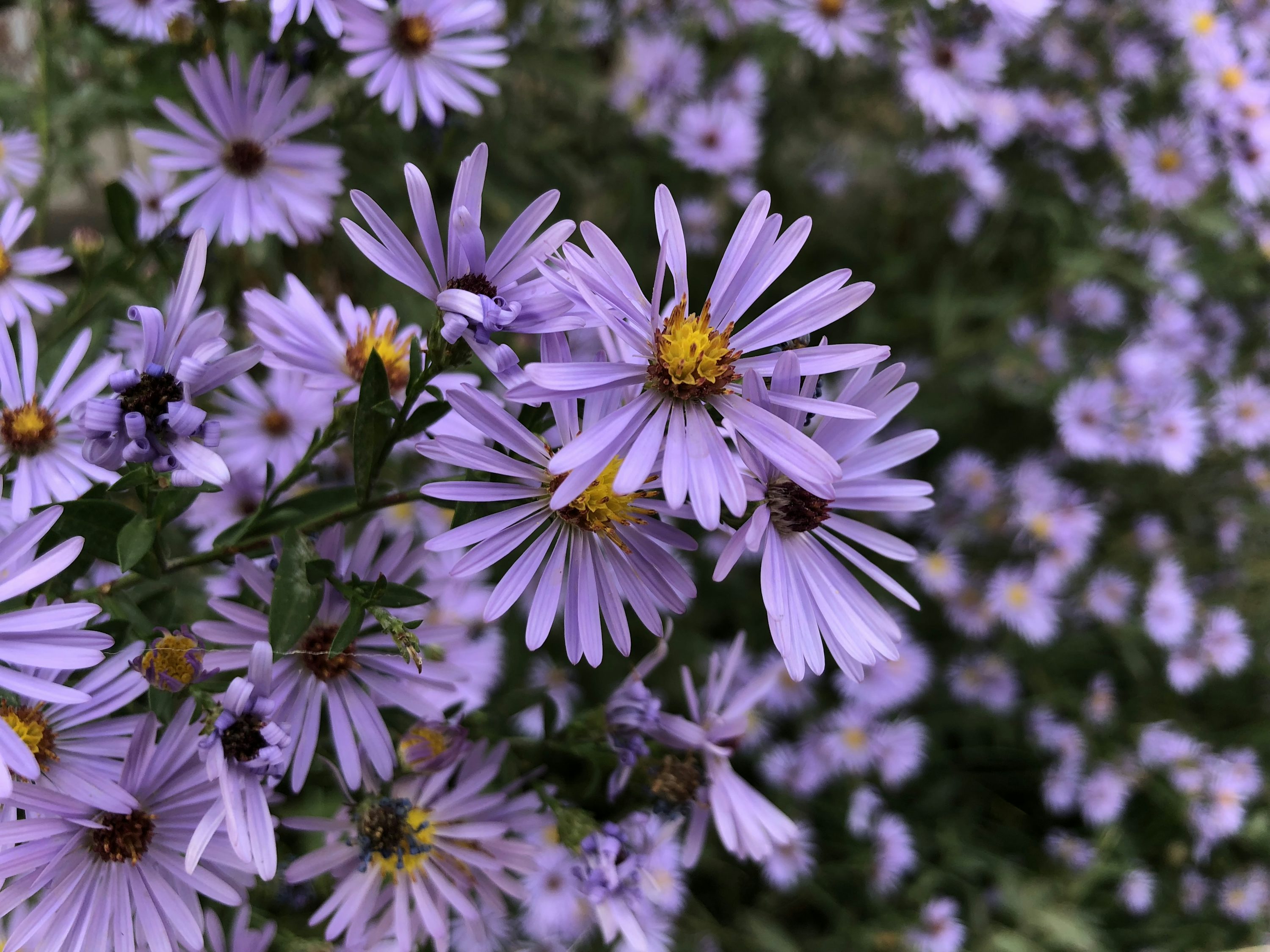
Native Plant Spotlight: Why Native Plants Matter
Native plants are the unsung heroes of our landscapes, forming the foundational support for local ecosystems in ways non-native plants simply cannot. They are species that have evolved over thousands of years in a specific region, adapting to the local climate, soil, and wildlife. This deep connection makes them incredibly important for biodiversity, supporting everything from beneficial insects and birds to healthy soil and water systems. By choosing native plants, you're not just gardening; you're actively participating in conservation, creating resilient, vibrant spaces that thrive with minimal intervention.
What Makes a Plant "Native"?
A native plant is one that occurs naturally in a particular region, ecosystem, or habitat without human introduction. These plants have co-evolved with local wildlife, forming intricate relationships that are essential for the survival of both. Think of it like a puzzle: native plants are the pieces that perfectly fit into the local ecological picture, while non-native or exotic plants might be from a different puzzle altogether.
This isn't just about being "from here"; it's about a deep, functional relationship. Native plants have adapted to the specific rainfall patterns, temperature fluctuations, soil types, and even the pests and diseases of their region. This adaptation means they often require less water, fertilizer, and pest control once established, making them a sustainable and low-maintenance choice for any gardener.
🌱 Get Personalized Plant Picks
Answer a few quick questions and we’ll match plants to your exact yard conditions.
Find My Plants →The Ecological Superpowers of Native Plants
The benefits of incorporating native plants into your garden extend far beyond aesthetics. They are vital for creating a healthy, thriving environment right in your backyard.
Supporting Local Wildlife
Perhaps the most significant impact of native plants is their role in supporting wildlife. Birds, butterflies, bees, and other beneficial insects rely on native plants for food, shelter, and breeding sites. For example, many butterfly species, like the iconic Monarch, can only lay their eggs on specific native host plants (milkweed for Monarchs). Without these plants, their life cycles are broken.
Native plants provide:
- Food: Nectar and pollen for pollinators, seeds and berries for birds and small mammals, and leaves for insect larvae.
- Shelter: Dense foliage for nesting, protection from predators, and overwintering sites.
- Breeding Grounds: Specific host plants for insects to lay eggs and for their young to feed.
Enhancing Pollinator Health
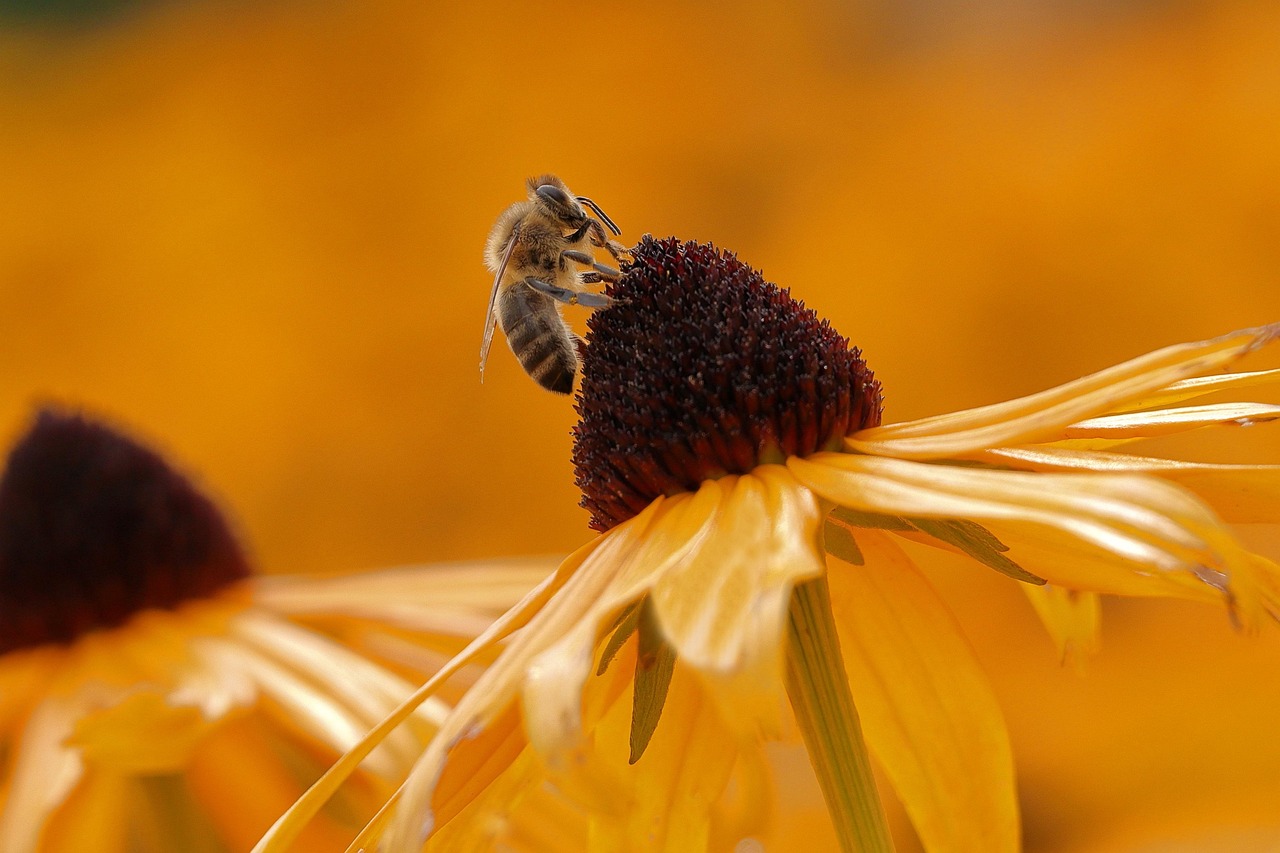
Pollinators, including bees, butterflies, moths, and hummingbirds, are crucial for the reproduction of many plants, including a significant portion of our food crops. Native plants are perfectly synchronized with the life cycles of local pollinators, offering the right type of nectar, pollen, and bloom times that these creatures need. Non-native ornamentals, while sometimes beautiful, often lack the nutritional value or specific structures that local pollinators require.
Improving Soil and Water Quality
Native plants, with their deep root systems, are excellent at preventing soil erosion and improving soil structure. Their roots create channels in the soil, allowing water to penetrate more effectively, reducing runoff, and recharging groundwater. This also means they often require less supplemental watering once established, making them ideal for drought-prone areas. By filtering pollutants and reducing the need for chemical fertilizers and pesticides, they contribute to cleaner waterways.
Creating Resilient Landscapes
Because native plants are adapted to local conditions, they are inherently more resilient. They can withstand regional droughts, floods, and temperature extremes better than non-native species. This resilience means a healthier, more stable garden that requires less intervention, saving you time, money, and resources.
How to Integrate Native Plants into Your Garden
Incorporating native plants doesn't mean ripping out your entire garden. You can start small and expand gradually.
- Do Your Research: Identify what plants are native to your specific region or ecological zone. Local nurseries, botanical gardens, and university extension offices are great resources.
- Start Small: Replace a few non-native plants with natives each season, or dedicate a small section of your garden to a native plant bed.
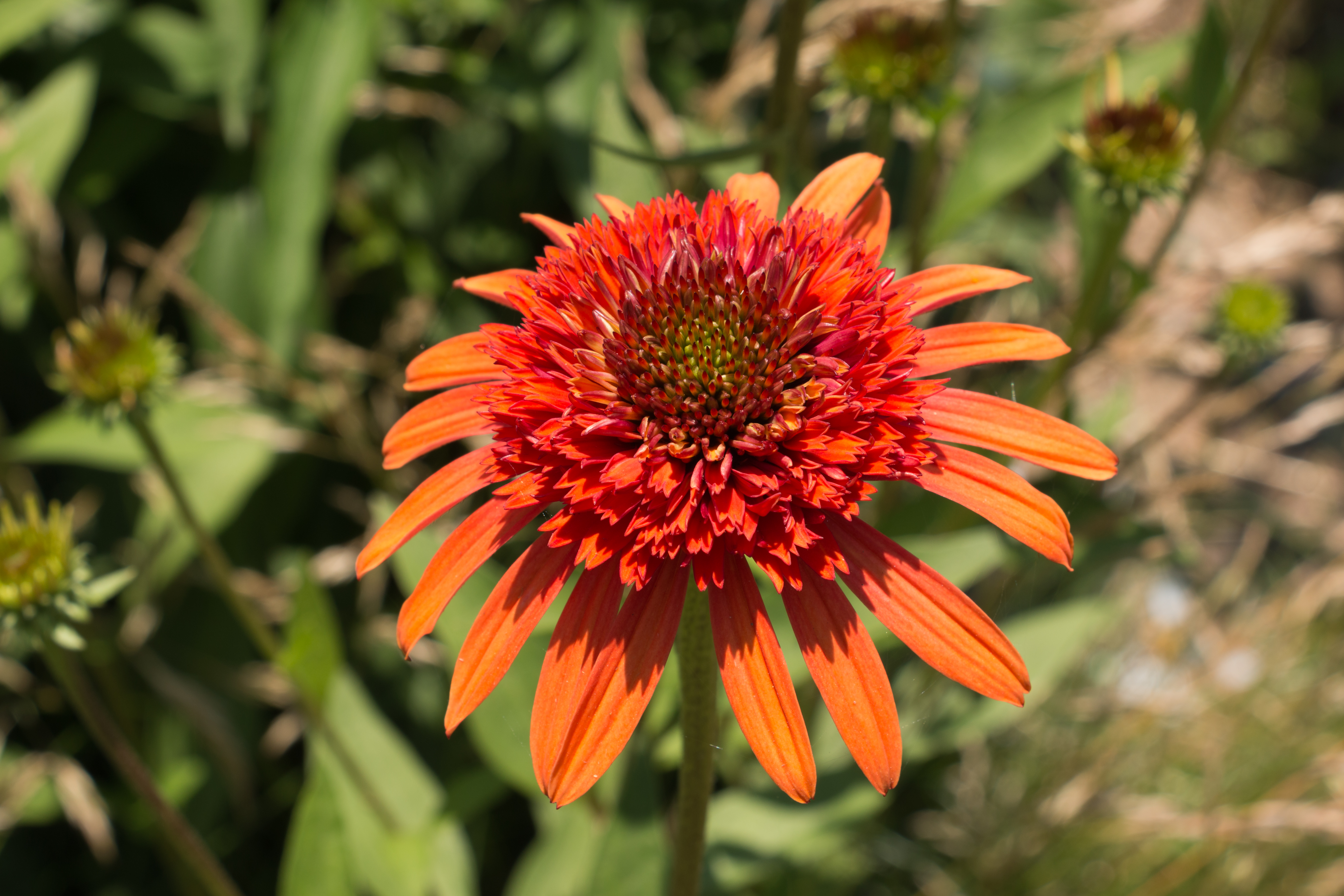
- Focus on Keystone Species: Prioritize plants that support the highest number of insect species, such as oaks, willows, cherries, and birches, if space allows. For smaller gardens, focus on pollinator powerhouses like coneflowers, milkweeds, and asters.
- Consider a "Wild" Corner: Allow a small, designated area of your yard to grow a bit wild with native grasses and wildflowers.
- Think in Layers: Mimic natural ecosystems by planting a variety of native trees, shrubs, perennials, and groundcovers.
- Reduce Lawn Area: Convert portions of your lawn into native plant beds. Lawns offer little ecological benefit compared to a diverse native planting.
Quick Reference: Benefits of Native Plants
| Benefit | Description |
|---|---|
| Wildlife Support | Provides food, shelter, and breeding sites for birds, insects, and small mammals. |
| Pollinator Health | Offers essential nectar, pollen, and host plants for bees, butterflies, and other pollinators. |
| Reduced Maintenance | Adapted to local conditions, requiring less water, fertilizer, and pest control once established. |
| Soil & Water Quality | Deep root systems prevent erosion, improve soil structure, and filter pollutants. |
| Ecological Resilience | Better withstands local climate extremes (droughts, floods, temperature swings). |
| Biodiversity | Contributes to a richer, more diverse local ecosystem. |
| Natural Beauty | Creates a dynamic, ever-changing landscape that reflects the natural beauty of your region. |
Pet Safety and Native Plants
While many native plants are beneficial for wildlife, it's always wise to consider your pets. When selecting plants, especially if your pets have a habit of nibbling, research their specific toxicity. For example, while milkweed is vital for Monarchs, it is listed as toxic to cats and dogs. Always choose plants appropriate for your household.
If you suspect your pet has ingested a toxic plant, call the ASPCA Animal Poison Control Center immediately at (888) 426-4435.
Conclusion: A Call to Action for Your Garden
Choosing native plants is one of the most impactful decisions you can make as a gardener. It's a simple yet powerful way to contribute to the health of our planet, support local wildlife, and create a beautiful, resilient landscape that truly belongs. By embracing native plants, you become a steward of your local ecosystem, fostering a vibrant balance that benefits us all.
Ready to find the perfect plants for your yard? Try the PlantWise Plant Finder →