Gardening in Zone 6 offers a wonderful opportunity to cultivate a vibrant and resilient landscape using native plants. These plants are perfectly adapted to the region's climate, soil, and ecosystem, requiring less water, fertilizer, and pest control once established. Some of the best native plants for Zone 6 gardens include Coneflower, Black-eyed Susan, Bee Balm, Blazing Star, and Penstemon, all of which provide beauty, support local wildlife, and thrive with minimal intervention.
Shop Zone 6 native flower seed on Amazon
Echinacea purpurea and Rudbeckia hirta packs for pollinator beds. We may earn a commission at no extra cost to you.
Amazon · Echinacea purpurea seed packs Amazon · Rudbeckia hirta seed packs
* Listings for these search terms are often seed packets rather than live plugs; check the format before you buy.
🌱 Get Personalized Plant Picks
Answer a few quick questions and we’ll match plants to your exact yard conditions.
Find My Plants →Why Choose Native Plants for Your Zone 6 Garden?
Native plants are the unsung heroes of a sustainable garden. By selecting species indigenous to your area, you're not just planting; you're restoring a piece of the natural ecosystem. For gardeners in USDA Hardiness Zone 6, which experiences winter lows between -10°F and 0°F (-23.3°C and -17.8°C), native plants offer unparalleled resilience. They've evolved over millennia to handle the specific temperature fluctuations, rainfall patterns, and soil conditions of the region. This adaptation means they generally require less supplemental watering, are more resistant to local pests and diseases, and rarely need chemical fertilizers.
Beyond their low-maintenance appeal, native plants are crucial for supporting local biodiversity. They provide essential food, shelter, and breeding grounds for native pollinators like bees, butterflies, and hummingbirds, as well as birds and other wildlife. Planting native species helps to reverse habitat loss and contributes to a healthier, more balanced environment right in your backyard.
What Are Some Top Native Perennials for Zone 6?
When selecting native perennials for Zone 6, consider plants that offer extended bloom times, diverse forms, and ecological benefits. Here are some excellent choices that will flourish in your garden:
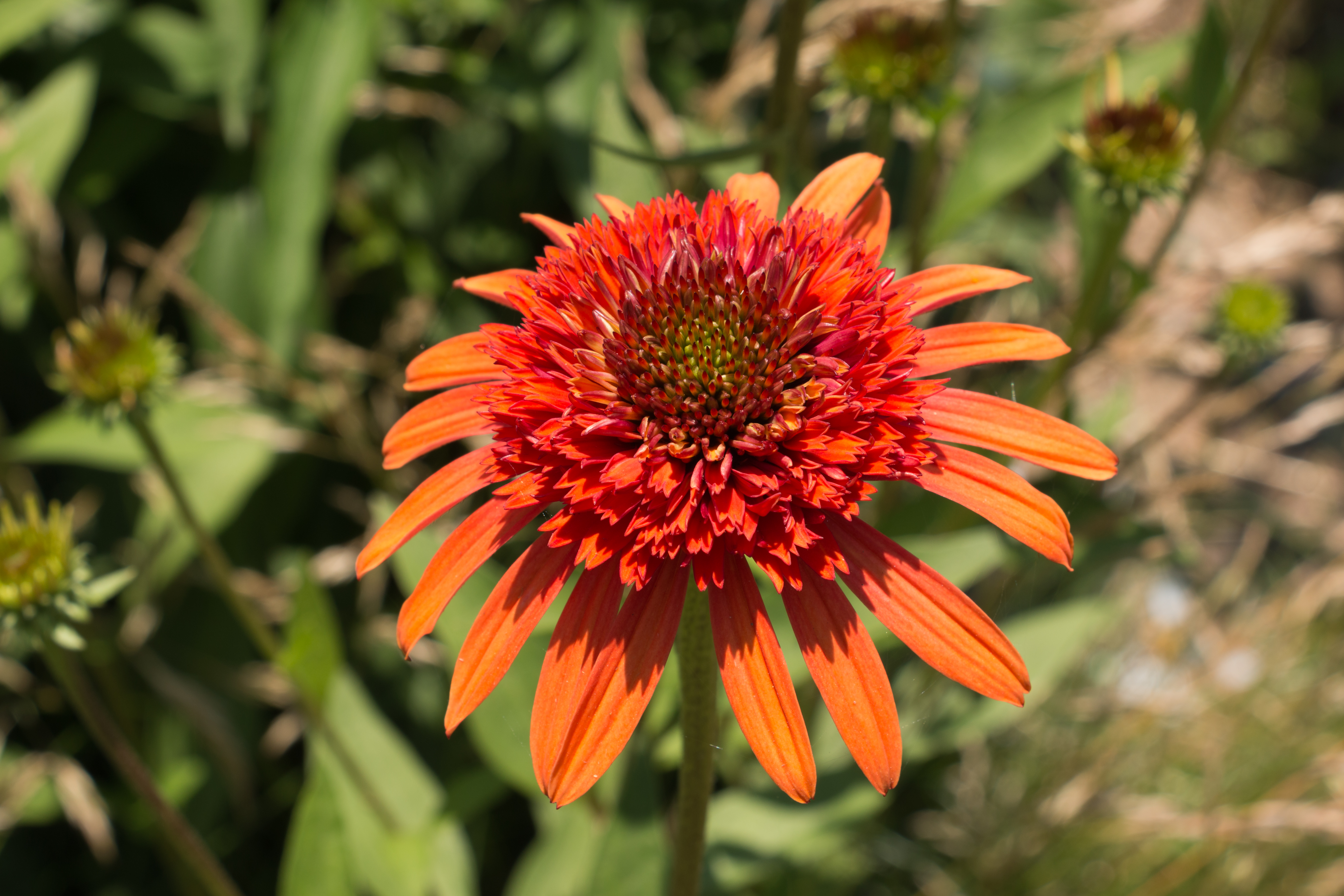
Coneflower (Echinacea purpurea): A quintessential prairie plant, Coneflower is incredibly tough and beautiful. Its large, daisy-like flowers with prominent central cones attract a wide array of pollinators, especially butterflies. It blooms from summer into fall and is drought-tolerant once established. Coneflower
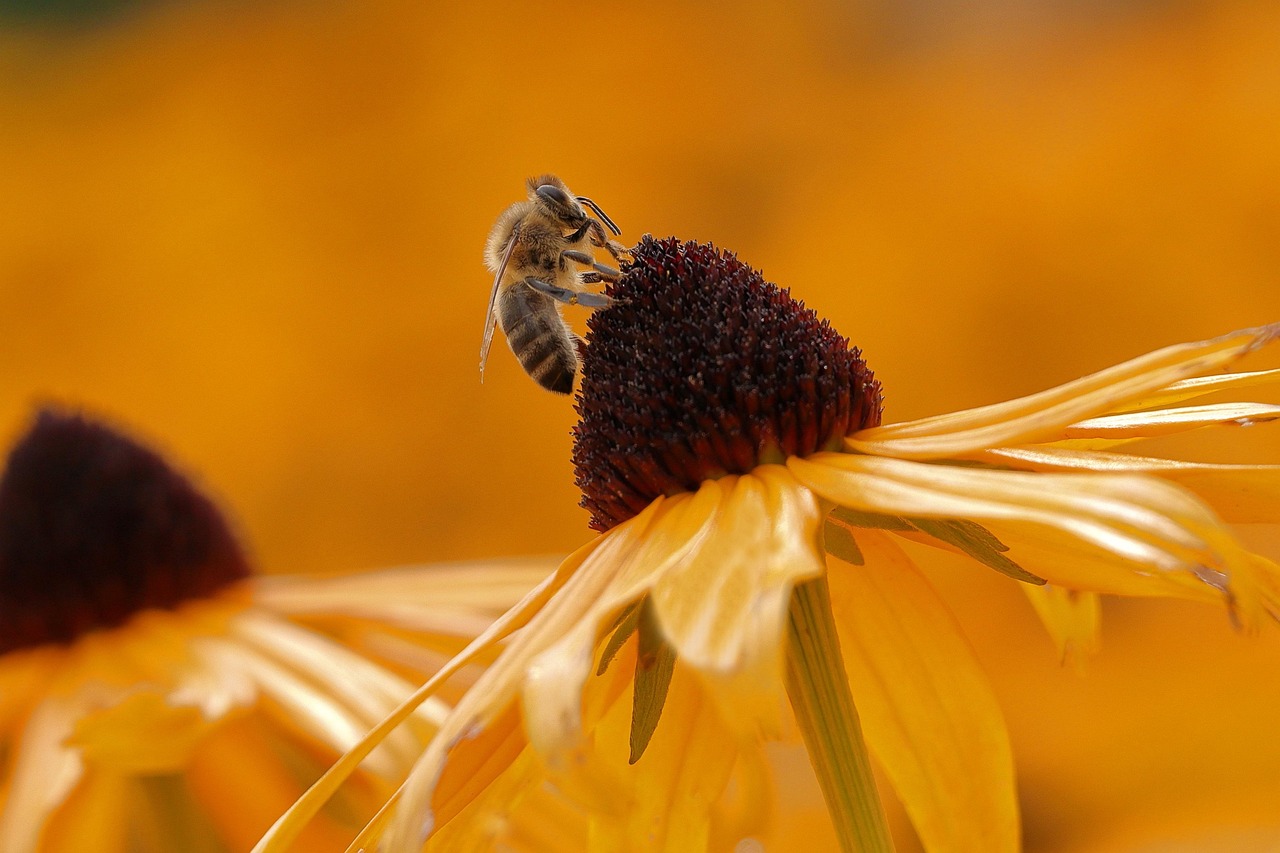
Black-eyed Susan (Rudbeckia hirta): Cheerful and easy to grow, Black-eyed Susan is a classic choice for sunny gardens. Its bright yellow petals with dark brown centers create a striking display from mid-summer through fall. It's a favorite of many beneficial insects and provides seeds for birds. Black-eyed Susan
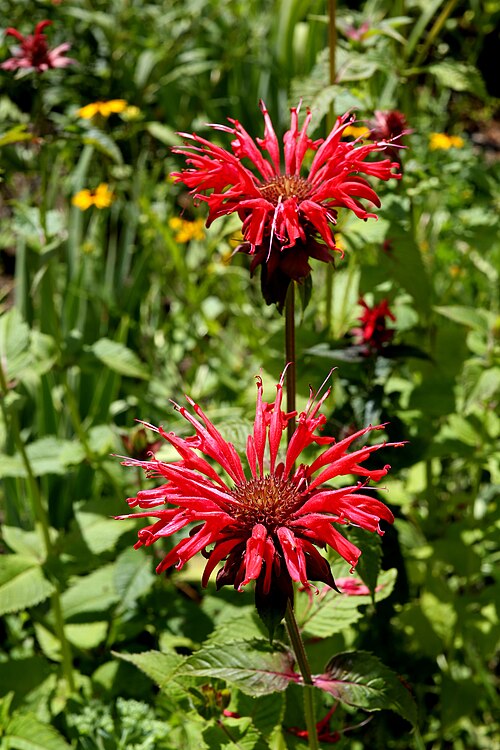
Bee Balm (Monarda didyma): With its unique, spiky, tubular flowers, Bee Balm is a magnet for hummingbirds, bees, and butterflies. It comes in various shades of red, pink, and purple, and some varieties are resistant to powdery mildew. It thrives in full sun to partial shade and moist, well-drained soil. Bee Balm
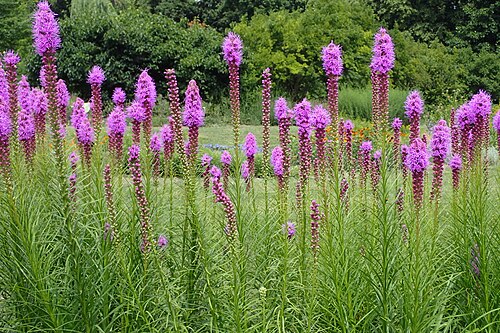
Blazing Star (Liatris spicata): This striking perennial features tall, upright spikes of purple flowers that bloom from the top down, creating a dramatic vertical element in the garden. Blazing Star is incredibly attractive to butterflies and is an excellent choice for sunny, well-drained locations. Blazing Star
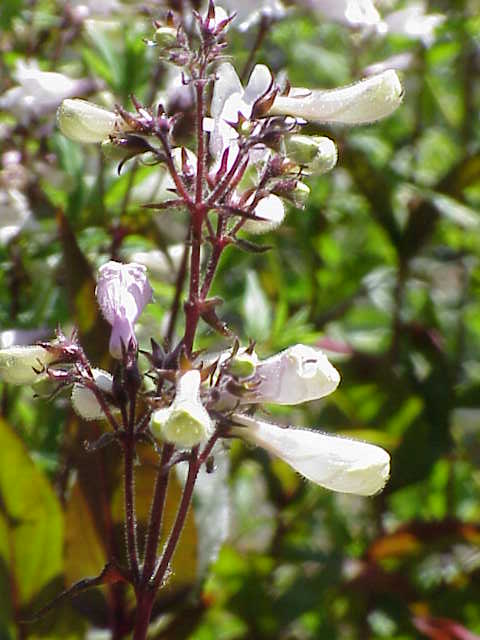
Penstemon (Penstemon digitalis 'Husker Red'): Known for its elegant spires of white or pale pink flowers and often attractive burgundy foliage, Penstemon is a versatile plant that adds grace to any garden. It's a favorite of hummingbirds and is quite drought-tolerant. Penstemon
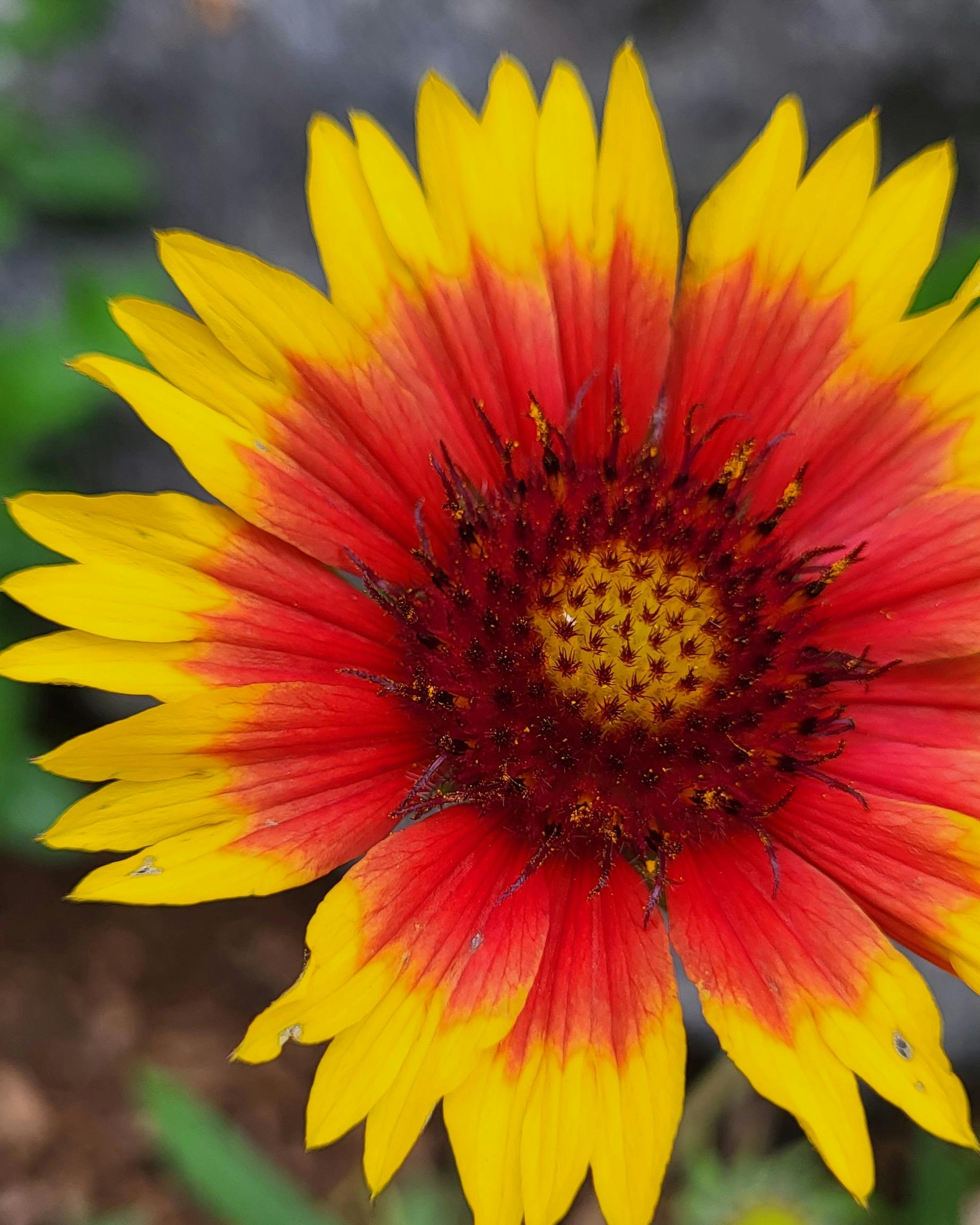
Blanket Flower (Gaillardia aristata): Offering vibrant, daisy-like flowers in shades of red, orange, and yellow, Blanket Flower provides continuous color from early summer until frost. It's exceptionally drought-tolerant and thrives in full sun and poor soils, making it a low-maintenance superstar. Blanket Flower
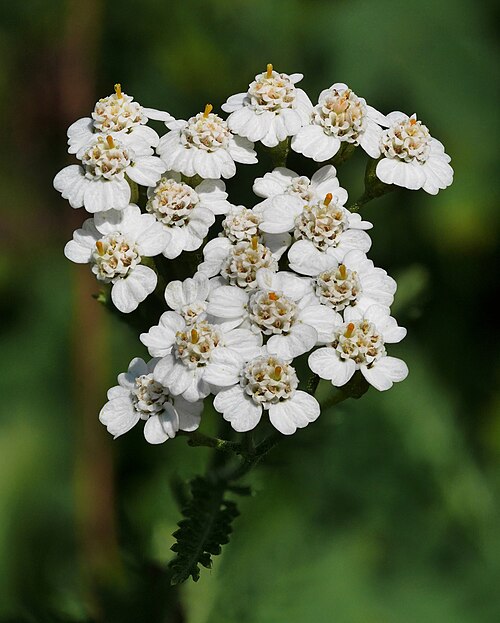
Yarrow (Achillea millefolium): This hardy perennial features flat-topped clusters of tiny flowers, typically in white, yellow, or pink. Yarrow is drought-tolerant, deer-resistant, and provides excellent landing pads for small beneficial insects. It also makes a great cut flower. Yarrow
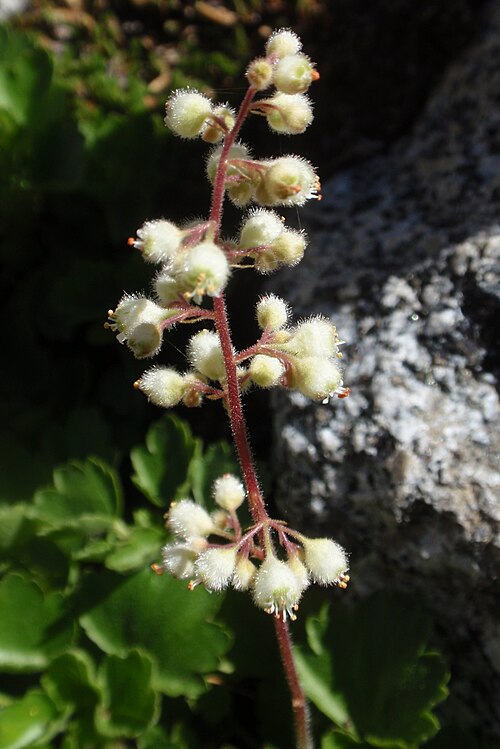
Coral Bells (Heuchera americana): While primarily grown for its stunning foliage, Coral Bells also produces delicate spires of bell-shaped flowers. Its leaves come in an incredible array of colors, from lime green to deep purple, providing year-round interest in partial shade. Coral Bells
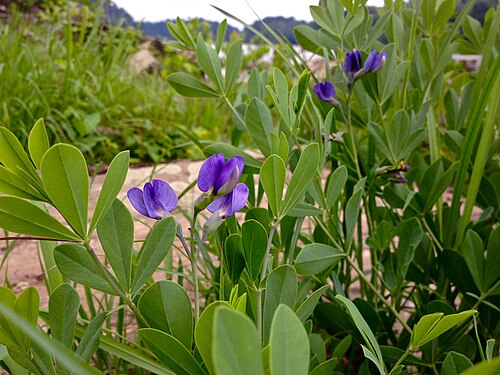
False Indigo (Baptisia australis): A long-lived and stately perennial, False Indigo forms a substantial bush with beautiful blue, pea-like flowers in spring, followed by attractive seed pods. It's incredibly drought-tolerant and adds significant structure to the garden. False Indigo
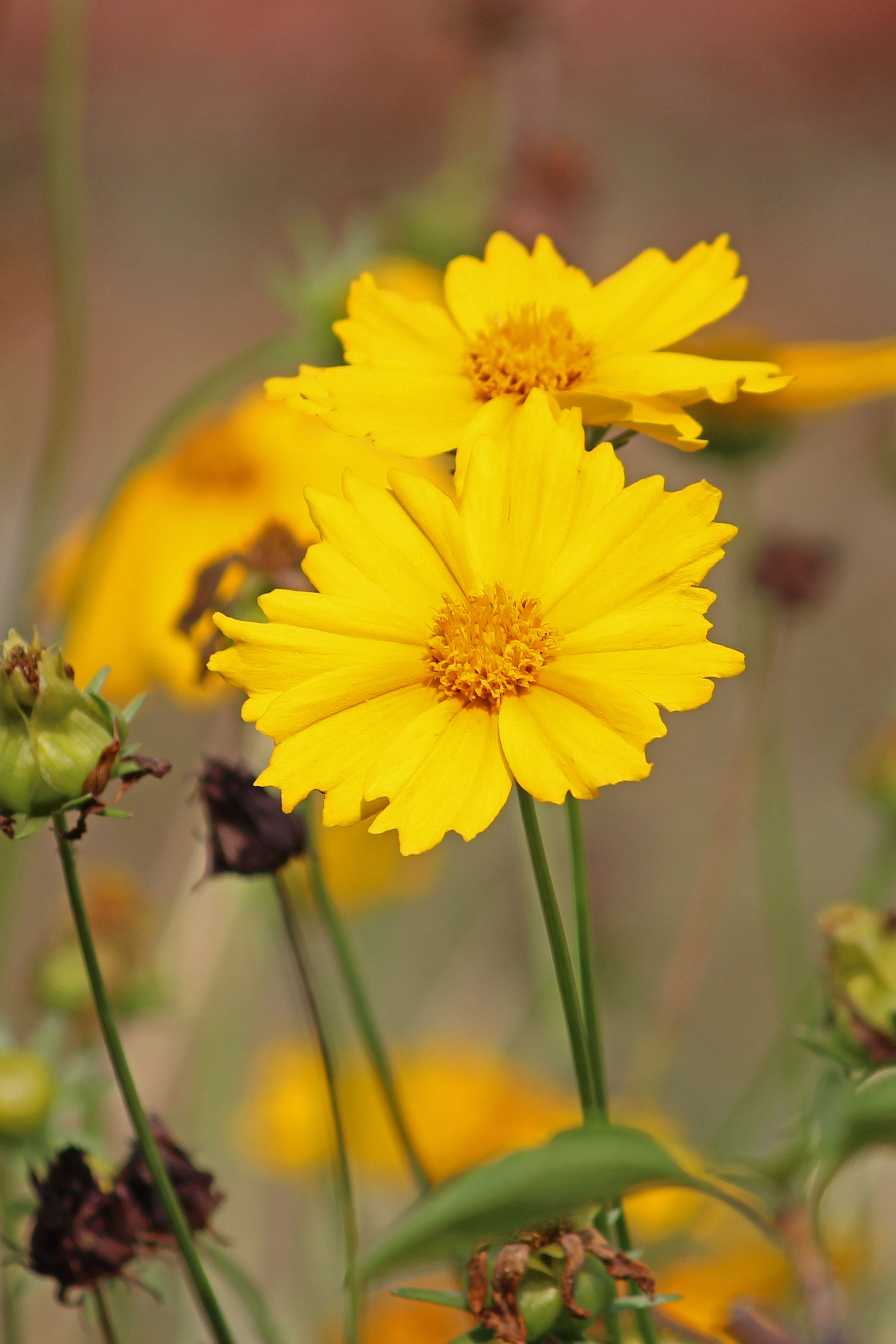
Coreopsis (Coreopsis lanceolata): Also known as Tickseed, Coreopsis offers a profusion of bright yellow, daisy-like flowers that bloom for an extended period. It's a cheerful addition to sunny borders and attracts many pollinators. Coreopsis
How Do Native Plants Benefit Your Local Ecosystem?
Choosing native plants for your Zone 6 garden extends far beyond aesthetic appeal. These plants are integral to the health and biodiversity of your local ecosystem. They have co-evolved with native insects, birds, and other wildlife, creating a delicate and essential web of life. For instance, many native butterfly and moth species can only lay their eggs and feed their larvae on specific native host plants. Without these plants, their populations decline.
Native plants also play a critical role in water conservation and soil health. Their deep root systems help to prevent soil erosion, improve water infiltration, and reduce stormwater runoff, which can carry pollutants into local waterways. By creating a native plant garden, you're not just beautifying your space; you're actively contributing to a healthier environment, supporting pollinators crucial for our food supply, and providing vital habitat for local wildlife. It's a powerful way to make a positive impact on your immediate surroundings and the broader ecological landscape.
Quick Reference: Zone 6 Native Perennials
| Plant Name | Bloom Time | Sun Exposure | Soil Preference | Attracts |
|---|---|---|---|---|
| Blazing Star | Summer-Fall | Full Sun | Well-drained | Butterflies |
| Penstemon | Late Spring-Summer | Full Sun | Well-drained | Hummingbirds, Bees |
| Bee Balm | Summer | Full Sun-Part Shade | Moist, Well-drained | Hummingbirds, Bees, Butterflies |
| Coneflower | Summer-Fall | Full Sun | Well-drained, adaptable | Butterflies, Bees |
| Blanket Flower | Summer-Fall | Full Sun | Well-drained, poor soil | Butterflies, Bees |
| Yarrow | Summer | Full Sun | Well-drained | Bees, Beneficial Insects |
| Coral Bells | Late Spring-Summer | Part Shade-Full Shade | Moist, well-drained | Hummingbirds, Bees |
| False Indigo | Spring | Full Sun | Well-drained, adaptable | Bees, Butterflies |
| Black-eyed Susan | Summer-Fall | Full Sun | Well-drained, adaptable | Butterflies, Bees |
| Coreopsis | Summer | Full Sun | Well-drained, adaptable | Butterflies, Bees |
How Can You Start Your Native Zone 6 Garden?
Starting a native garden in Zone 6 is an exciting and rewarding endeavor. Begin by observing your yard's conditions: how much sun does each area receive? What is your soil like - sandy, clay, or loamy? Understanding these factors will help you choose the right plants for the right places.
Next, research native plant nurseries or garden centers in your region that specialize in native species. They can offer valuable advice and ensure you're getting plants truly indigenous to your specific area. When planting, group plants with similar light and water needs together. This practice, known as "hydrozoning," makes maintenance easier and more efficient.
Remember that native plants, while low-maintenance once established, still need some care during their first year as they develop their root systems. Provide consistent watering, especially during dry spells. Avoid using pesticides, as these can harm the beneficial insects your native plants are designed to attract and support. With a little planning and care, your Zone 6 native garden will thrive, bringing beauty and ecological benefits to your home for years to come.
Ready to find the perfect plants for your yard? Try the PlantWise Plant Finder →