Best Native Plants for Zone 7 Gardens
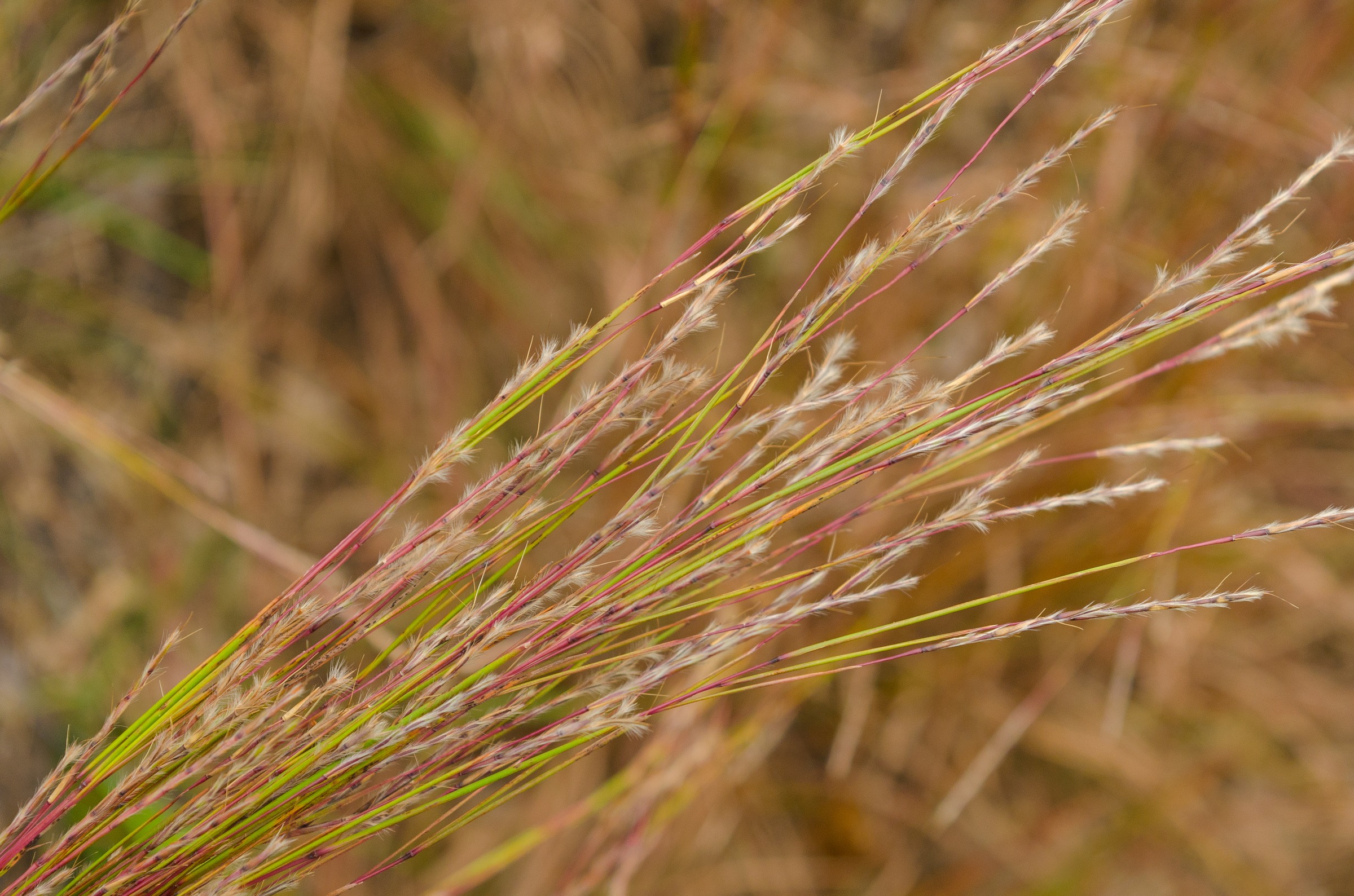
Creating a thriving garden in USDA Hardiness Zone 7 means selecting plants that can withstand its distinct climate, characterized by average annual minimum temperatures ranging from 0°F to 10°F. Native plants are an excellent choice for Zone 7 gardens because they are naturally adapted to the local soil, climate, and rainfall patterns, requiring less maintenance, water, and fertilizer once established. Some of the best native plants for Zone 7 include vibrant wildflowers like Black-eyed Susans and Coneflowers, drought-tolerant grasses such as Little Bluestem, and sturdy shrubs like Oakleaf Hydrangea, all of which support local wildlife and contribute to a healthier ecosystem.
Echinacea purpurea and Rudbeckia hirta packs for pollinator beds. We may earn a commission at no extra cost to you.
Amazon · Echinacea purpurea seed packs Amazon · Rudbeckia hirta seed packs
* Amazon listings for these terms are often seed packets rather than live plugs; check the format before you buy.
Why Choose Native Plants for Your Zone 7 Garden?
Choosing native plants for your Zone 7 garden offers a multitude of benefits, both for your landscape and the environment. These plants have evolved over millennia alongside local ecosystems, making them perfectly suited to the region's specific conditions. This inherent adaptability means they generally require less intervention from gardeners, leading to a more sustainable and low-maintenance approach to landscaping.
One of the primary advantages of native plants is their reduced need for water. Unlike many non-native ornamentals that might struggle in periods of drought or require supplemental irrigation, native species are accustomed to the natural rainfall patterns of Zone 7. This translates to significant water savings and a reduced environmental footprint. Furthermore, native plants are typically more resistant to local pests and diseases, as they have developed natural defenses against common garden adversaries. This often eliminates the need for chemical pesticides, fostering a healthier environment for beneficial insects, birds, and other wildlife.
Beyond their practical benefits, native plants play a crucial role in supporting local biodiversity. They provide essential food sources, shelter, and nesting sites for native pollinators like bees and butterflies, as well as birds and other small animals. By planting native species, you're not just beautifying your yard; you're actively contributing to the health and resilience of your local ecosystem, helping to restore habitats that may have been lost to development. They also help improve soil health, prevent erosion, and filter stormwater runoff, making your garden a powerful tool for environmental stewardship.
🌱 Get Personalized Plant Picks
Answer a few quick questions and we’ll match plants to your exact yard conditions.
Find My Plants →What Are Some Top Perennial Native Plants for Zone 7?
Zone 7 offers a fantastic range of native perennials that can bring color, texture, and life to your garden from spring through fall. These plants are not only beautiful but also incredibly resilient and beneficial for local wildlife.
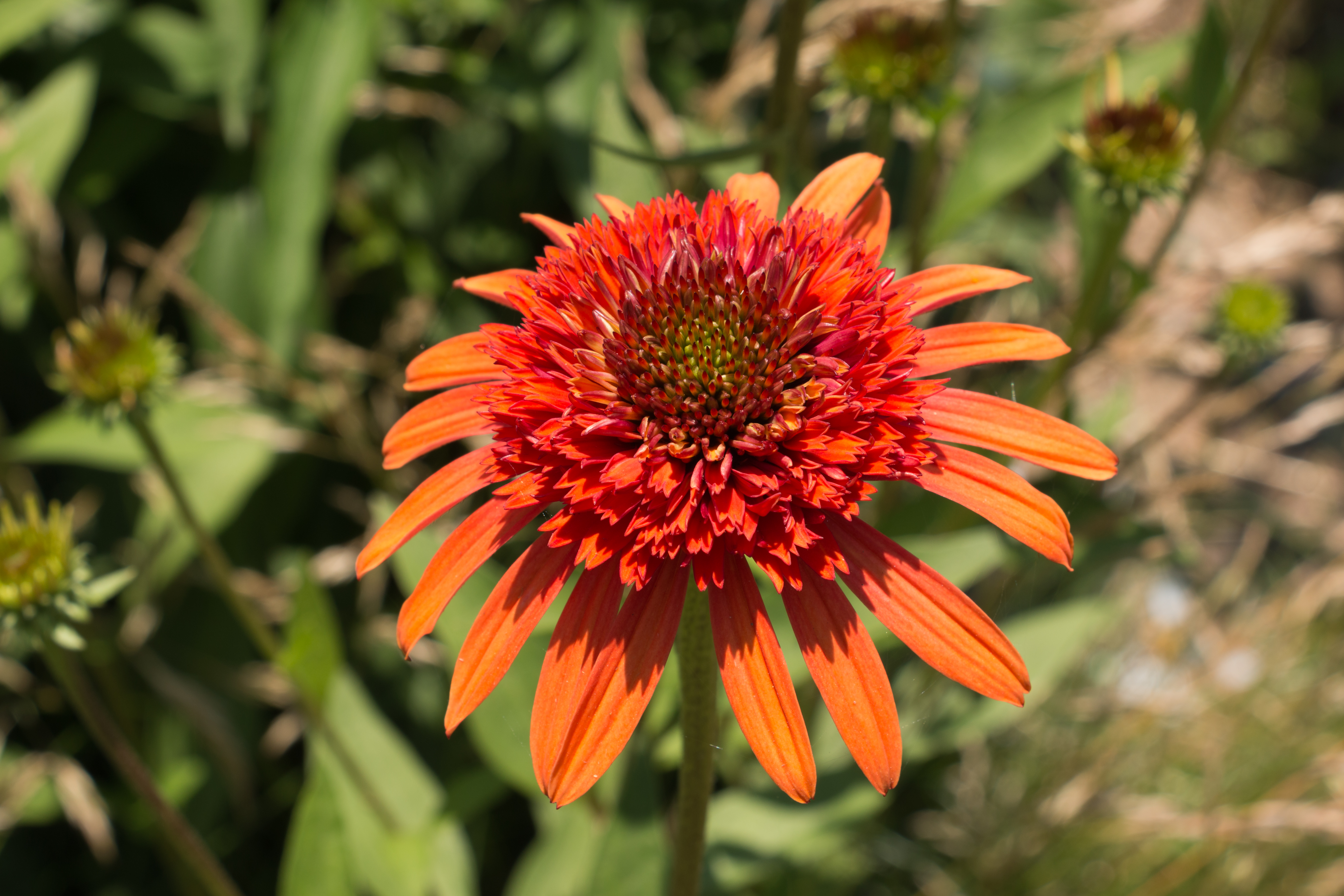
One of the most iconic native perennials is the Coneflower (Echinacea purpurea). Known for its daisy-like flowers with prominent central cones, coneflowers bloom from summer into fall, attracting a wide array of pollinators, especially bees and butterflies. They are drought-tolerant once established and thrive in full sun to partial shade. Their sturdy stems make them excellent for cut flower arrangements, and their seed heads provide winter interest and food for birds.
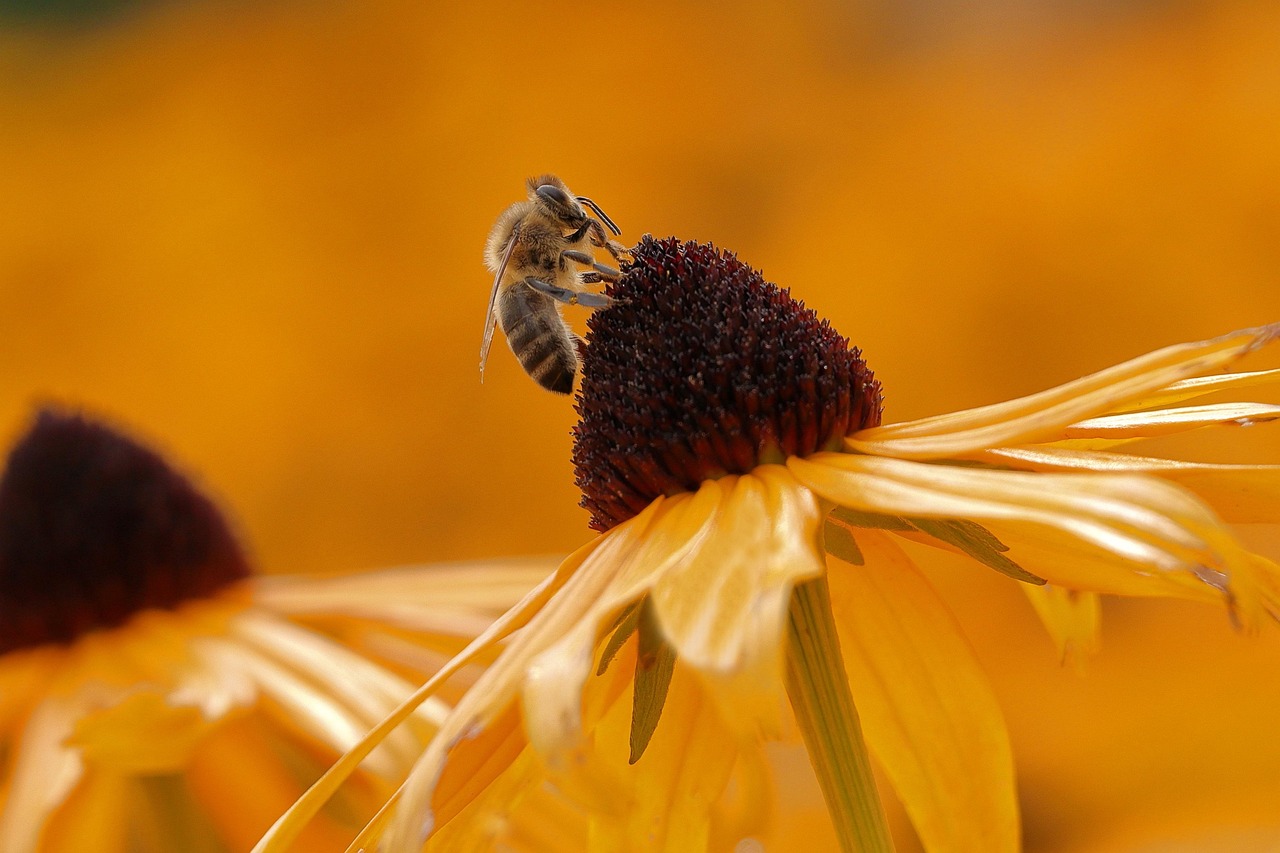
Another garden staple is the Black-eyed Susan (Rudbeckia hirta). These cheerful, golden-yellow flowers with dark brown centers are a quintessential summer bloom. They are incredibly adaptable, tolerating a range of soil types and thriving in full sun. Black-eyed Susans are prolific self-seeders, often naturalizing in meadows and borders, and are a magnet for butterflies.
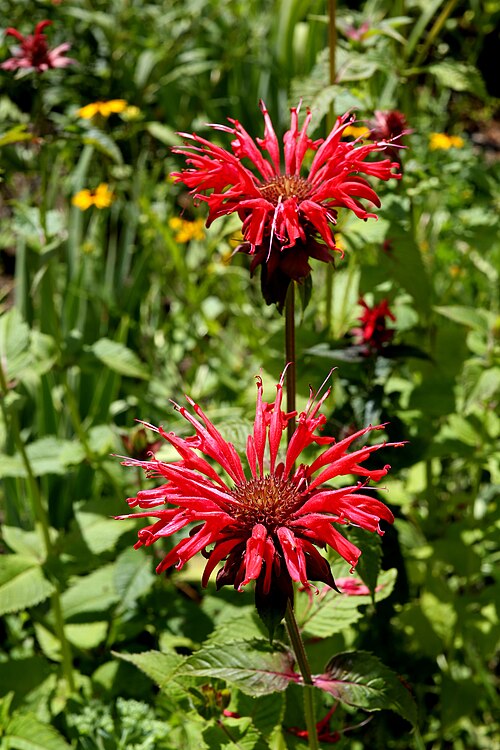
For a burst of vibrant color and a magnet for hummingbirds, consider Bee Balm (Monarda didyma). Its unique, spiky, tubular flowers come in shades of red, pink, and purple, blooming in mid-summer. Bee Balm prefers full sun to partial shade and moist, well-drained soil. It's also known for its aromatic foliage, which can be used to make herbal teas.
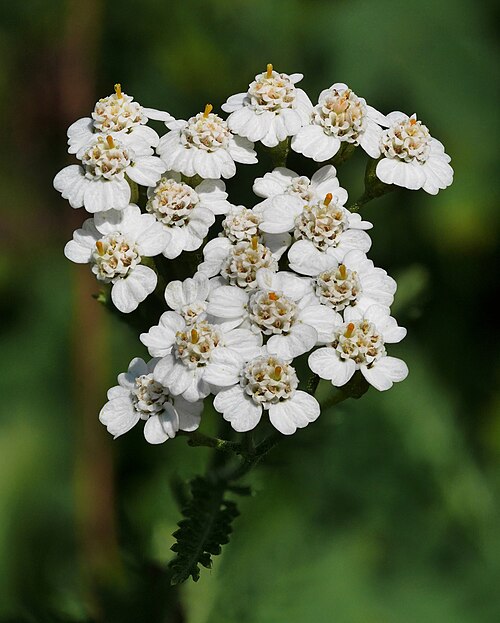
Yarrow (Achillea millefolium) is a remarkably tough and versatile perennial. Its flat-topped clusters of tiny flowers, typically white or yellow, bloom from early summer to fall. Yarrow is extremely drought-tolerant and thrives in full sun and poor to average soil, making it an excellent choice for challenging spots. Its finely textured, fern-like foliage adds an interesting contrast to other garden plants.
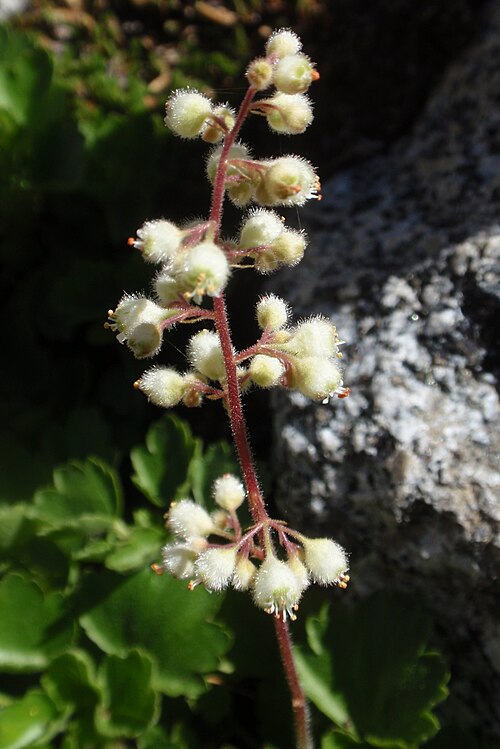
For adding texture and color to shadier spots, Coral Bells (Heuchera americana) are an excellent choice. While many popular cultivars are hybrids, the native species offers beautiful foliage, often with interesting patterns and colors, and delicate, bell-shaped flowers on tall stalks. They prefer partial shade and well-drained soil, making them perfect for woodland gardens or under deciduous trees.
How Can Native Shrubs and Trees Enhance Your Zone 7 Landscape?
Native shrubs and trees form the backbone of a resilient and biodiverse garden, providing structure, year-round interest, and critical habitat for wildlife. In Zone 7, there are many excellent choices that will thrive with minimal care.
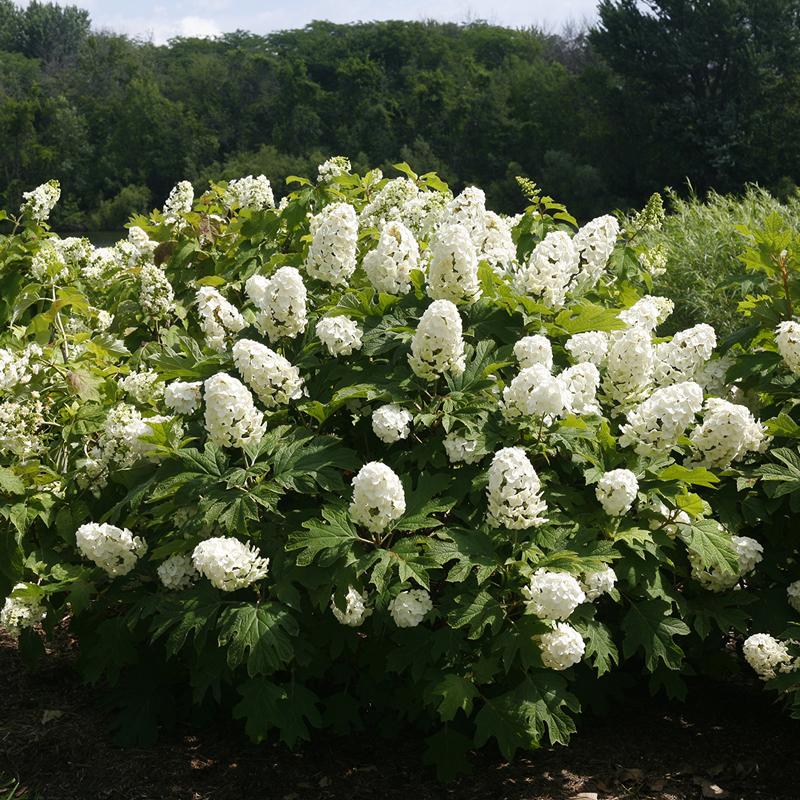
One outstanding native shrub is the Oakleaf Hydrangea (Hydrangea quercifolia). Unlike its more common cousins, this hydrangea boasts striking, deeply lobed leaves that resemble oak leaves, which turn brilliant shades of burgundy, red, and orange in the fall. Its large, conical white flower clusters bloom in summer and often persist into winter, drying to an attractive papery brown. It prefers partial shade and well-drained soil, offering multi-season interest.
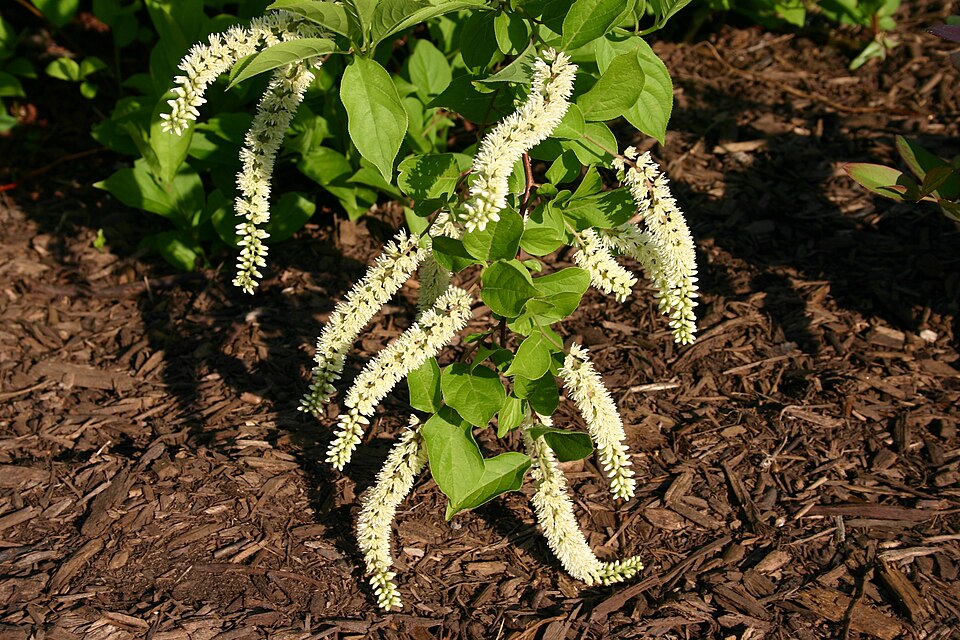
For a smaller, versatile shrub, consider Virginia Sweetspire (Itea virginica). This deciduous shrub offers fragrant, arching white flower spikes in late spring to early summer, followed by brilliant red-purple fall foliage. It tolerates a range of conditions, from full sun to partial shade and wet to dry soils, making it adaptable to many garden situations. It's also deer resistant.
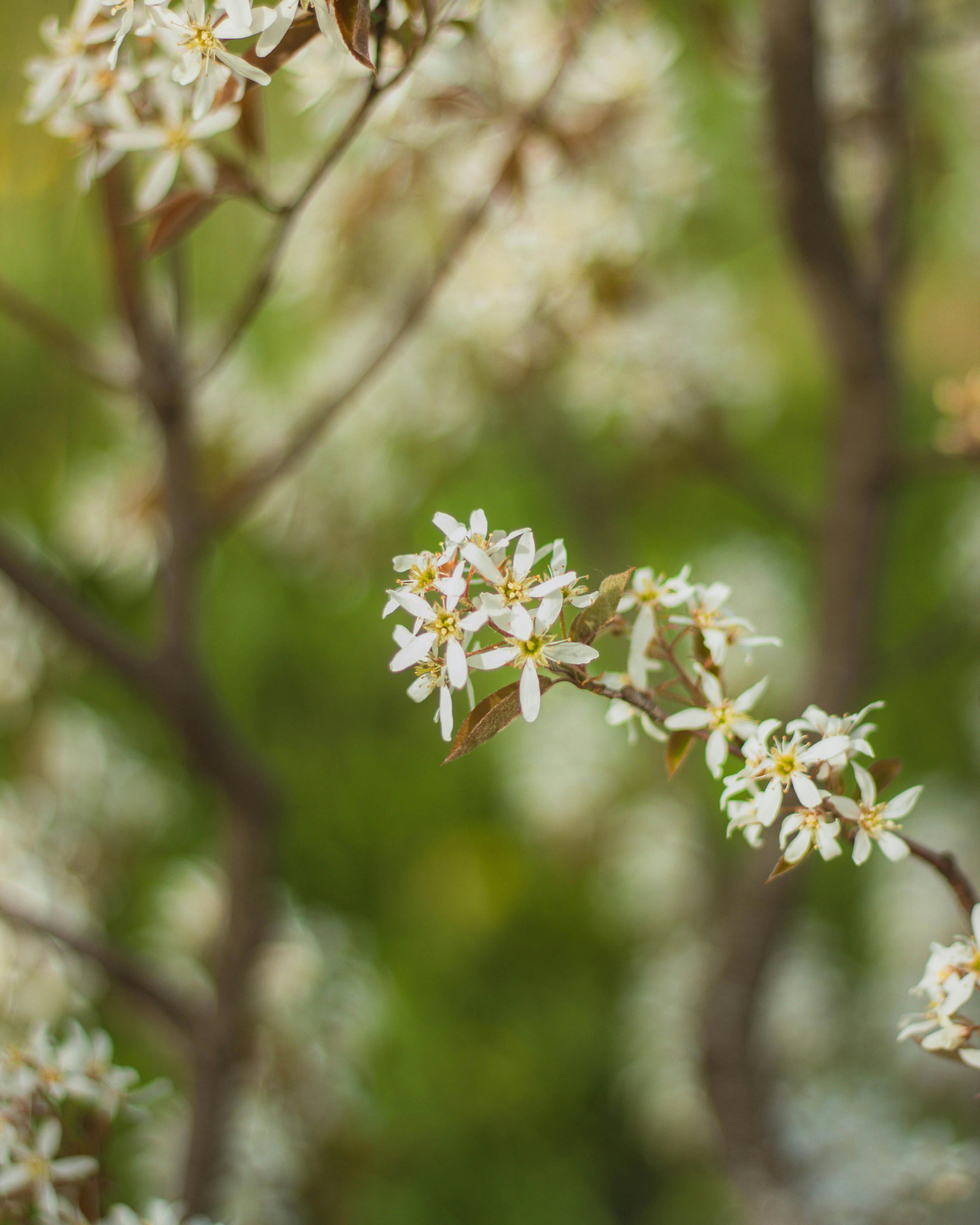
Native trees provide shade, improve air quality, and offer significant ecological benefits. The Serviceberry (Amelanchier canadensis), also known as Shadbush, is a fantastic small tree or large shrub for Zone 7. It offers delicate white flowers in early spring, followed by edible, blueberry-like fruits that are a favorite of birds and wildlife. Its leaves turn beautiful shades of orange and red in the fall, and its smooth, gray bark provides winter interest. Serviceberry thrives in full sun to partial shade and well-drained soil.
Another excellent choice is the Redbud (Cercis canadensis). This small, understory tree is celebrated for its stunning display of magenta-pink flowers that emerge directly on its branches in early spring, even before the leaves appear. Its heart-shaped leaves turn yellow in the fall. Redbuds prefer full sun to partial shade and well-drained soil, adding a spectacular splash of color to the spring landscape.
Quick Reference: Native Plants for Zone 7
| Plant Name | Botanical Name | Sun Exposure | Soil Preference | Bloom Time | Wildlife Benefits |
|---|---|---|---|---|---|
| Coneflower | Echinacea purpurea | Full Sun to Part Shade | Well-drained | Summer-Fall | Bees, Butterflies, Birds |
| Black-eyed Susan | Rudbeckia hirta | Full Sun | Adaptable | Summer-Fall | Butterflies |
| Bee Balm | Monarda didyma | Full Sun to Part Shade | Moist, Well-drained | Mid-Summer | Hummingbirds, Bees, Butterflies |
| Yarrow | Achillea millefolium | Full Sun | Poor to Average, Well-drained | Early Summer-Fall | Bees, Butterflies |
| Coral Bells | Heuchera americana | Partial Shade | Well-drained | Late Spring-Summer | Hummingbirds, Bees |
| Oakleaf Hydrangea | Hydrangea quercifolia | Partial Shade | Well-drained | Summer | Shelter, Winter Interest |
| Virginia Sweetspire | Itea virginica | Full Sun to Part Shade | Adaptable | Late Spring-Early Summer | Pollinators, Fall Color |
| Serviceberry | Amelanchier canadensis | Full Sun to Part Shade | Well-drained | Early Spring | Birds, Pollinators, Edible Fruit |
| Redbud | Cercis canadensis | Full Sun to Part Shade | Well-drained | Early Spring | Pollinators, Early Nectar |
What Care Do Native Plants Require in Zone 7?
While native plants are known for their low-maintenance nature, they still benefit from some initial care to help them establish and thrive. Once established, their needs significantly decrease compared to non-native species.
Initial Establishment: When you first plant native species, especially during their first year, consistent watering is crucial. Even drought-tolerant plants need regular moisture to develop a strong root system. Water deeply and regularly, especially during dry spells, until the plants are well-established. Applying a layer of native mulch, such as shredded leaves or pine bark, can help retain soil moisture, suppress weeds, and regulate soil temperature.
Soil and Nutrients: Native plants are adapted to the local soil conditions, so amending the soil extensively is often unnecessary and can sometimes be detrimental. Focus on improving drainage if your soil is heavy clay, perhaps by incorporating some compost. Generally, native plants do not require supplemental fertilization. In fact, too much fertilizer can encourage lush, weak growth that is more susceptible to pests and diseases. If your soil is particularly poor, a light application of organic compost can provide a gentle nutrient boost.
Pruning and Maintenance: Most native perennials benefit from occasional deadheading (removing spent flowers) to encourage more blooms or to prevent excessive self-seeding if desired. Many can also be cut back in late fall or early spring to promote fresh growth and maintain a tidy appearance. However, leaving seed heads on through winter can provide food for birds and add visual interest to the dormant garden. Native shrubs and trees generally require minimal pruning, primarily for shaping, removing dead or damaged branches, or to maintain size. Always prune with the plant's natural form in mind.
Pest and Disease Management: Because native plants have evolved with local pests and diseases, they often possess natural resistance. This significantly reduces the need for chemical interventions. Encourage beneficial insects by avoiding pesticides and providing diverse habitats. If a pest problem does arise, start with organic and least-toxic solutions.
Remember, no plant is truly deer-proof, but many native plants are less palatable to deer than non-native ornamentals. If deer are a significant issue in your area, consider planting species known for their deer resistance or employing physical barriers.
By understanding and meeting the basic needs of your native plants, you can create a beautiful, resilient, and ecologically beneficial garden that thrives in Zone 7 for years to come.
Ready to find the perfect plants for your yard? Try the PlantWise Plant Finder →